Previous Spaceflight Launches
Filter by Agency, Locations or Vehicles
Show All Launches
Falcon 9 Block 5 | Starlink Group 4-3
SpaceX | United States of AmericaCape Canaveral SFS, FL, USA
Dec. 2, 2021, 11:12 p.m.
Status: Launch Successful
Mission:
A batch of 48 satellites for the Starlink mega-constellation - SpaceX's project for space-based Internet communication system - as well as 2 BlackSky Earth observation satellites as rideshare payloads.
Low Earth Orbit B1060 - Flight Proven ( ) A Shortfall of Gravitas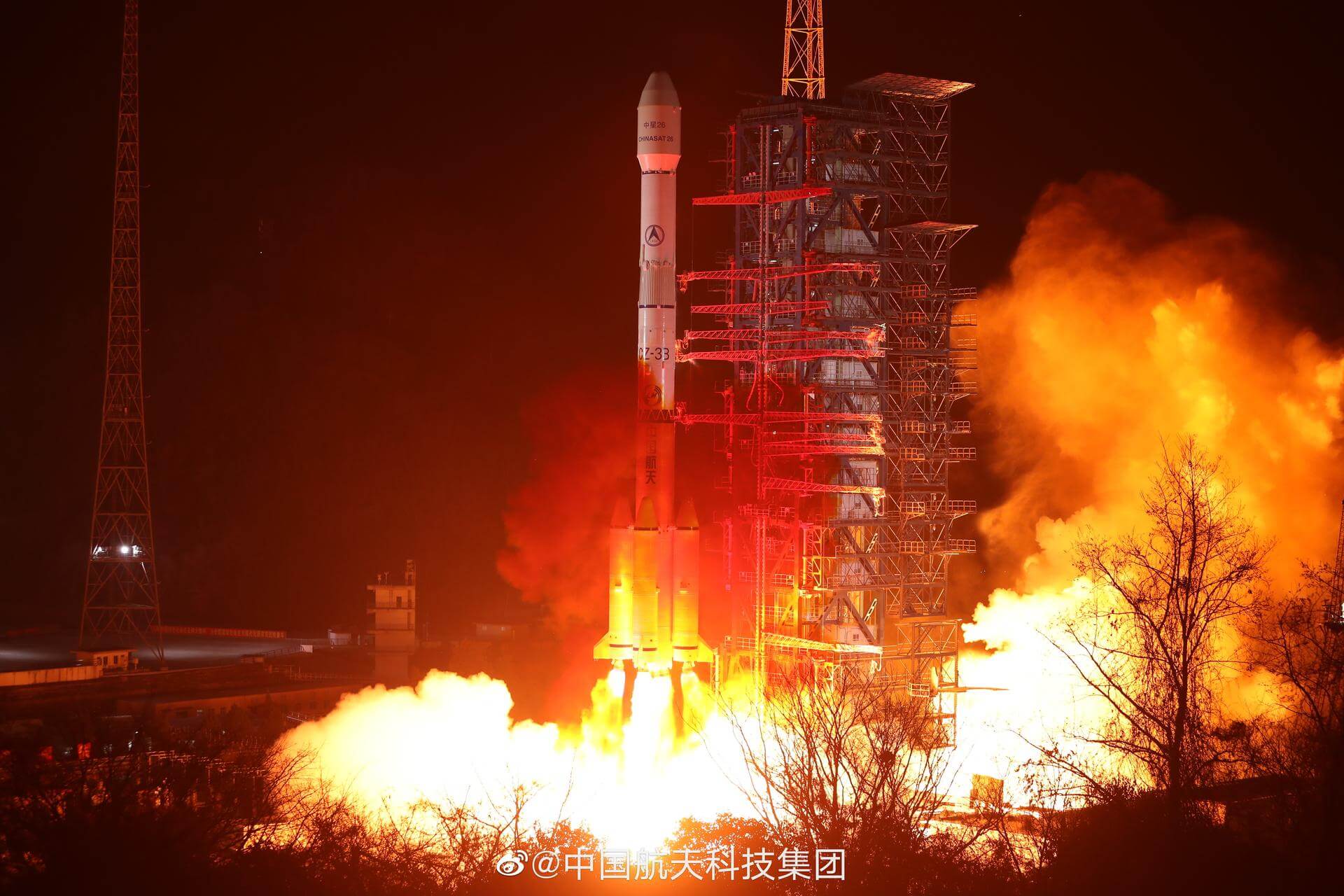
Long March 3B | ChinaSat 1D
China Aerospace Science and Technology Corporation | ChinaXichang Satellite Launch Center, People's Republic of China
Nov. 26, 2021, 4:40 p.m.
Status: Launch Successful
Mission:
The FH 2 (Feng Huo 2) series are reportedly the second generation of chinese military comsats and data relay satellites. They provide both C-band and UHF communications. China Aerospace Science and Technology Corp. manufactured the satellites based on the DFH-4 Bus. FH-2D is also known as Chinasat-1D.
Geostationary Transfer Orbit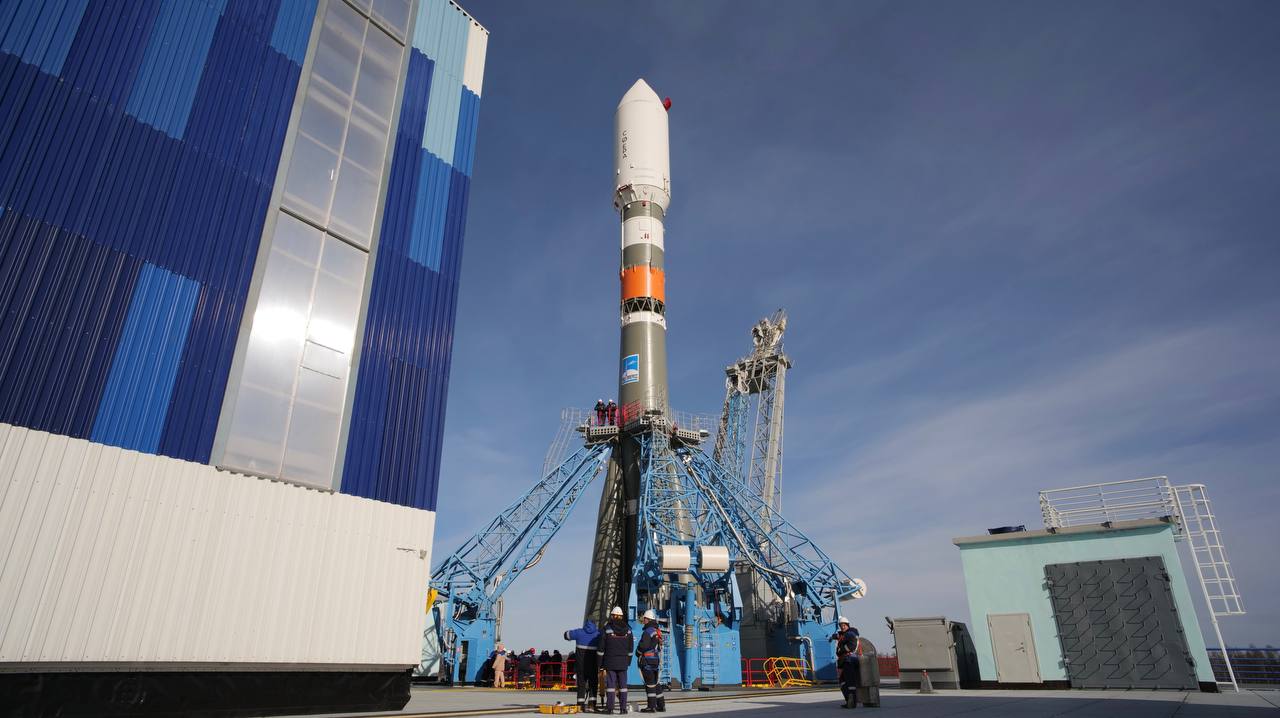
Soyuz 2.1b/Fregat | EKS 5 (Tundra 5) (Kosmos 2552)
Progress Rocket Space Center | RussiaPlesetsk Cosmodrome, Russian Federation
Nov. 25, 2021, 1:09 a.m.
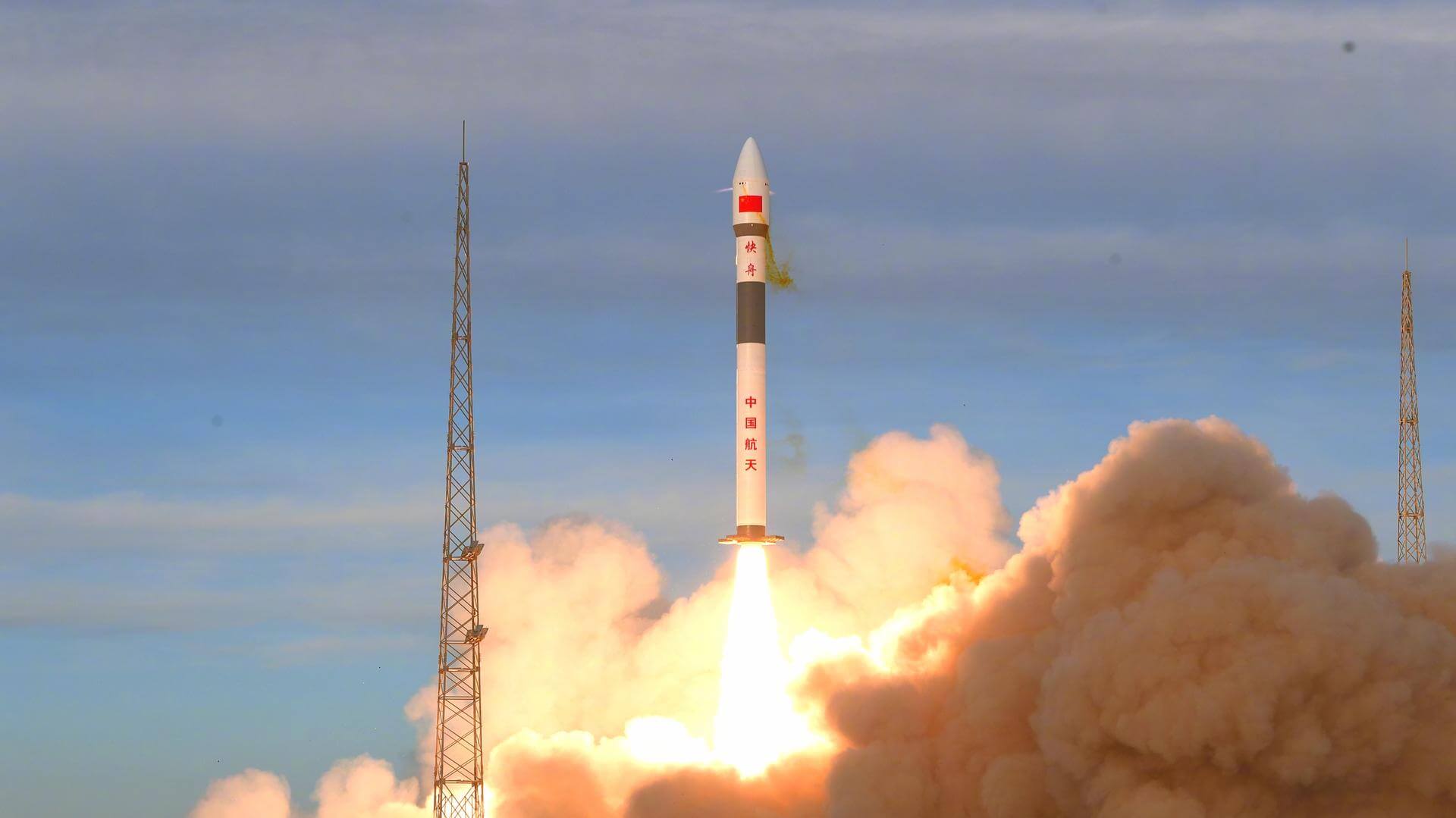
Kuaizhou 1A | Shiyan 11
ExPace | ChinaJiuquan Satellite Launch Center, People's Republic of China
Nov. 24, 2021, 11:41 p.m.
Soyuz 2.1b | Uzlovoy Module (UM) "Prichal"
Progress Rocket Space Center | RussiaBaikonur Cosmodrome, Republic of Kazakhstan
Nov. 24, 2021, 1:06 p.m.
Status: Launch Successful
Mission:
The UM (Uzlovoy Module) or NM (Node Module) is a node to be added to the Russian part of the ISS complex. It is also named Prichal. UM will be delivered by a modified Progress space tug, called Progress-M-UM. The UM will be docked to the nadir port of the MLM (Nauka) module, providing four ports to mount additional modules and one docking port for cargo and crew spacecrafts.
Low Earth Orbit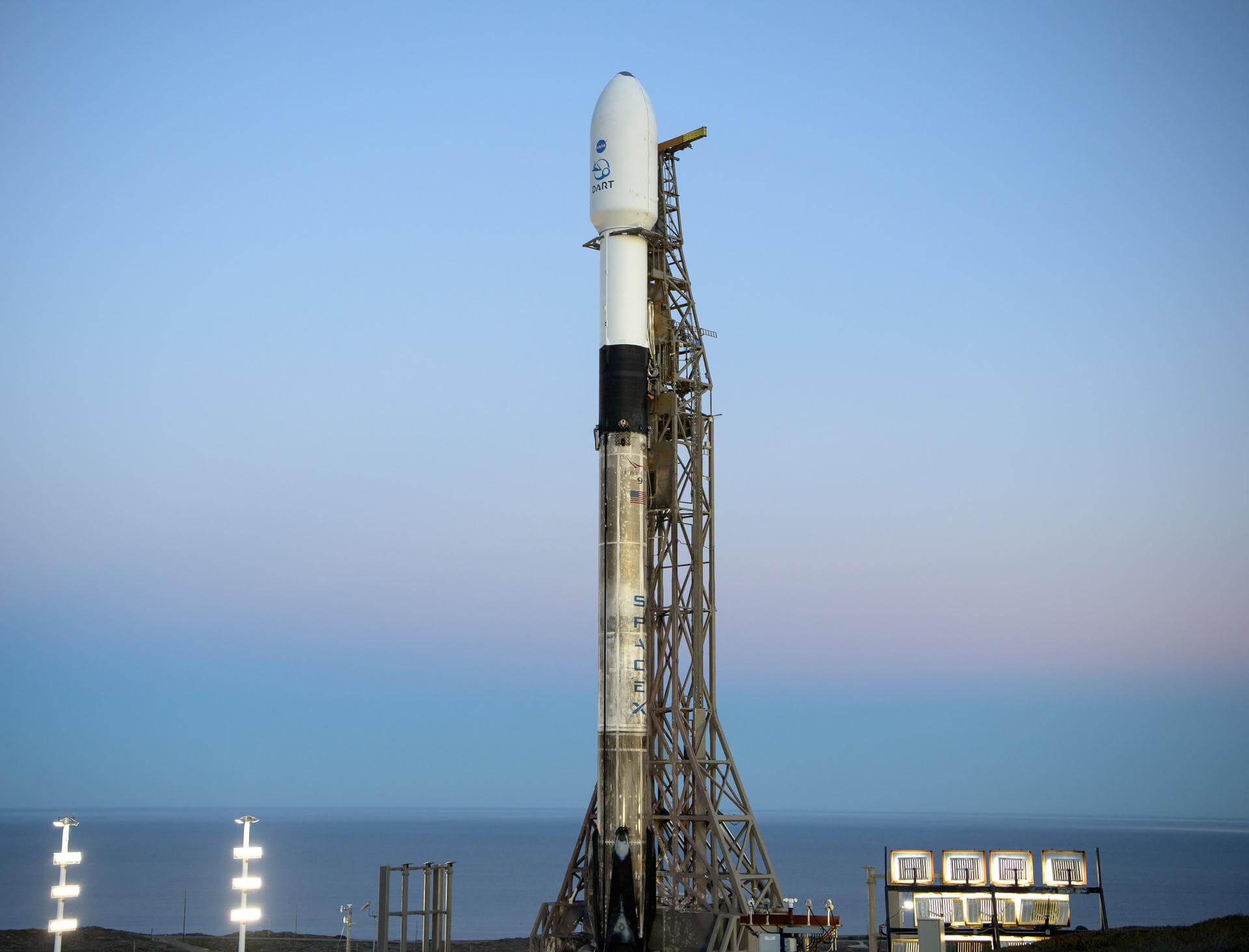
Falcon 9 Block 5 | Double Asteroid Redirection Test (DART)
SpaceX | United States of AmericaVandenberg SFB, CA, USA
Nov. 24, 2021, 6:21 a.m.
Status: Launch Successful
Mission:
Double Asteroid Redirection Test (DART) mission is the first-ever mission to demonstrate the capability to deflect an asteroid by colliding a spacecraft with it at high speed, a technique known as a kinetic impactor. DART is a planetary defense-driven test of one of the technologies for preventing the Earth impact of a hazardous asteroid: the kinetic impactor. DART's primary objective is to demonstrate a kinetic impact on a small asteroid. The binary near-Earth asteroid (65803) Didymos is the target for DART. While Didymos' primary body is approximately 800 meters across, its secondary body has a 150-meter size, which is more typical of the size of asteroids that could pose a more common hazard to Earth. The DART spacecraft will achieve the kinetic impact by deliberately crashing itself into the moonlet at a speed of approximately 6 km/s, with the aid of an onboard camera and sophisticated autonomous navigation software. The collision will change the speed of the moonlet in its orbit around the main body by a fraction of one percent, enough to be measured using telescopes on Earth.
Heliocentric N/A B1063 - Flight Proven ( ) Of Course I Still Love You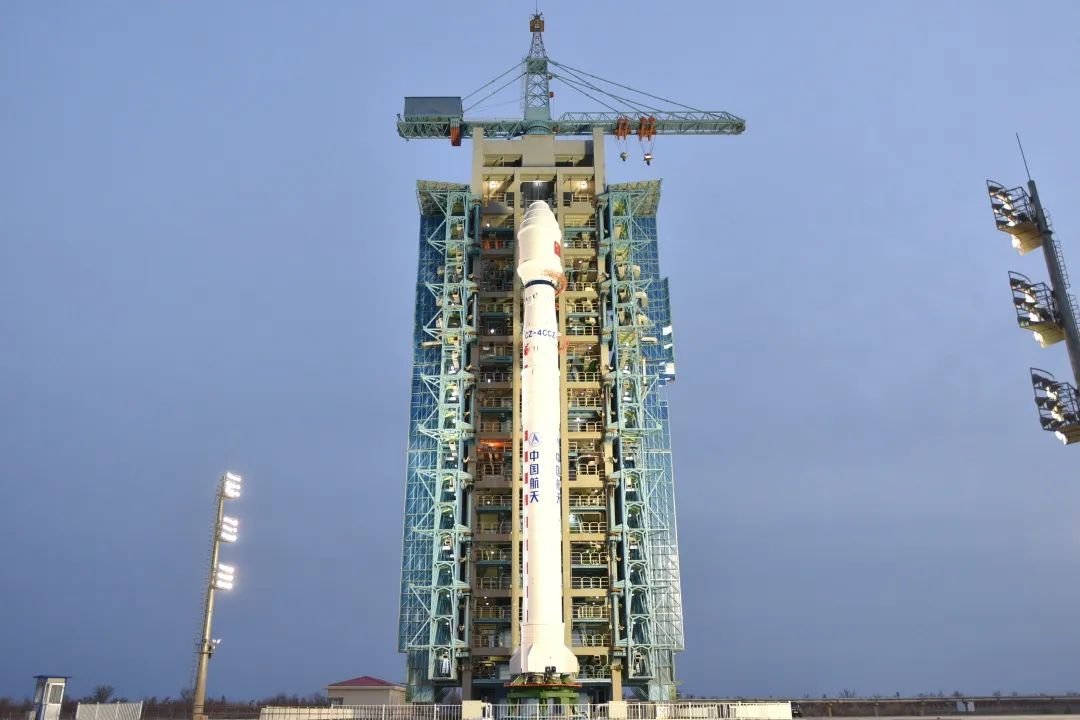
Long March 4C | Gaofen-3 02
China Aerospace Science and Technology Corporation | ChinaJiuquan Satellite Launch Center, People's Republic of China
Nov. 22, 2021, 11:45 p.m.
Status: Launch Successful
Mission:
Gaofen (GF) is a series of Chinese civilian remote sensing satellites for the state-sponsored program China High-definition Earth Observation System (CHEOS). GF 3 features a multi-polarized C-band SAR at meter-level resolution, with designed lifespan of 8 years. The satellite is based on the CS-L3000B bus.
Sun-Synchronous Orbit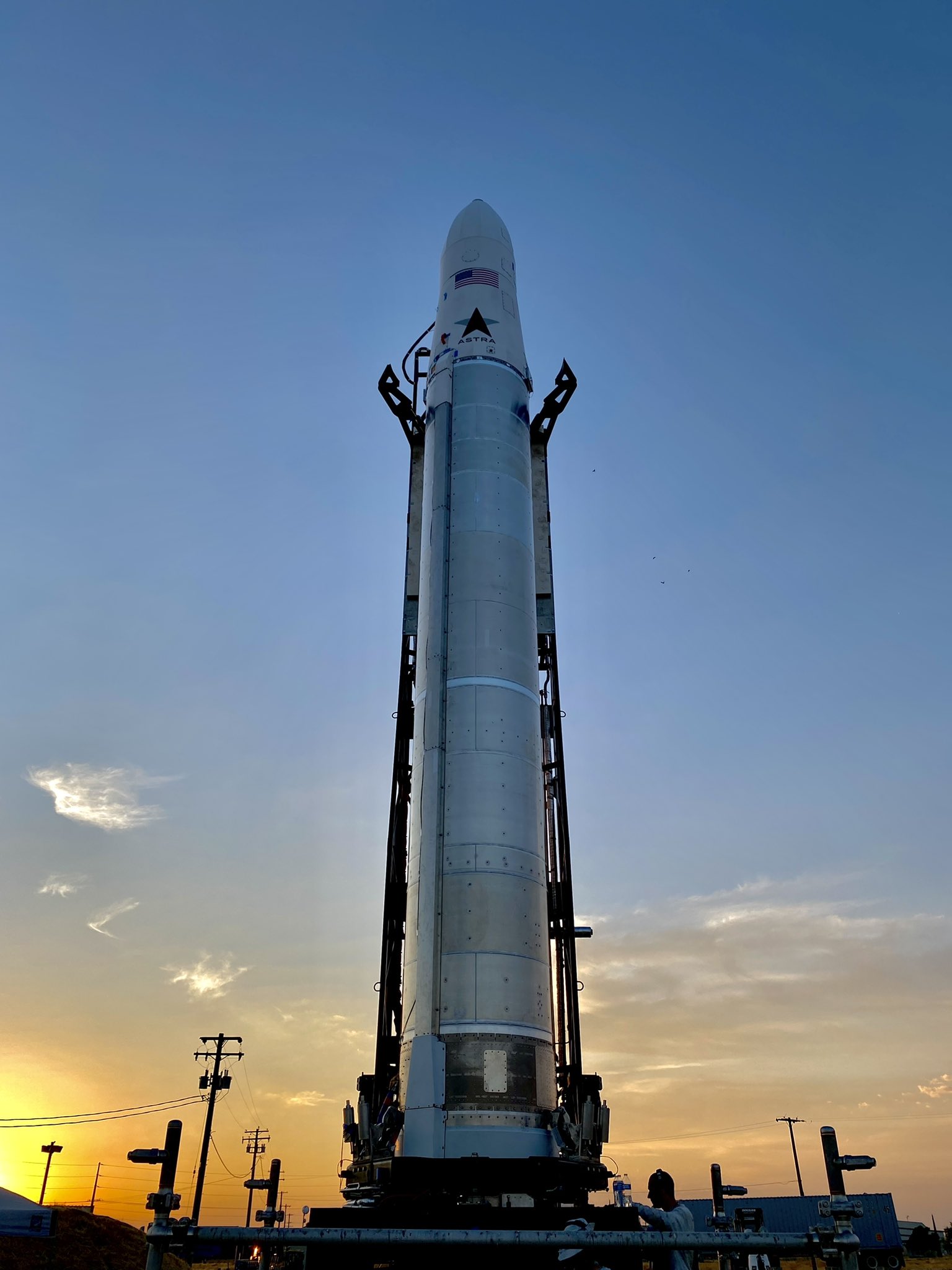
Astra Rocket 3 | STP-27AD2
Astra Space | United States of AmericaPacific Spaceport Complex, Alaska, USA
Nov. 20, 2021, 6:16 a.m.

Long March 4B | Gaofen-11-03
China Aerospace Science and Technology Corporation | ChinaTaiyuan Satellite Launch Center, People's Republic of China
Nov. 20, 2021, 1:51 a.m.
Status: Launch Successful
Mission:
Gaofen is a series of civilian Earth observation satellites developed and launched for the China High-definition Earth Observation System (CHEOS), a state-sponsored programme aimed to develop a near-real time, all-weather, global surveillance network consisting of satellite, near-space (stratosphere) airships, and aerial observation platforms.
Sun-Synchronous Orbit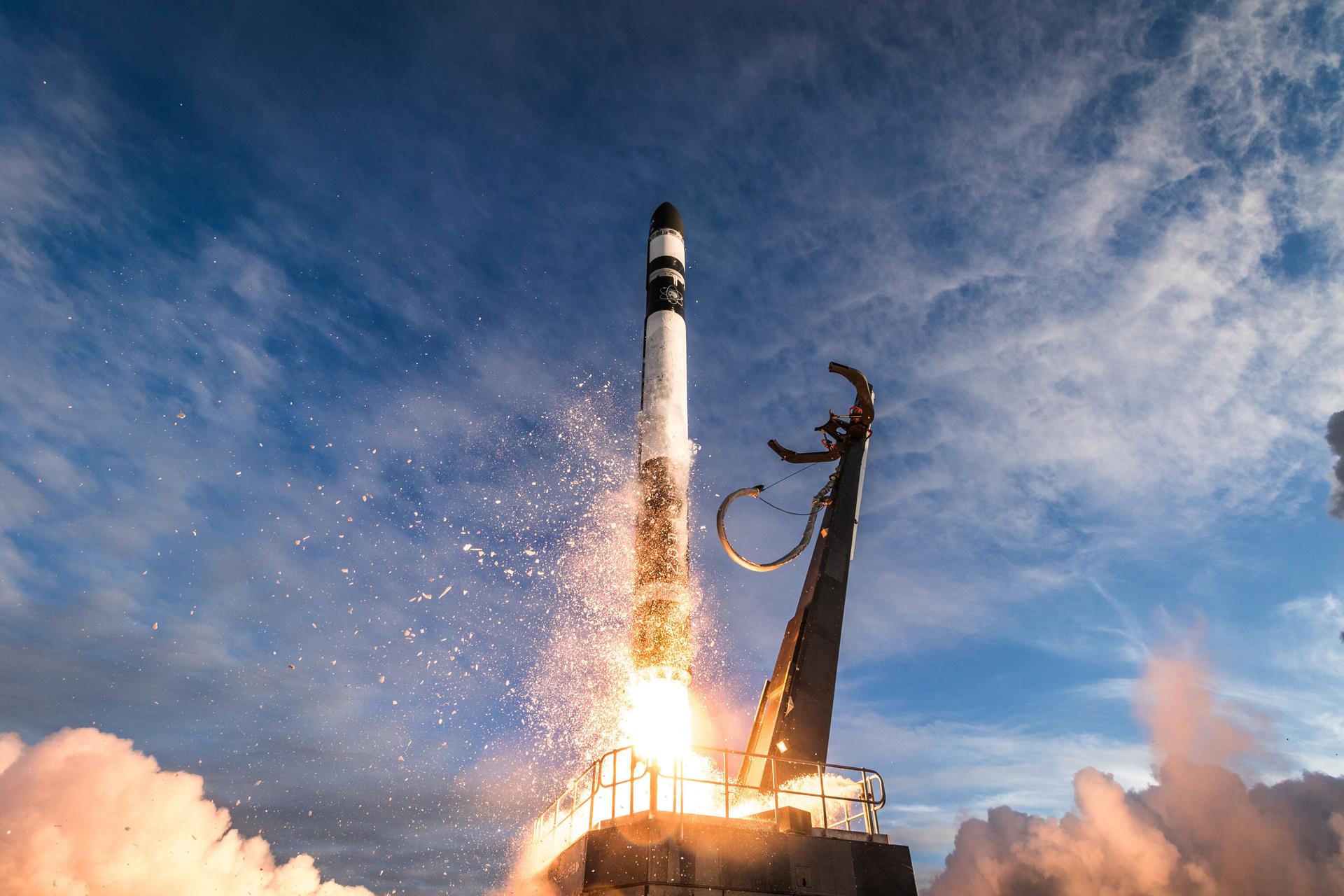
Electron | Love At First Insight (BlackSky 10-11)
Rocket Lab | United States of AmericaRocket Lab Launch Complex 1, Mahia Peninsula, New Zealand
Nov. 18, 2021, 1:38 a.m.

