Previous Spaceflight Launches
Filter by Agency, Locations or Vehicles
Show All Launches
Falcon 9 Block 5 | Starlink Group 17-52
SpaceX | United States of AmericaVandenberg SFB, CA, USA
Aug. 1, 2026, 3:08 a.m.
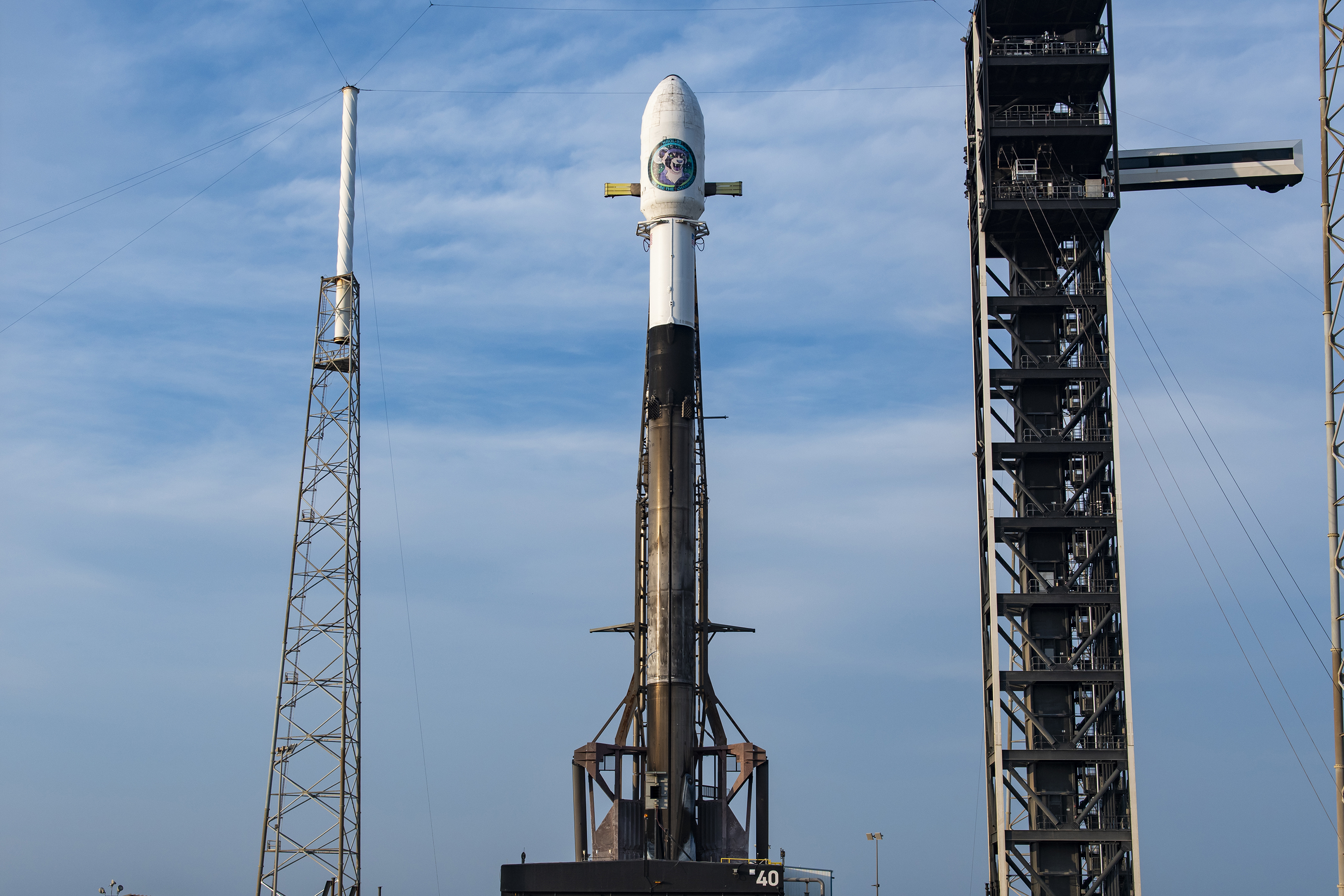
Falcon 9 Block 5 | NROL-95
SpaceX | United States of AmericaCape Canaveral SFS, FL, USA
July 30, 2026, 7:10 a.m.
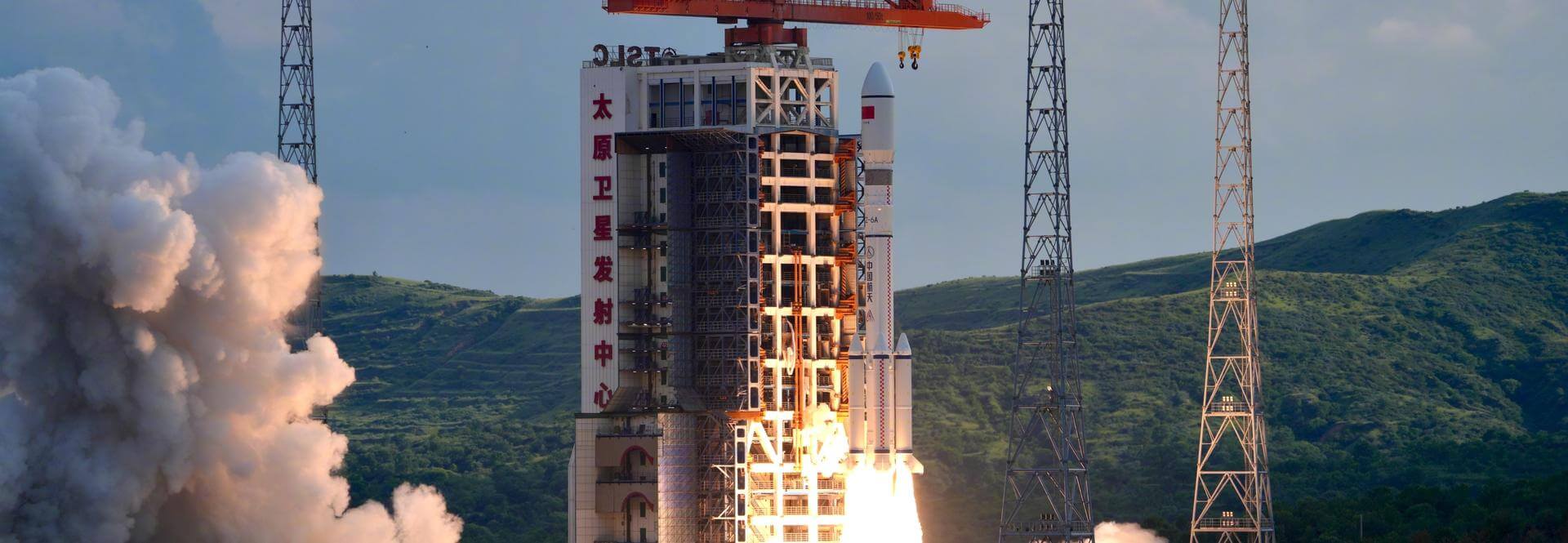
Long March 6A | TJSW-27A & B
China Aerospace Science and Technology Corporation | ChinaTaiyuan Satellite Launch Center, People's Republic of China
July 30, 2026, 1 a.m.
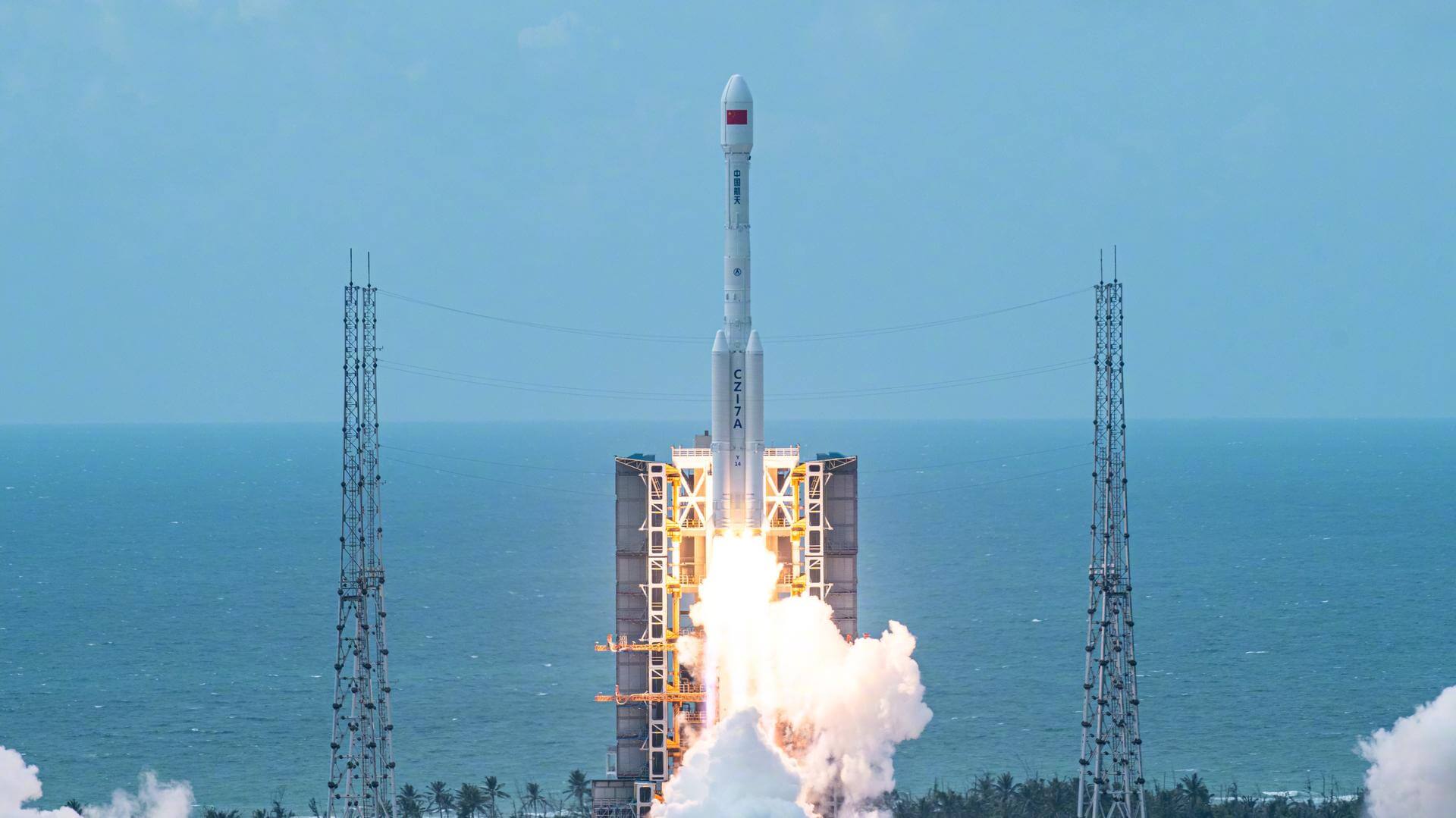
Long March 7A | Tianlian 3-01
China Aerospace Science and Technology Corporation | ChinaWenchang Space Launch Site, People's Republic of China
July 29, 2026, 11:50 a.m.
Status: Launch Successful
Mission:
Tianlian is a Chinese data tracking and relay communications geostationary satellite series. The TL-3 (Tian Lian 3) satellites are the 3rd generation of China's geostationary orbit data relay satellites, based on the DFH-4E geostationary satellite bus. They will be used to support real-time communications between orbiting satellites/rockets in-flight and ground control stations. This system replaces/supplements the current network of ground-based space tracking and telemetry stations and space tracking ships.
Geostationary Transfer OrbitFalcon 9 Block 5 | Starlink Group 17-51
SpaceX | United States of AmericaVandenberg SFB, CA, USA
July 25, 2026, 3:51 p.m.
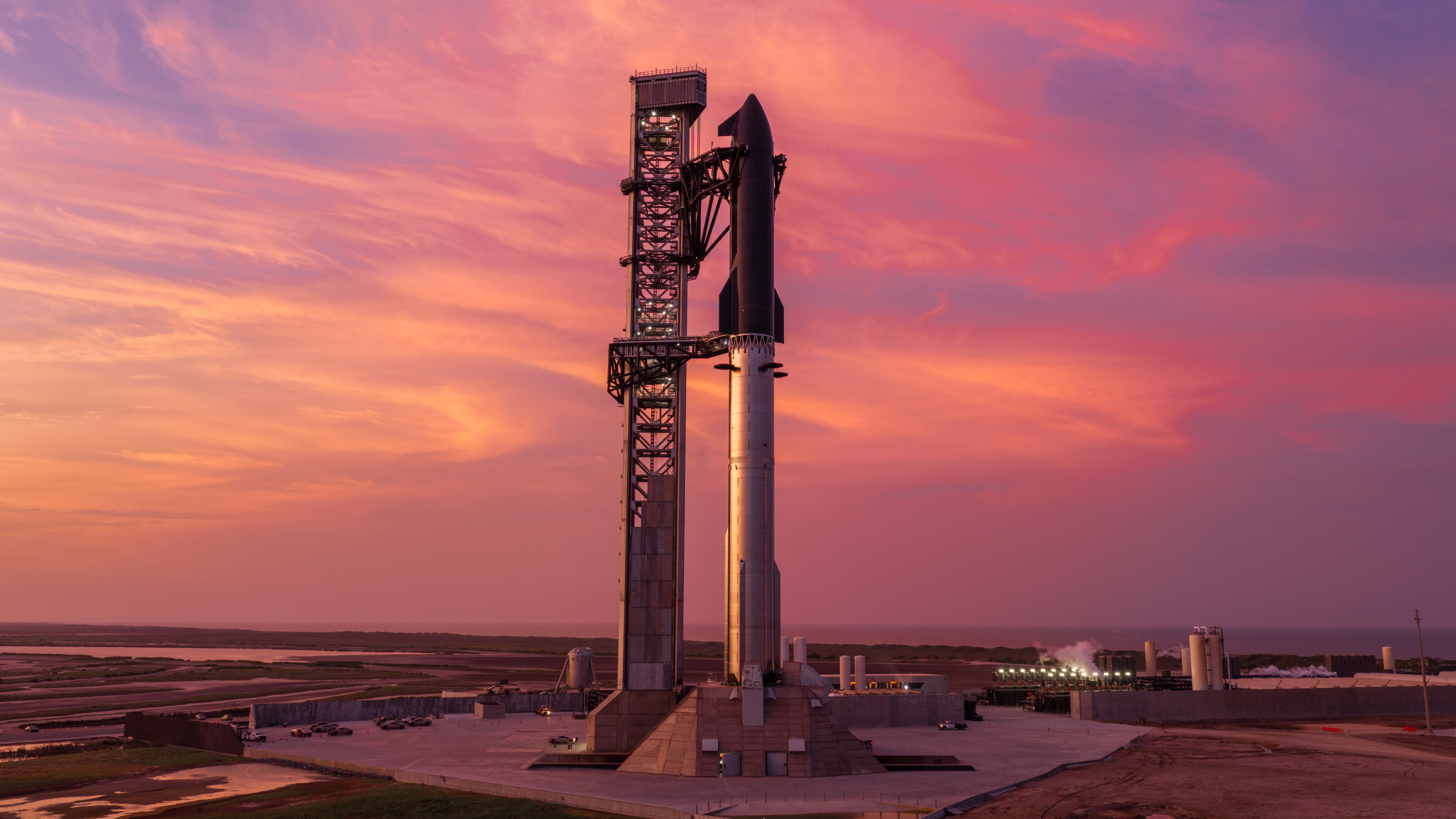
Starship | Flight 13
SpaceX | United States of AmericaSpaceX Starbase, TX, USA
July 24, 2026, 10:51 p.m.
Status: Launch Successful
Mission:
13th test flight of the two-stage Starship launch vehicle. Second flight of Starship V3. For the first time, Starship will carry 20 V3 Starlink satellites to space, which will extend solar arrays and antennas and will attempt to connect with ground stations in South Africa and the larger Starlink constellation via high-capacity lasers. 6 of the satellites have been modified with a suite of cameras to scan Starship’s heat shield and transmit imagery down to operators to continue testing methods of analyzing Starship’s heat shield readiness for return to launch site on future missions. Several tiles on Starship have been painted white to simulate missing tiles and serve as imaging targets in the test.
Suborbital Booster 20 - Maiden Flight Gulf of Mexico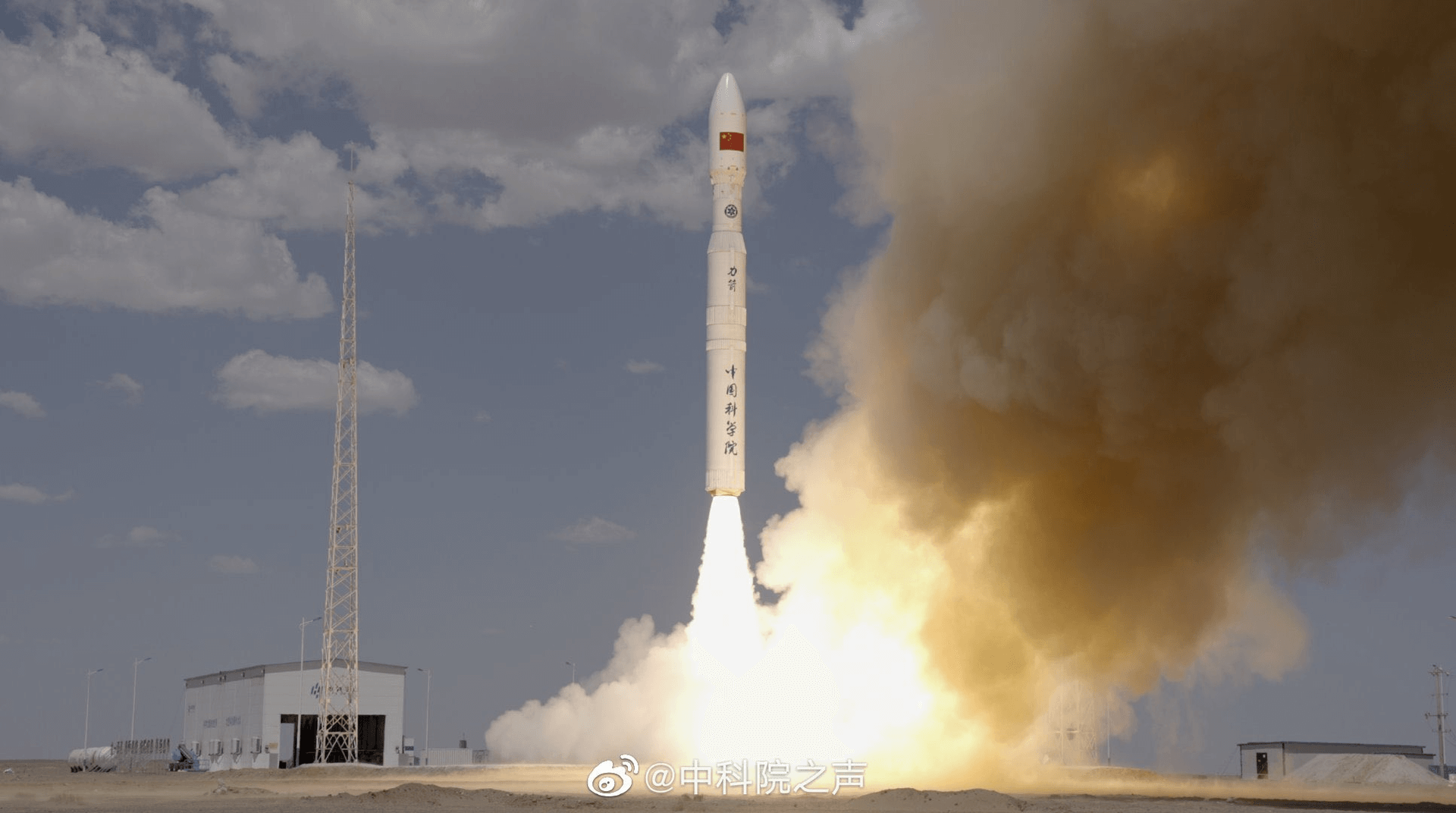
Kinetica 1 | 5 satellites
CAS Space | ChinaJiuquan Satellite Launch Center, People's Republic of China
July 23, 2026, 11:33 p.m.
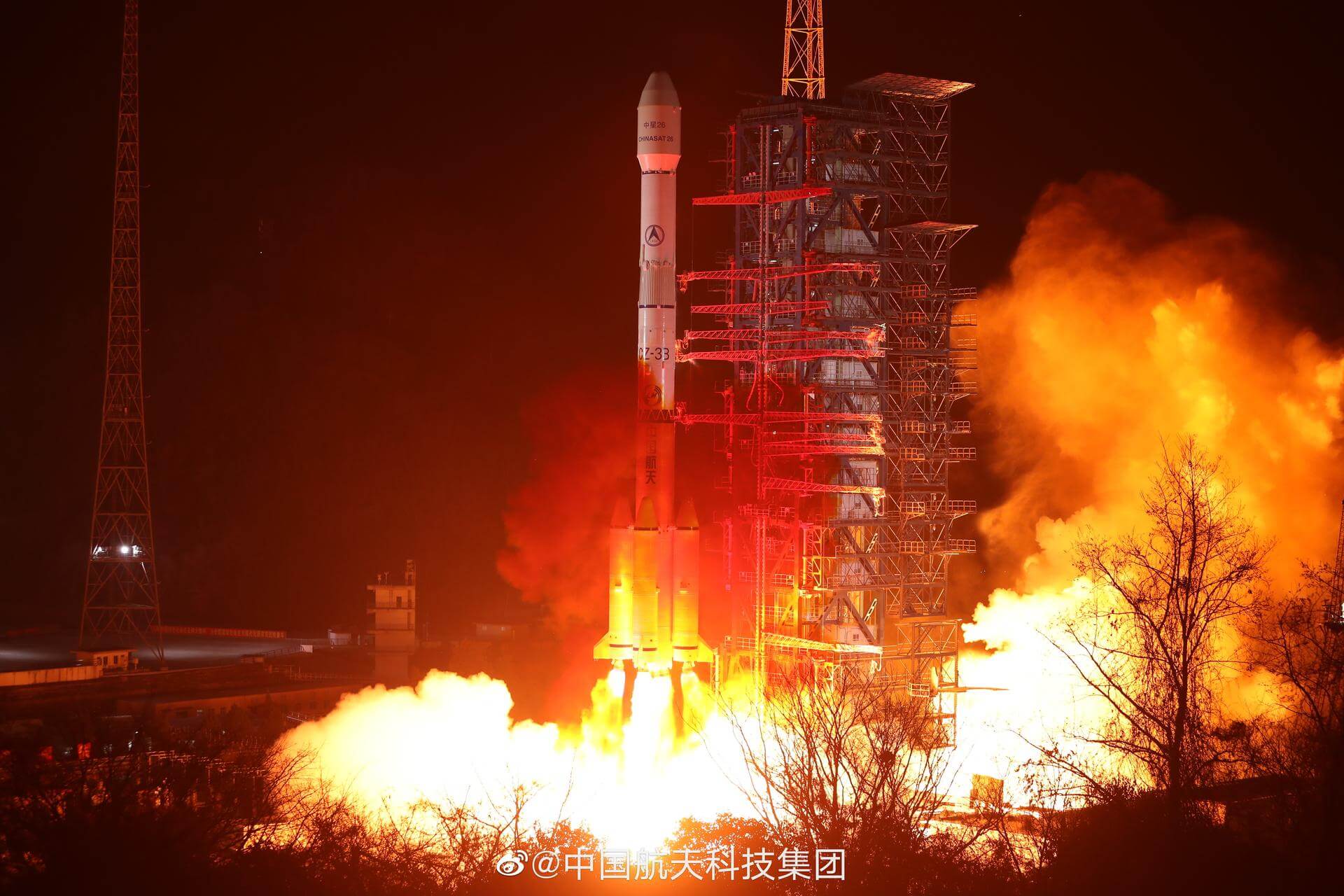
Long March 3B/E | Tianlian 2-06
China Aerospace Science and Technology Corporation | ChinaXichang Satellite Launch Center, People's Republic of China
July 23, 2026, noon
Status: Launch Successful
Mission:
Tianlian is a Chinese data tracking and relay communications geostationary satellite series. The TL 2 (Tian Lian 2) satellites represent the second generation of this relay satellite network, and is based on the DFH-4 Bus, a three-axis-stabilized telecommunications satellite platform. TL 2 will be used to support real-time communications between orbiting satellites and ground control stations. This system will replace the current network of ground-based space tracking and telemetry stations and space tracking ships.
Geostationary Transfer Orbit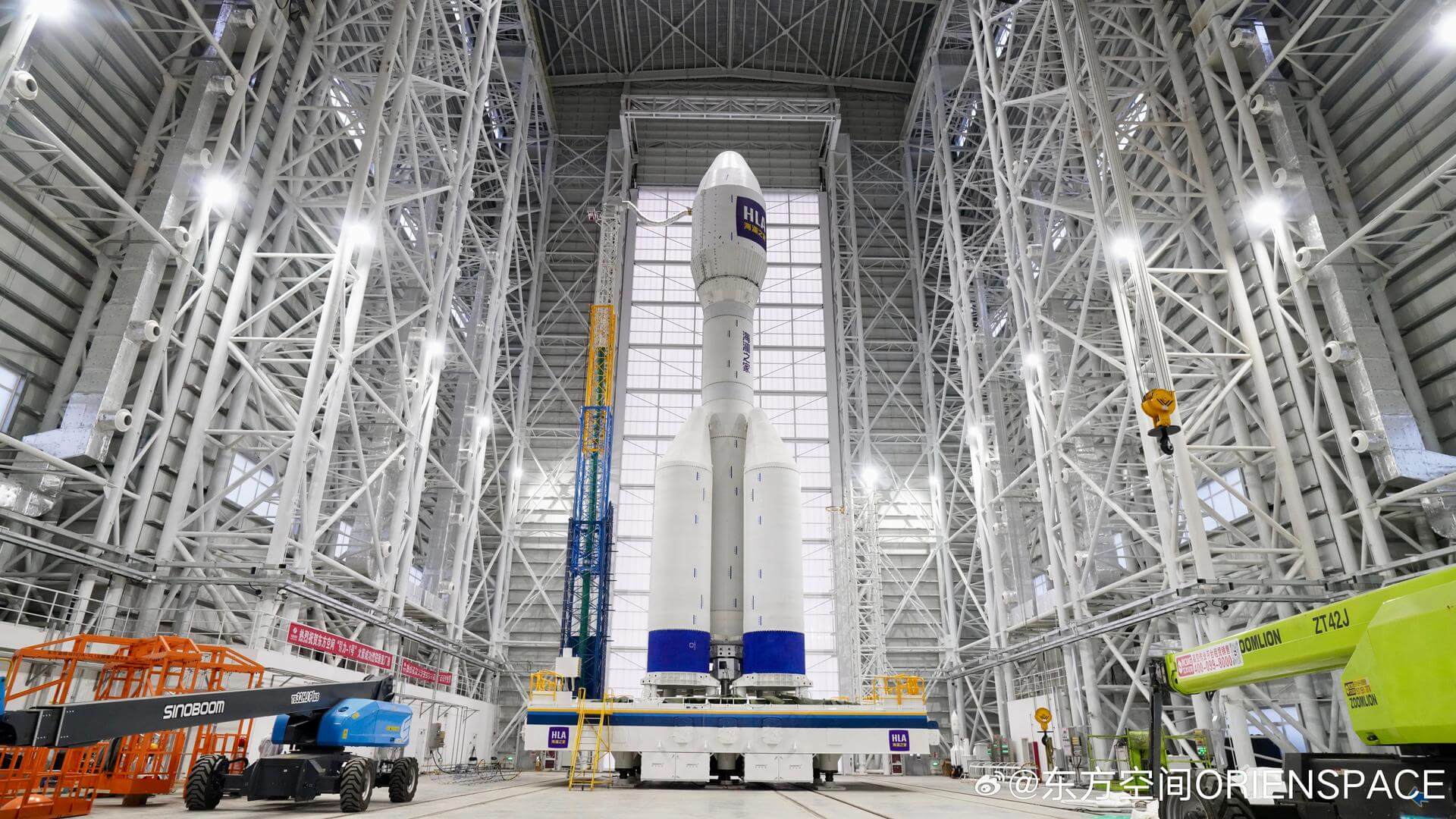
Gravity-1 | 9 satellites
Orienspace Technology | ChinaHaiyang Oriental Spaceport
July 22, 2026, 2:54 a.m.
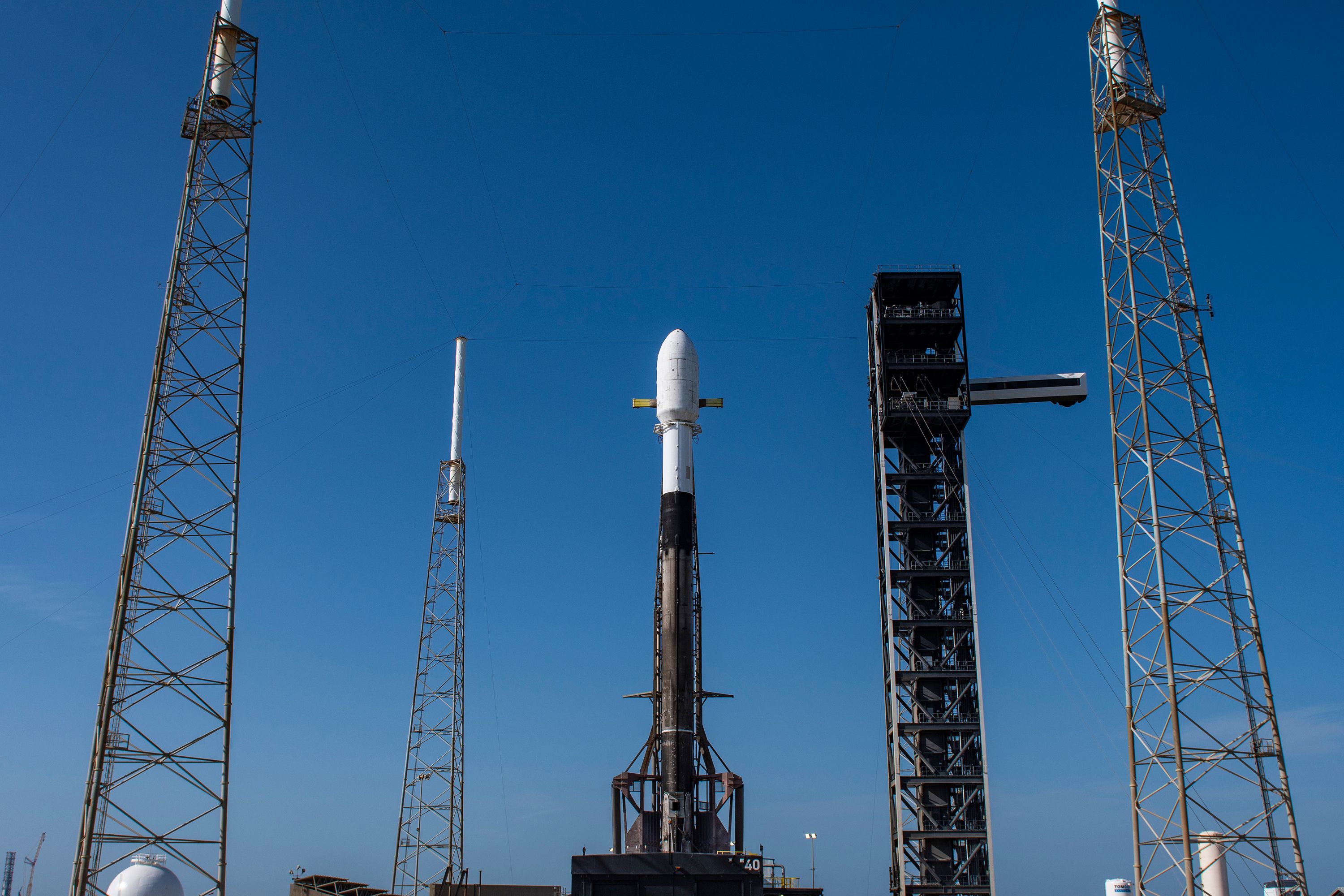
Falcon 9 Block 5 | MRV-1
SpaceX | United States of AmericaCape Canaveral SFS, FL, USA
July 21, 2026, 9:15 p.m.
Status: Launch Successful
Mission:
The Northrop Grumman/SpaceLogistics MRV-1 is a mission extension payload including a mission robotic vehicle (MRV) and multiple mission extension pods (MEPs). The MRV is designed to attach up to 30 MEPs (Mission Extension Pods) to various satellites in GEO over the course of its life, and the MEPs (Mission Extension Pods) are 400 kg spacecraft designed to be captured by the MRV and then attached to a customer's satellite. A single MEP can extend a 2000 kg satellite's service life by up to 6 years. For this mission, 2 of the MEP's will service satellites for Intelsat, while the third will service a satellite for Optus.
Geostationary Transfer Orbit B1069 - Flight Proven ( ) Atlantic Ocean
