Previous Spaceflight Launches
Filter by Agency, Locations or Vehicles
Show All Launches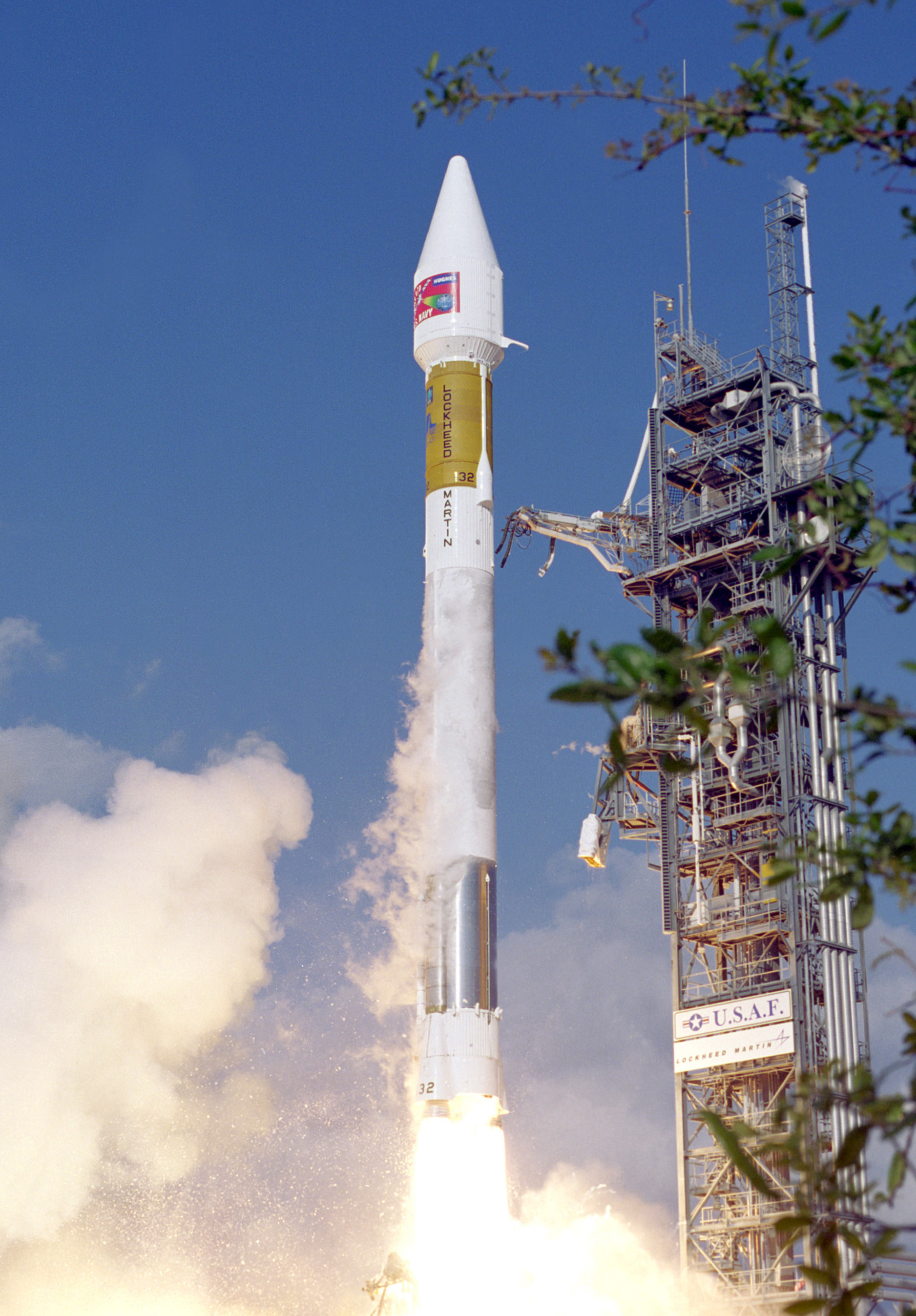
Atlas IIA | AMSC 1
Lockheed Martin | United States of AmericaCape Canaveral SFS, FL, USA
April 7, 1995, 11:47 p.m.
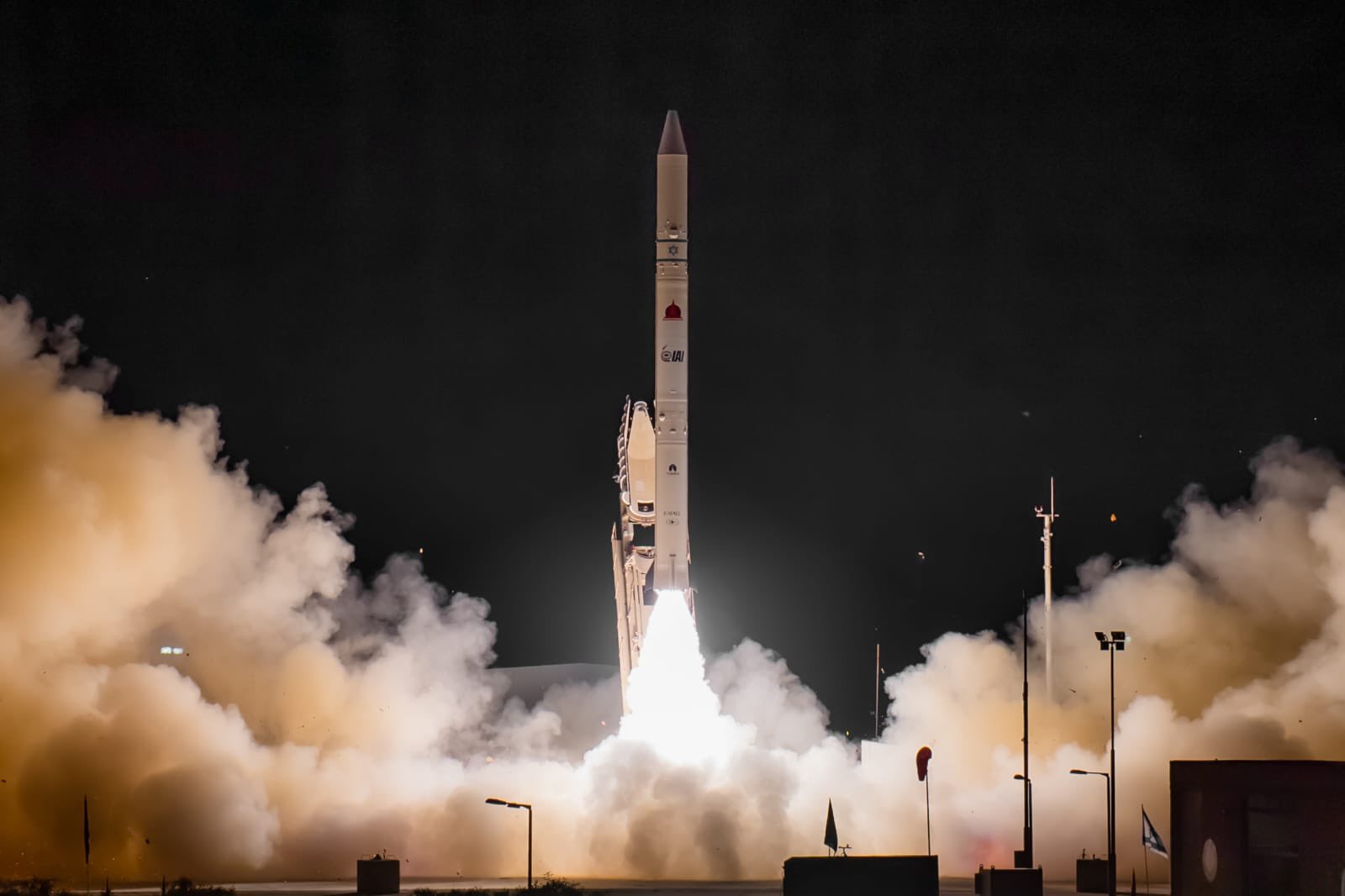
Shavit-2 | Ofeq-3
Israel Aerospace Industries | IsraelPalmachim Airbase, State of Israel
April 5, 1995, 11:16 a.m.
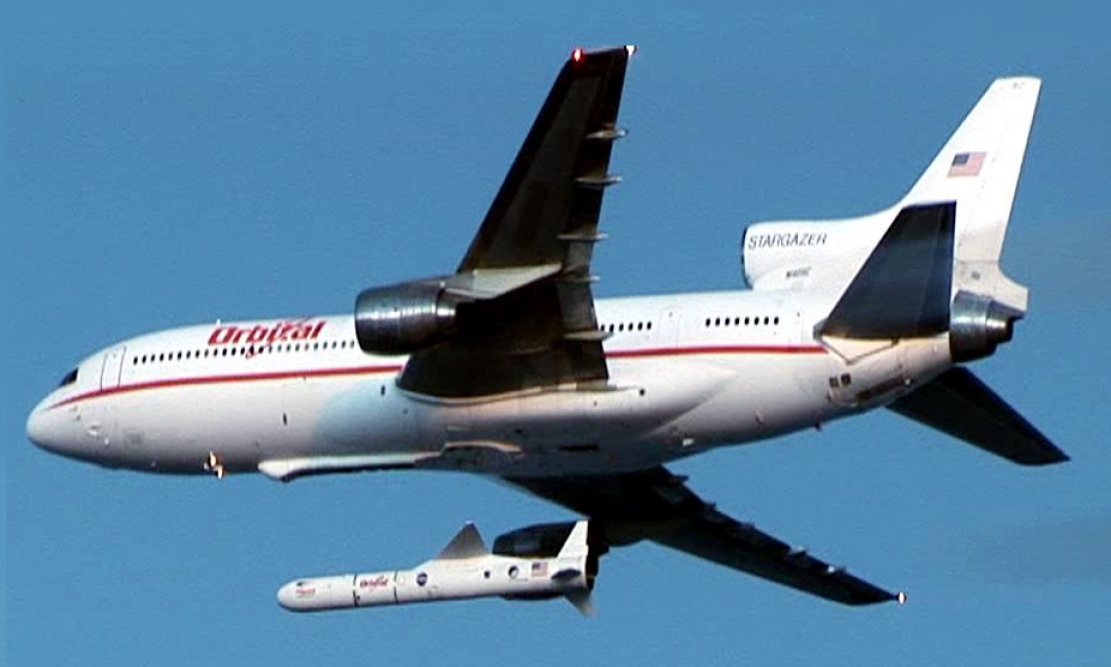
Pegasus Hybrid | Orbcomm F1 - F2 & OrbView-1
Orbital Sciences Corporation | United States of AmericaAir launch to orbit
April 3, 1995, 1:48 p.m.
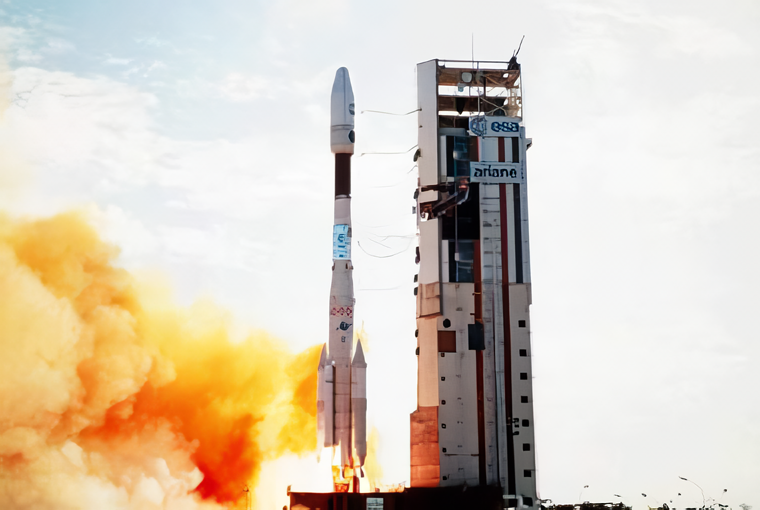
Ariane 44LP | Brasilsat B2 & Hotbird 1
Aérospatiale | FranceGuiana Space Centre, French Guiana
March 28, 1995, 11:14 p.m.

Start | Gurwin-1
Moscow Institute of Thermal Technology | RussiaPlesetsk Cosmodrome, Russian Federation
March 28, 1995, 10 a.m.
Atlas E | DMSP-5D2 F13
Convair | United States of AmericaVandenberg SFB, CA, USA
March 24, 1995, 2:05 p.m.
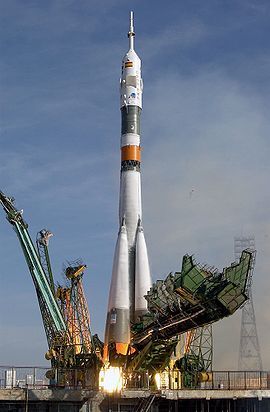
Soyuz-U-PVB | Yantar-4K2 73
Progress Rocket Space Center | RussiaPlesetsk Cosmodrome, Russian Federation
March 22, 1995, 4:44 p.m.
Atlas IIAS | INTELSAT 705
Lockheed Martin | United States of AmericaCape Canaveral SFS, FL, USA
March 22, 1995, 6:18 a.m.
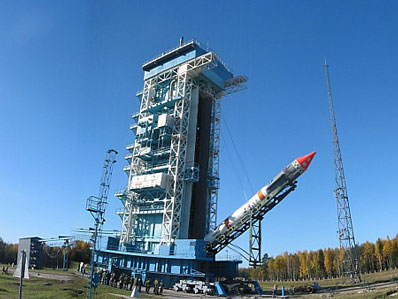
Kosmos-3M | Parus 83
Russian Space Forces | RussiaPlesetsk Cosmodrome, Russian Federation
March 22, 1995, 4:09 a.m.
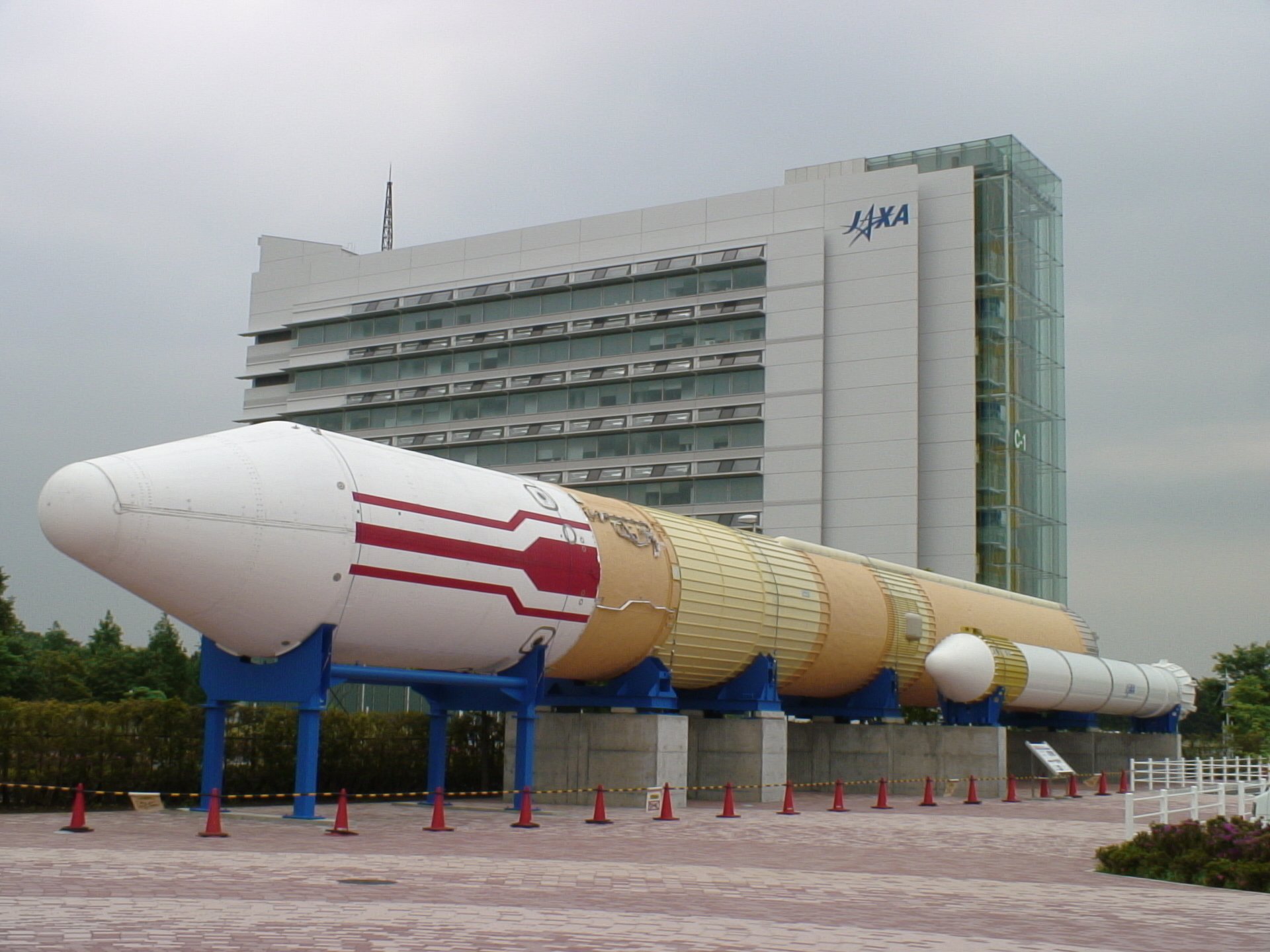
H-II | SFU & Himawari 5
Mitsubishi Heavy Industries | JapanTanegashima Space Center, Japan
March 18, 1995, 8:01 a.m.
Status: Launch Successful
Mission:
SFU (Space Flyer Unit) was a Japanese space laboratory launched by the same H-2 + SSB rocket that launched GMS 5. It carried an infrared telescope (IRTS), and instruments and supplies for microgravity experiments. Himawari 5 was a Japanese geostationary meteorological satellite built by Hughes Space and Communications.
Low Earth Orbit
