Previous Spaceflight Launches
Filter by Agency, Locations or Vehicles
Show All Launches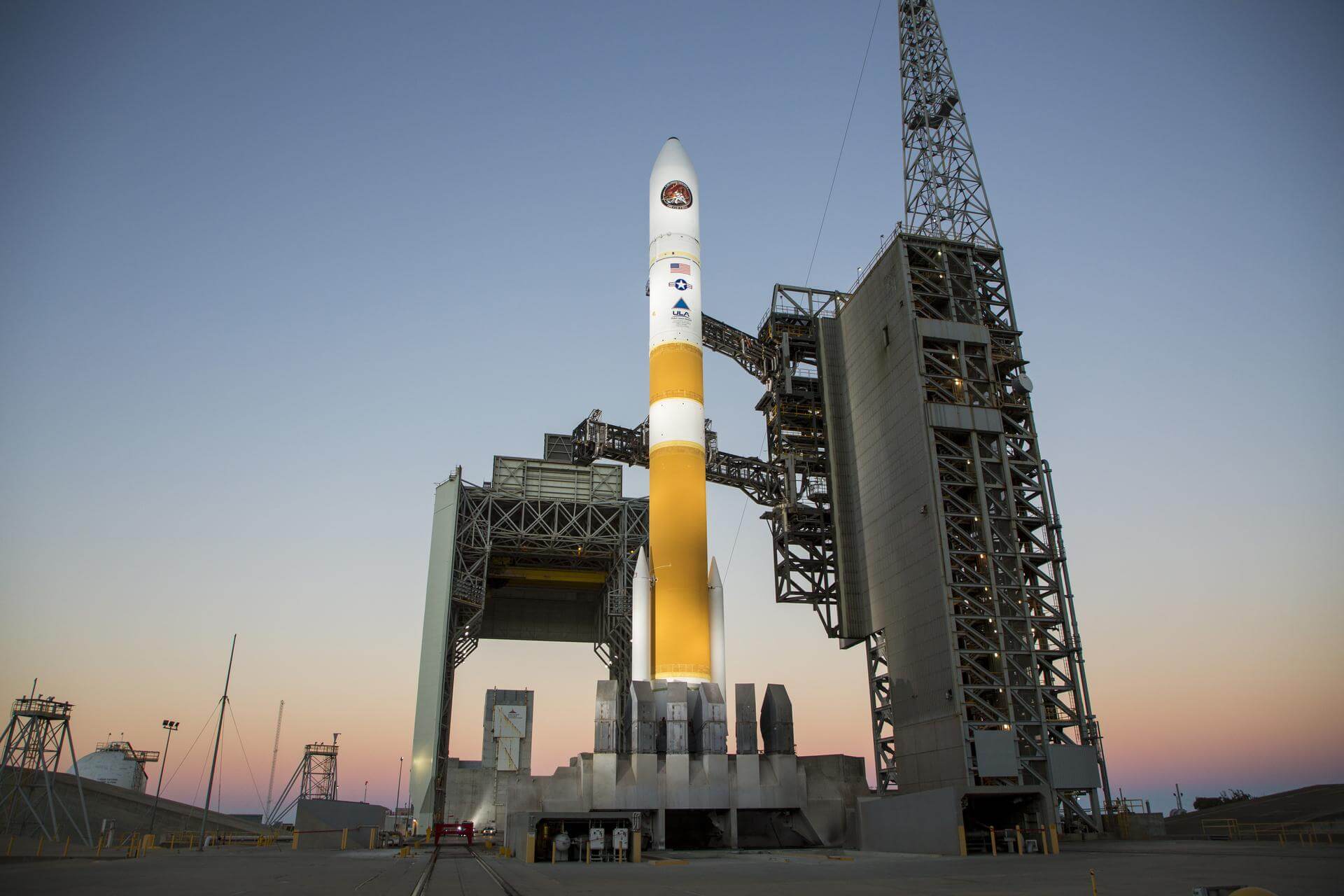
Delta IV M+(5,2) | NROL-25 (FIA-R) (USA-234)
United Launch Alliance | United States of AmericaVandenberg SFB, CA, USA
April 3, 2012, 11:12 p.m.
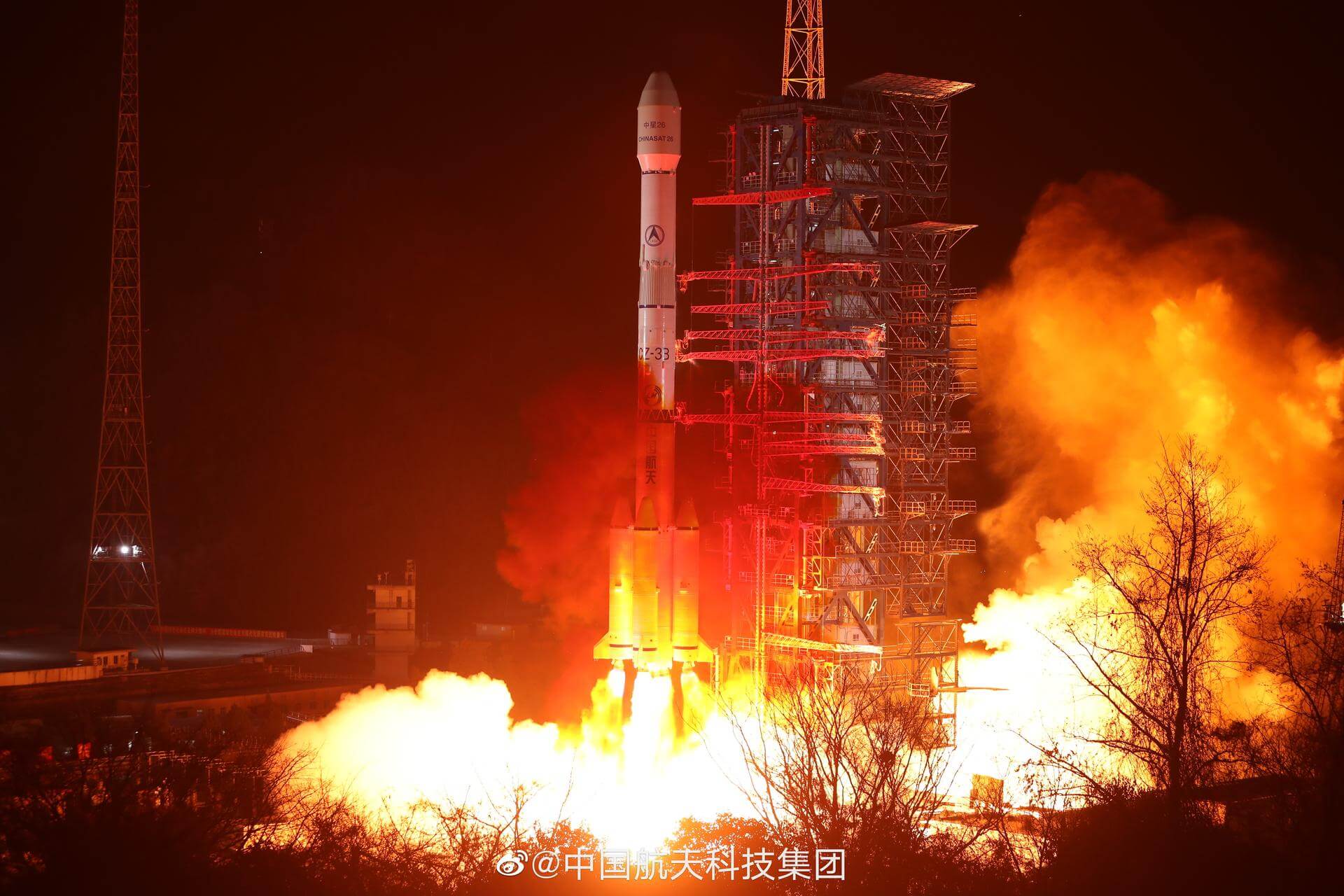
Long March 3B/E | APStar-7
China Aerospace Science and Technology Corporation | ChinaXichang Satellite Launch Center, People's Republic of China
March 31, 2012, 10:27 a.m.
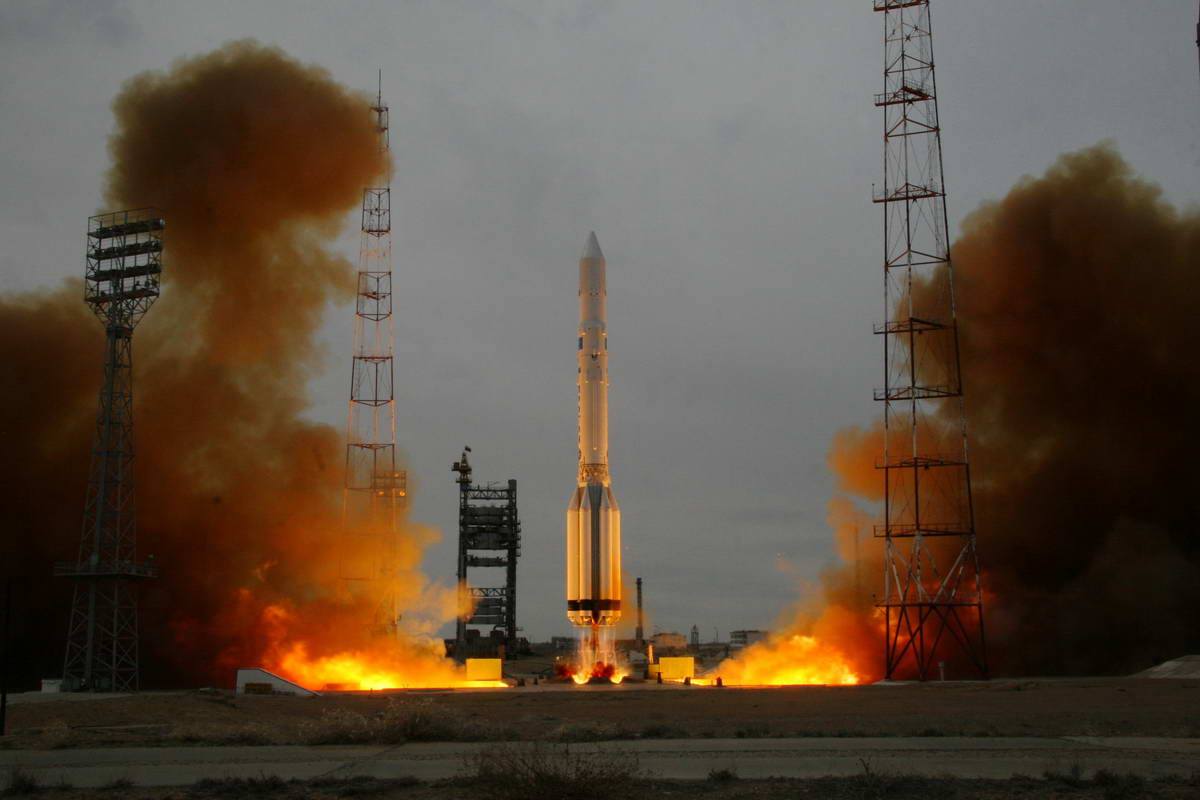
Proton-K/DM-2 | US-KMO (Kosmos-2479)
Khrunichev State Research and Production Space Center | RussiaBaikonur Cosmodrome, Republic of Kazakhstan
March 30, 2012, 5:49 a.m.
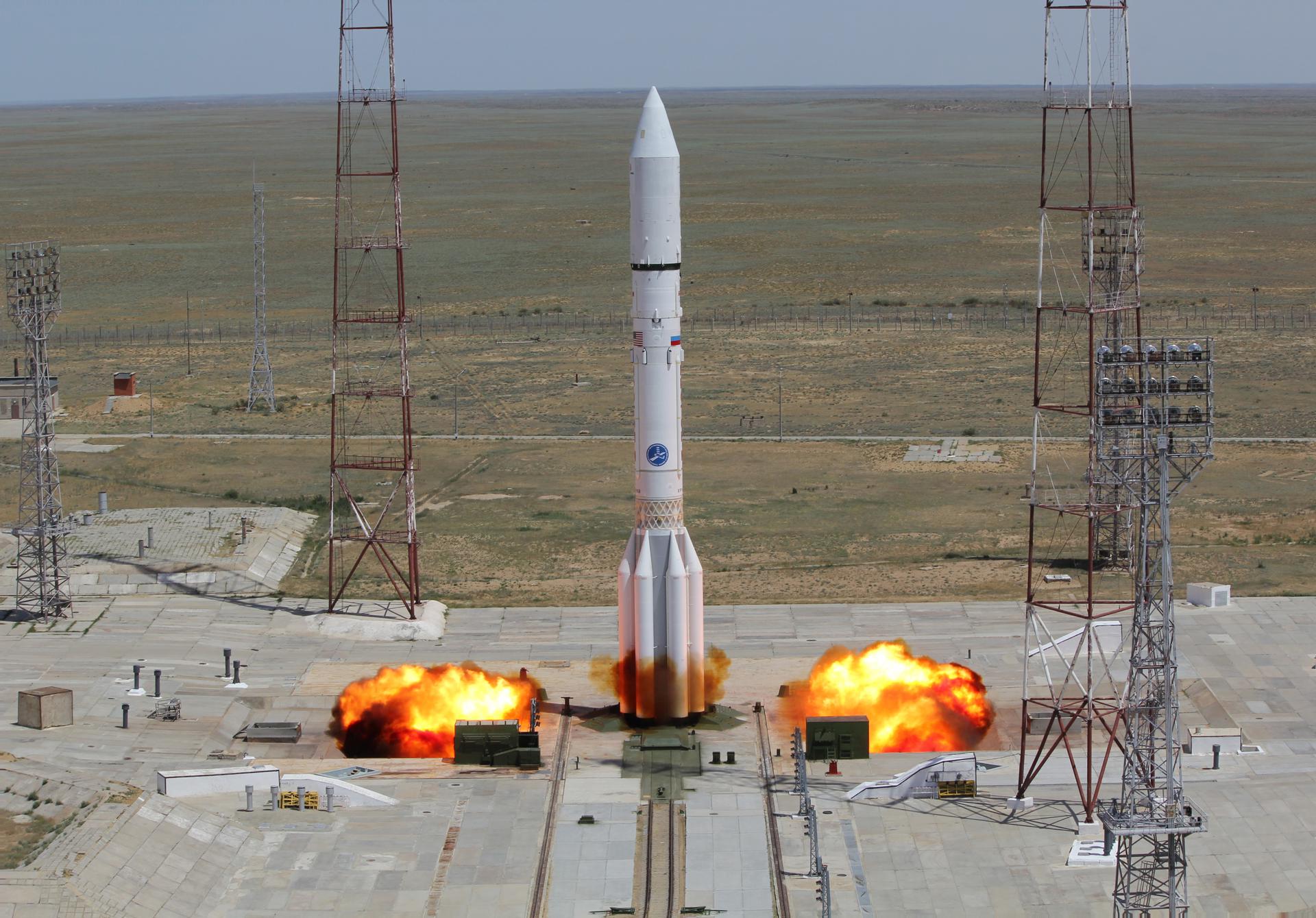
Proton-M / Briz-M Enhanced | Intelsat 22
Khrunichev State Research and Production Space Center | RussiaBaikonur Cosmodrome, Republic of Kazakhstan
March 25, 2012, 12:10 p.m.
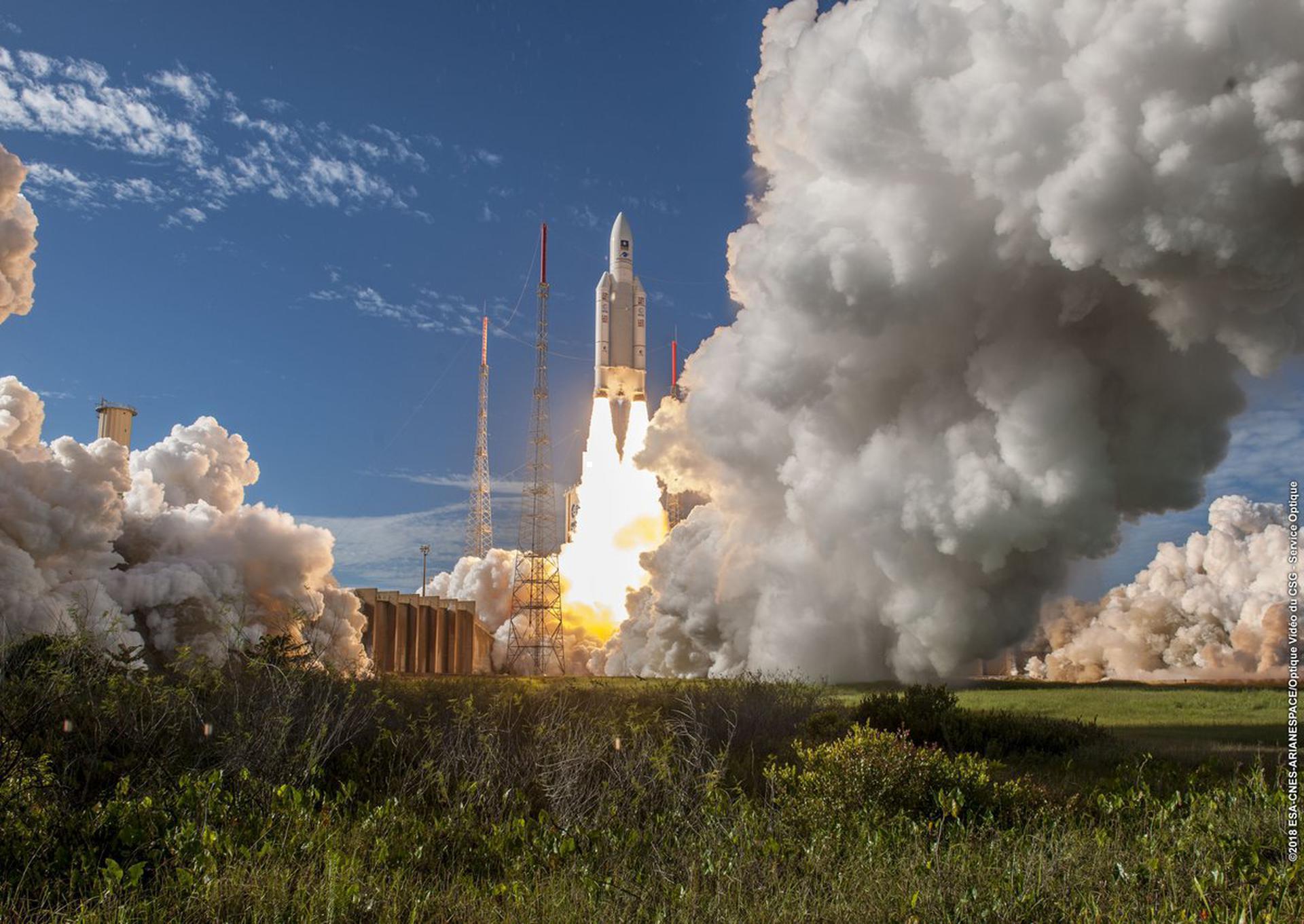
Ariane 5 ES | Edoardo Amaldi ATV (ATV-003)
ArianeGroup | FranceGuiana Space Centre, French Guiana
March 23, 2012, 4:34 a.m.
Status: Launch Successful
Mission:
ATV-3 is the Automated Transfer Vehicle operated by the European Space Agency (ESA) to resupply the international space station (ISS) with propellant, water, air and dry cargo. After 5 days in orbit it docked to the ISS on 23rd March 2012.
Low Earth Orbit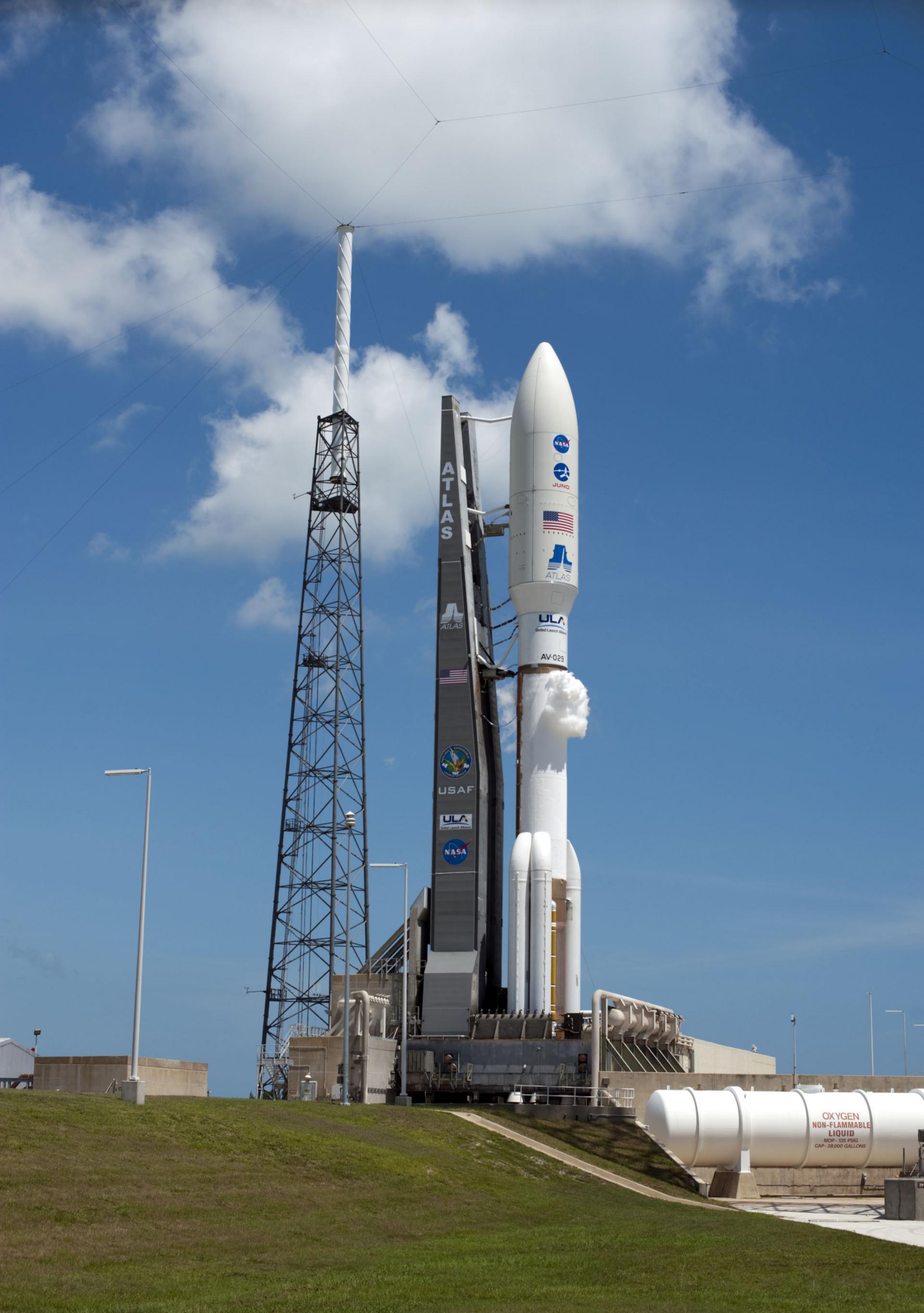
Atlas V 551 | MUOS-1
United Launch Alliance | United States of AmericaCape Canaveral SFS, FL, USA
Feb. 24, 2012, 10:15 p.m.
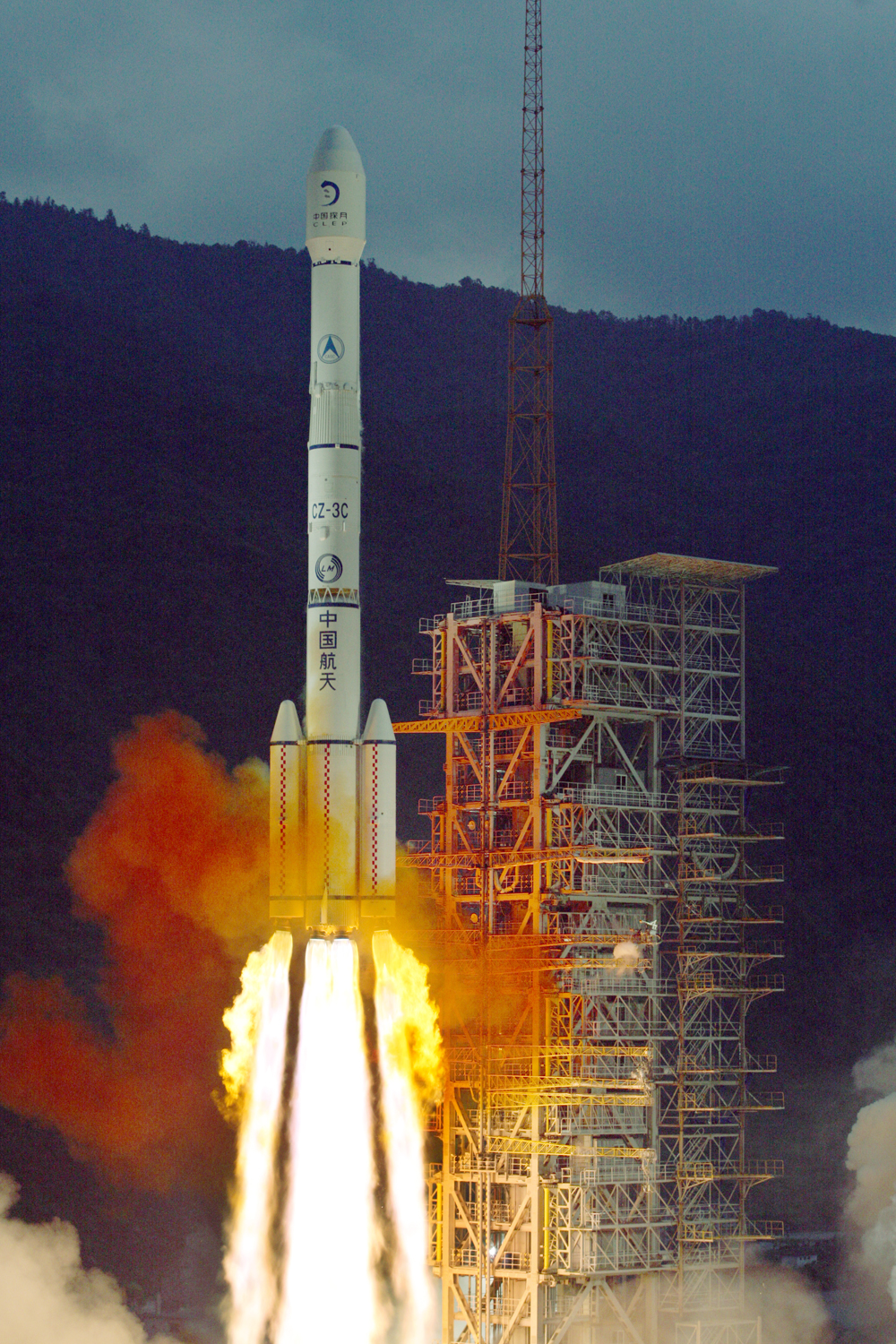
Long March 3C | Compass-G5
China Aerospace Science and Technology Corporation | ChinaXichang Satellite Launch Center, People's Republic of China
Feb. 24, 2012, 4:12 p.m.
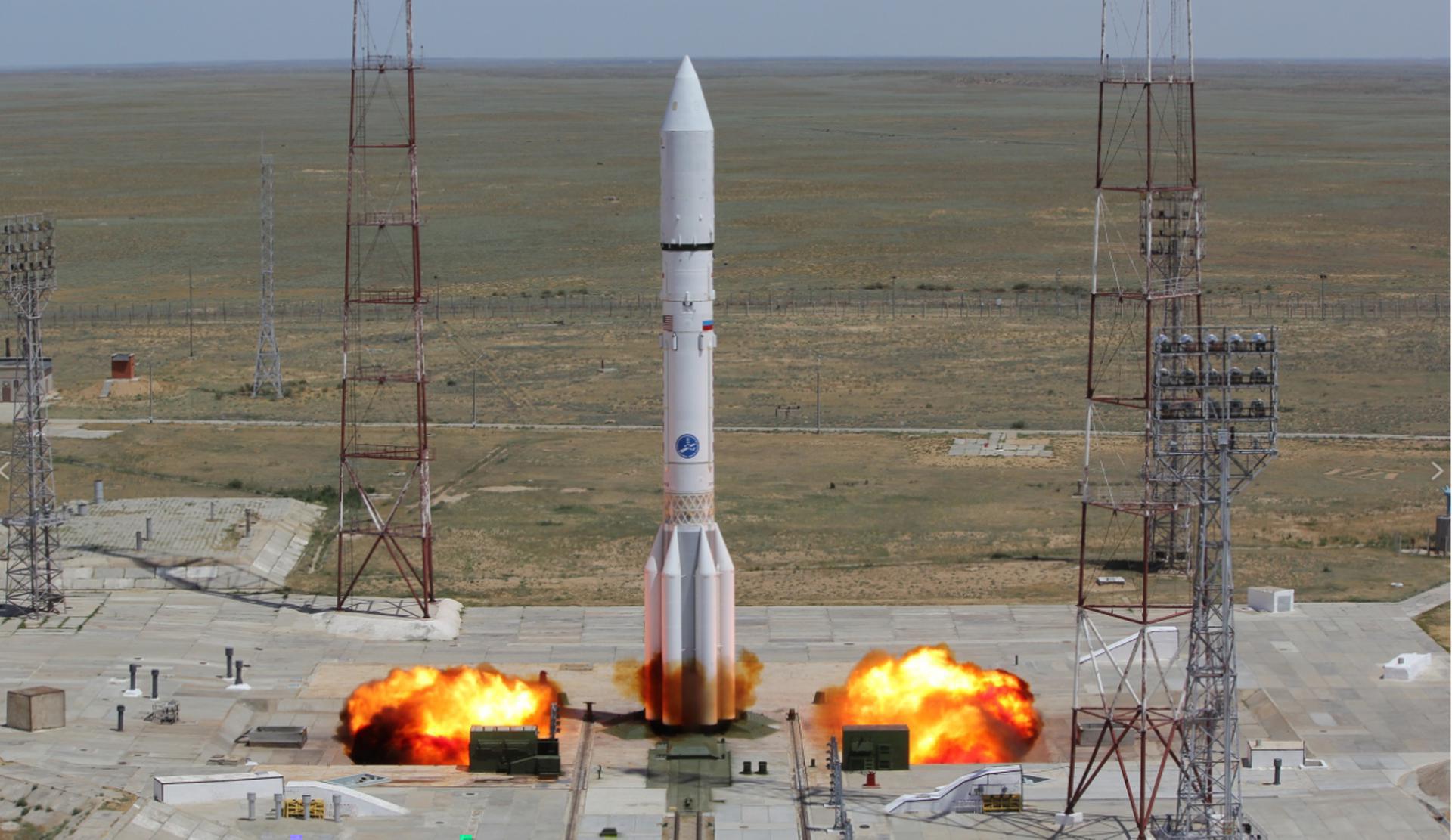
Proton-M Briz-M | SES-4
Khrunichev State Research and Production Space Center | RussiaBaikonur Cosmodrome, Republic of Kazakhstan
Feb. 14, 2012, 7:36 p.m.
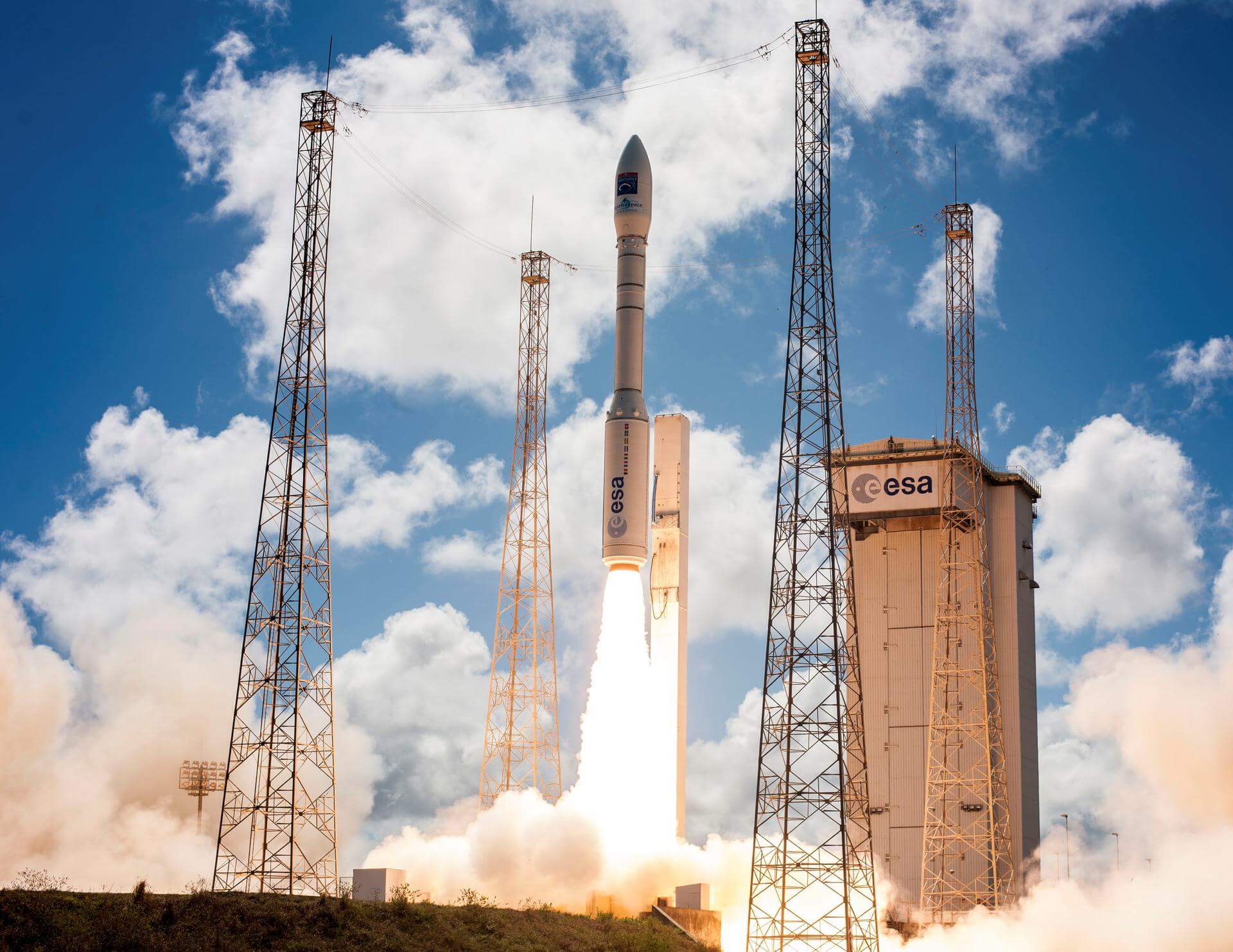
Vega | Multipayload mission, 9 satellites
Avio S.p.A | ItalyGuiana Space Centre, French Guiana
Feb. 13, 2012, 10 a.m.

Safir | Navid
Iranian Space Agency | IranSemnan Space Center, Islamic Republic of Iran
Feb. 3, 2012, 12:04 a.m.

