Previous Spaceflight Launches
Filter by Agency, Locations or Vehicles
Show All Launches
Trailblazer 2 | Trailblazer Pellet
National Aeronautics and Space Administration | United States of AmericaWallops Flight Facility, Virginia, USA
Feb. 14, 1967, 5:52 a.m.
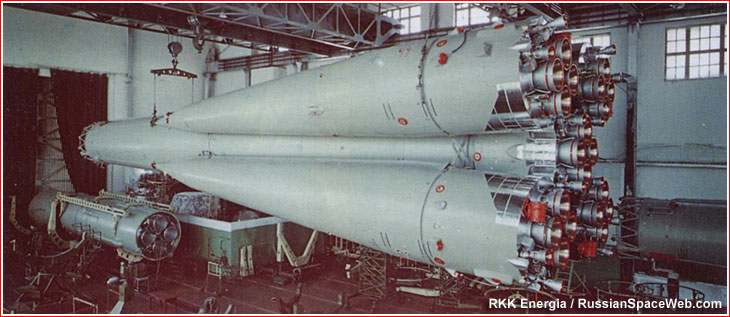
Voskhod | Zenit-4 26
Soviet Space Program | RussiaPlesetsk Cosmodrome, Russian Federation
Feb. 8, 1967, 10:19 a.m.
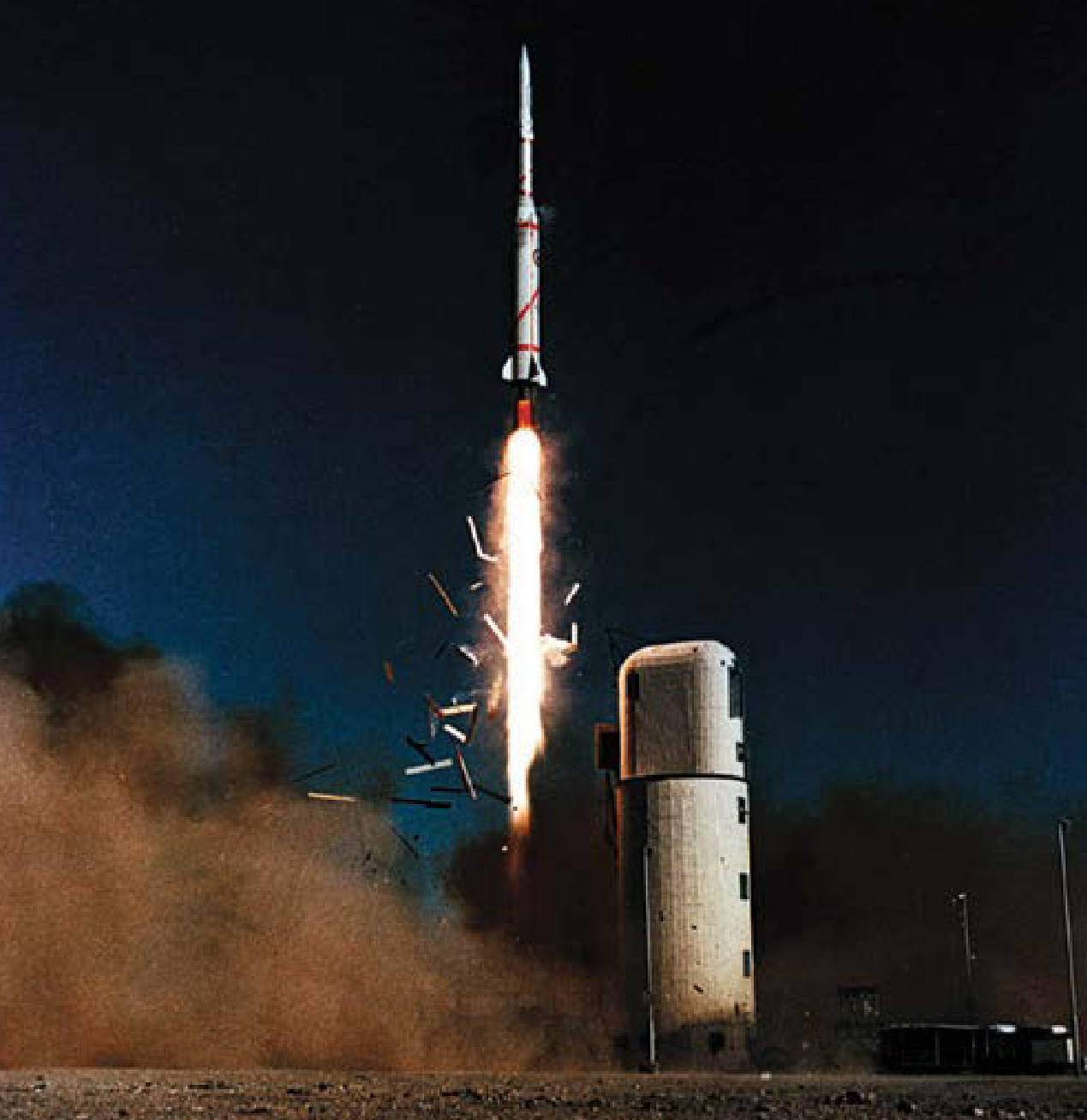
Diamant A | Diademe D-1C
Société d'étude et de réalisation d'engins balistiques | FranceInterarmy Special Vehicles Test Centre, French Algeria
Feb. 8, 1967, 9:39 a.m.
Thor Burner 2 | DSAP-4A F2
McDonnell Douglas | United States of AmericaVandenberg SFB, CA, USA
Feb. 8, 1967, 8 a.m.
Soyuz | Kosmos 140
Russian Federal Space Agency (ROSCOSMOS) | RussiaBaikonur Cosmodrome, Republic of Kazakhstan
Feb. 7, 1967, 3:20 a.m.

Atlas SLV-3 Agena D | Lunar Orbiter 3
Convair | United States of AmericaCape Canaveral SFS, FL, USA
Feb. 5, 1967, 1:17 a.m.
Atlas SLV-3 Agena D | KH-7 36
Convair | United States of AmericaVandenberg SFB, CA, USA
Feb. 2, 1967, 8 p.m.
Status: Launch Successful
Mission:
The Program 206 satellite, carrying the KH-7 (Keyhole 7) camera system (codenamed Gambit-1), was the first successful high resolution space reconnaissance program. It was managed by NRO's Program A, the USAF-led segment of the National Reconnaissance Program managed from Los Angeles AFB in El Segundo, California.
Sun-Synchronous Orbit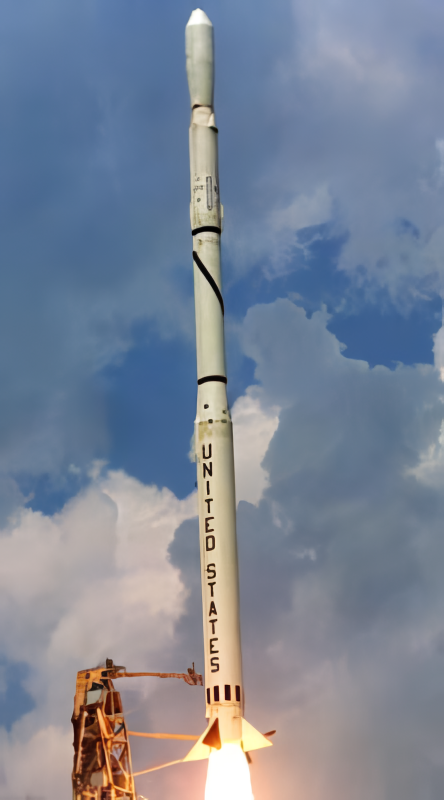
Scout B | OV3-5
Vought | United States of AmericaVandenberg SFB, CA, USA
Jan. 31, 1967, 12:45 p.m.
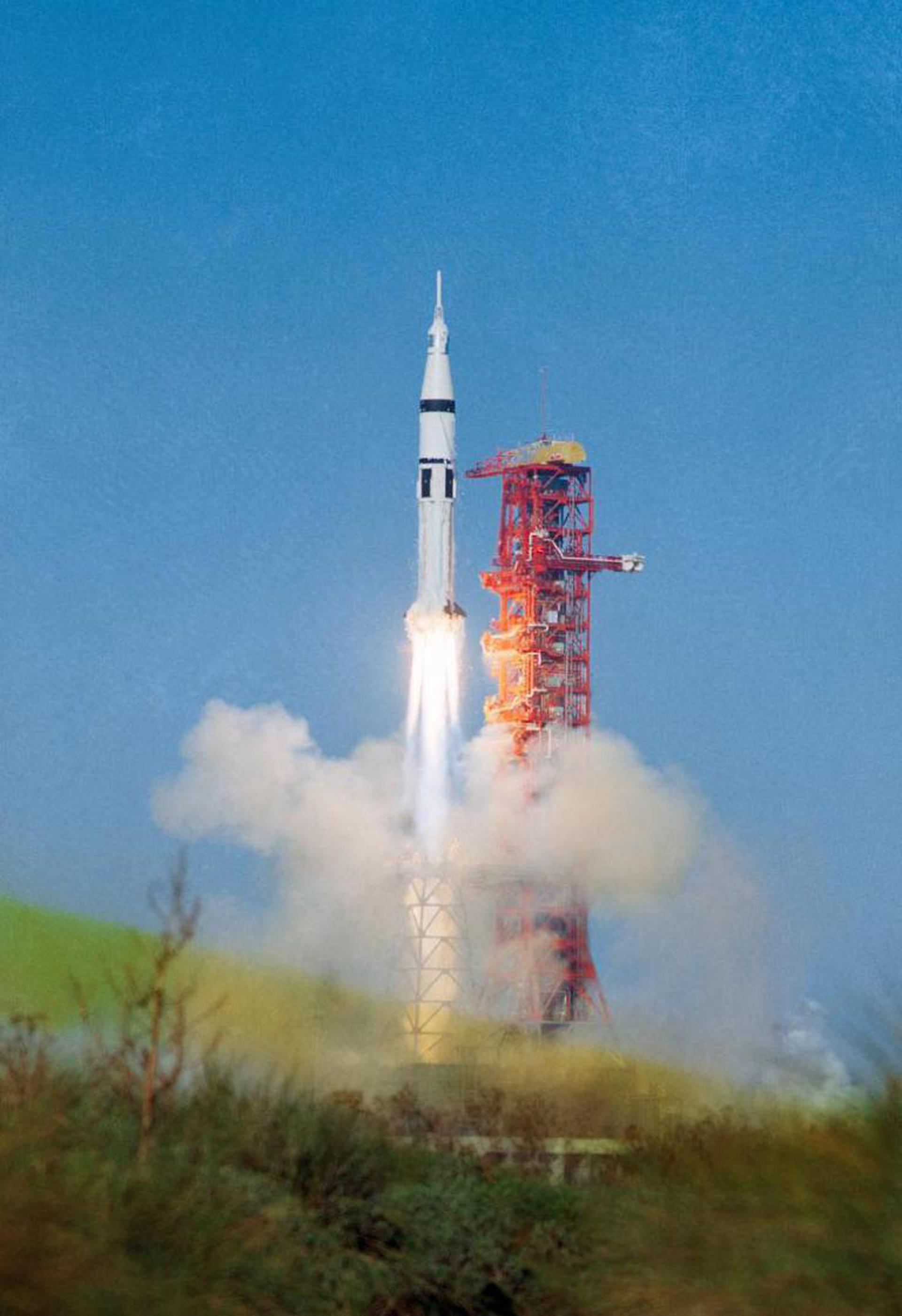
Saturn IB | Apollo 1 (Failure before launch)
National Aeronautics and Space Administration | United States of AmericaCape Canaveral SFS, FL, USA
Jan. 27, 1967, 11:31 p.m.
Status: Launch Failure
Mission:
Apollo 1, initially designated AS-204, was the first crewed mission of the United States Apollo program, the undertaking to land the first man on the Moon. It was planned to launch on February 21, 1967, as the first low Earth orbital test of the Apollo command and service module. The mission never flew; a cabin fire during a launch rehearsal test at Cape Kennedy Air Force Station Launch Complex 34 on January 27 killed all three crew members—Command Pilot Gus Grissom, Senior Pilot Ed White, and Pilot Roger B. Chaffee—and destroyed the command module (CM). The name Apollo 1, chosen by the crew, was made official by NASA in their honor after the fire.
Low Earth Orbit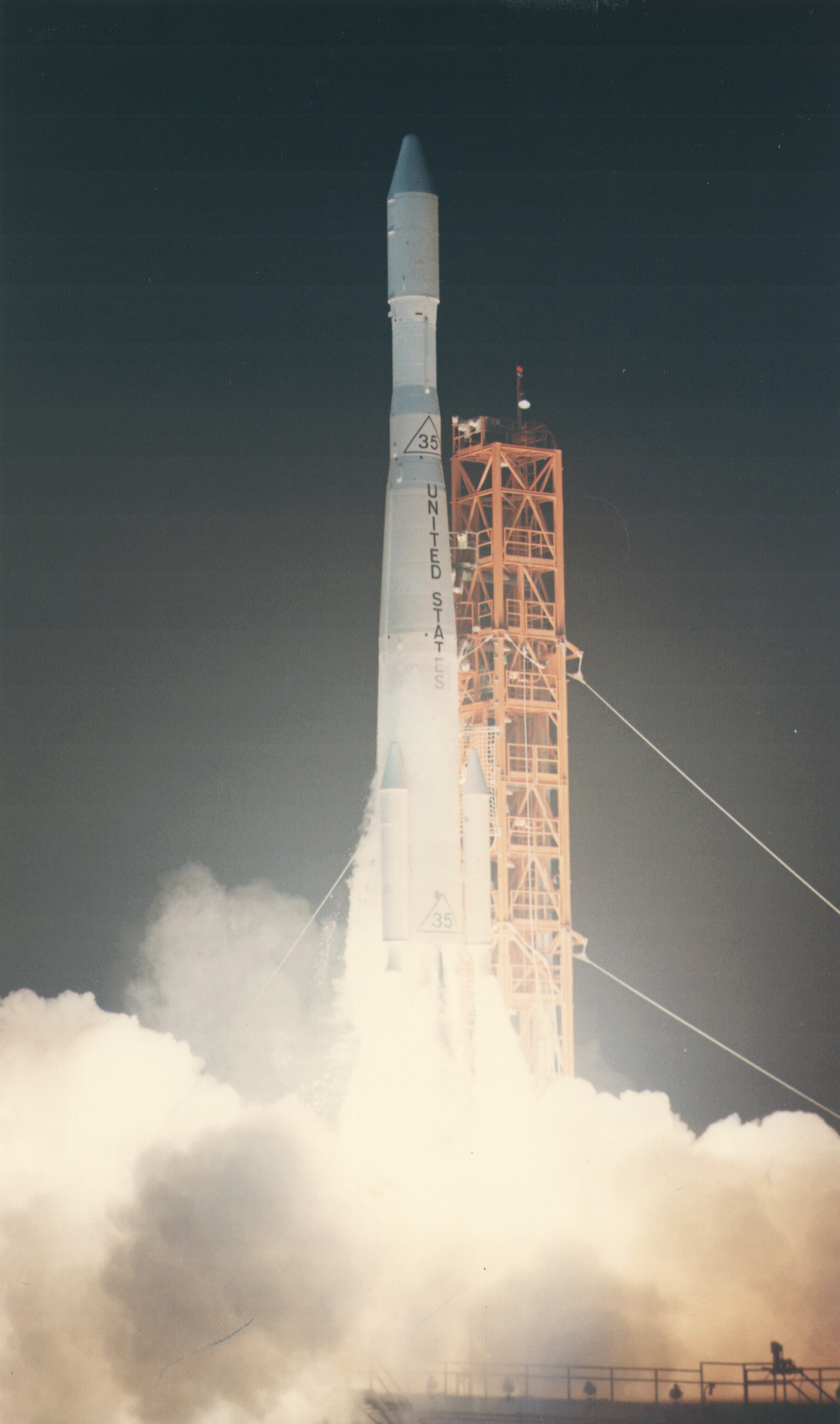
Thor Delta E | ESSA 4
McDonnell Douglas | United States of AmericaVandenberg SFB, CA, USA
Jan. 26, 1967, 5:31 p.m.

