Upcoming Spaceflight Launches
Filter by Agency, Locations or Vehicles
Show All Launches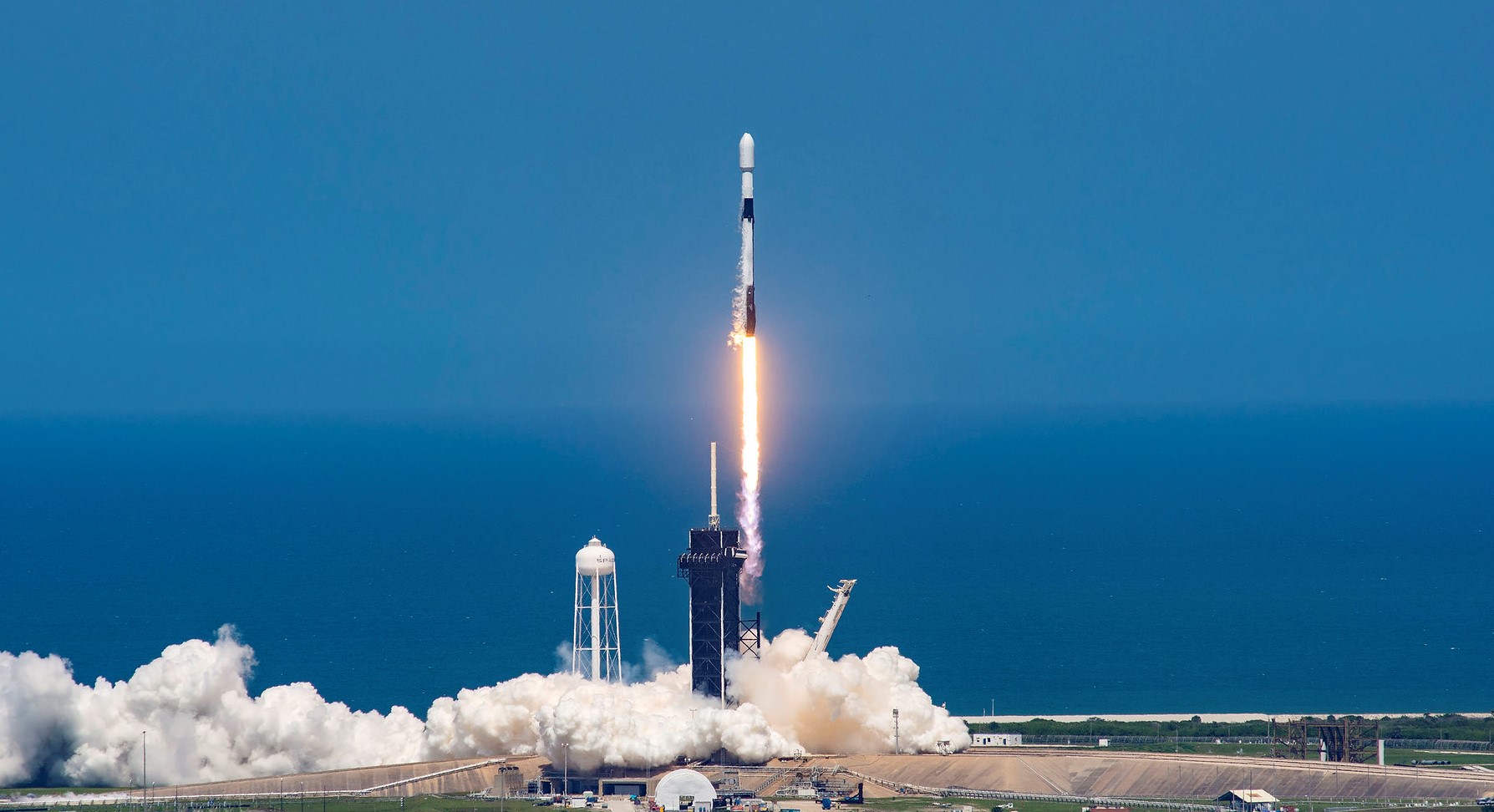
Falcon 9 Block 5 | WSF-M2 & BLAZE-2 (USSF-178)
SpaceX | United States of AmericaVandenberg SFB, CA, USA
TBD December, 2028
Status: To Be Determined
Mission:
Second Weather System Follow-on (WSF) satellite. WSF-M (Weather System Follow-on - Microwave) is the next-generation operational environmental satellite system for the Department of Defense (DoD), to replace the microwave wavelength weather forecasting capabilities of the DMSP satellites. Ball Aerospace has been selected in late November 2017 to be the prime contractor for 2 Low Earth Orbit (LEO) weather satellites with a passive microwave imaging radiometer instrument and hosted Government furnished energetic charged particle (ECP) sensor space weather payload developed by the Air Force Research Laboratory. The radiometer leverages the Ball-built Global Precipitation Measurement (GPM) Microwave Imager (GMI) instrument. This mission will improve weather forecasting over maritime regions by taking global measurements of the atmosphere and ocean surface. The launch will also include BLAZE-2, a launch opportunity for operational, research, development, and prototype small satellites from across the DoD.
Polar OrbitFalcon 9 Block 5 | EchoStar 26
SpaceX | United States of AmericaCape Canaveral SFS, FL, USA
TBD December, 2028
Status: To Be Determined
Mission:
EchoStar 26 is a direct broadcast satellite, built on the proven Maxar 1300 series platform, which will deliver content across DISH TV customers across all 50 U.S. states & Puerto Rico. It will be equipped with a high-power, multi-spot beam payload, allowing DISH to provide high-quality content to its customers.
Geostationary Transfer OrbitFalcon 9 Block 5 | Al Yah 5
SpaceX | United States of AmericaCape Canaveral SFS, FL, USA
TBD December, 2028
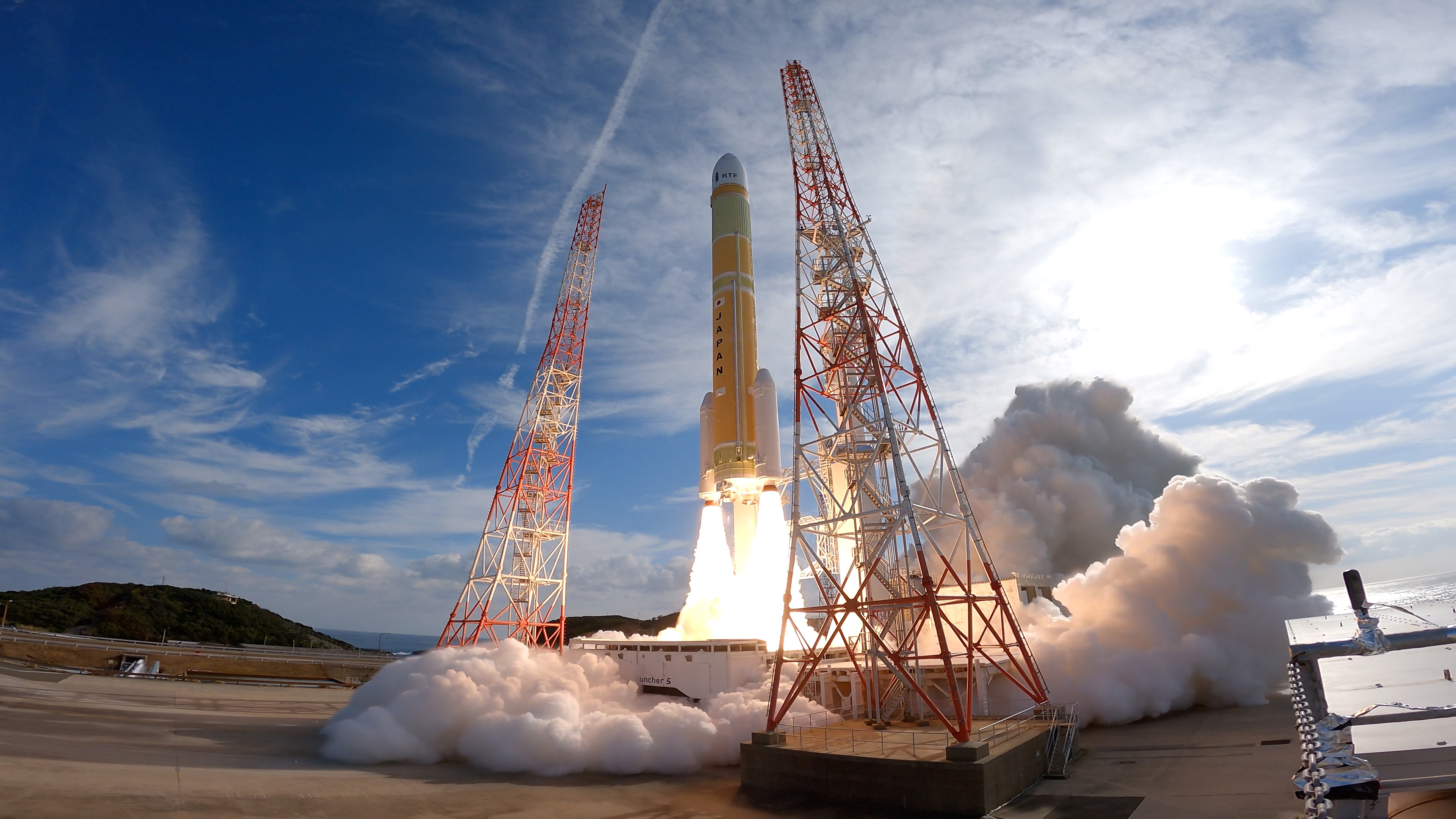
H3-22 | ispace Mission 3 ULTRA
Mitsubishi Heavy Industries | JapanTanegashima Space Center, Japan
TBD December, 2028
Status: To Be Determined
Mission:
ispace Mission 3 will be the first mission to feature ispace’s new ULTRA lunar lander, a larger and more capable lander design than the HAKUTO-R that attempted to land on the Moon twice before. The lander will carry payloads for Science Tokyo, TASA, ispace, UEL, JALUX and Magna Petra Corp.
Lunar Orbit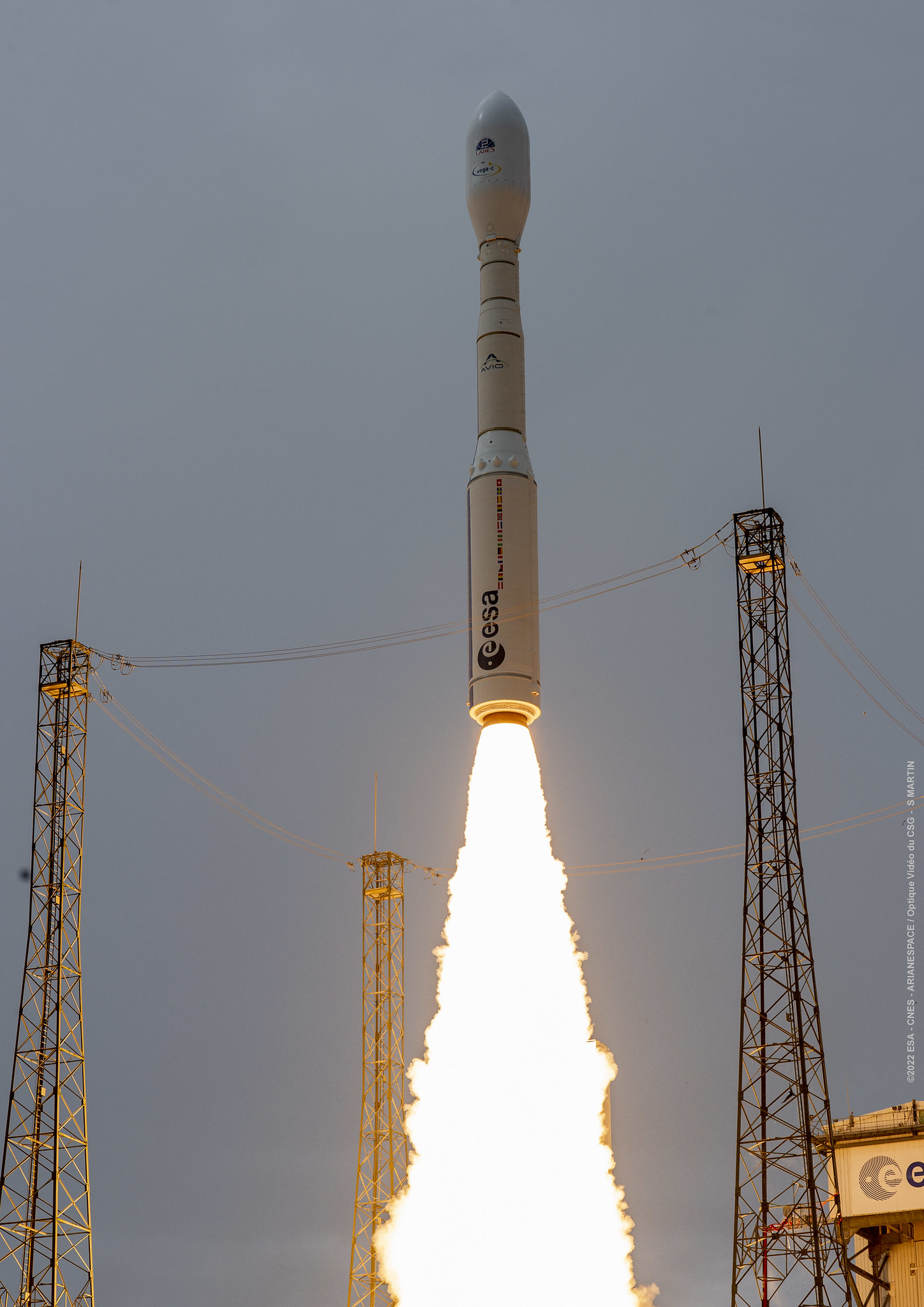
Vega-C | FORMOSAT-8D
Avio S.p.A | ItalyGuiana Space Centre, French Guiana
TBD December, 2028
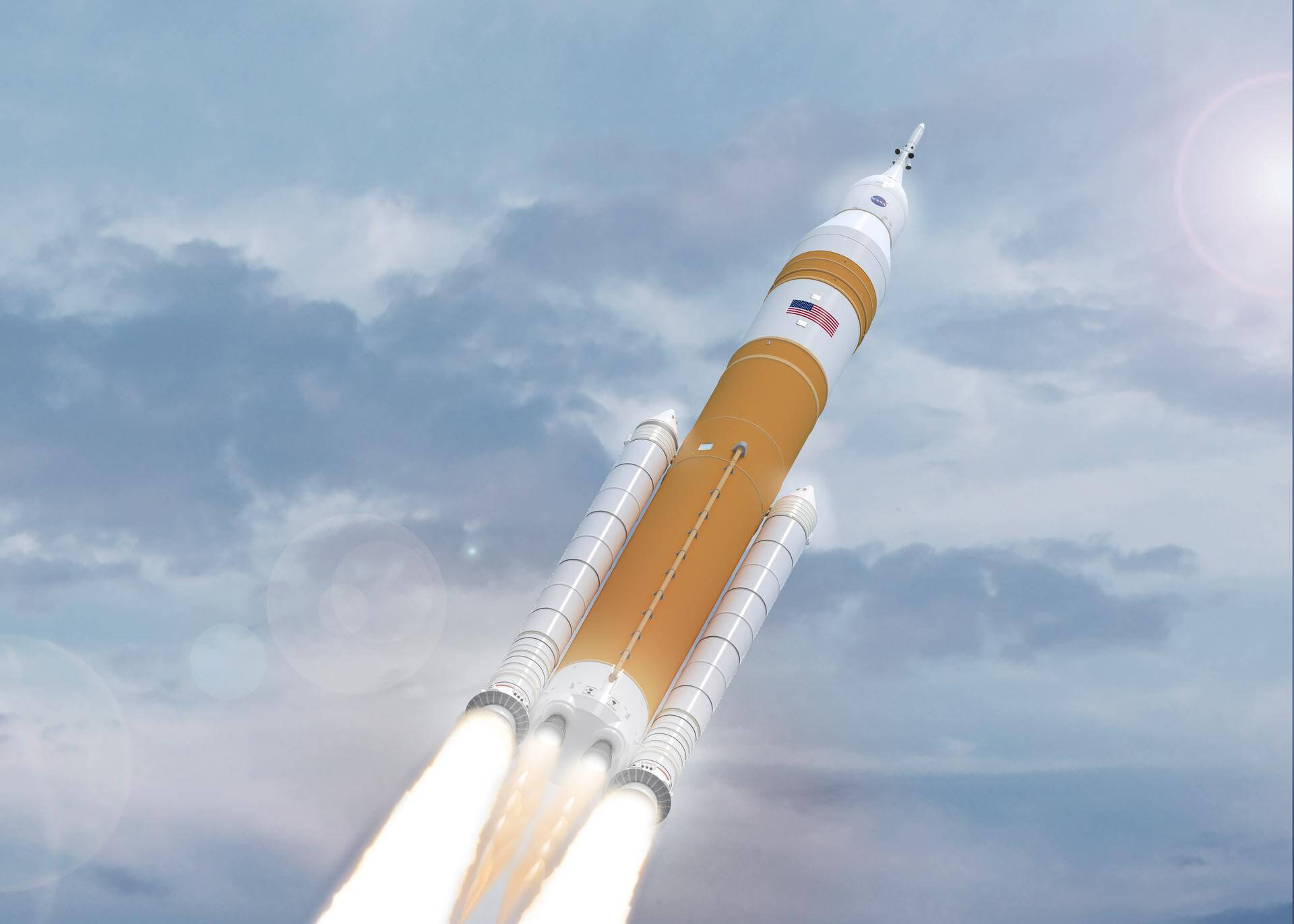
SLS Block 1B | Artemis V
National Aeronautics and Space Administration | United States of AmericaKennedy Space Center, FL, USA
TBD December, 2028
Vega-C | Altius
Avio S.p.A | ItalyGuiana Space Centre, French Guiana
TBD December, 2028
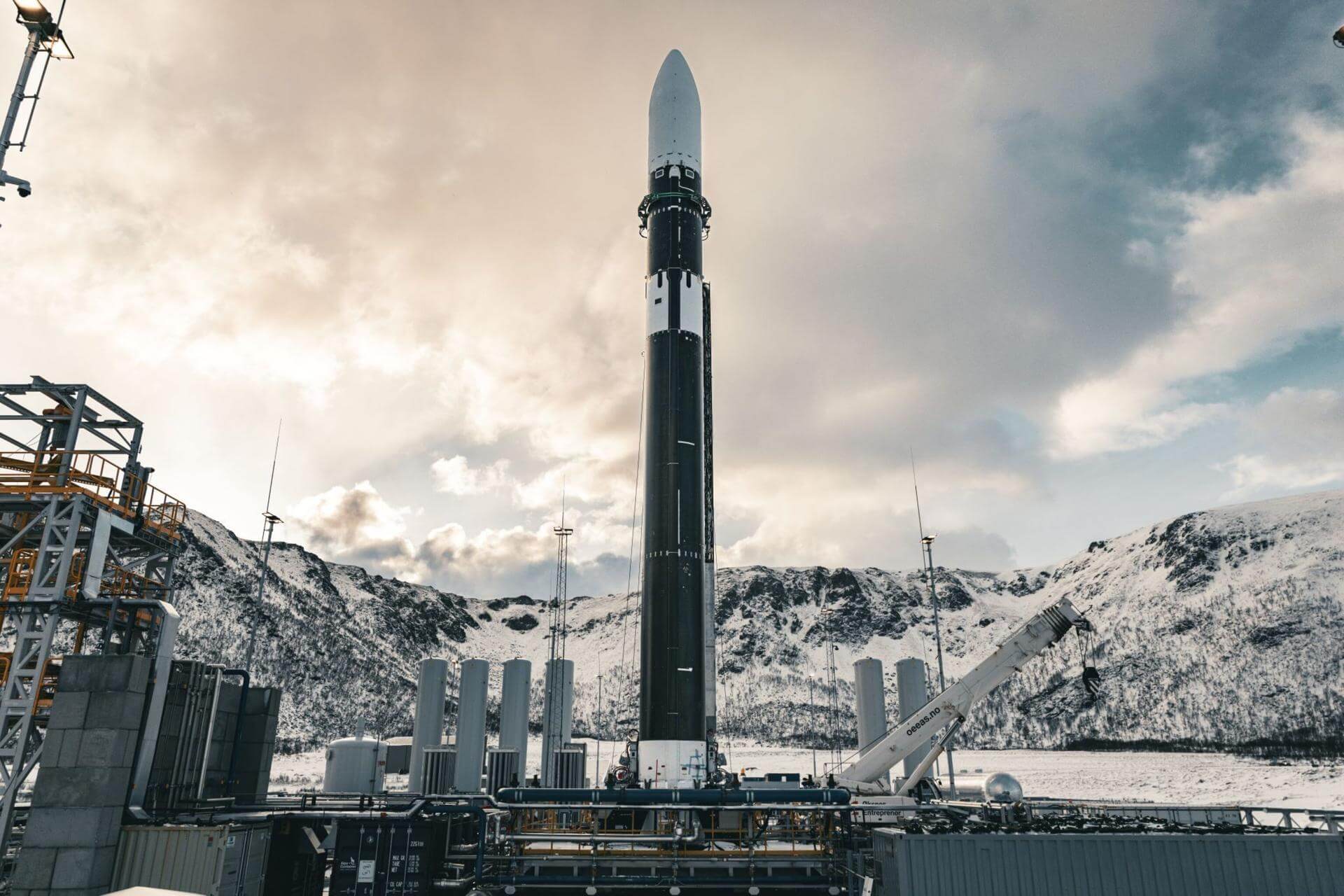
Spectrum | AOS-Demo & Precursor
Isar Aerospace | GermanyAndøya Spaceport
TBD December, 2028
Status: To Be Determined
Mission:
Two satellites for the Norwegian Space Agency’s Arctic Ocean Surveillance (AOS) program. AOS-Demo will be built by thr Norwegian engineering company Eidel to demonstrate maritime monitoring technologies. AOS-Precursor will be built by Kongsberg Defence & Aerospace as the first operational satellite of the system to track maritime activities in the Arctic.
Sun-Synchronous Orbit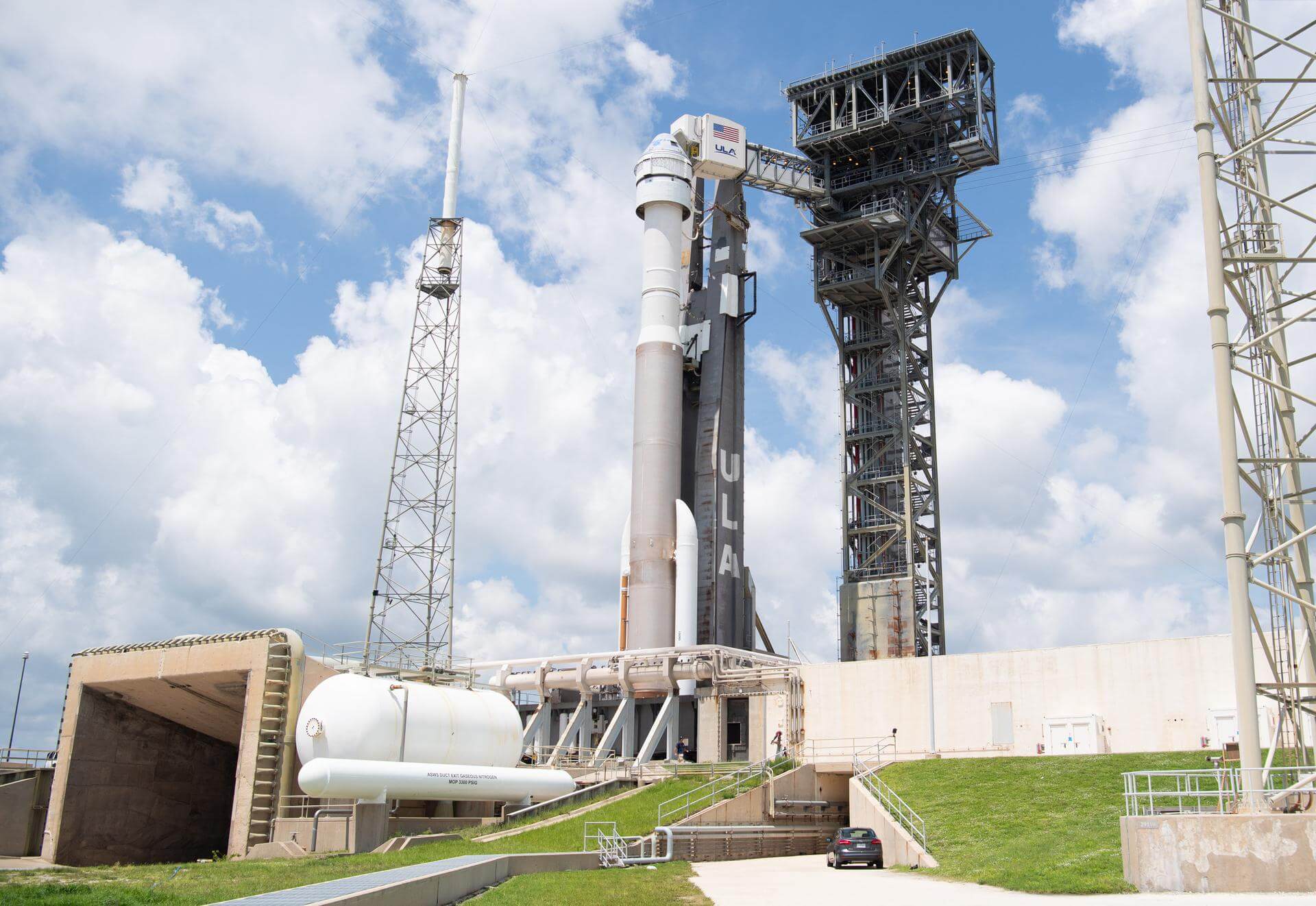
Atlas V N22 | Starliner-5
United Launch Alliance | United States of AmericaCape Canaveral SFS, FL, USA
TBD December, 2028
Vega-C Block 2 | Space Rider
Avio S.p.A | ItalyGuiana Space Centre, French Guiana
TBD December, 2028
Falcon 9
Starlink Group 17-38
Space Launch Complex 4E - Vandenberg SFB, CA, USAA batch of 24 satellites for the Starlink mega-constellation - SpaceX's project for space-based Internet communication system.
Electron
The Grain Goddess Provides (iQPS Launch 7)
Rocket Lab Launch Complex 1A - Rocket Lab Launch Complex 1, Mahia Peninsula, New ZealandSynthetic aperture radar Earth observation satellite for Japanese Earth imaging company iQPS.
Falcon 9
BlueBird 11-13 (Block 2 #6-8)
Space Launch Complex 40 - Cape Canaveral SFS, FL, USAAST SpaceMobile’s Block 2 BlueBird satellites are designed to deliver up to 10 times the bandwidth capacity of the BlueBird Block 1 satellites, requi…
Smart Dragon 3
OSE HS-01 & 02
Haiyang offshore launch location - Haiyang Oriental Spaceport2 hyper-spectral Earth observation satellites from Chinese company STAR.VISION. Both satellites are built in corporation with foreign customers: *…
Falcon 9
Starlink Group 17-53
Space Launch Complex 4E - Vandenberg SFB, CA, USAA batch of 24 satellites for the Starlink mega-constellation - SpaceX's project for space-based Internet communication system.
Long March 8A
SatNet LEO Group 23
Commercial LC-1 - Wenchang Space Launch Site, People's Republic of ChinaA batch of 9 Low Earth Orbit communication satellites for the Chinese state owned SatNet constellation operated by the China Satellite Network Group.…
Falcon 9
Starlink Group 17-52
Space Launch Complex 4E - Vandenberg SFB, CA, USAA batch of 24 satellites for the Starlink mega-constellation - SpaceX's project for space-based Internet communication system.
Falcon 9
NROL-95
Space Launch Complex 40 - Cape Canaveral SFS, FL, USAClassified payload for the US National Reconnaissance Office.
Long March 6A
TJSW-27A & B
Launch Complex 9A - Taiyuan Satellite Launch Center, People's Republic of China2 Chinese classified satellites claimed to be for communication technology test purposes. Actual mission not known.
Long March 7A
Tianlian 3-01
201 - Wenchang Space Launch Site, People's Republic of ChinaTianlian is a Chinese data tracking and relay communications geostationary satellite series. The TL-3 (Tian Lian 3) satellites are the 3rd generation…

