Upcoming Spaceflight Launches
Filter by Agency, Locations or Vehicles
Show All Launches
Maia | Demo Flight
MaiaSpace | FranceGuiana Space Centre, French Guiana
TBD December, 2027
Maia | OneWeb L?
MaiaSpace | FranceGuiana Space Centre, French Guiana
TBD December, 2027
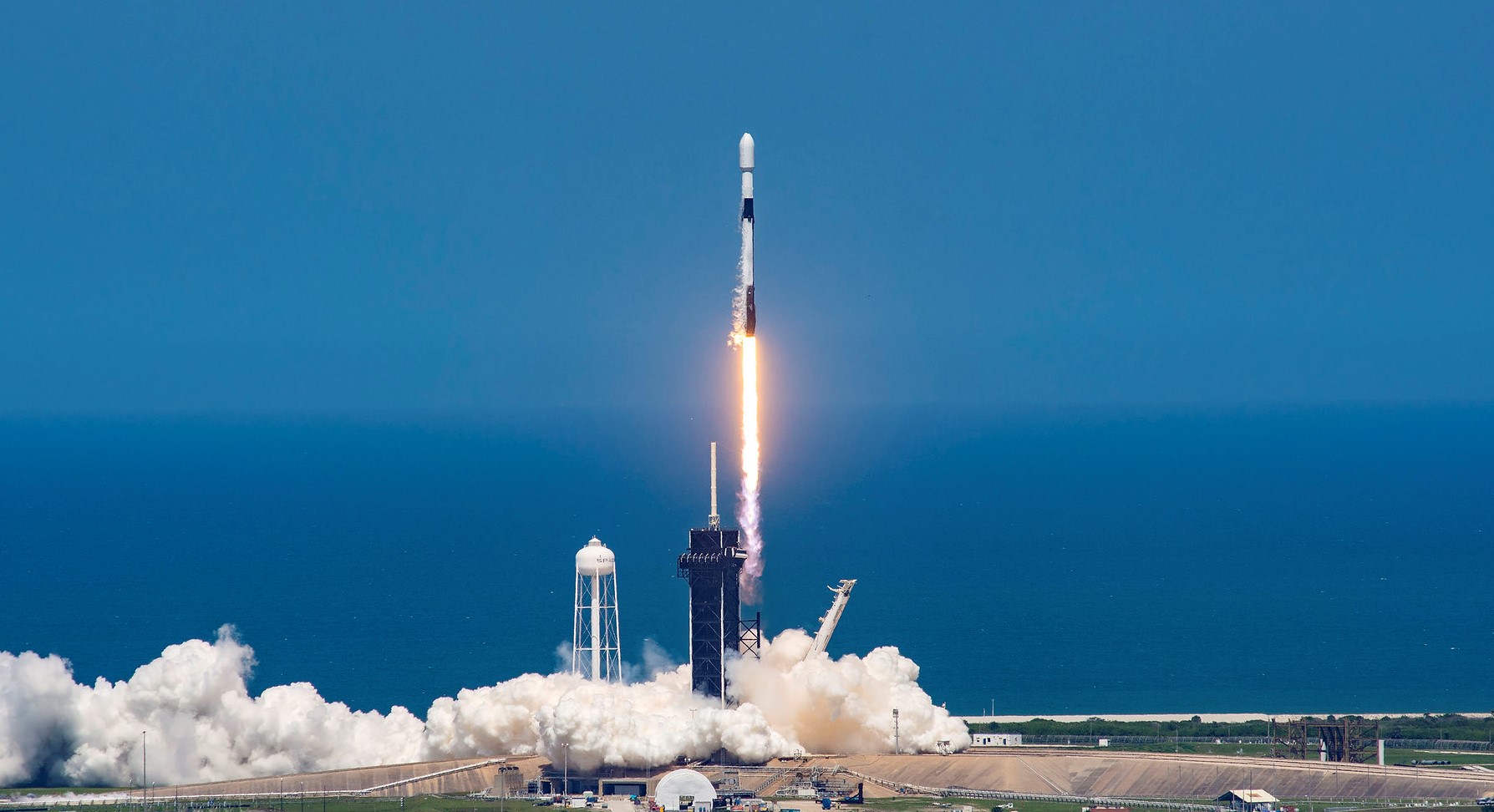
Falcon 9 Block 5 | Telesat Lightspeed 11
SpaceX | United States of AmericaCape Canaveral SFS, FL, USA
TBD December, 2027
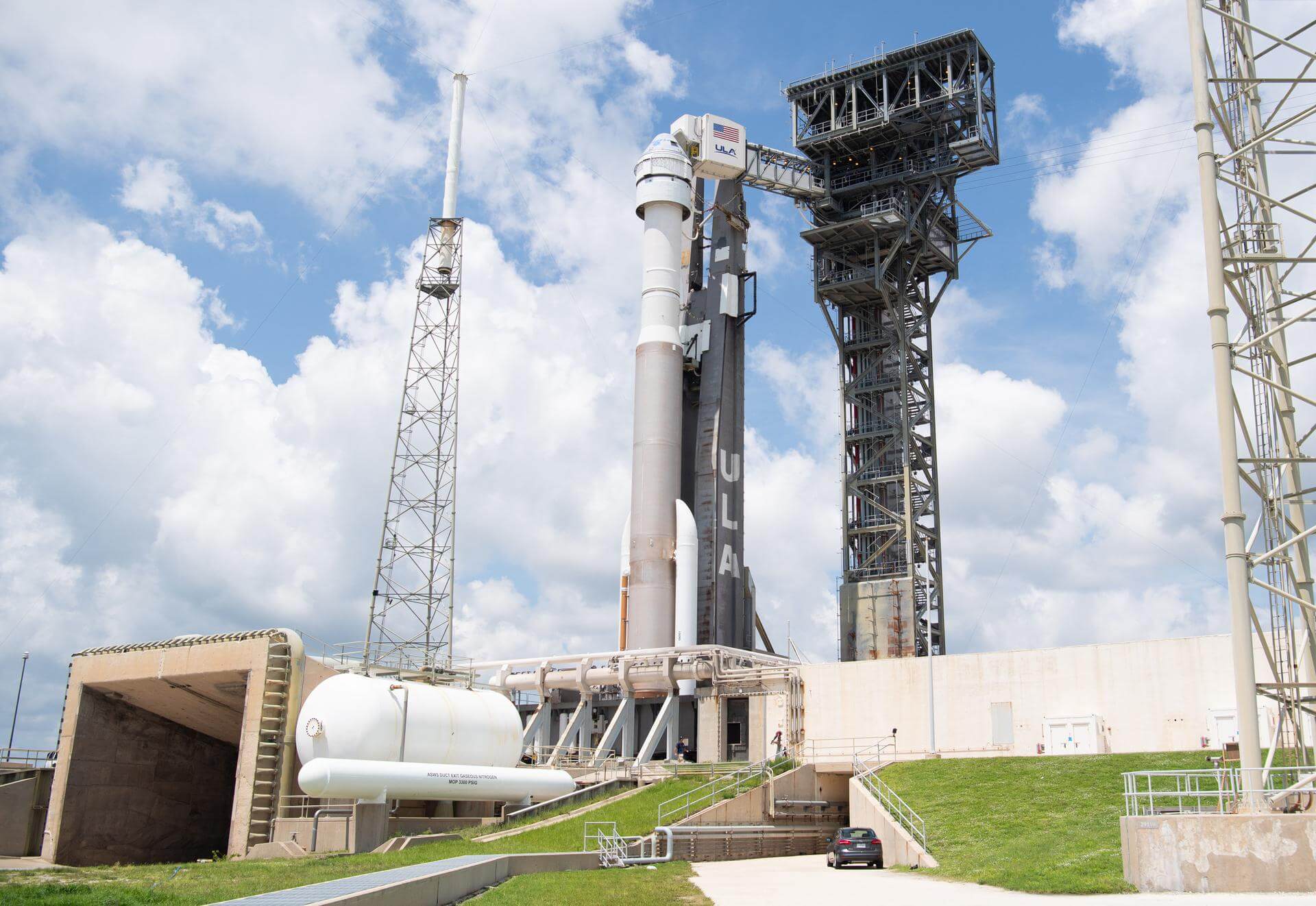
Atlas V N22 | Starliner-2
United Launch Alliance | United States of AmericaCape Canaveral SFS, FL, USA
TBD December, 2027
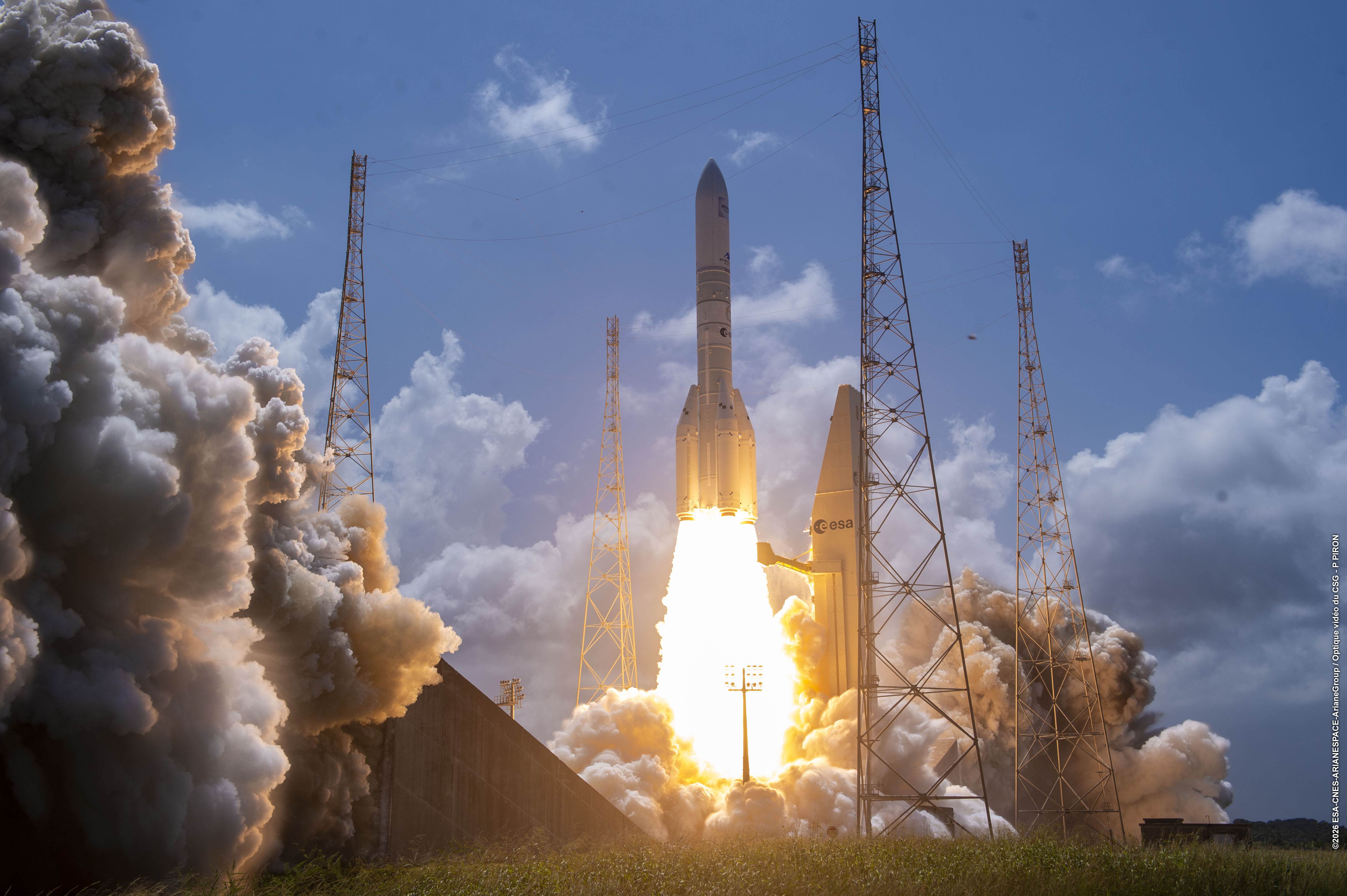
Ariane 64 | Hellas Sat 5
ArianeGroup | FranceGuiana Space Centre, French Guiana
TBD December, 2027
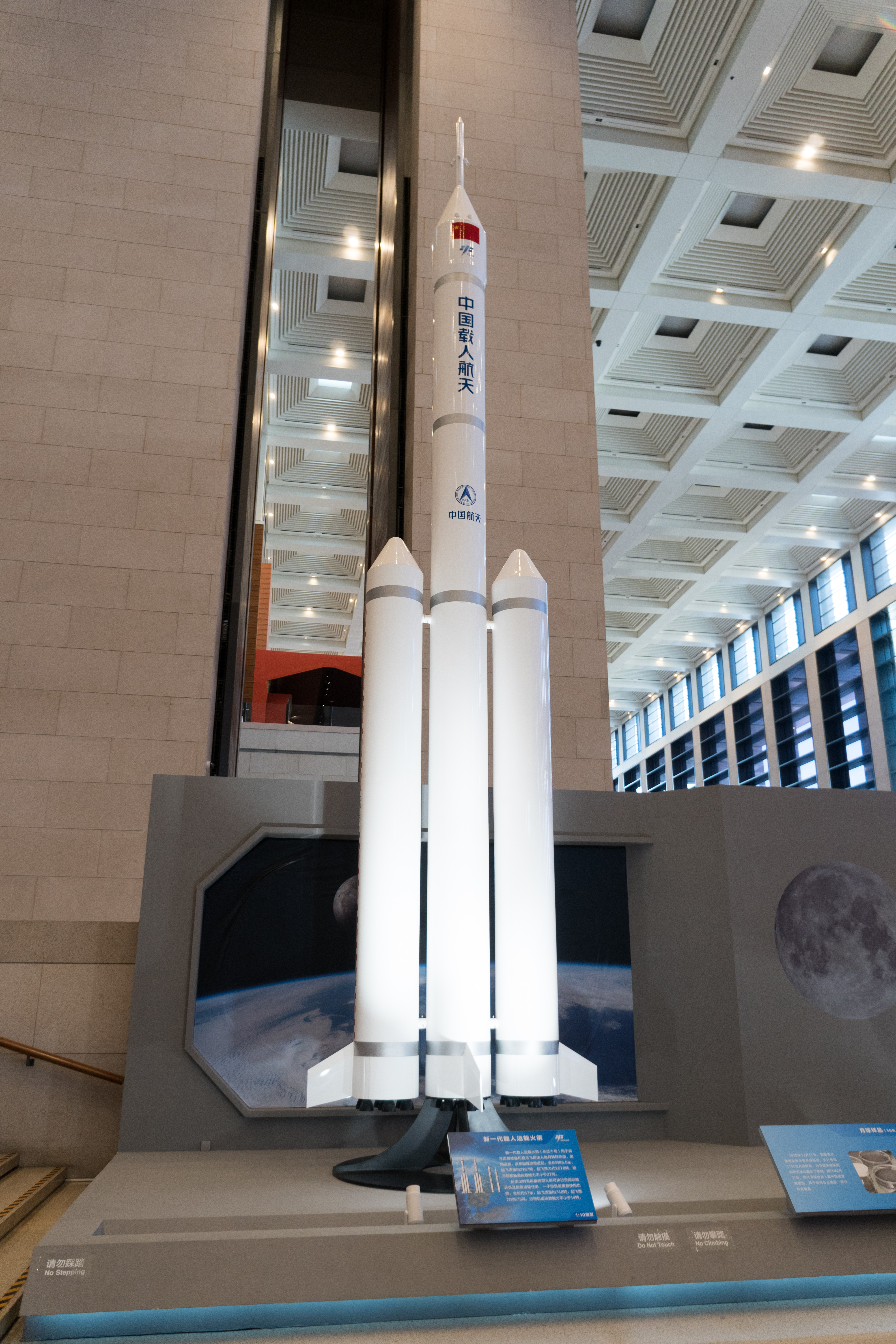
Long March 10 | Demo Flight
China Aerospace Science and Technology Corporation | ChinaWenchang Space Launch Site, People's Republic of China
TBD December, 2027
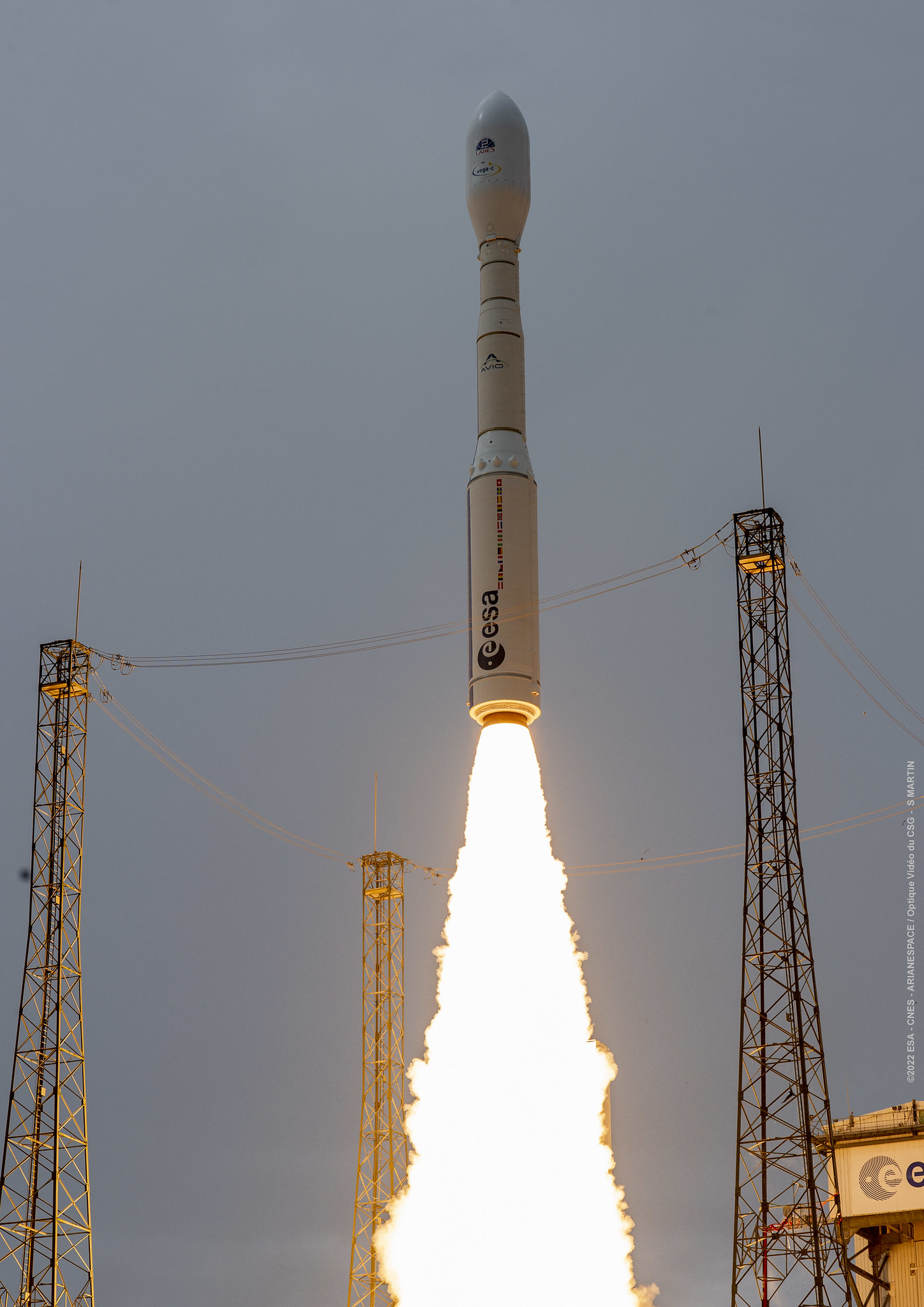
Vega-C | FORUM
Avio S.p.A | ItalyGuiana Space Centre, French Guiana
TBD December, 2027
Vega-C | FORMOSAT-8C
Avio S.p.A | ItalyGuiana Space Centre, French Guiana
TBD December, 2027
Vega-C | Sentinel CO2M-B
Avio S.p.A | ItalyGuiana Space Centre, French Guiana
TBD March, 2028
Status: To Be Determined
Mission:
Sentinel CO2M-B carries a near-infrared and shortwave-infrared spectrometer to measure atmospheric carbon dioxide produced by human activity, providing the EU with a unique and independent source of information, to assess the effectiveness of policy measures, and to track their impact towards decarbonizing Europe and meeting national emission reduction targets.
Sun-Synchronous Orbit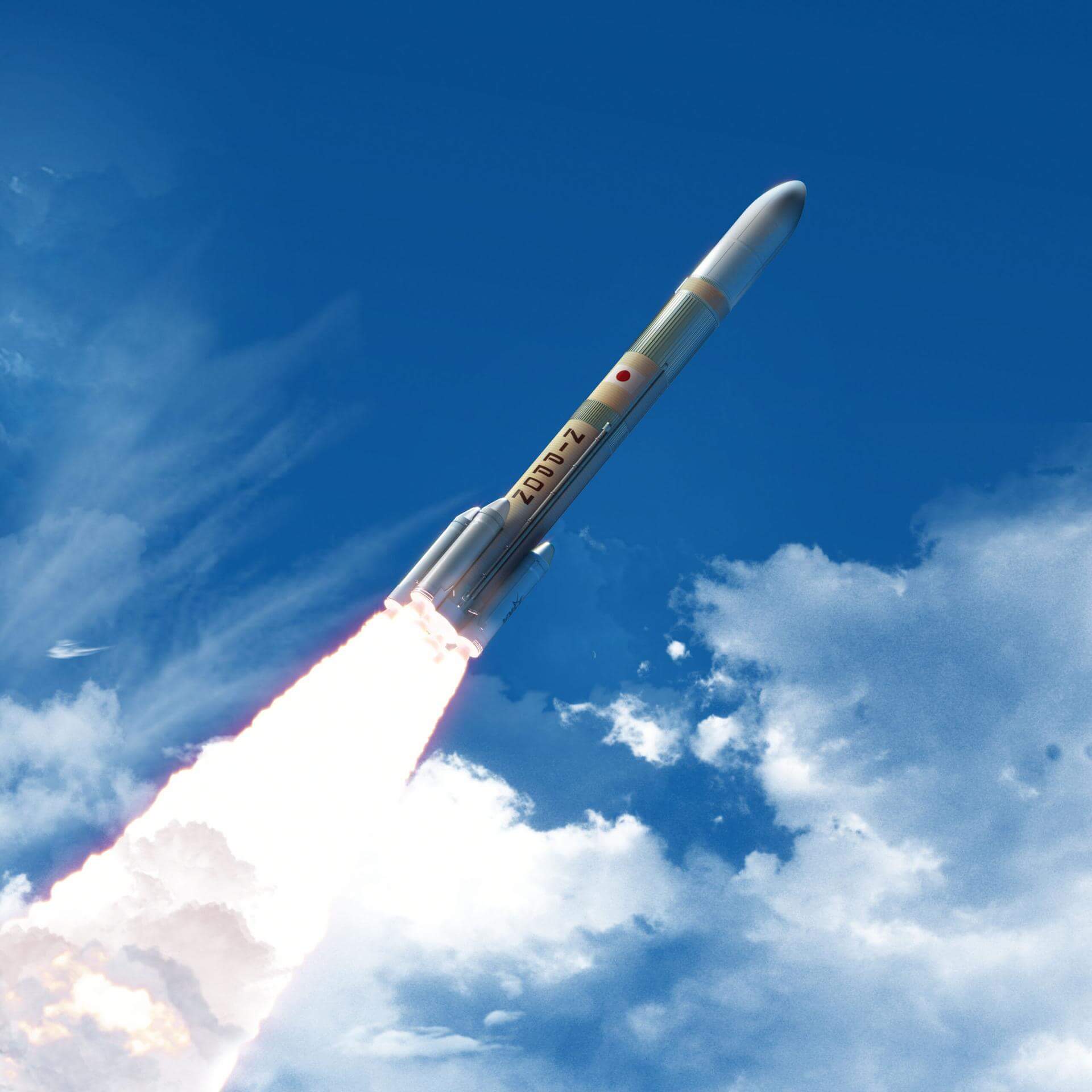
H3 | MBR Explorer
Mitsubishi Heavy Industries | JapanTanegashima Space Center, Japan
TBD March, 2028
Status: To Be Determined
Mission:
An United Arab Emirates Space Agency (UAESA) planetary mission to visit main belt asteroids. Named after Sheikh Mohammed bin Rashid, the spacecraft will fly by six main belt asteroids between 2030 and 2033 before rendezvousing on a seventh, Justitia, in 2034, later deploying a lander.
AsteroidFalcon 9
Starlink Group 17-49
Space Launch Complex 4E - Vandenberg SFB, CA, USAA batch of 24 satellites for the Starlink mega-constellation - SpaceX's project for space-based Internet communication system.
Falcon 9
Starlink Group 10-19
Space Launch Complex 40 - Cape Canaveral SFS, FL, USAA batch of 29 satellites for the Starlink mega-constellation - SpaceX's project for space-based Internet communication system.
H3-22
Michibiki 7 (QZS-7)
Yoshinobu Launch Complex LP-2 - Tanegashima Space Center, JapanQZSS (Quasi Zenith Satellite System) is a Japanese satellite navigation system operating from inclined, elliptical geosynchronous orbits to achieve o…
Long March 7A
ChinaSat 4B
201 - Wenchang Space Launch Site, People's Republic of ChinaChinese communication geostationary satellite for unknown purposes.
Falcon 9
Starlink Group 17-38
Space Launch Complex 4E - Vandenberg SFB, CA, USAA batch of 24 satellites for the Starlink mega-constellation - SpaceX's project for space-based Internet communication system.
Electron
The Grain Goddess Provides (iQPS Launch 7)
Rocket Lab Launch Complex 1A - Rocket Lab Launch Complex 1, Mahia Peninsula, New ZealandSynthetic aperture radar Earth observation satellite for Japanese Earth imaging company iQPS.
Falcon 9
BlueBird 11-13 (Block 2 #6-8)
Space Launch Complex 40 - Cape Canaveral SFS, FL, USAAST SpaceMobile’s Block 2 BlueBird satellites are designed to deliver up to 10 times the bandwidth capacity of the BlueBird Block 1 satellites, requi…
Smart Dragon 3
OSE HS-01 & 02
Haiyang offshore launch location - Haiyang Oriental Spaceport2 hyper-spectral Earth observation satellites from Chinese company STAR.VISION. Both satellites are built in corporation with foreign customers: *…
Falcon 9
Starlink Group 17-53
Space Launch Complex 4E - Vandenberg SFB, CA, USAA batch of 24 satellites for the Starlink mega-constellation - SpaceX's project for space-based Internet communication system.
Long March 8A
SatNet LEO Group 23
Commercial LC-1 - Wenchang Space Launch Site, People's Republic of ChinaA batch of 9 Low Earth Orbit communication satellites for the Chinese state owned SatNet constellation operated by the China Satellite Network Group.…

