Upcoming Spaceflight Launches
Filter by Agency, Locations or Vehicles
Show All Launches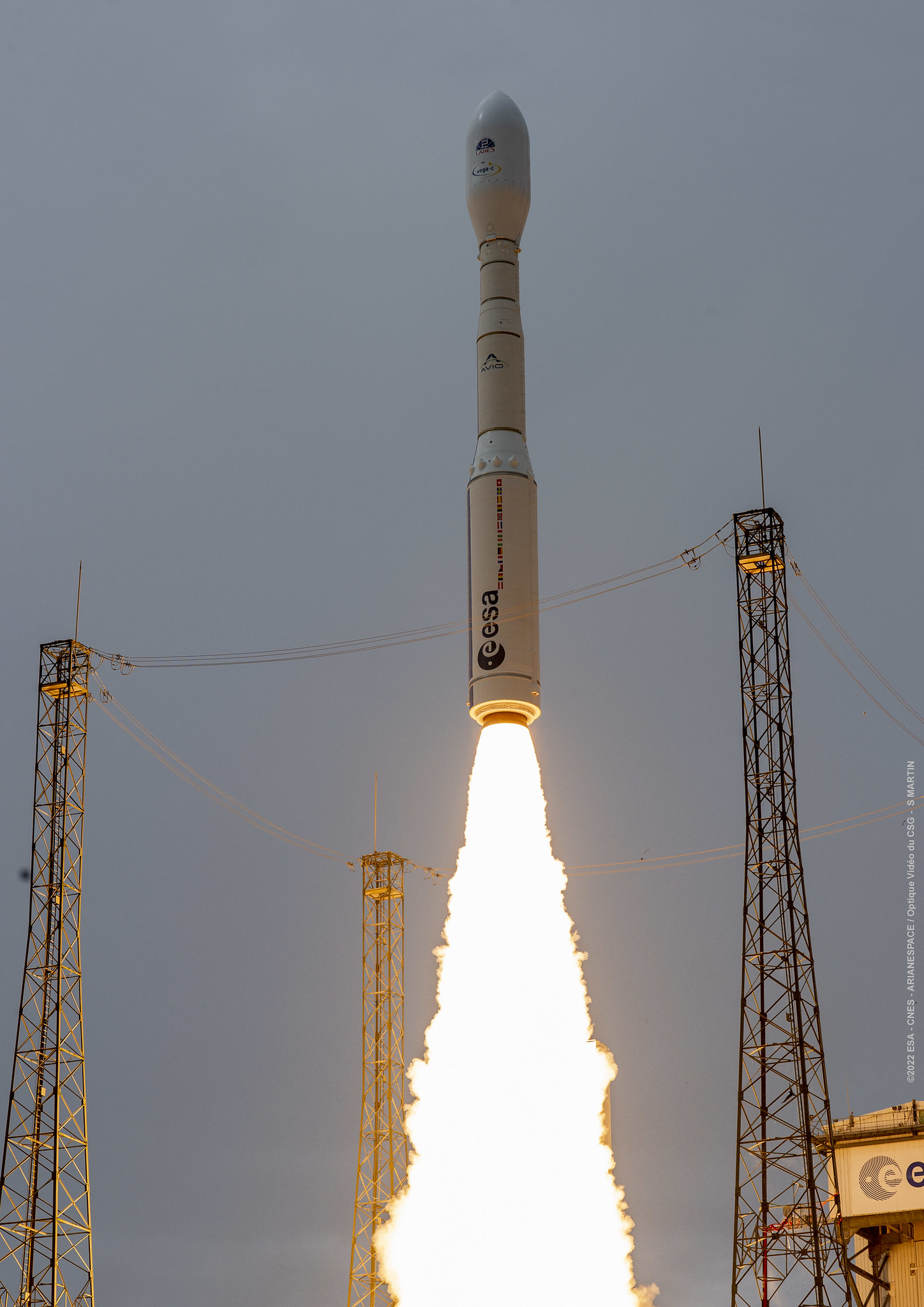
Vega-C | Pléiades Neo Next 1
Avio S.p.A | ItalyGuiana Space Centre, French Guiana
TBD March, 2028
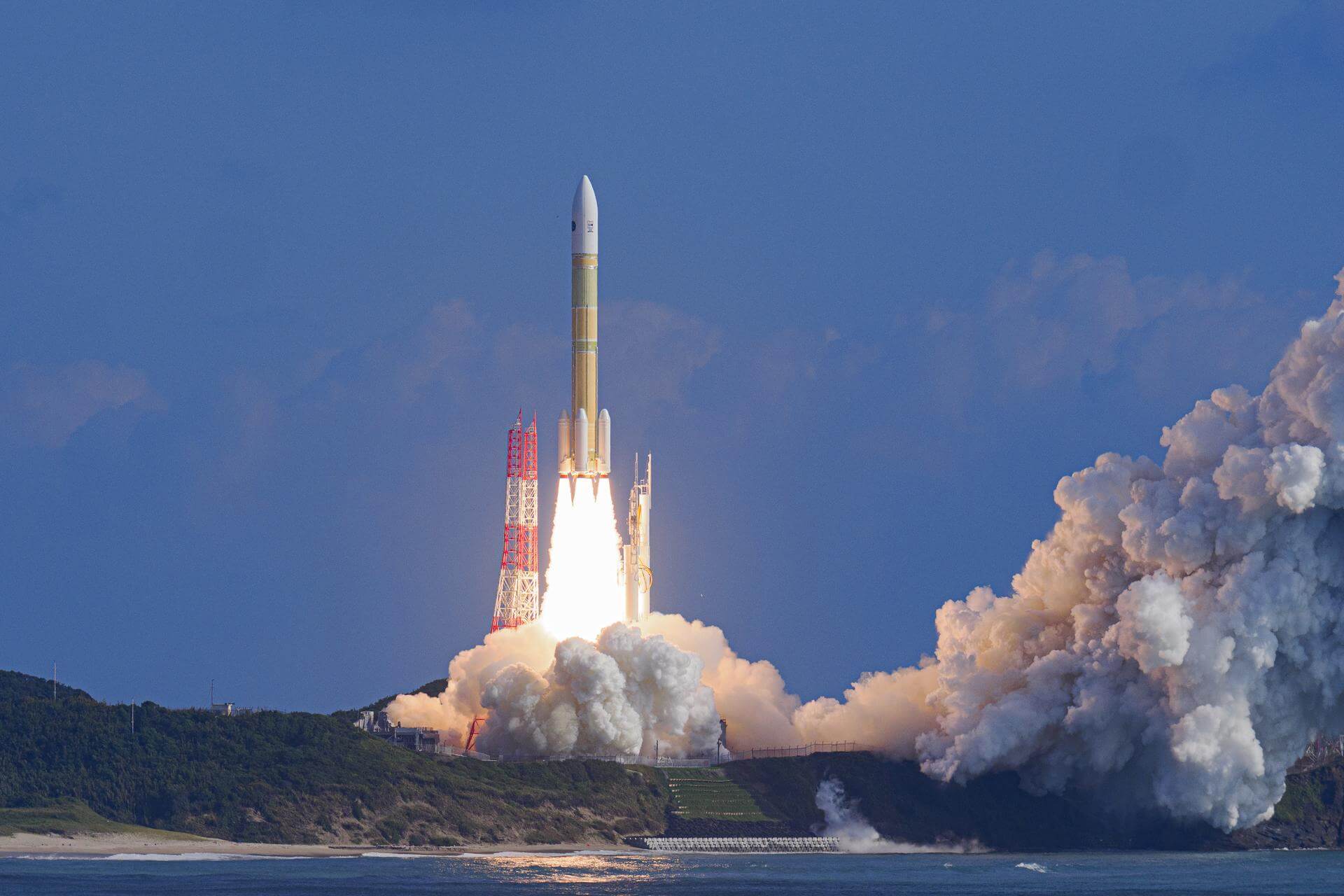
H3-24 | DESTINY+ & RAMSES
Mitsubishi Heavy Industries | JapanTanegashima Space Center, Japan
TBD April, 2028
Status: To Be Determined
Mission:
DESTINY+ (Demonstration and Experiment of Space Technology for INterplanetary voYage with Phaethon fLyby and dUst Science) is a planned asteroid exploration mission to 3200 Phaethon, the parent body of the Geminids meteor shower. It will demonstrate further improvements of low cost solar electric propulsion in deep space and innovative light-weight solar array panel technology. The spacecraft will carry 3 science instruments: * DESTINY Dust Analyzer (DDA) * Telescopic Camera for Phaethon (TCAP) * Multiband Camera for Phaethon (MCAP) RAMSES (Rapid Apophis Mission for Space Safety) is a European-Japanese planetary defense mission to near-Earth asteroid 99942 Apophis, led by the European Space Agency (ESA). The spacecraft will arrive around Apophis in February 2029, before the asteroid’s very close fly-by to Earth on 13 April 2029. It will conduct measurements of the asteroid's properties before and during the Earth flyby to study its response to the close encounter with the planet. The spacecraft will leverage much of the technology developed for the Hera mission. At the asteroid, RAMSES will deploy two smaller CubeSats, one carrying a dust analyser, a low-frequency radar, the other will attempt to land on Apophis and provide high-resolution images from the surface.
Asteroid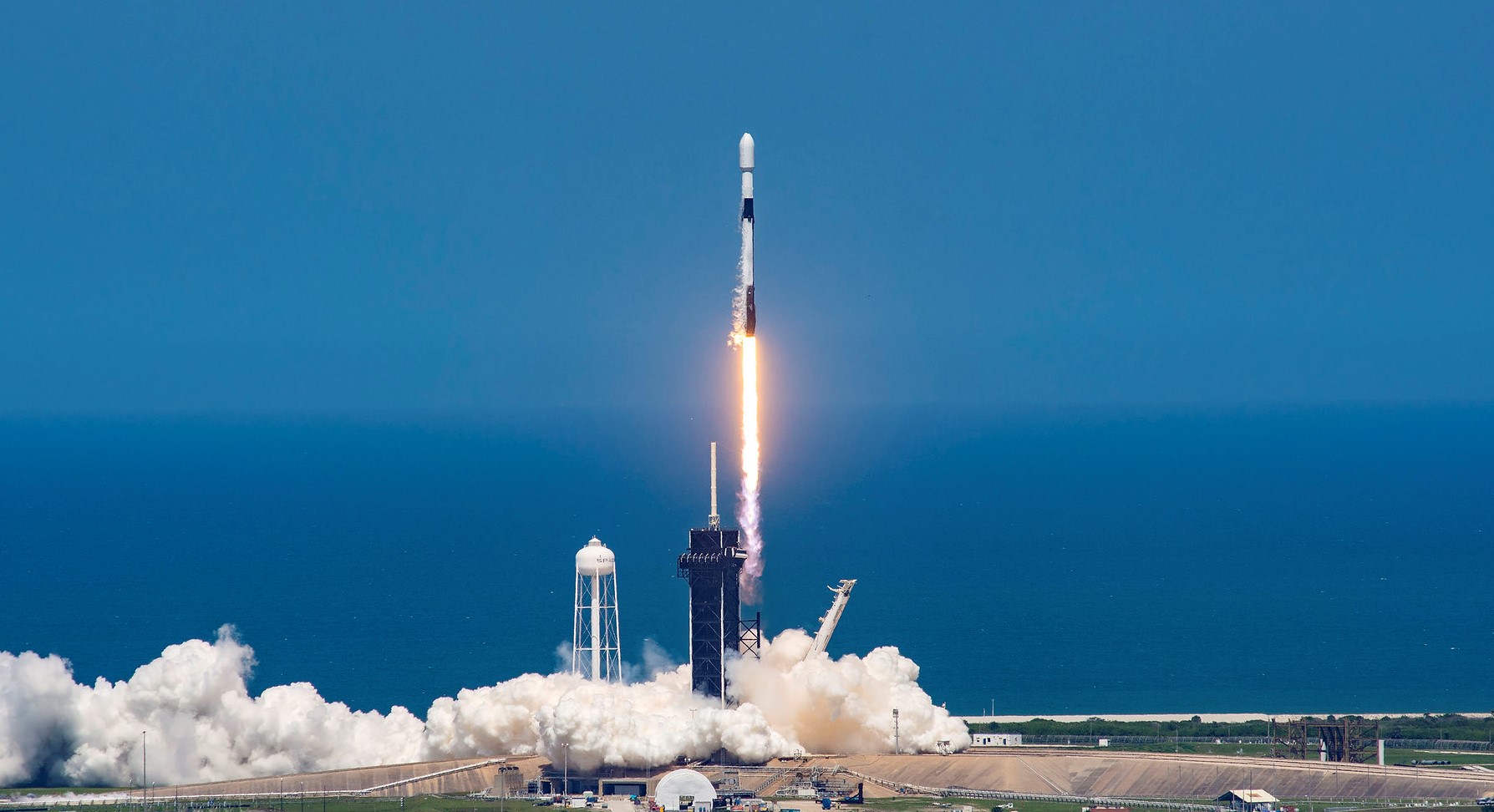
Falcon 9 Block 5 | NEO Surveyor
SpaceX | United States of AmericaCape Canaveral SFS, FL, USA
TBD June, 2028
Status: To Be Determined
Mission:
NASA's Near-Earth Object (NEO) Surveyor mission is designed to help advance planetary defense efforts to discover and characterize most of the potentially hazardous asteroids and comets that come within 30 million miles of Earth’s orbit. These are collectively known as near-earth objects, or NEOs. NEO Surveyor consists of a single scientific instrument: a 50 centimeter (nearly 20 inch) diameter telescope that operates in two heat-sensing infrared wavelengths. It will be capable of detecting both bright and dark asteroids, which are the most difficult type to find.
Heliocentric L1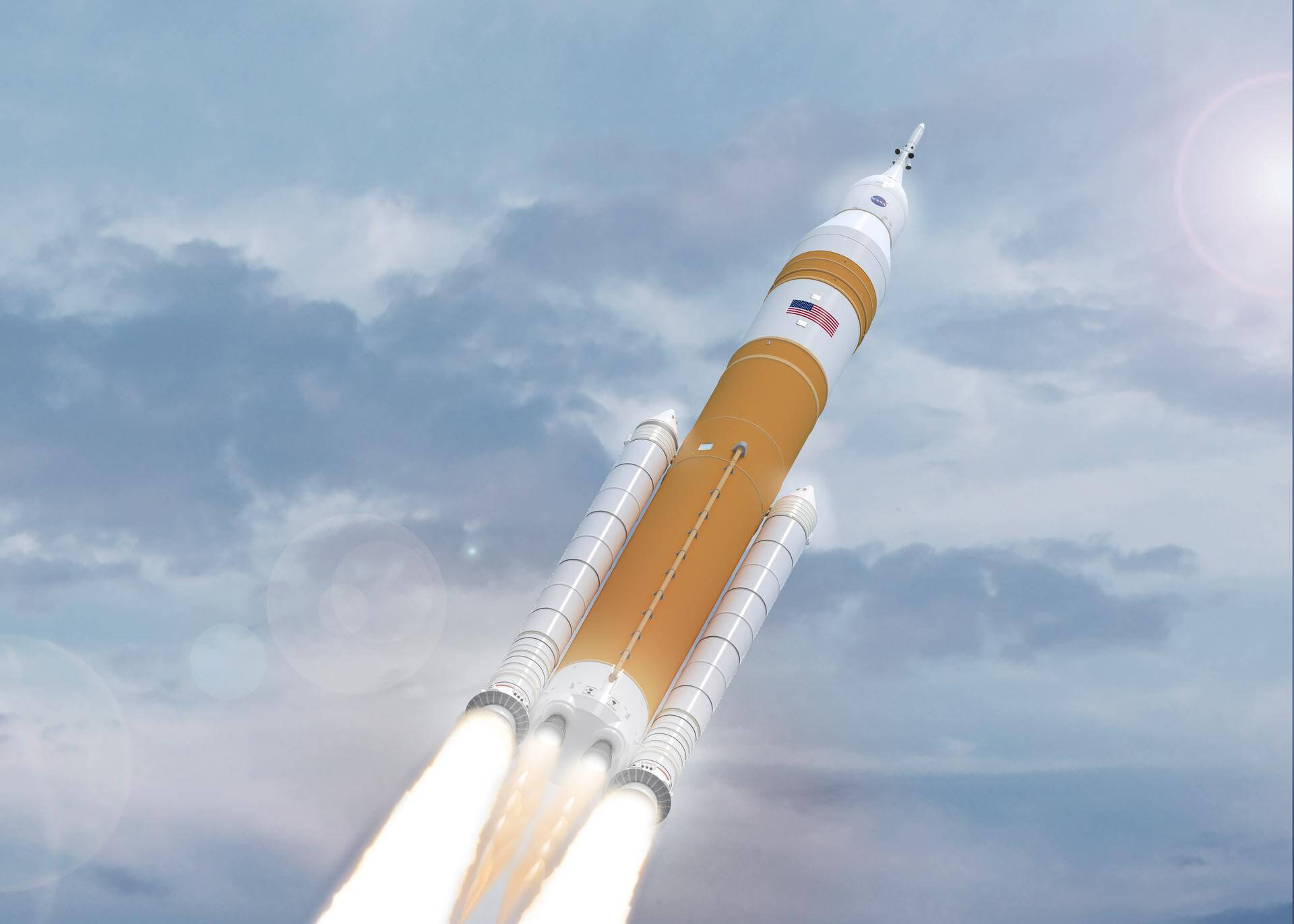
SLS Block 1B | Artemis IV
National Aeronautics and Space Administration | United States of AmericaKennedy Space Center, FL, USA
TBD June, 2028
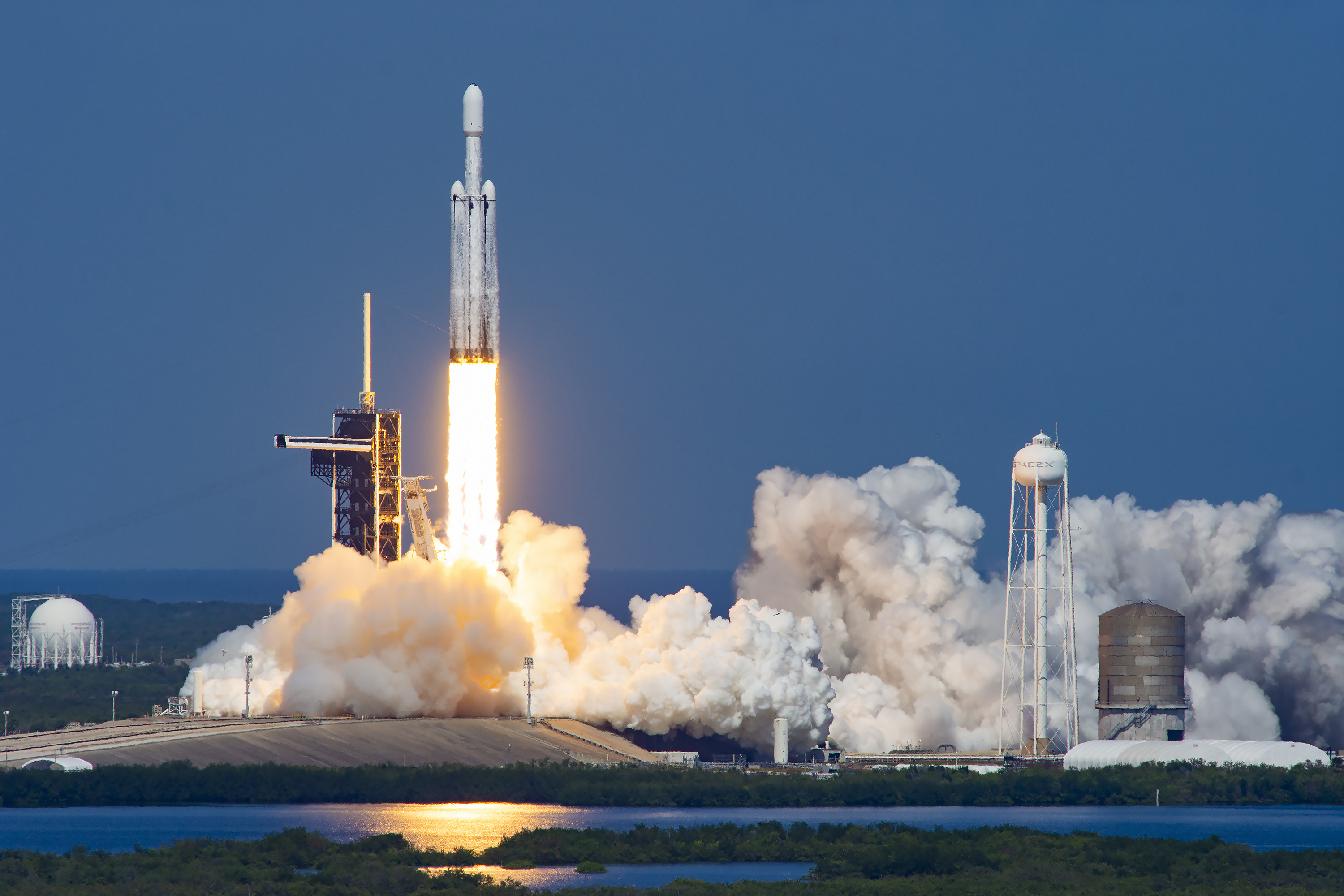
Falcon Heavy | Dragonfly
SpaceX | United States of AmericaKennedy Space Center, FL, USA
TBD July, 2028
Status: To Be Determined
Mission:
Dragonfly is NASA's 4th New Frontiers program mission that will send a robotic rotorcraft to fly within the atmosphere of Saturn's moon Titan to sample materials and determine surface composition in different geologic settings, advancing humanity's search for the building blocks of life. The craft is a large quadcopter with double rotors with mass of about 875 kg, featuring rotors of 1.35 m in diameter. It can fly through several kilometers within an hour and will perform 1 flight per Titan day (~16 Earth days). During the planned 3.3-year mission, Dragonfly is expected to cover distance up to several hundred km. Dragonfly will use a Multi-Mission Radioisotope Thermoelectric Generator (MMRTG) to power its instruments. The planned science instrument suite is: * DragonCam: Camera Suite * DrACO: Drill for Acquisition of Complex Organics * DraMS: Mass Spectrometer * DraGNS: Gamma-ray and Neutron Spectrometer * DraGMet: Geophysics and Meteorology
Heliocentric N/A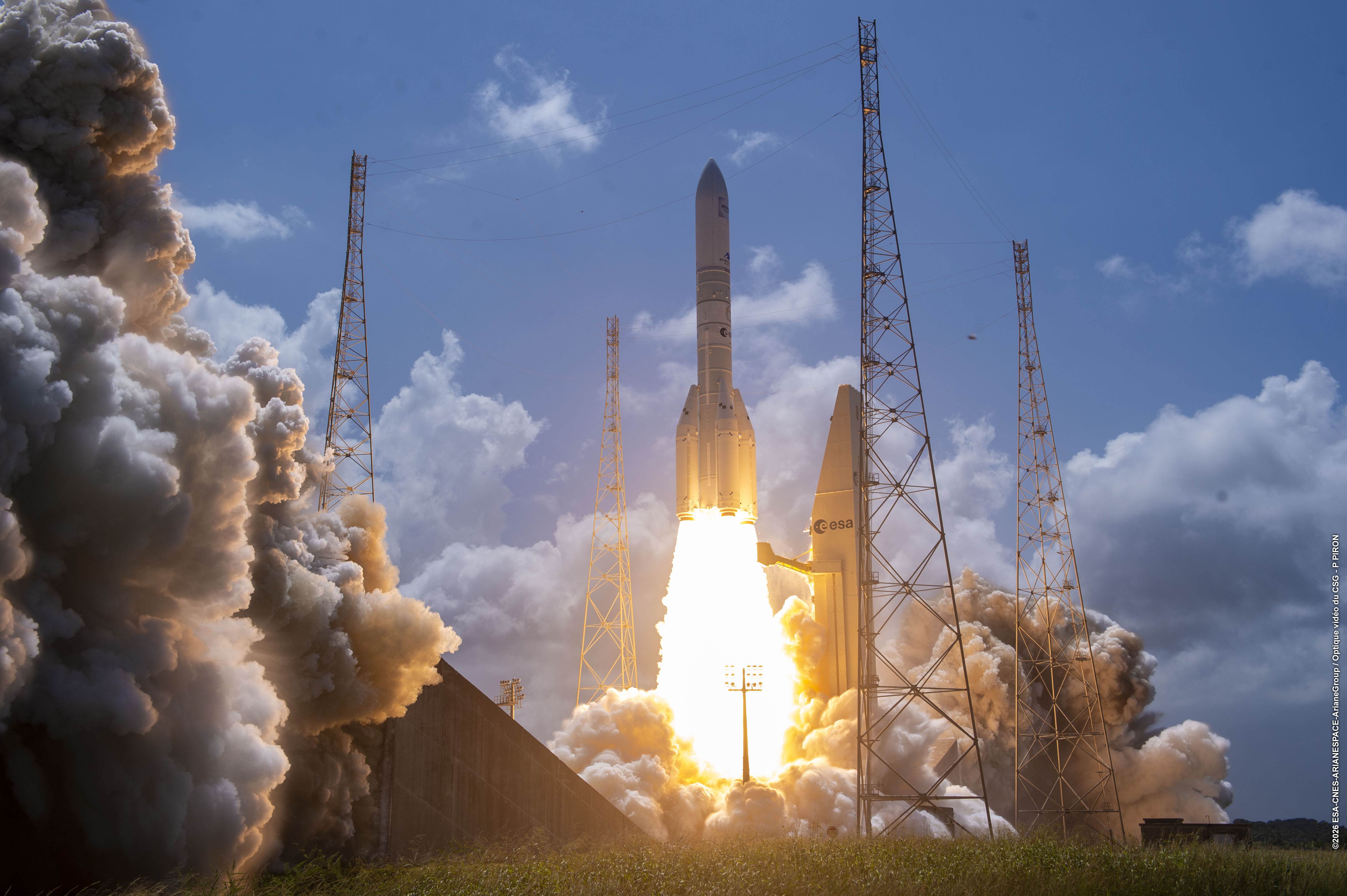
Ariane 64 | Comet Interceptor
ArianeGroup | FranceGuiana Space Centre, French Guiana
TBD August, 2028
Status: To Be Determined
Mission:
ESA's Comet Interceptor consists of three spacecraft which will be positioned at the Sun-Earth Lagrange point L2, where they will wait for a long-period comet or an interstellar object to come by. Once the desired target appears, the spacecraft will separate and perform a flyby of the target, compiling a detailed 3D profile of a comet.
Heliocentric N/A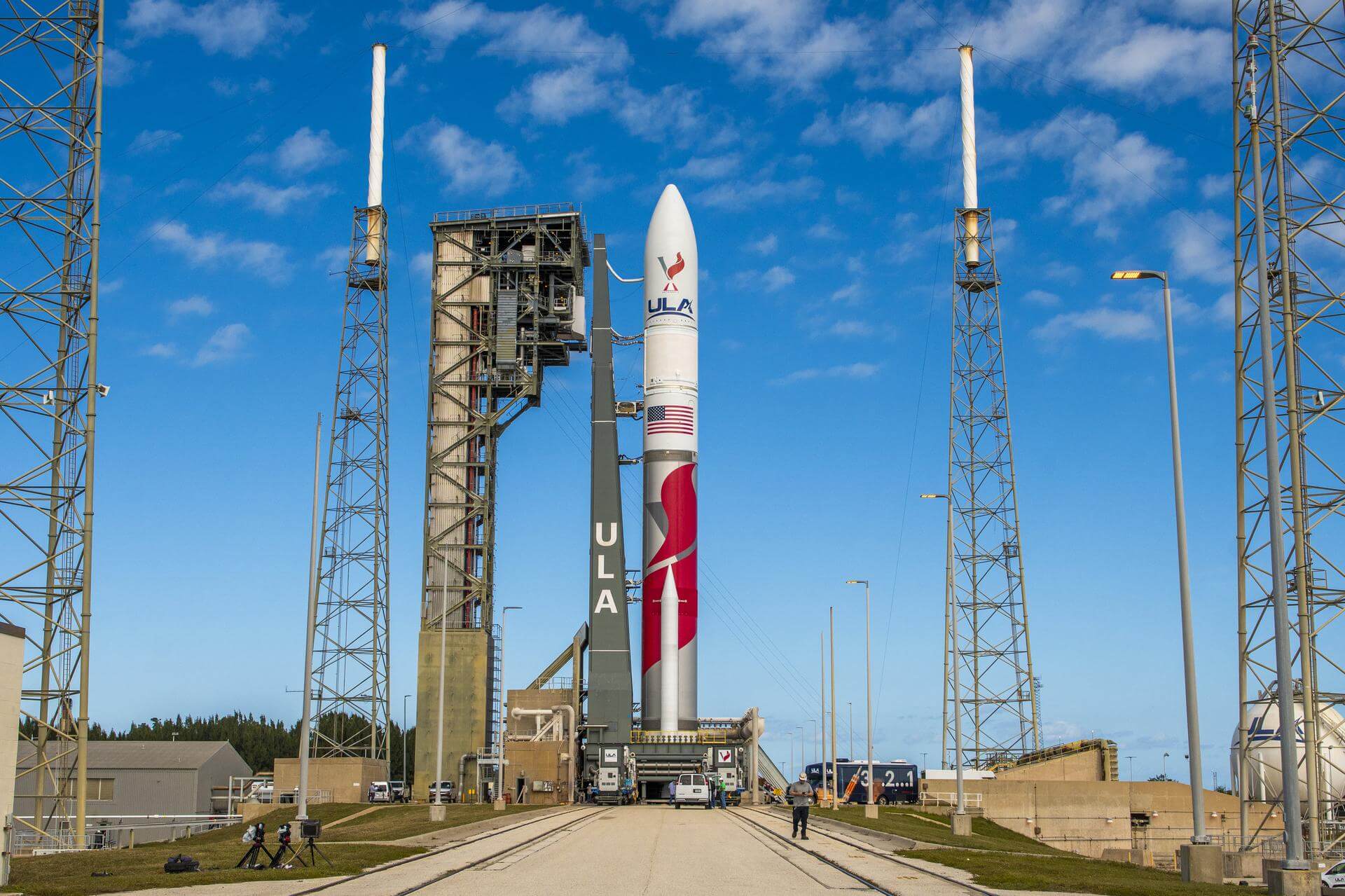
Vulcan | USSF-70
United Launch Alliance | United States of AmericaCape Canaveral SFS, FL, USA
TBD September, 2028
Falcon 9 Block 5 | SEOPS Waymaker-1
SpaceX | United States of AmericaVandenberg SFB, CA, USA
TBD September, 2028
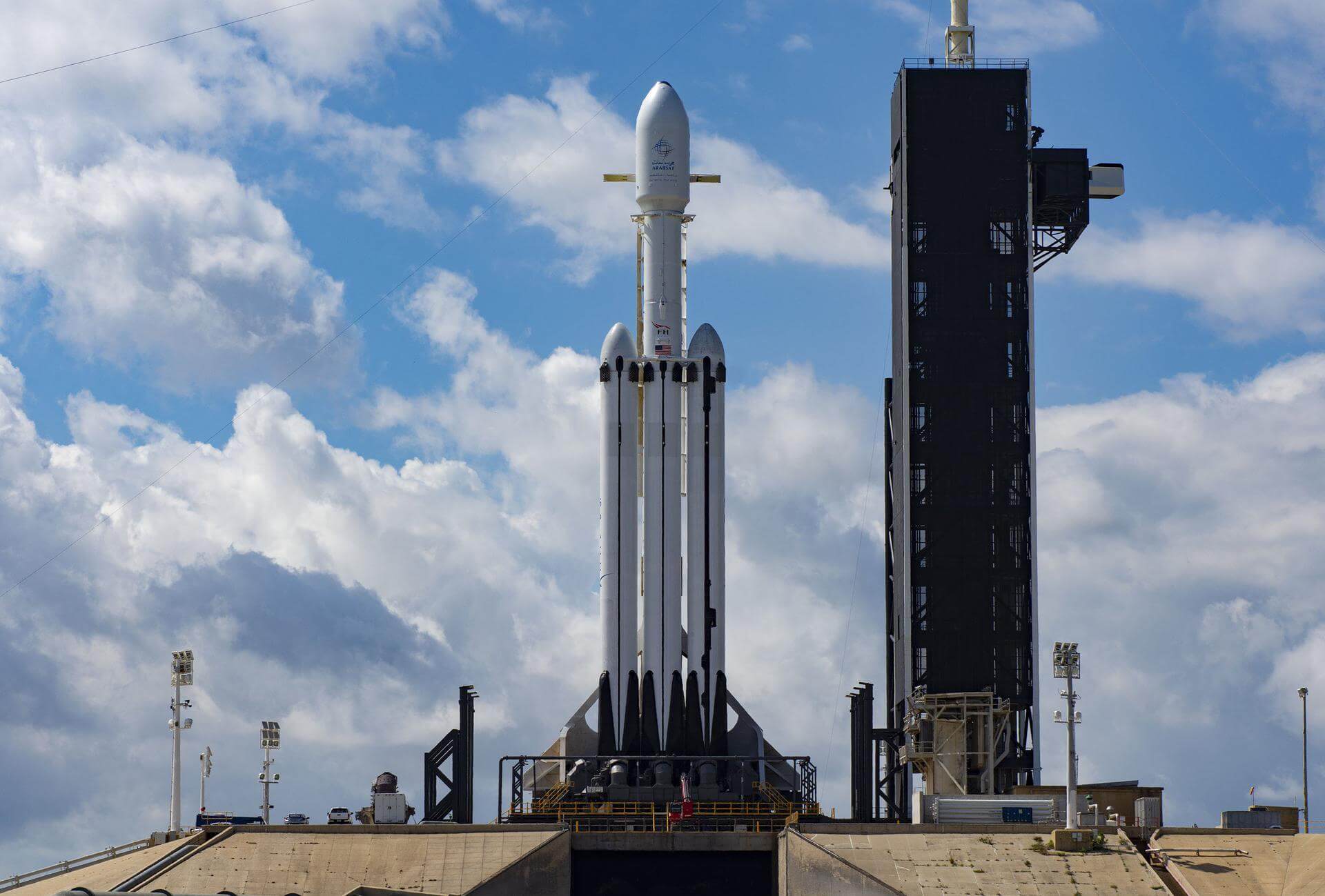
Falcon Heavy | ExoMars 2028 Rosalind Franklin rover
SpaceX | United States of AmericaKennedy Space Center, FL, USA
TBD October, 2028
Status: To Be Determined
Mission:
ExoMars 2028 is a second mission of two-part European Space Agency astrobiology project to search for evidence of life on Mars. The primary objective is to land the rover at a site with high potential for finding well-preserved organic material, particularly from the very early history of the planet. The rover is expected to travel several kilometers during its mission. The European rover will be the first mission to combine the capability to move across the surface and to study Mars at depth. It will collect samples with a drill down to a depth of 2 m and analyze them with next-generation instruments in an onboard laboratory. Underground samples are more likely to include biomarkers, since the tenuous martian atmosphere offers little protection from radiation and photochemistry at the surface.
Heliocentric N/A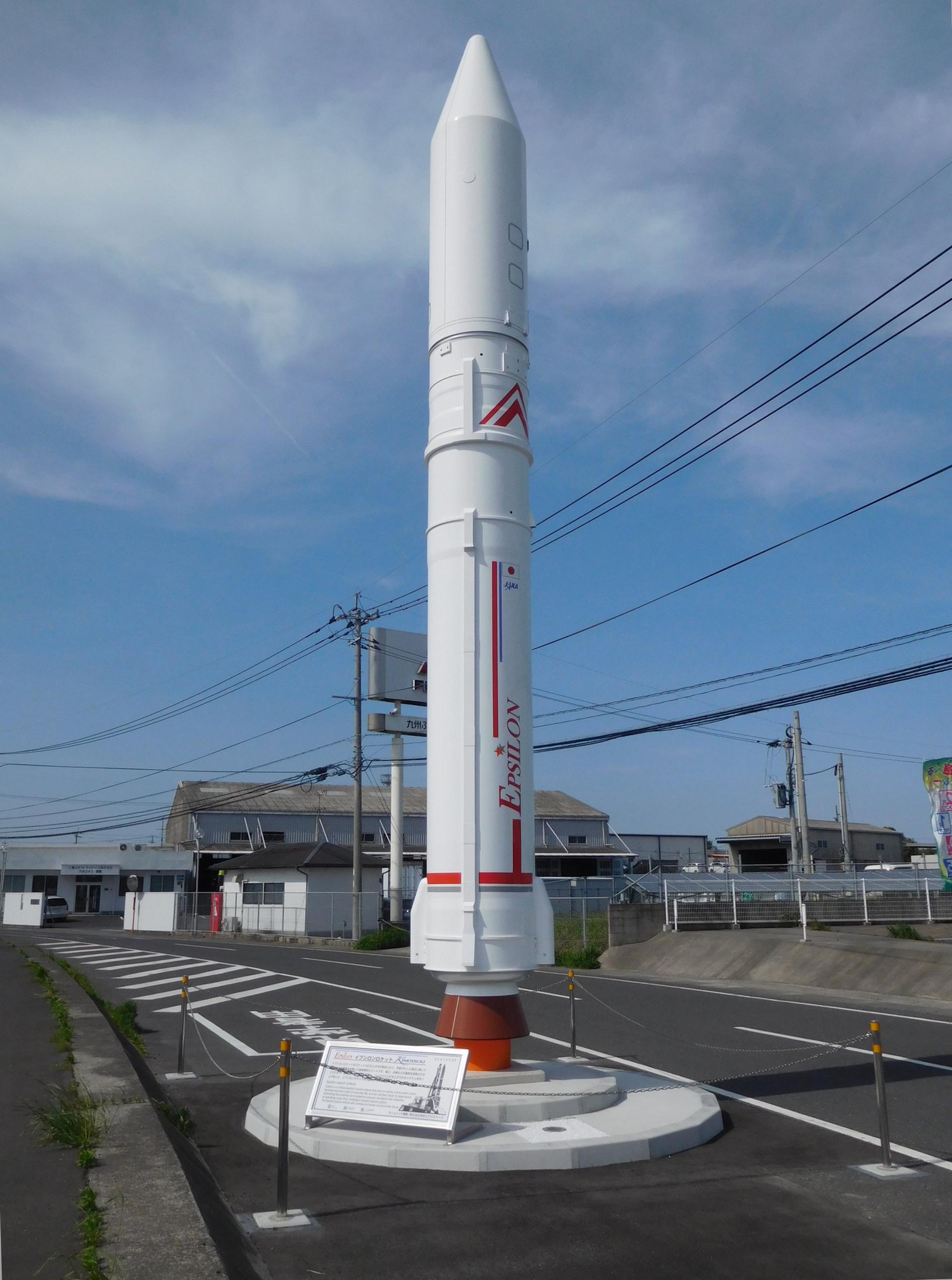
Epsilon S | SOLAR-C
Japan Aerospace Exploration Agency | JapanUchinoura Space Center, Japan
TBD November, 2028
Status: To Be Determined
Mission:
SOLAR-C is a Japan-led international mission with the cooperation by the US and European countries. It aims to gain new insights into the fundamental physical mechanisms driving solar plasma dynamics by performing three simultaneous UV observations. The first consists to observe the broad range of temperatures, spanning over three orders of magnitude from the 10,000 Kelvin chromosphere to the million Kelvin corona, and even to the 15 million Kelvin solar flares. The second consists to resolve the elemental structures at high spatial (0.4 arcsec) and temporal (1 sec) resolution and trace their evolutions by increasing the ability to collect the solar UV rays 10 to 30 times as much as before. The third consists to conduct a high dispersion spectroscopy (equivalent to a velocity resolution of 2 km/s) to obtain spectroscopic information that enables quantitative diagnostics (such as velocity, temperature, density, ionization degree, and abundance). By combining the three observations, SOLAR-C can analyze the dynamically evolving solar atmospheres over a wide altitude range from the chromosphere to the corona while resolving elemental structures.
Sun-Synchronous OrbitFalcon 9
Starlink Group 17-49
Space Launch Complex 4E - Vandenberg SFB, CA, USAA batch of 24 satellites for the Starlink mega-constellation - SpaceX's project for space-based Internet communication system.
Falcon 9
Starlink Group 10-19
Space Launch Complex 40 - Cape Canaveral SFS, FL, USAA batch of 29 satellites for the Starlink mega-constellation - SpaceX's project for space-based Internet communication system.
H3-22
Michibiki 7 (QZS-7)
Yoshinobu Launch Complex LP-2 - Tanegashima Space Center, JapanQZSS (Quasi Zenith Satellite System) is a Japanese satellite navigation system operating from inclined, elliptical geosynchronous orbits to achieve o…
Long March 7A
ChinaSat 4B
201 - Wenchang Space Launch Site, People's Republic of ChinaChinese communication geostationary satellite for unknown purposes.
Falcon 9
Starlink Group 17-38
Space Launch Complex 4E - Vandenberg SFB, CA, USAA batch of 24 satellites for the Starlink mega-constellation - SpaceX's project for space-based Internet communication system.
Electron
The Grain Goddess Provides (iQPS Launch 7)
Rocket Lab Launch Complex 1A - Rocket Lab Launch Complex 1, Mahia Peninsula, New ZealandSynthetic aperture radar Earth observation satellite for Japanese Earth imaging company iQPS.
Falcon 9
BlueBird 11-13 (Block 2 #6-8)
Space Launch Complex 40 - Cape Canaveral SFS, FL, USAAST SpaceMobile’s Block 2 BlueBird satellites are designed to deliver up to 10 times the bandwidth capacity of the BlueBird Block 1 satellites, requi…
Smart Dragon 3
OSE HS-01 & 02
Haiyang offshore launch location - Haiyang Oriental Spaceport2 hyper-spectral Earth observation satellites from Chinese company STAR.VISION. Both satellites are built in corporation with foreign customers: *…
Falcon 9
Starlink Group 17-53
Space Launch Complex 4E - Vandenberg SFB, CA, USAA batch of 24 satellites for the Starlink mega-constellation - SpaceX's project for space-based Internet communication system.
Long March 8A
SatNet LEO Group 23
Commercial LC-1 - Wenchang Space Launch Site, People's Republic of ChinaA batch of 9 Low Earth Orbit communication satellites for the Chinese state owned SatNet constellation operated by the China Satellite Network Group.…

