Upcoming Spaceflight Launches
Filter by Agency, Locations or Vehicles
Show All Launches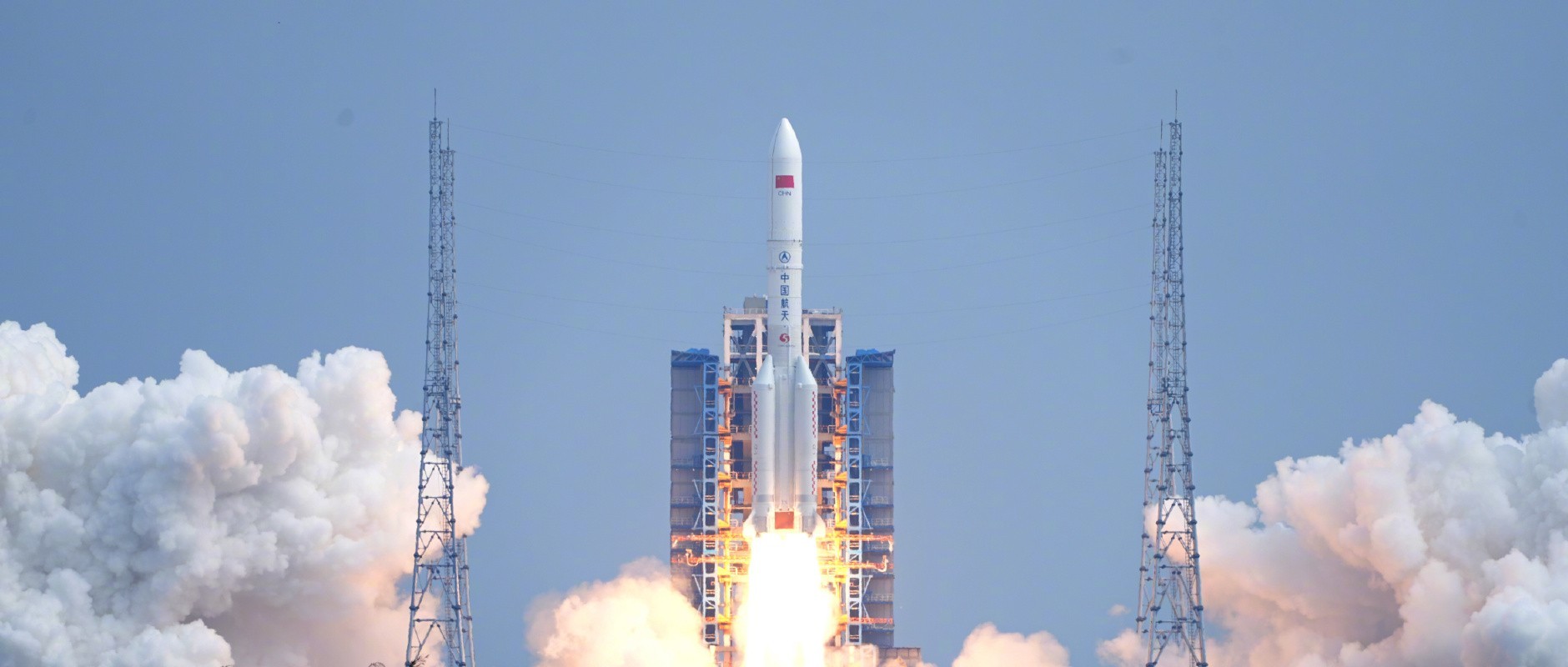
Long March 5 | Chang'e 8
China Aerospace Science and Technology Corporation | ChinaWenchang Space Launch Site, People's Republic of China
TBD December, 2029
Status: To Be Determined
Mission:
Chang'e 8/CE-8 is scheduled to launch in 2028, including a lander, a rover and a legged robot. The mission will land in the South Pole regions of the Moon to study lunar surface environment around the South Pole and experimenting with resource utilization, including testing an enclosed terrestrial ecosystem in the lunar environment.
Lunar Orbit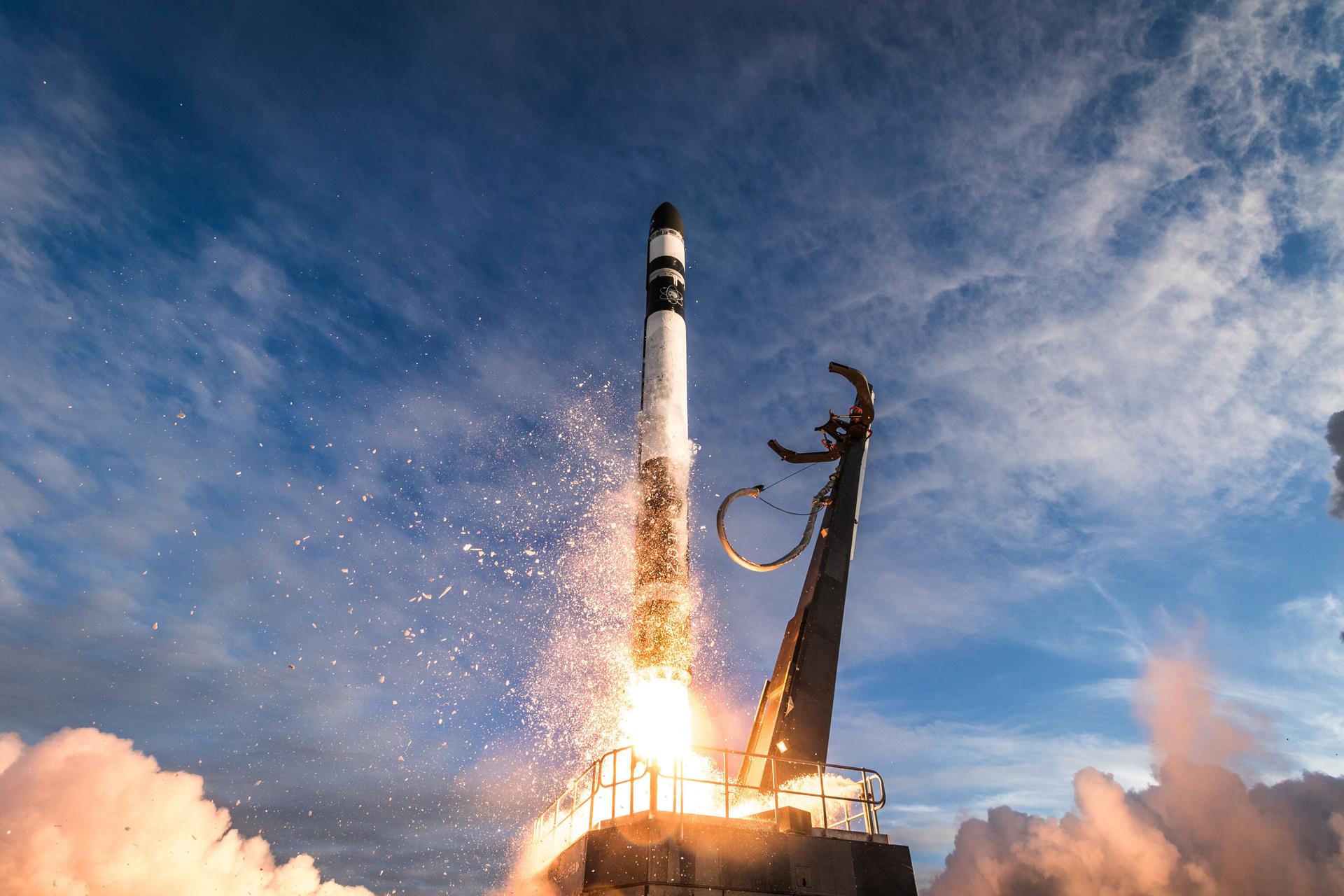
Electron | StriX Launch 24
Rocket Lab | United States of AmericaRocket Lab Launch Complex 1, Mahia Peninsula, New Zealand
TBD December, 2029
Electron | StriX Launch 21
Rocket Lab | United States of AmericaRocket Lab Launch Complex 1, Mahia Peninsula, New Zealand
TBD December, 2029
Electron | StriX Launch 27
Rocket Lab | United States of AmericaRocket Lab Launch Complex 1, Mahia Peninsula, New Zealand
TBD December, 2029
Electron | StriX Launch 26
Rocket Lab | United States of AmericaRocket Lab Launch Complex 1, Mahia Peninsula, New Zealand
TBD December, 2029
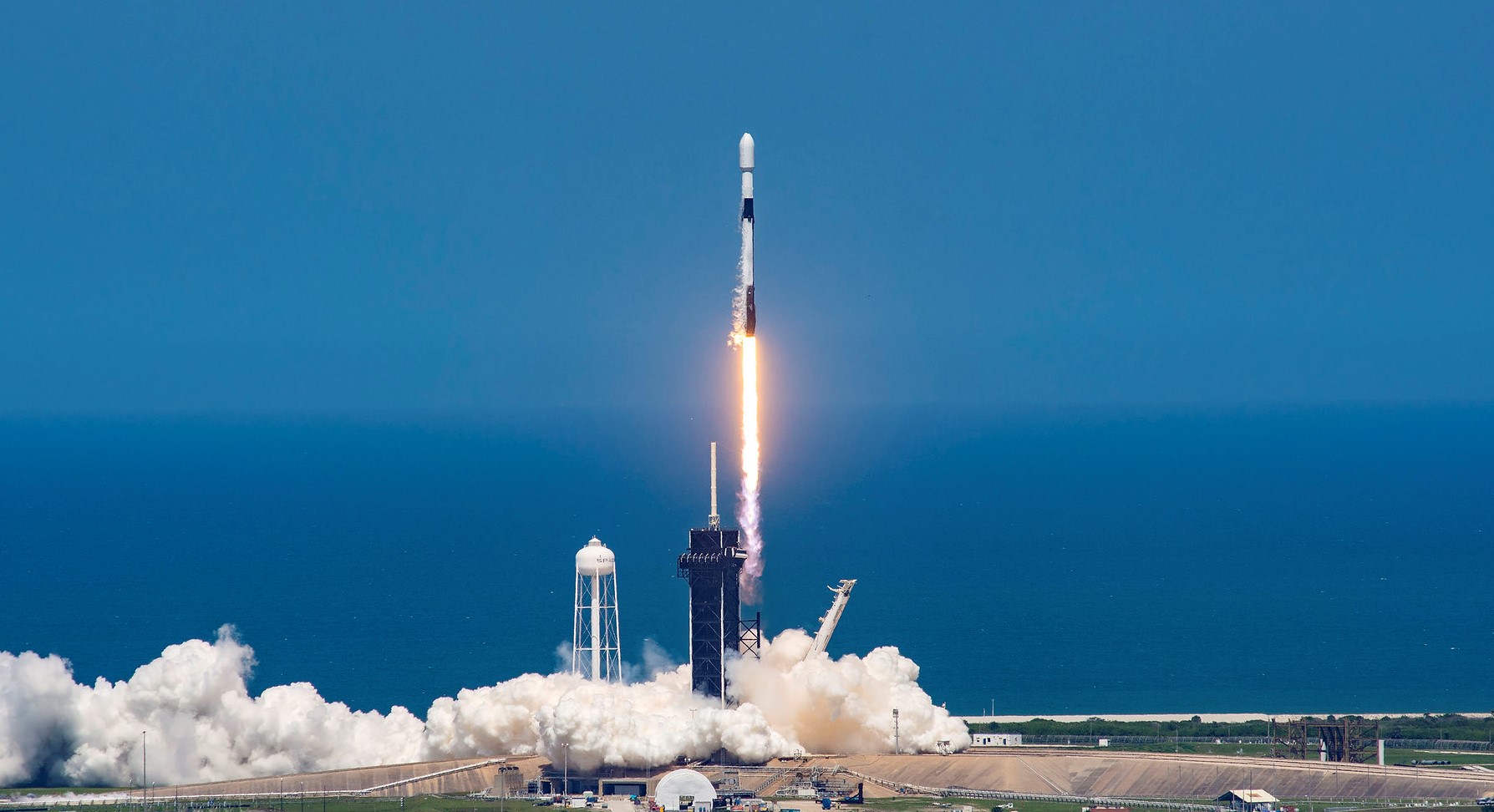
Falcon 9 Block 5 | Amazon Leo (LF-08)
SpaceX | United States of AmericaCape Canaveral SFS, FL, USA
TBD December, 2029
Status: To Be Determined
Mission:
Amazon Leo, formerly known as Project Kuiper, is a mega constellation of satellites in Low Earth Orbit designed to offer broadband internet access managed by Kuiper Systems LLC, a subsidiary of Amazon. This constellation is planned to be composed of 3,276 satellites. The satellites are projected to be placed in 98 orbital planes in three orbital layers, one at 590 km, 610 km and 630 km altitude.
Low Earth OrbitElectron | StriX Launch 22
Rocket Lab | United States of AmericaRocket Lab Launch Complex 1, Mahia Peninsula, New Zealand
TBD December, 2029
Falcon 9 Block 5 | Amazon Leo (LF-06)
SpaceX | United States of AmericaCape Canaveral SFS, FL, USA
TBD December, 2029
Status: To Be Determined
Mission:
Amazon Leo, formerly known as Project Kuiper, is a mega constellation of satellites in Low Earth Orbit designed to offer broadband internet access managed by Kuiper Systems LLC, a subsidiary of Amazon. This constellation is planned to be composed of 3,276 satellites. The satellites are projected to be placed in 98 orbital planes in three orbital layers, one at 590 km, 610 km and 630 km altitude.
Low Earth OrbitElectron | StriX Launch 19
Rocket Lab | United States of AmericaRocket Lab Launch Complex 1, Mahia Peninsula, New Zealand
TBD December, 2029
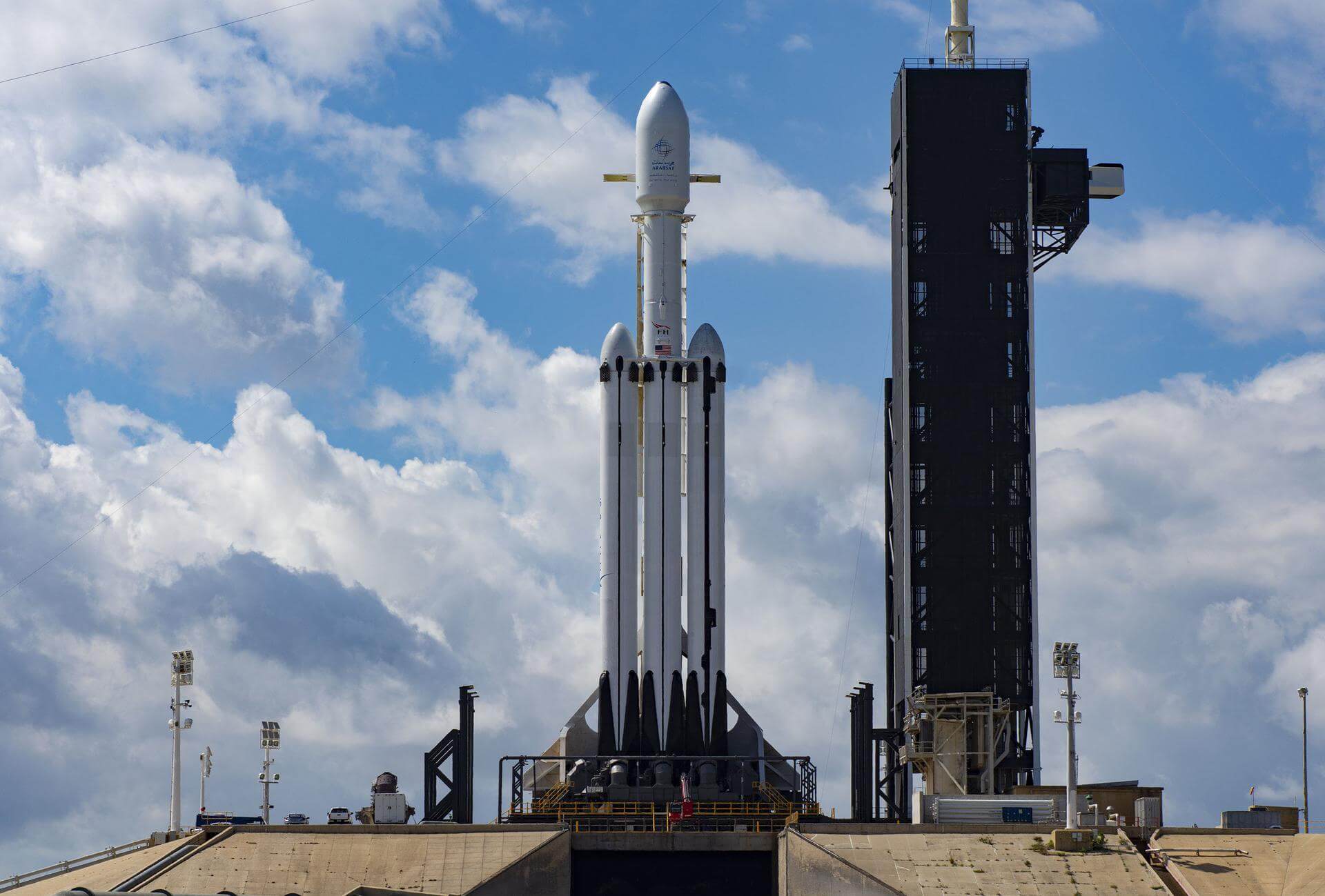
Falcon Heavy | NROL-97
SpaceX | United States of AmericaKennedy Space Center, FL, USA
TBD December, 2029
Electron
The Grain Goddess Provides (iQPS Launch 7)
Rocket Lab Launch Complex 1A - Rocket Lab Launch Complex 1, Mahia Peninsula, New ZealandSynthetic aperture radar Earth observation satellite for Japanese Earth imaging company iQPS.
Falcon 9
BlueBird 11-13 (Block 2 #6-8)
Space Launch Complex 40 - Cape Canaveral SFS, FL, USAAST SpaceMobile’s Block 2 BlueBird satellites are designed to deliver up to 10 times the bandwidth capacity of the BlueBird Block 1 satellites, requi…
Smart Dragon 3
OSE HS-01 & 02
Haiyang offshore launch location - Haiyang Oriental Spaceport2 hyper-spectral Earth observation satellites from Chinese company STAR.VISION. Both satellites are built in corporation with foreign customers: *…
Falcon 9
Starlink Group 17-53
Space Launch Complex 4E - Vandenberg SFB, CA, USAA batch of 24 satellites for the Starlink mega-constellation - SpaceX's project for space-based Internet communication system.
Long March 8A
SatNet LEO Group 23
Commercial LC-1 - Wenchang Space Launch Site, People's Republic of ChinaA batch of 9 Low Earth Orbit communication satellites for the Chinese state owned SatNet constellation operated by the China Satellite Network Group.…
Falcon 9
Starlink Group 17-52
Space Launch Complex 4E - Vandenberg SFB, CA, USAA batch of 24 satellites for the Starlink mega-constellation - SpaceX's project for space-based Internet communication system.
Falcon 9
NROL-95
Space Launch Complex 40 - Cape Canaveral SFS, FL, USAClassified payload for the US National Reconnaissance Office.
Long March 6A
TJSW-27A & B
Launch Complex 9A - Taiyuan Satellite Launch Center, People's Republic of China2 Chinese classified satellites claimed to be for communication technology test purposes. Actual mission not known.
Long March 7A
Tianlian 3-01
201 - Wenchang Space Launch Site, People's Republic of ChinaTianlian is a Chinese data tracking and relay communications geostationary satellite series. The TL-3 (Tian Lian 3) satellites are the 3rd generation…
Falcon 9
Starlink Group 17-51
Space Launch Complex 4E - Vandenberg SFB, CA, USAA batch of 24 satellites for the Starlink mega-constellation - SpaceX's project for space-based Internet communication system.

