SpaceX Launch Schedule
Filter by Agency, Locations or Vehicles
Show All Launches
Falcon 9 Block 5 | Starlink Group 17-53
SpaceX | United States of AmericaVandenberg SFB, CA, USA
Aug. 4, 2026, 4:24 p.m.
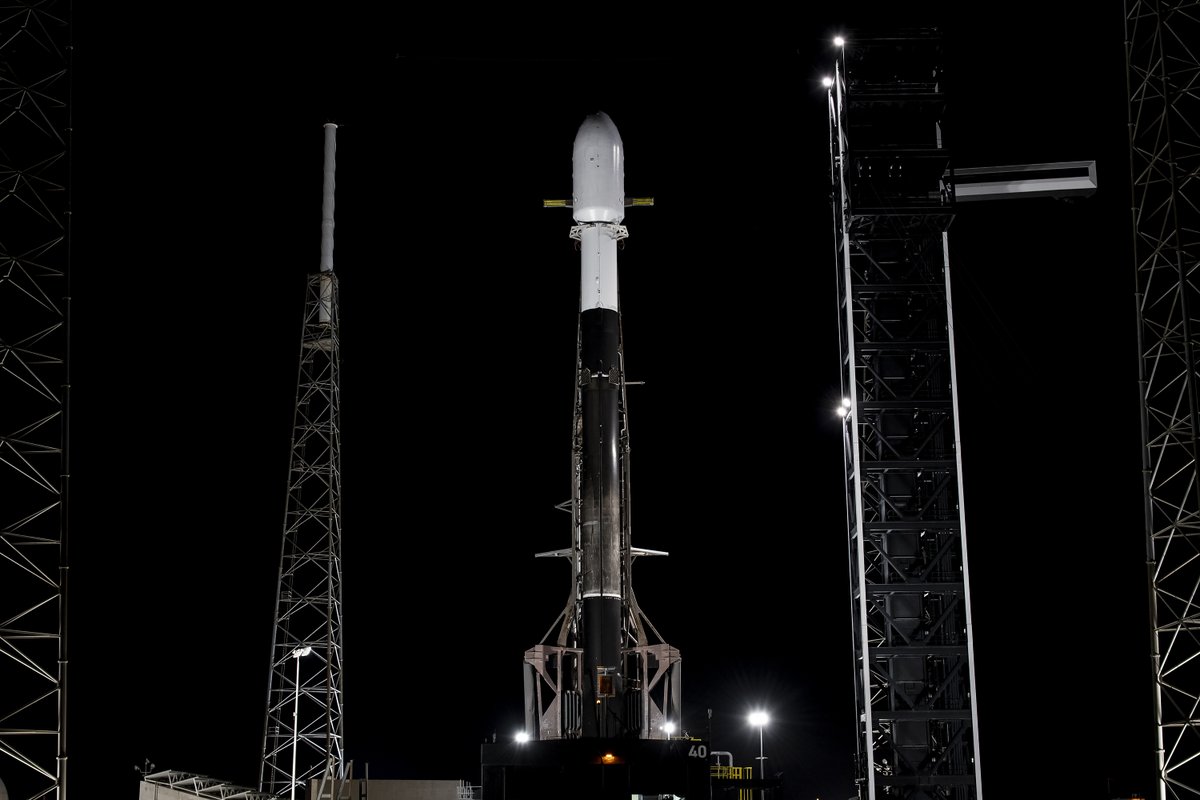
Falcon 9 Block 5 | BlueBird 11-13 (Block 2 #6-8)
SpaceX | United States of AmericaCape Canaveral SFS, FL, USA
Aug. 5, 2026, 7:42 a.m.
Status: Go for Launch
Mission:
AST SpaceMobile’s Block 2 BlueBird satellites are designed to deliver up to 10 times the bandwidth capacity of the BlueBird Block 1 satellites, required to achieve 24/7 continuous cellular broadband service coverage in the United States, with beams designed to support a capacity of up to 40 MHz, enabling peak data transmission speeds up to 120 Mbps, supporting voice, full data and video applications. The Block 2 BlueBirds, featuring as large as 2400 square foot communications arrays, will be the largest satellites ever commercially deployed in Low Earth orbit once launched. This launch will feature 3 satellites.
Low Earth Orbit B1077 - Flight Proven ( ) A Shortfall of GravitasFalcon 9 Block 5 | Starlink Group 17-38
SpaceX | United States of AmericaVandenberg SFB, CA, USA
Aug. 8, 2026, 2 p.m.
Falcon 9 Block 5 | Starlink Group 10-19
SpaceX | United States of AmericaCape Canaveral SFS, FL, USA
Aug. 10, 2026, 2:49 p.m.
Falcon 9 Block 5 | Starlink Group 17-49
SpaceX | United States of AmericaVandenberg SFB, CA, USA
Aug. 12, 2026, 2 a.m.
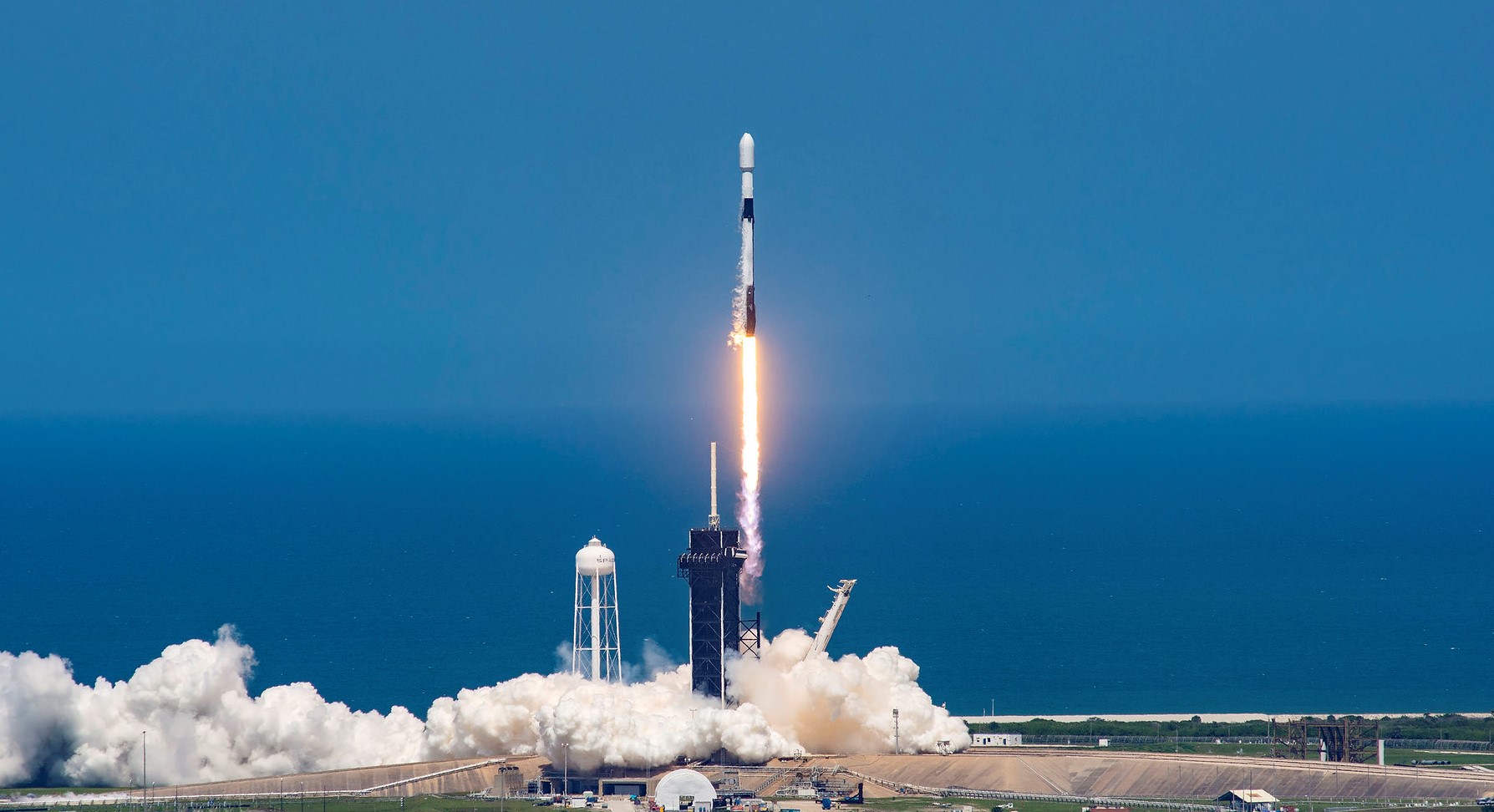
Falcon 9 Block 5 | Globalstar 2-R Mission 1 (x 9)
SpaceX | United States of AmericaCape Canaveral SFS, FL, USA
August 16, 2026
Status: To Be Confirmed
Mission:
The Globalstar global mobile communications network offers global, digital real time voice, data and fax services via its Low Earth Orbit satellite constellation. The constellation operates in a 1410 km orbit inclined at 52 degrees. In early 2022, Globalstar contracted with MDA for the construction of 17 new 2nd generation refresh satellites to replenish the existing constellation. Rocket Lab is sub-contracted to build the satellites' buses and the launch dispensers.
Low Earth Orbit Unknown F9 - Maiden Flight A Shortfall of Gravitas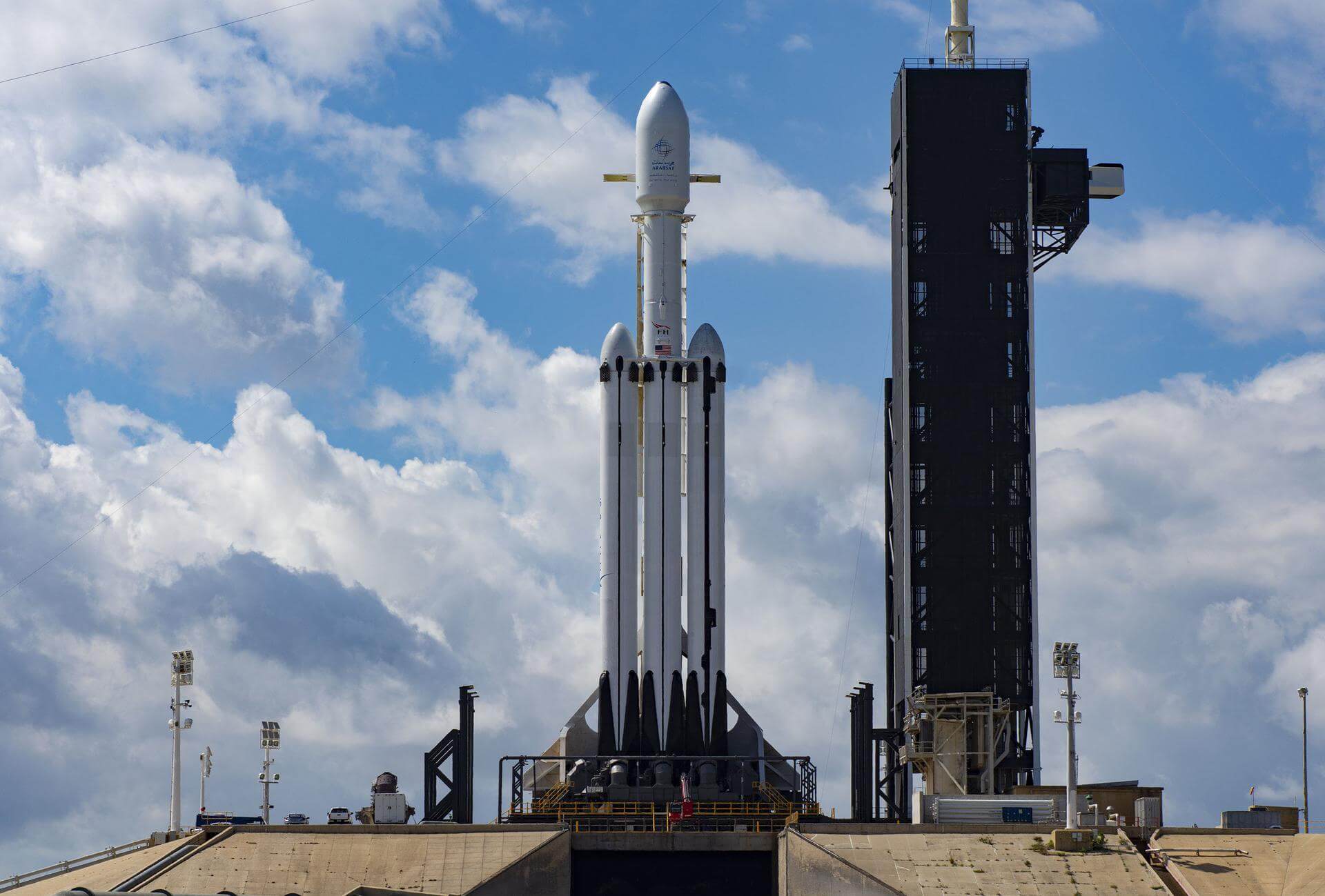
Falcon Heavy | Nancy Grace Roman Space Telescope
SpaceX | United States of AmericaKennedy Space Center, FL, USA
Aug. 30, 2026, 11:26 a.m.
Status: Go for Launch
Mission:
The Nancy Grace Roman Space Telescope is a NASA infrared space telescope with a 2.4 m (7.9 ft) wide field of view primary mirror and two scientific instruments. The Wide-Field Instrument (WFI) is a 300.8-megapixel multi-band visible and near-infrared camera, providing a sharpness of images comparable to that achieved by the Hubble Space Telescope over a 0.28 square degree field of view, 100 times larger than imaging cameras on the Hubble. The Coronagraphic Instrument (CGI) is a high-contrast, small field of view camera and spectrometer covering visible and near-infrared wavelengths using novel starlight-suppression technology. Roman objectives include a search for extra-solar planets using gravitational microlensing, and probing the expansion history of the Universe and the growth of cosmic structure, with the goal of measuring the effects of dark energy, the consistency of general relativity, and the curvature of spacetime.
Sun-Earth L2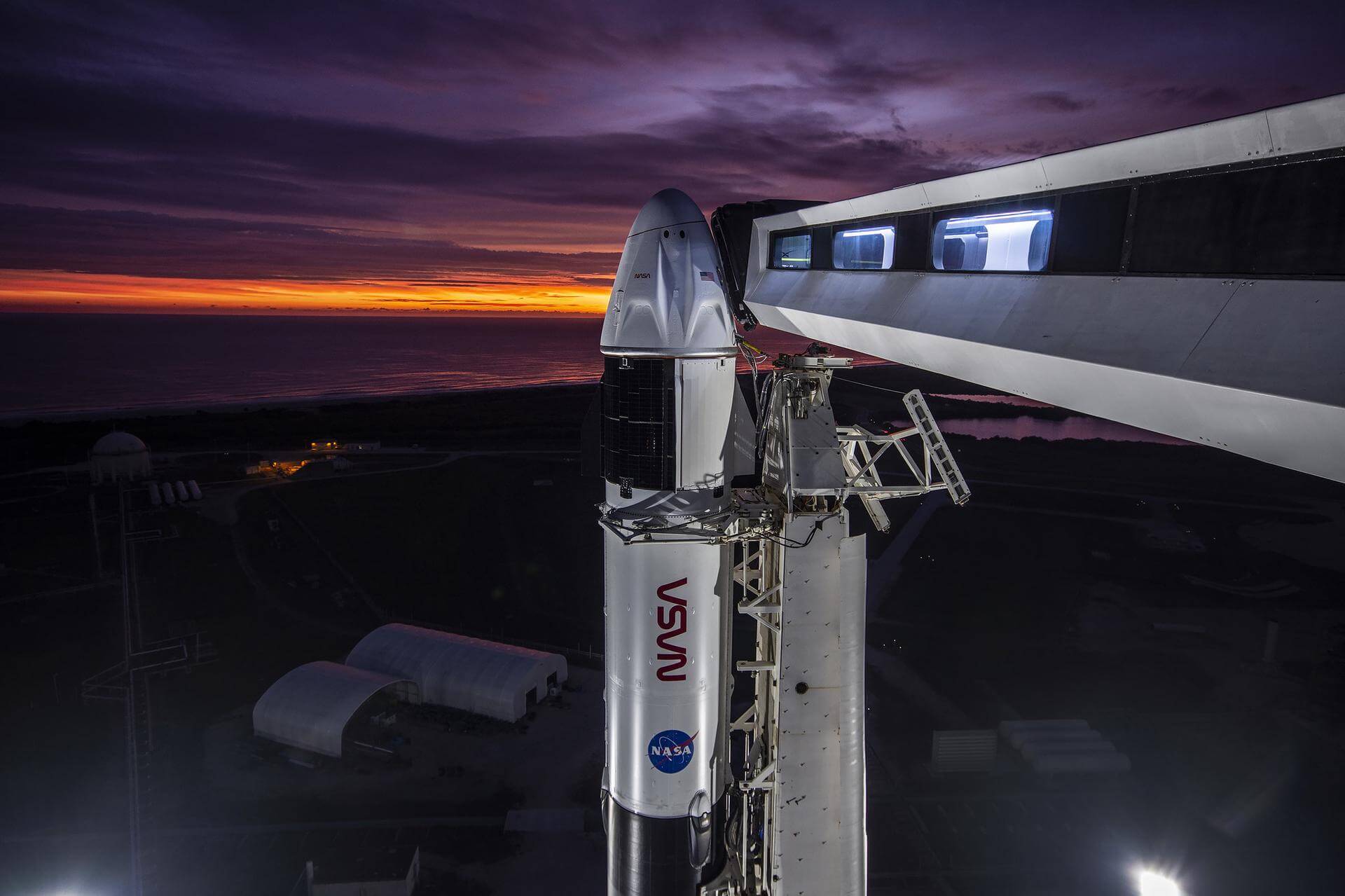
Falcon 9 Block 5 | Crew-13
SpaceX | United States of AmericaCape Canaveral SFS, FL, USA
Sept. 12, 2026, 10:34 p.m.
Falcon 9 Block 5 | SDA Tranche 1 Transport Layer A
SpaceX | United States of AmericaVandenberg SFB, CA, USA
TBD September, 2026
Status: To Be Determined
Mission:
Tranche 1 Transport Layer A is one of six missions by the United States Space Force Space Development Agency (SDA) for the Proliferated Warfighter Space Architecture (PWSA) Tranche 1 Transport Layer constellation, which will provide assured, resilient, low-latency military data and connectivity worldwide to the full range of warfighter platforms from Low Earth Orbit satellites. The constellation will be interconnected with Optical Inter-Satellite Links (OISLs) which have significantly increased performance over existing radio frequency crosslinks. It is expected to operate over Ka band, have stereo coverage and be dynamically networked for simpler hand-offs, greater bandwidth and fault tolerance. This launch carries 21 satellites manufactured by Northrop Grumman.
Polar OrbitFalcon 9 Block 5 | SDA Tranche 1 Transport Layer D
SpaceX | United States of AmericaVandenberg SFB, CA, USA
TBD September, 2026
Status: To Be Determined
Mission:
Tranche 1 Transport Layer D is one of six missions by the United States Space Force Space Development Agency (SDA) for the Proliferated Warfighter Space Architecture (PWSA) Tranche 1 Transport Layer constellation, which will provide assured, resilient, low-latency military data and connectivity worldwide to the full range of warfighter platforms from Low Earth Orbit satellites. The constellation will be interconnected with Optical Inter-Satellite Links (OISLs) which have significantly increased performance over existing radio frequency crosslinks. It is expected to operate over Ka band, have stereo coverage and be dynamically networked for simpler hand-offs, greater bandwidth and fault tolerance.
Polar OrbitFalcon 9
Starlink Group 17-52
Space Launch Complex 4E - Vandenberg SFB, CA, USAA batch of 24 satellites for the Starlink mega-constellation - SpaceX's project for space-based Internet communication system.
Falcon 9
NROL-95
Space Launch Complex 40 - Cape Canaveral SFS, FL, USAClassified payload for the US National Reconnaissance Office.
Long March 6A
TJSW-27A & B
Launch Complex 9A - Taiyuan Satellite Launch Center, People's Republic of China2 Chinese classified satellites claimed to be for communication technology test purposes. Actual mission not known.
Long March 7A
Tianlian 3-01
201 - Wenchang Space Launch Site, People's Republic of ChinaTianlian is a Chinese data tracking and relay communications geostationary satellite series. The TL-3 (Tian Lian 3) satellites are the 3rd generation…
Falcon 9
Starlink Group 17-51
Space Launch Complex 4E - Vandenberg SFB, CA, USAA batch of 24 satellites for the Starlink mega-constellation - SpaceX's project for space-based Internet communication system.
Starship
Flight 13
Orbital Launch Pad 2 - SpaceX Starbase, TX, USA13th test flight of the two-stage Starship launch vehicle. Second flight of Starship V3. For the first time, Starship will carry 20 V3 Starlink sa…
Kinetica 1
5 satellites
Launch Area 130 - Jiuquan Satellite Launch Center, People's Republic of ChinaShare-ride of 5 commercial Earth observation and technology demonstration satellites to SSO, including SpaceTY's TY-48. Details TBD.
Long March 3B/E
Tianlian 2-06
Launch Complex 2 (LC-2) - Xichang Satellite Launch Center, People's Republic of ChinaTianlian is a Chinese data tracking and relay communications geostationary satellite series. The TL 2 (Tian Lian 2) satellites represent the second g…
Gravity-1
9 satellites
Yellow Sea (launch location 5) - Haiyang Oriental SpaceportCarried 9 satellites on a share-ride to sun-synchronous orbit. Details TBD.
Falcon 9
MRV-1
Space Launch Complex 40 - Cape Canaveral SFS, FL, USAThe Northrop Grumman/SpaceLogistics MRV-1 is a mission extension payload including a mission robotic vehicle (MRV) and multiple mission extension pod…

