Soyuz 2.1a | Soyuz MS-26
Launch Successful
L - -- : -- : -- : --
Instantaneous launch window.
Launch Window
Sept. 11, 2024, 4:23 p.m. - Sept. 11, 2024, 4:23 p.m.


Instantaneous launch window.
Sept. 11, 2024, 4:23 p.m. - Sept. 11, 2024, 4:23 p.m.
Soyuz MS-26 will carry two cosmonauts and one astronaut to the International Space Station aboard the Soyuz spacecraft from the Baikonur Cosmodrome in Kazakhstan.

Launch successful.
Liftoff!

Official Webcast by NASA has started

Tweaked T-0.
Tweaked T-0.
The Soyuz 2.1A converted the flight control system from analog to digital, which allowed launch from fixed platforms. It also allowed big fairings and payloads. It is currently used for crewed Soyuz and Progress flights to the ISS.
Spacecraft launched to the ISS in September 2024.
Soyuz MS Details
Date of
Birth: Sept. 28, 1971
Age: 54
Date of
Birth: July 10, 1985
Age: 41
Date of
Birth: April 20, 1955
Age: 71
Progress Rocket Space Centre, formerly known as TsSKB-Progress, is a space science and aerospace research company which is known for manufacturing launch vehicles and satellites. Most notably, Progress Rocket Space Centre is the manufacturer of Soyuz launch vehicles.
INFO WIKI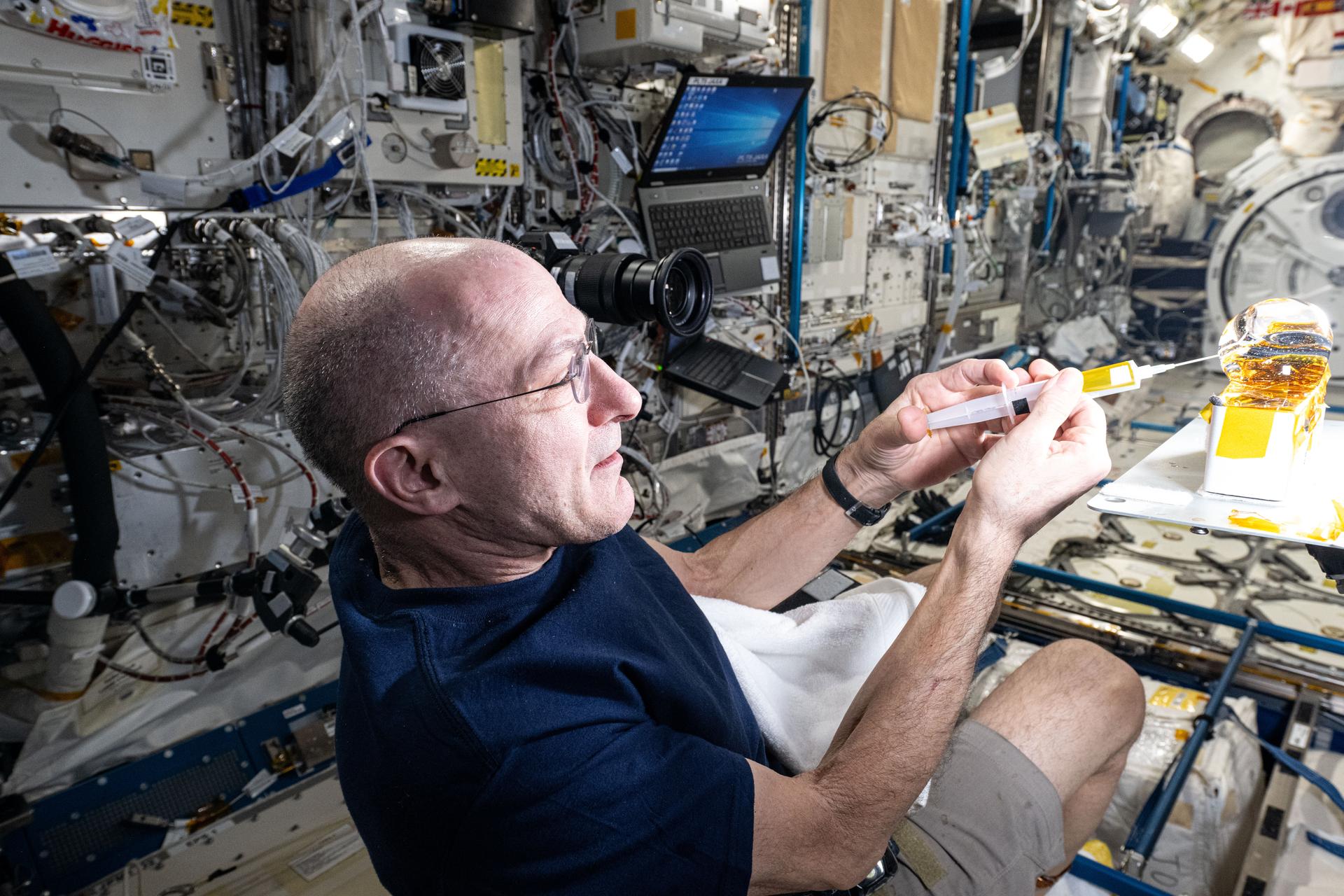
"When the flight docs say I'm ready to go back, I'm ready to do it."
Media are invited to a news conference at 2 p.m. EDT Monday, April 28, at NASA’s Johnson Space Center in Houston where astronaut Don Pettit will share details of his recent mission aboard the International Space Station. The news conferenc…

Weekly Pre Launch Preview: 4 Falcons, ISS Resupply, Recon Satellites, and G60 Constellation Launch

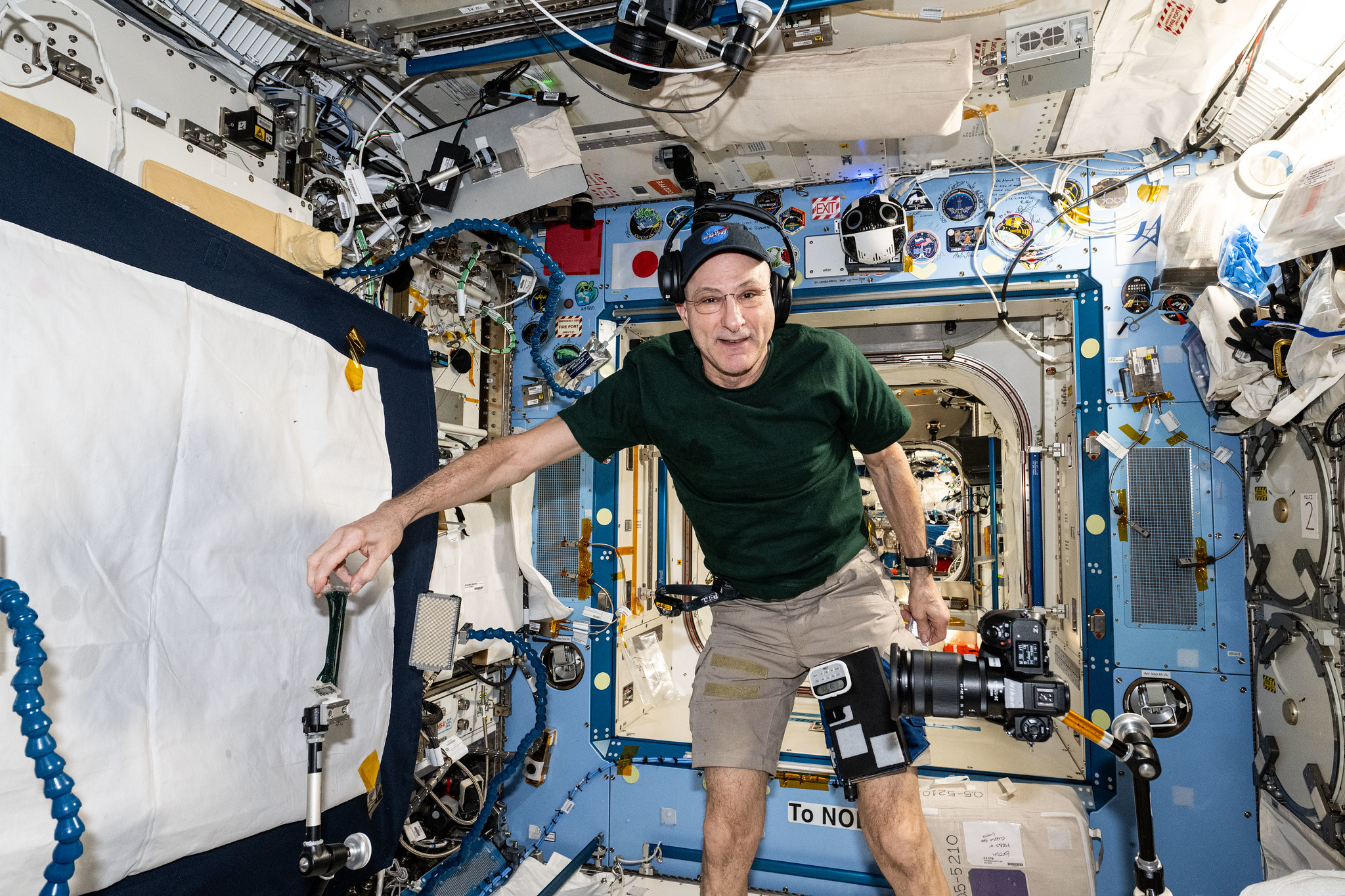
NASA astronaut Don Pettit returned to Earth Saturday, accompanied by Roscosmos cosmonauts Alexey Ovchinin and Ivan Vagner, concluding a seven-month science mission aboard the International Space Station. The trio departed the space station…
NASA astronaut Don Pettit and two Russian crewmates landed in Kazakhstan this evening, April 19, which was April 20 local time at the landing site. The time zone difference is […]
A batch of 27 satellites for the Starlink mega-constellation - SpaceX's project for space-based Internet communication system.
A batch of 24 satellites for the Starlink mega-constellation - SpaceX's project for space-based Internet communication system.
First launch of the Long March 10B rocket and first ever successful rocket booster recovery of a Chinese launch vehicle. Payloads on board is TBD.
A batch of 29 satellites for the Starlink mega-constellation - SpaceX's project for space-based Internet communication system.
Dedicated rideshare flight to a sun-synchronous orbit with dozens of small microsatellites and nanosatellites for commercial and government customers.
20 Low Earth Orbit communication satellites with Ku, Q and V band payloads for the G60 constellation operated by Shanghai Spacesail Technologies with…
A batch of 29 satellites for the Starlink mega-constellation - SpaceX's project for space-based Internet communication system. The Falcon 9 1st st…
18 Low Earth Orbit communication satellites with Ku, Q and V band payloads for the G60 constellation operated by Shanghai Spacesail Technologies with…
Contracted by NASA under the Small Business Innovation Research Phase 3 contract, Katalyst Space Technologies' LINK servicing spacecraft will rendezv…
Amazon Leo, formerly known as Project Kuiper, is a mega constellation of satellites in Low Earth Orbit that will offer broadband internet access, thi…
