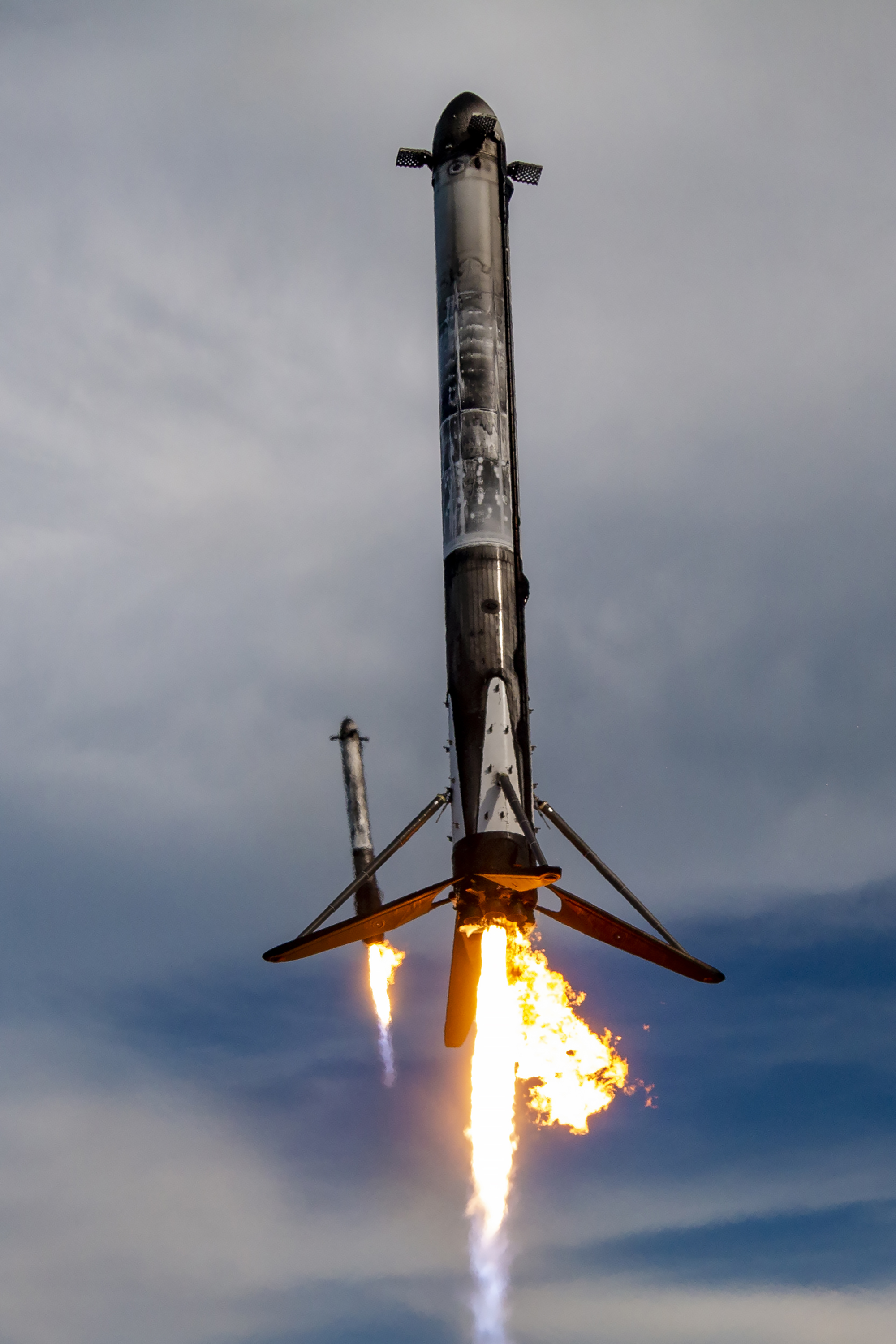
Falcon Heavy - B1072
Details
Status - Active
Falcon Heavy side booster first flown during the GOES-U mission.
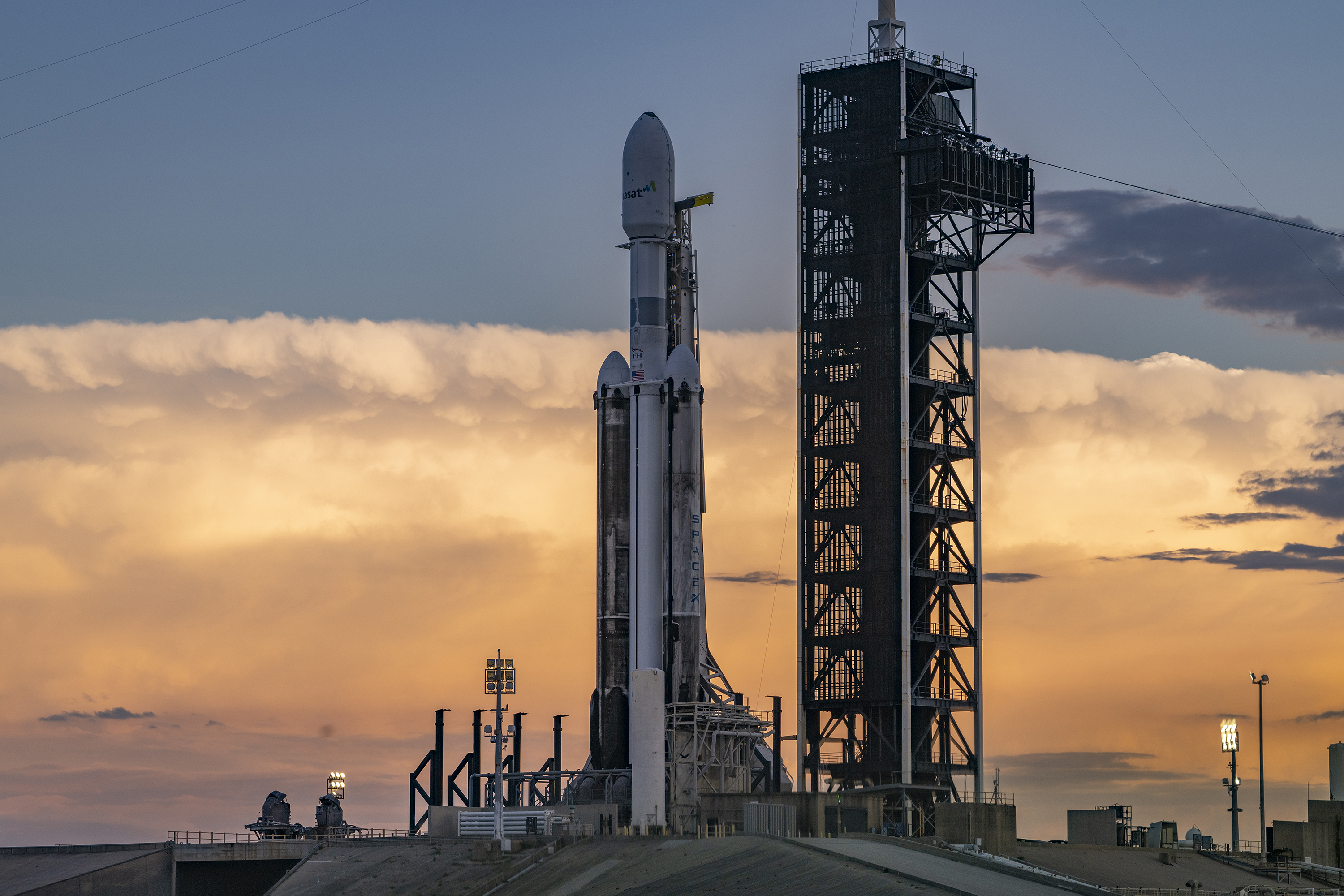
Falcon Heavy | ViaSat-3 F3 (ViaSat-3 Asia-Pacific)
SpaceX | United States of AmericaKennedy Space Center, FL, USA
April 29, 2026, 2:13 p.m.
Status: Launch Successful
Mission:
The ViaSat-3 is a series of three Ka-band satellites is expected to provide vastly superior capabilities in terms of service speed and flexibility for a satellite platform. Each ViaSat-3 class satellite is expected to deliver more than 1-Terabit per second of network capacity, and to leverage high levels of flexibility to dynamically direct capacity to where customers are located.
Geostationary Transfer Orbit B1072 - Flight Proven ( ) Landing Zone 2 B1075 - Flight Proven ( ) Landing Zone 40 B1098 - Maiden Flight Atlantic Ocean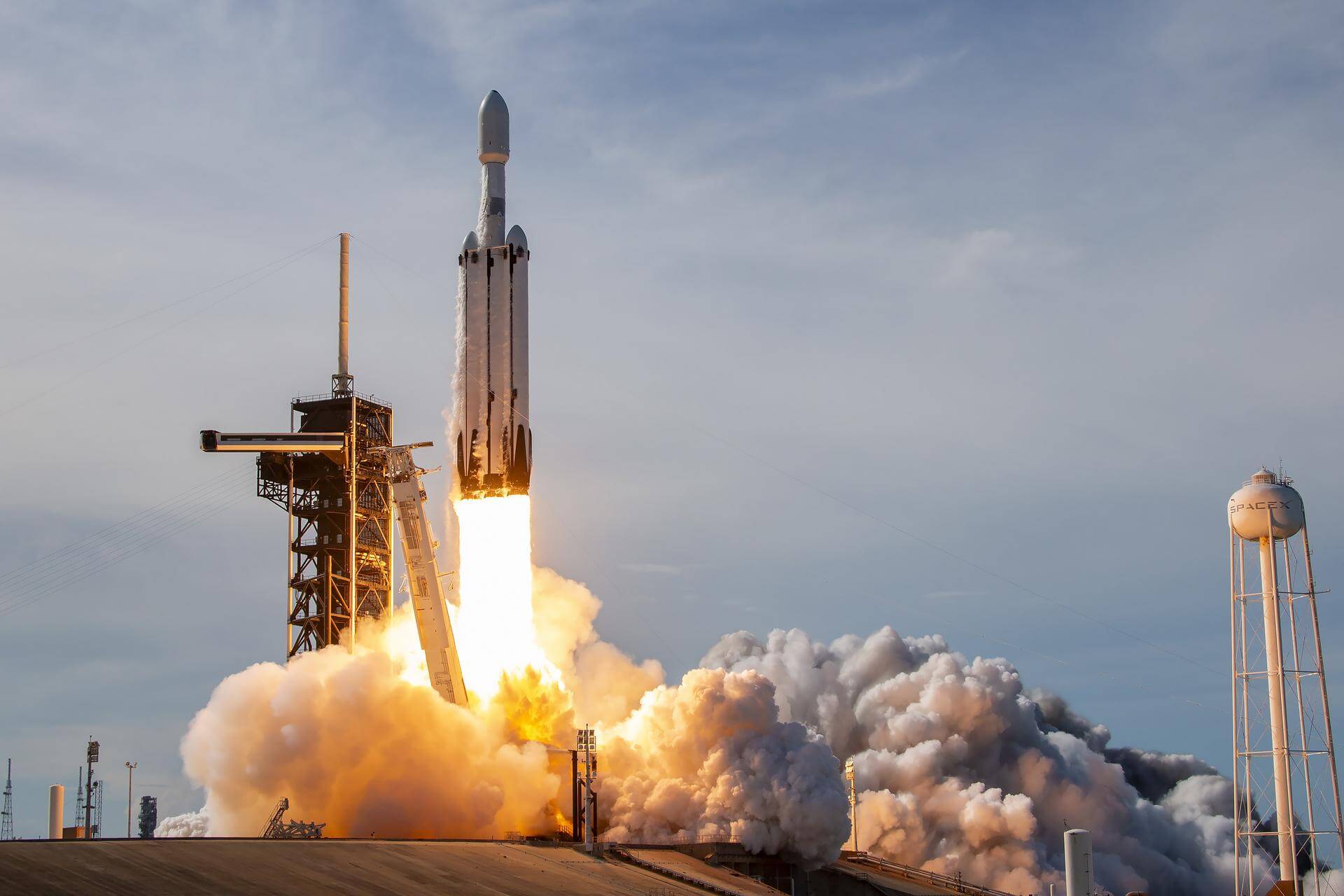
Falcon Heavy | GOES-U
SpaceX | United States of AmericaKennedy Space Center, FL, USA
June 25, 2024, 9:26 p.m.
Status: Launch Successful
Mission:
The Geostationary Operational Environmental Satellite-U (GOES-U) is the fourth of the next generation of geostationary weather satellites, known as the GOES-R series. The four satellites of the series provide advanced imaging with increased spatial resolution and faster coverage for more accurate forecasts, real-time mapping of lightning activity, and improved monitoring of solar activity. Once GOES-U reaches orbit, it will be renamed GOES-19.
Geostationary Transfer Orbit B1086 - Maiden Flight Landing Zone 2 B1072 - Maiden Flight Landing Zone 1 B1087 - Maiden Flight Atlantic OceanFalcon 9
Starlink Group 17-38
Space Launch Complex 4E - Vandenberg SFB, CA, USAA batch of 24 satellites for the Starlink mega-constellation - SpaceX's project for space-based Internet communication system.
Electron
The Grain Goddess Provides (iQPS Launch 7)
Rocket Lab Launch Complex 1A - Rocket Lab Launch Complex 1, Mahia Peninsula, New ZealandSynthetic aperture radar Earth observation satellite for Japanese Earth imaging company iQPS.
Falcon 9
BlueBird 11-13 (Block 2 #6-8)
Space Launch Complex 40 - Cape Canaveral SFS, FL, USAAST SpaceMobile’s Block 2 BlueBird satellites are designed to deliver up to 10 times the bandwidth capacity of the BlueBird Block 1 satellites, requi…
Smart Dragon 3
OSE HS-01 & 02
Haiyang offshore launch location - Haiyang Oriental Spaceport2 hyper-spectral Earth observation satellites from Chinese company STAR.VISION. Both satellites are built in corporation with foreign customers: *…
Falcon 9
Starlink Group 17-53
Space Launch Complex 4E - Vandenberg SFB, CA, USAA batch of 24 satellites for the Starlink mega-constellation - SpaceX's project for space-based Internet communication system.

