Upcoming Spaceflight Launches
Filter by Agency, Locations or Vehicles
Show All Launches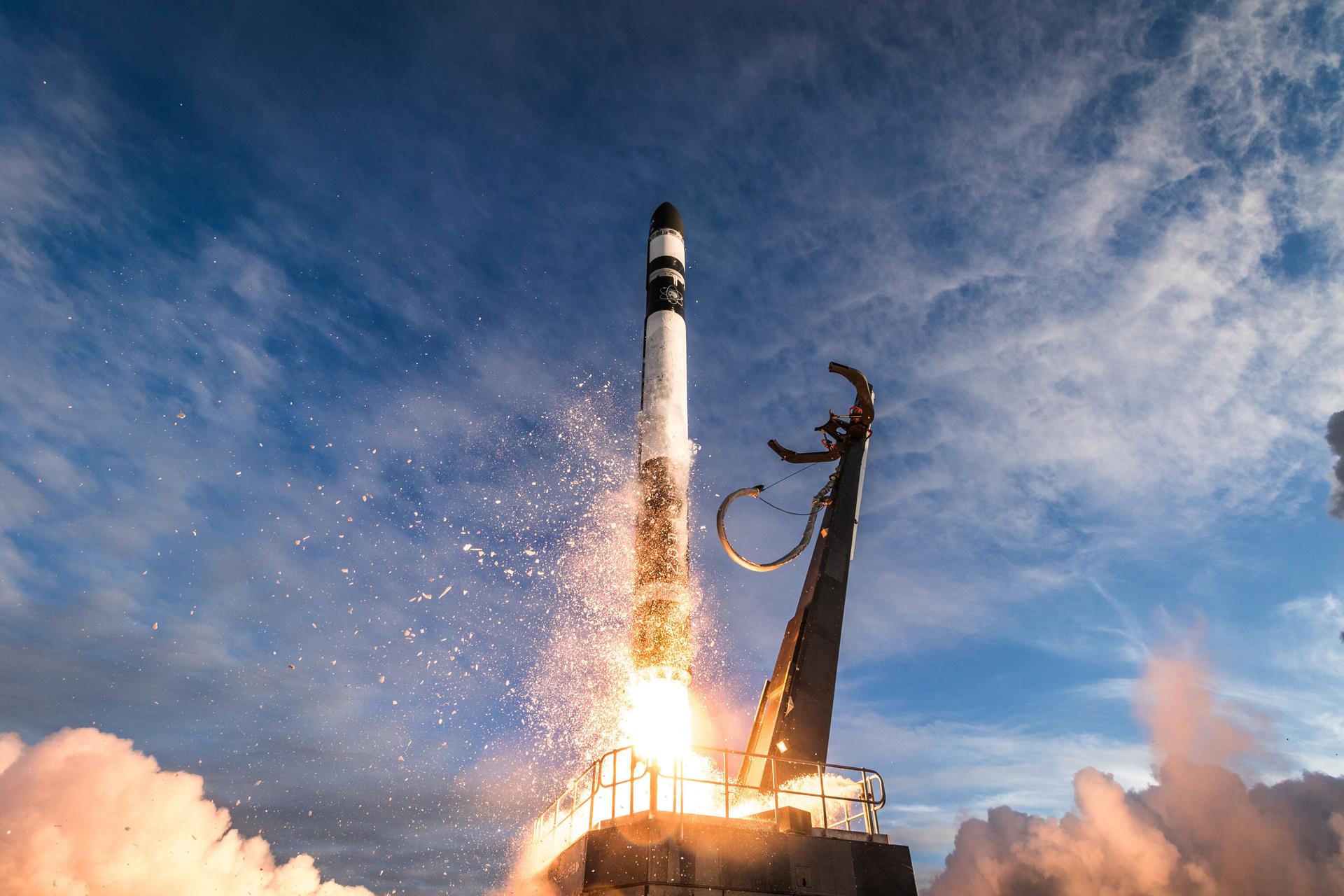
Electron | TSIS-2
Rocket Lab | United States of AmericaRocket Lab Launch Complex 1, Mahia Peninsula, New Zealand
TBD March, 2027
Status: To Be Determined
Mission:
The Total and Spectral Solar Irradiance Sensor 2 (TSIS-2) is a satellite designed by NASA to measure the Sun's energy input to Earth. TSIS-2 comprises two instruments, the Total Irradiance Monitor (TIM), and the spectral Irradiance Monitor (SIM). TIM measures total brightness and SIM measures spectral irradiance over a wavelength range that includes 96% of the energy in the solar spectrum. Both instruments are similar to those used for the TSIS-1 mission onboard the International Space Station.
Sun-Synchronous OrbitElectron | PolSIR-1
Rocket Lab | United States of AmericaRocket Lab Launch Complex 1, Mahia Peninsula, New Zealand
TBD June, 2027
Status: To Be Determined
Mission:
The PoISIR (Polarized Submillimeter Ice-cloud Radiometer) mission will help provide a better understanding of ice clouds that form at high altitudes throughout tropical and subtropical regions. Consisting of two small satellites, both of PoISIR’s 16U CubeSats have a scientific instrument designed to measure a specific spectrum of electromagnetic radiation, which will determine how the amount of ice in tropical clouds rises and falls during the day, as well as how the ice changes connect to larger storms. The instruments also will help determine how ice clouds affect sunlight and heat radiation throughout the day. The pair of CubeSats will fly in orbits separated by several hours to observe the pattern of cloud ice content changes over a day. This information will help researchers make more accurate weather predictions.
Low Earth OrbitElectron | PolSIR-2
Rocket Lab | United States of AmericaRocket Lab Launch Complex 1, Mahia Peninsula, New Zealand
TBD June, 2027
Status: To Be Determined
Mission:
The PoISIR (Polarized Submillimeter Ice-cloud Radiometer) mission will help provide a better understanding of ice clouds that form at high altitudes throughout tropical and subtropical regions. Consisting of two small satellites, both of PoISIR’s 16U CubeSats have a scientific instrument designed to measure a specific spectrum of electromagnetic radiation, which will determine how the amount of ice in tropical clouds rises and falls during the day, as well as how the ice changes connect to larger storms. The instruments also will help determine how ice clouds affect sunlight and heat radiation throughout the day. The pair of CubeSats will fly in orbits separated by several hours to observe the pattern of cloud ice content changes over a day. This information will help researchers make more accurate weather predictions.
Low Earth OrbitElectron | StriX Launch 14
Rocket Lab | United States of AmericaRocket Lab Launch Complex 1, Mahia Peninsula, New Zealand
TBD December, 2027
Electron | StriX Launch 15
Rocket Lab | United States of AmericaRocket Lab Launch Complex 1, Mahia Peninsula, New Zealand
TBD December, 2027
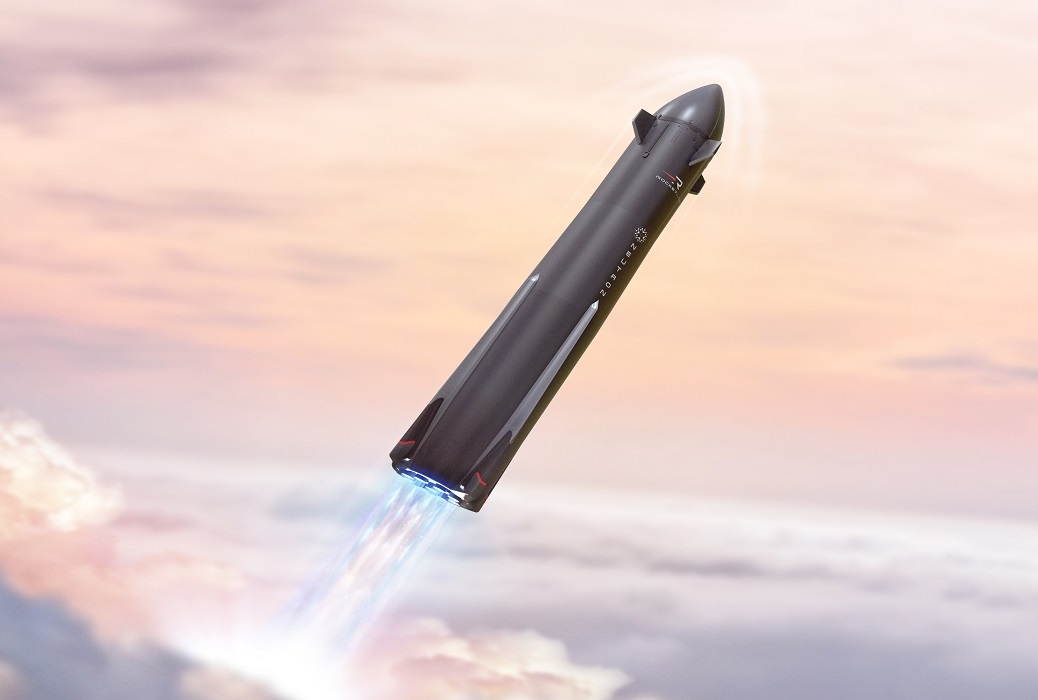
Neutron | NZSA Venus Mission
Rocket Lab | United States of AmericaWallops Flight Facility, Virginia, USA
TBD December, 2027
Status: To Be Determined
Mission:
NZSA Venus Mission is a small direct Venus entry probe with a single 1 kg low-mass, low-cost autofluorescing nephelometer riding on a satellite bus based on the Photon Upper stage of the Electron rocket. The probe mission will spend approximately 5 minutes in the Venus cloud layers, 48-60 km above the surface, collecting in situ measurements to search for organic molecules in cloud particles and constrain particle composition.
Heliocentric N/AElectron | StriX Launch 17
Rocket Lab | United States of AmericaRocket Lab Launch Complex 1, Mahia Peninsula, New Zealand
TBD December, 2027
Electron | StriX Launch 16
Rocket Lab | United States of AmericaRocket Lab Launch Complex 1, Mahia Peninsula, New Zealand
TBD December, 2027
Electron | iQPS Launch 13
Rocket Lab | United States of AmericaRocket Lab Launch Complex 1, Mahia Peninsula, New Zealand
TBD December, 2028
Electron | iQPS Launch 14
Rocket Lab | United States of AmericaRocket Lab Launch Complex 1, Mahia Peninsula, New Zealand
TBD December, 2028
Falcon 9
Starlink Group 17-48
Space Launch Complex 4E - Vandenberg SFB, CA, USAA batch of 24 satellites for the Starlink mega-constellation - SpaceX's project for space-based Internet communication system.
Long March 10B
Demo Flight
Commercial LC-2 - Wenchang Space Launch Site, People's Republic of ChinaFirst launch of the Long March 10B rocket and first ever successful rocket booster recovery of a Chinese launch vehicle. Payloads on board is TBD.
Falcon 9
Starlink Group 10-42
Space Launch Complex 40 - Cape Canaveral SFS, FL, USAA batch of 29 satellites for the Starlink mega-constellation - SpaceX's project for space-based Internet communication system.
Falcon 9
Transporter 17 (Dedicated SSO Rideshare)
Space Launch Complex 4E - Vandenberg SFB, CA, USADedicated rideshare flight to a sun-synchronous orbit with dozens of small microsatellites and nanosatellites for commercial and government customers.
Long March 8A
SpaceSail Polar Group #14
Commercial LC-1 - Wenchang Space Launch Site, People's Republic of China20 Low Earth Orbit communication satellites with Ku, Q and V band payloads for the G60 constellation operated by Shanghai Spacesail Technologies with…
Falcon 9
Starlink Group 10-50
Space Launch Complex 40 - Cape Canaveral SFS, FL, USAA batch of 29 satellites for the Starlink mega-constellation - SpaceX's project for space-based Internet communication system. The Falcon 9 1st st…
Long March 6A
SpaceSail Polar Group #13
Launch Complex 9A - Taiyuan Satellite Launch Center, People's Republic of China18 Low Earth Orbit communication satellites with Ku, Q and V band payloads for the G60 constellation operated by Shanghai Spacesail Technologies with…
Pegasus XL
Swift Boost Mission
Kwajalein Atoll - Air launch to orbitContracted by NASA under the Small Business Innovation Research Phase 3 contract, Katalyst Space Technologies' LINK servicing spacecraft will rendezv…
Atlas V 551
Amazon Leo (LA-08)
Space Launch Complex 41 - Cape Canaveral SFS, FL, USAAmazon Leo, formerly known as Project Kuiper, is a mega constellation of satellites in Low Earth Orbit that will offer broadband internet access, thi…
Falcon 9
Starlink Group 17-46
Space Launch Complex 4E - Vandenberg SFB, CA, USAA batch of 24 satellites for the Starlink mega-constellation - SpaceX's project for space-based Internet communication system.

