Upcoming Spaceflight Launches
Filter by Agency, Locations or Vehicles
Show All Launches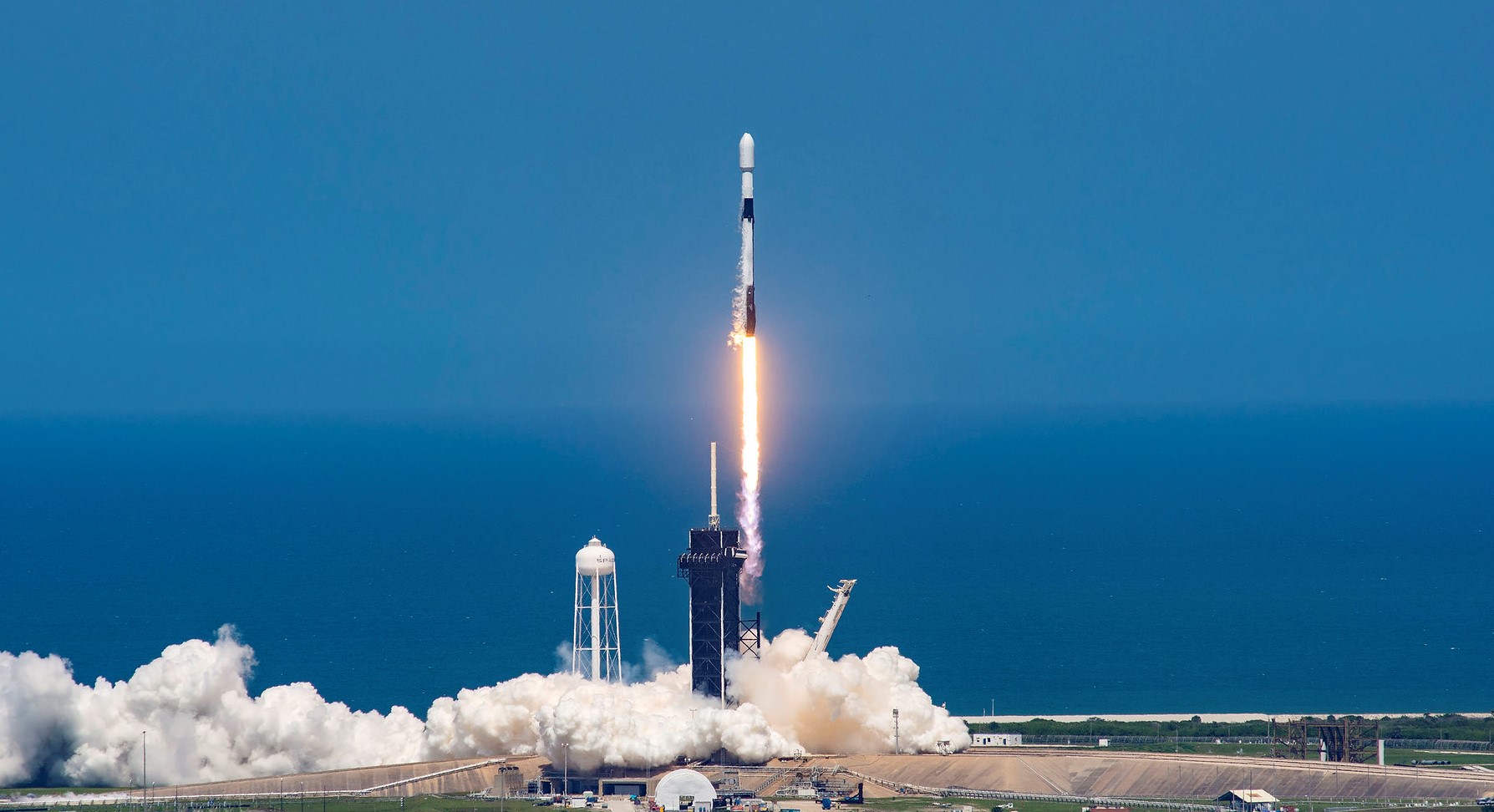
Falcon 9 Block 5 | SDA Tranche 2 Transport Layer F
SpaceX | United States of AmericaVandenberg SFB, CA, USA
TBD January, 2027
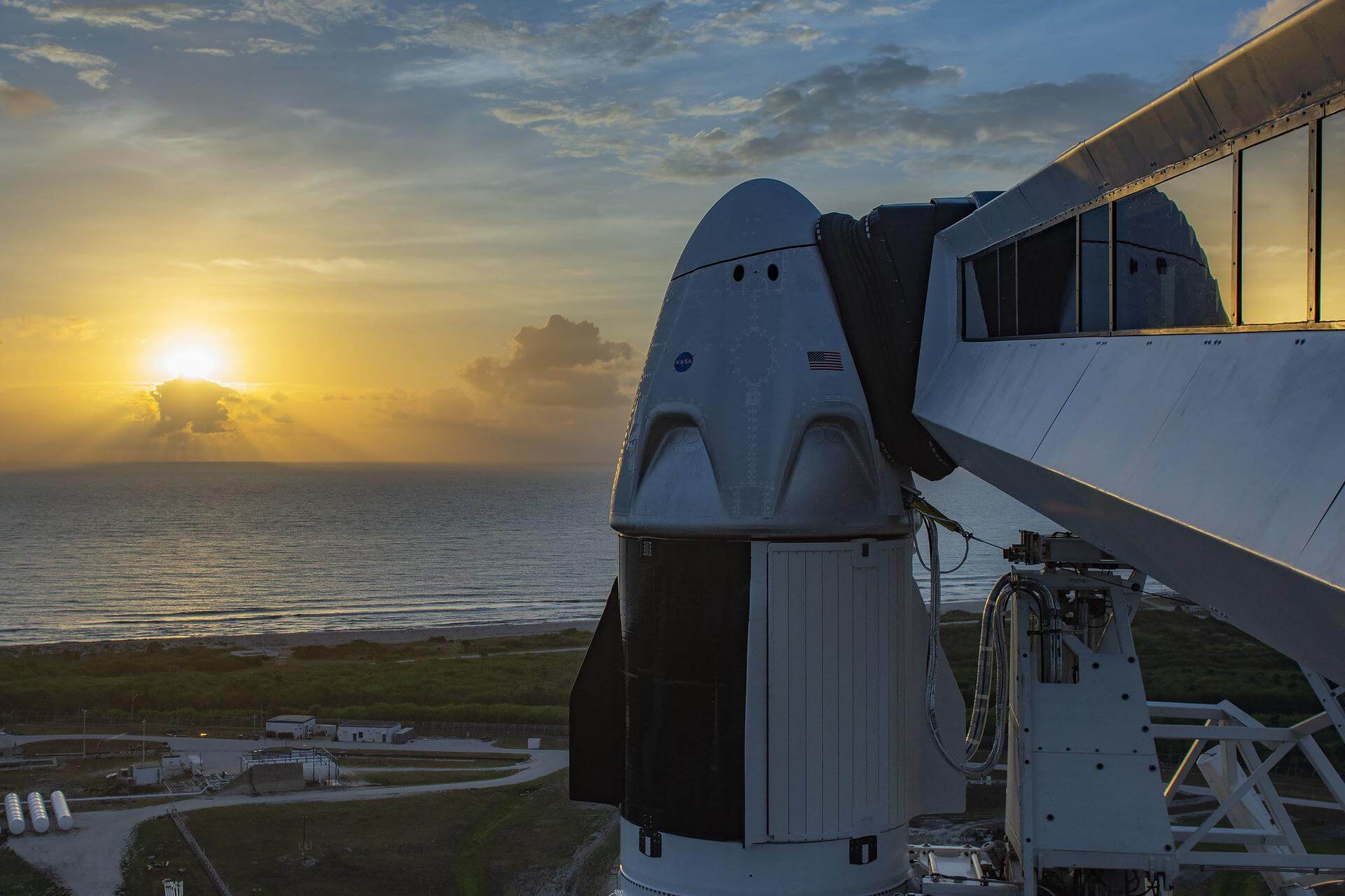
Falcon 9 Block 5 | Axiom Space Mission 5
SpaceX | United States of AmericaCape Canaveral SFS, FL, USA
TBD January, 2027
Status: To Be Determined
Mission:
This is a Crew Dragon flight for a private company Axiom Space. The mission will carry a professionally trained commander alongside three private astronauts to and from the International Space Station for a month.
Low Earth Orbit Unknown F9 - Maiden Flight Landing Zone 40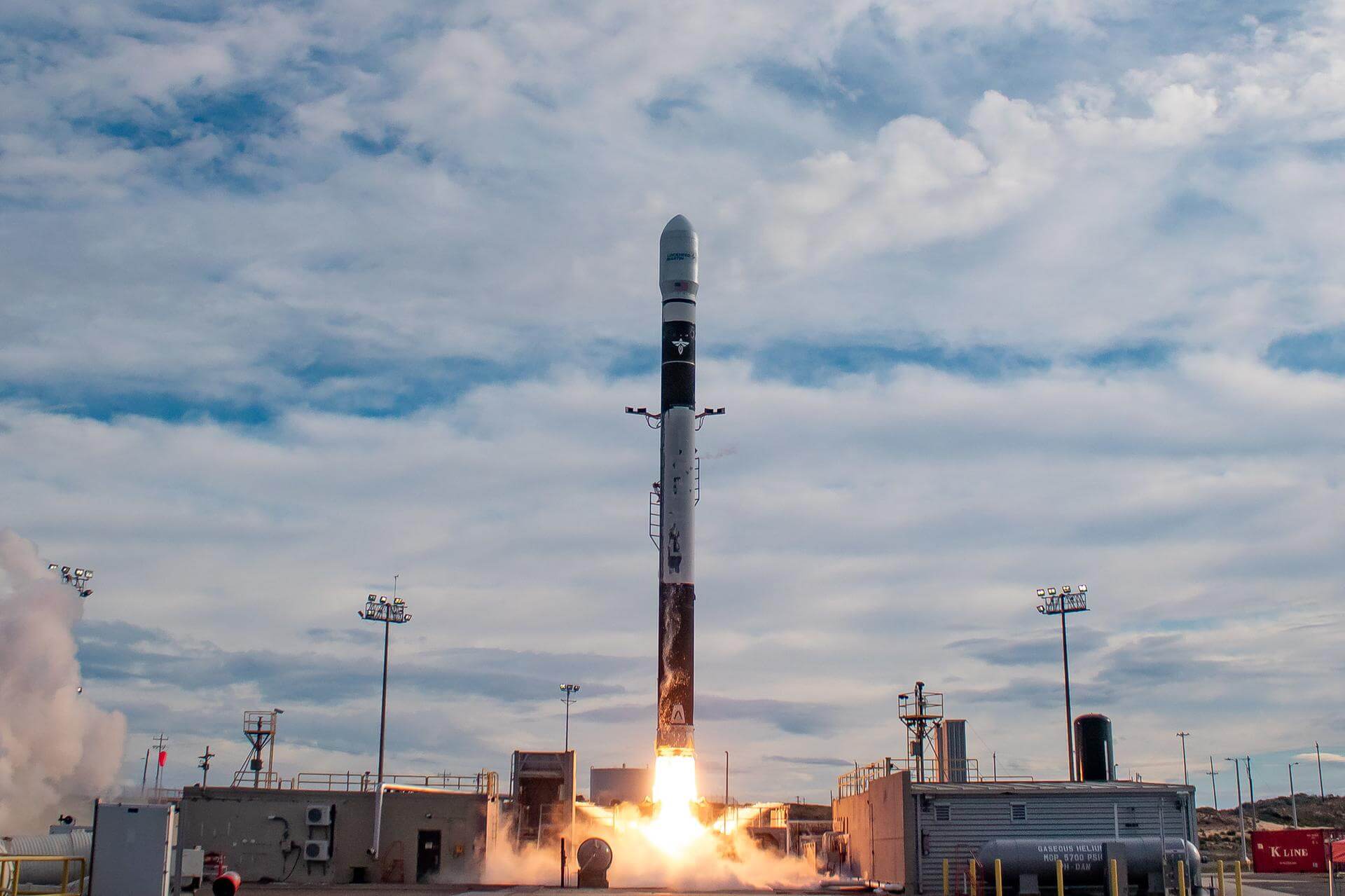
Firefly Alpha Block 2 | ConnectedCosmos Launch 3
Firefly Aerospace | United States of AmericaVandenberg SFB, CA, USA
TBD February, 2027
Status: To Be Determined
Mission:
Third of at least four missions carrying 6 satellites for Open Cosmos' secure LEO broadband constellation, designed to provide independent and resilient connectivity infrastructure for Europe and the world using high-priority Ka-band spectrum filings by the Principality of Liechtenstein.
Polar OrbitFalcon 9 Block 5 | SICRAL 3A
SpaceX | United States of AmericaCape Canaveral SFS, FL, USA
TBD February, 2027
Status: To Be Determined
Mission:
SICRAL 3A and 3B are next generation communication satellites for the Italian Ministry of Defence, providing UHF and SHF communications services in replacement of SICRAL 2 and adding Ka-band capacities. One of the satellites will provide UHF and SHF band communications, while the other carries a Ka-band payload. These 2 geostationary satellites will provide confidential strategic and tactical communications, to support defense missions both in Italy and abroad, as well as supporting security, public rescue and civil protection services. The new SICRAL 3 system is designed to meet Italian defense communications and interoperability requirements.
Geostationary Transfer OrbitFalcon 9 Block 5 | SDA Tranche 2 Transport Layer G
SpaceX | United States of AmericaVandenberg SFB, CA, USA
TBD February, 2027
Falcon 9 Block 5 | Trinity
SpaceX | United States of AmericaCape Canaveral SFS, FL, USA
TBD February, 2027
Status: To Be Determined
Mission:
Trinity is a three-spacecraft mission from US satellite manufacturer K2 Space, with each satellite deploying to a different orbital regime to prove out K2 Space’s multi-orbit satellite platform. 2 satellites will be dropped off in LEO, 1 remaining in LEO for a period before raising itself to MEO, while the other will immediately begin climbing to MEO and will aim to complete orbit raising within 90 days. The 3rd satellite will be launched directly into a geostationary transfer orbit.
Geostationary Transfer Orbit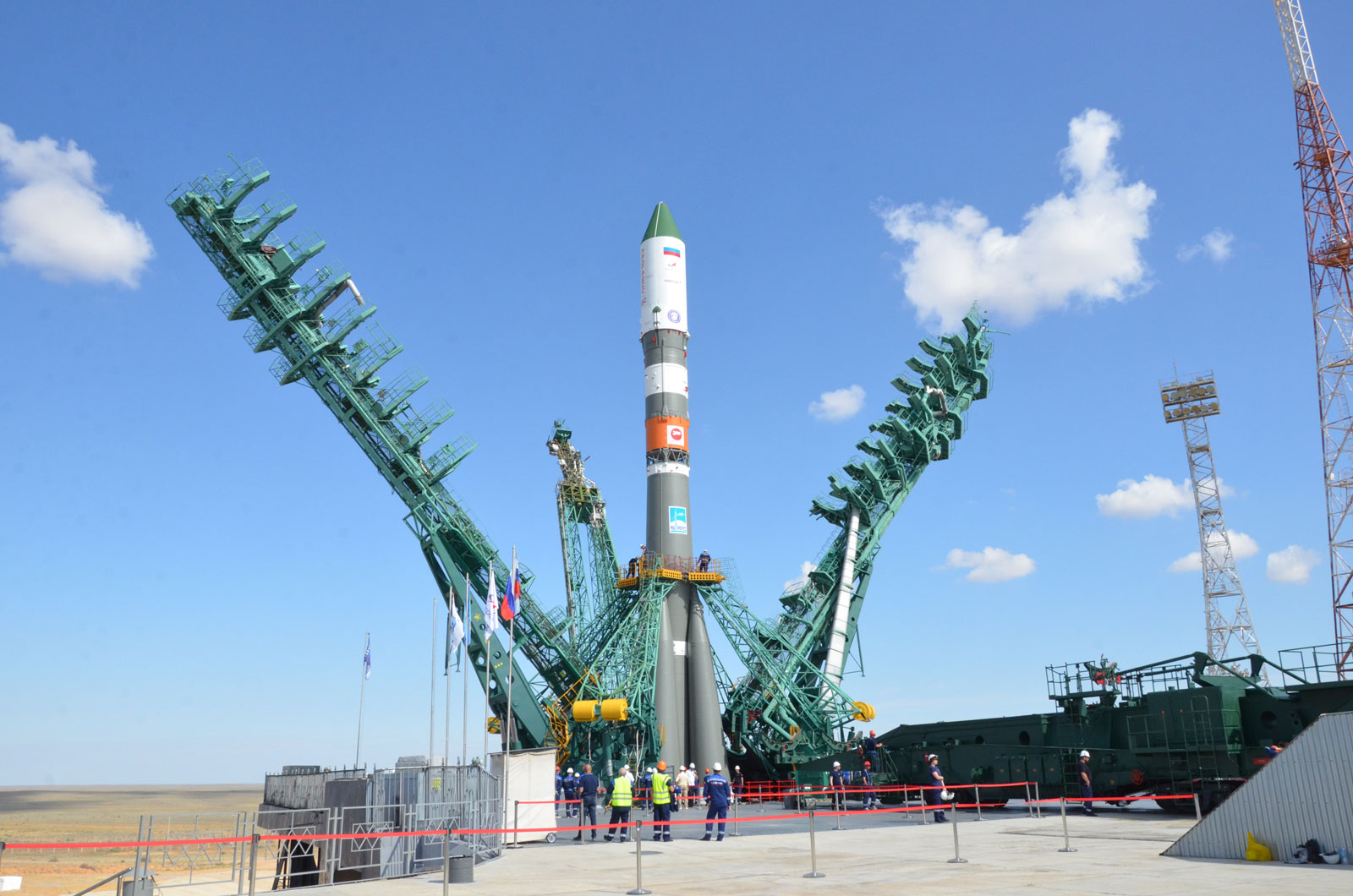
Soyuz 2.1a | Soyuz MS-30
Progress Rocket Space Center | RussiaBaikonur Cosmodrome, Republic of Kazakhstan
TBD March, 2027
Status: To Be Determined
Mission:
Soyuz MS-30 will carry two cosmonauts and one astronaut to the International Space Station aboard the Soyuz spacecraft from the Baikonur Cosmodrome in Kazakhstan. The crew consists of Roscosmos cosmonauts Dmitri Petelin and Konstantin Borisov, as well as NASA astronaut Deniz Burnham.
Low Earth Orbit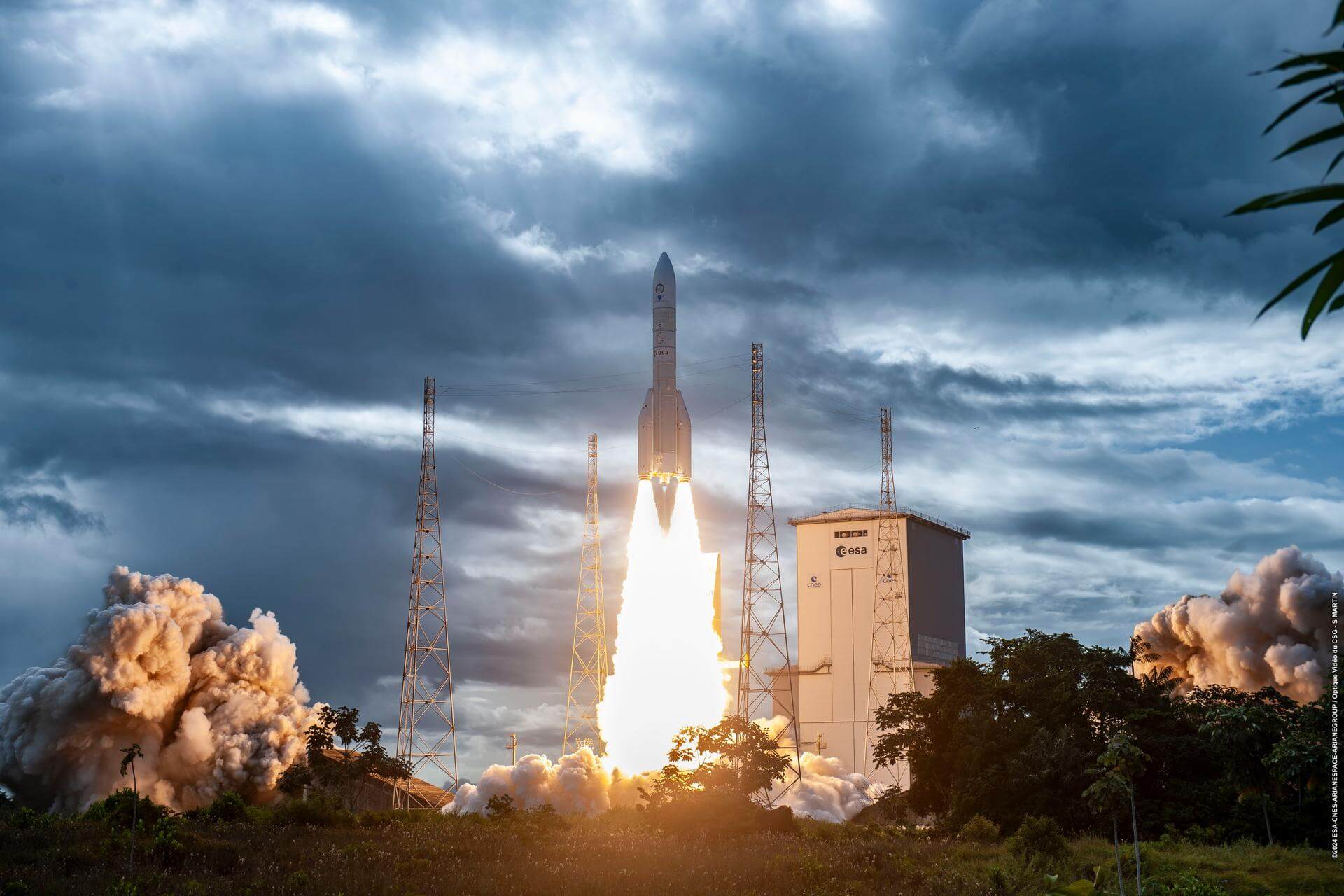
Ariane 62 Block 2 | PLATO
ArianeGroup | FranceGuiana Space Centre, French Guiana
TBD March, 2027
Status: To Be Determined
Mission:
Plato, for PLAnetary Transits and Oscillations of stars, is a European Space Agency (ESA) mission with 26 cameras to study terrestrial exoplanets in orbits up to the habitable zone of Sun-like stars. Its goal is to measure the sizes of exoplanets and discover exomoons and rings around them, as well as characterise planets' host stars by studying tiny light variations in the starlight it receives.
Sun-Earth L2Ariane 62 | Galileo L16 (FOC FM29 & FM30)
ArianeGroup | FranceGuiana Space Centre, French Guiana
TBD March, 2027
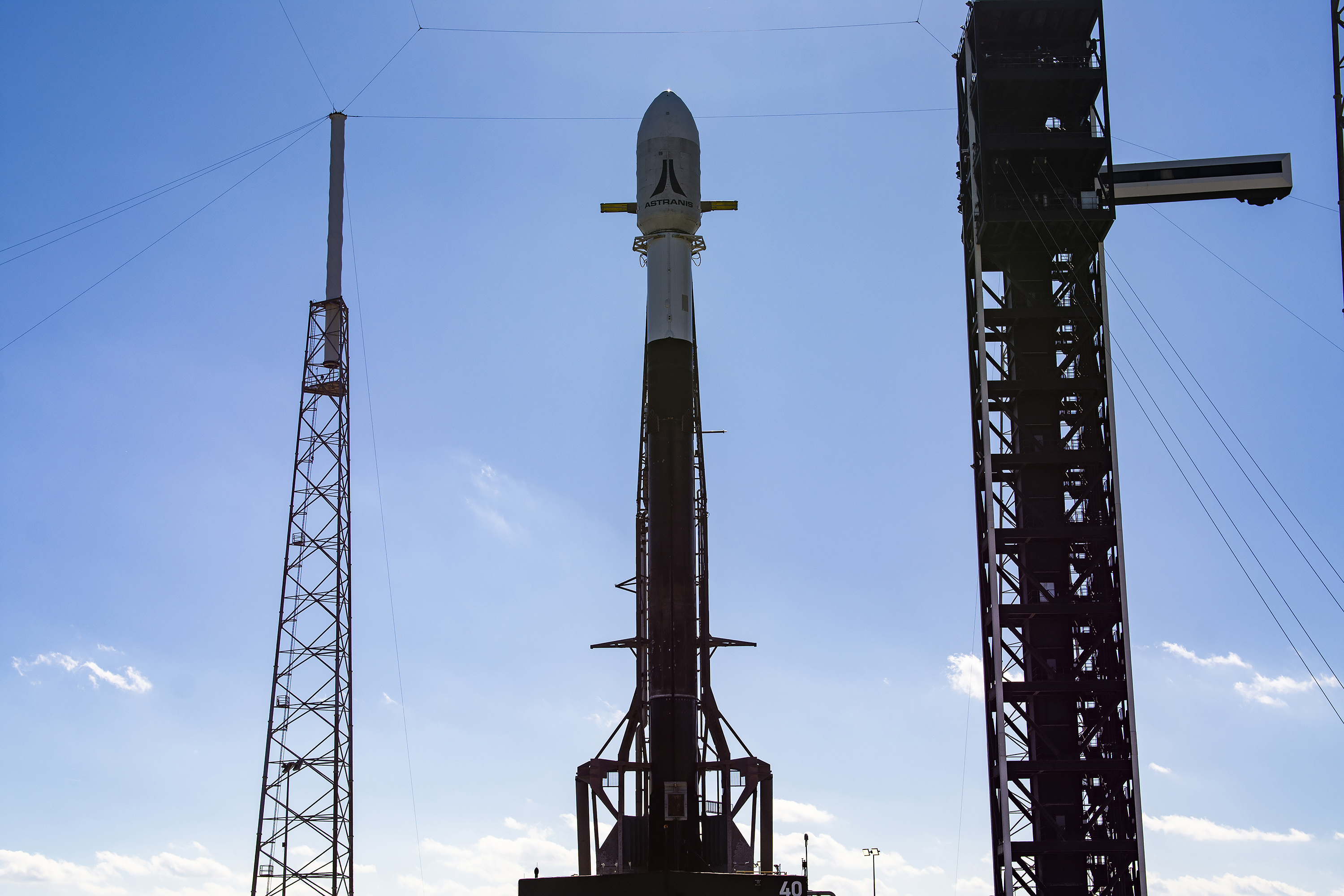
Falcon 9 Block 5 | 5x Astranis MicroGEO
SpaceX | United States of AmericaCape Canaveral SFS, FL, USA
TBD March, 2027
Status: To Be Determined
Mission:
Five Astranis MicroGEO communications satellite to be inserted in a custom geostationary orbit, from where they conduct on-orbit maneuvers to reach their individual slots. The 5 satellites include: * Apco 1 & Apco 2 (Mexico) * Thaicom-9 (Thailand) * 1x for Chunghwa Telecom (Taiwan) * 1x for MB Group (Oman)
Geostationary Transfer OrbitFalcon 9
Starlink Group 17-38
Space Launch Complex 4E - Vandenberg SFB, CA, USAA batch of 24 satellites for the Starlink mega-constellation - SpaceX's project for space-based Internet communication system.
Electron
The Grain Goddess Provides (iQPS Launch 7)
Rocket Lab Launch Complex 1A - Rocket Lab Launch Complex 1, Mahia Peninsula, New ZealandSynthetic aperture radar Earth observation satellite for Japanese Earth imaging company iQPS.
Falcon 9
BlueBird 11-13 (Block 2 #6-8)
Space Launch Complex 40 - Cape Canaveral SFS, FL, USAAST SpaceMobile’s Block 2 BlueBird satellites are designed to deliver up to 10 times the bandwidth capacity of the BlueBird Block 1 satellites, requi…
Smart Dragon 3
OSE HS-01 & 02
Haiyang offshore launch location - Haiyang Oriental Spaceport2 hyper-spectral Earth observation satellites from Chinese company STAR.VISION. Both satellites are built in corporation with foreign customers: *…
Falcon 9
Starlink Group 17-53
Space Launch Complex 4E - Vandenberg SFB, CA, USAA batch of 24 satellites for the Starlink mega-constellation - SpaceX's project for space-based Internet communication system.
Long March 8A
SatNet LEO Group 23
Commercial LC-1 - Wenchang Space Launch Site, People's Republic of ChinaA batch of 9 Low Earth Orbit communication satellites for the Chinese state owned SatNet constellation operated by the China Satellite Network Group.…
Falcon 9
Starlink Group 17-52
Space Launch Complex 4E - Vandenberg SFB, CA, USAA batch of 24 satellites for the Starlink mega-constellation - SpaceX's project for space-based Internet communication system.
Falcon 9
NROL-95
Space Launch Complex 40 - Cape Canaveral SFS, FL, USAClassified payload for the US National Reconnaissance Office.
Long March 6A
TJSW-27A & B
Launch Complex 9A - Taiyuan Satellite Launch Center, People's Republic of China2 Chinese classified satellites claimed to be for communication technology test purposes. Actual mission not known.
Long March 7A
Tianlian 3-01
201 - Wenchang Space Launch Site, People's Republic of ChinaTianlian is a Chinese data tracking and relay communications geostationary satellite series. The TL-3 (Tian Lian 3) satellites are the 3rd generation…