Upcoming Spaceflight Launches
Filter by Agency, Locations or Vehicles
Show All Launches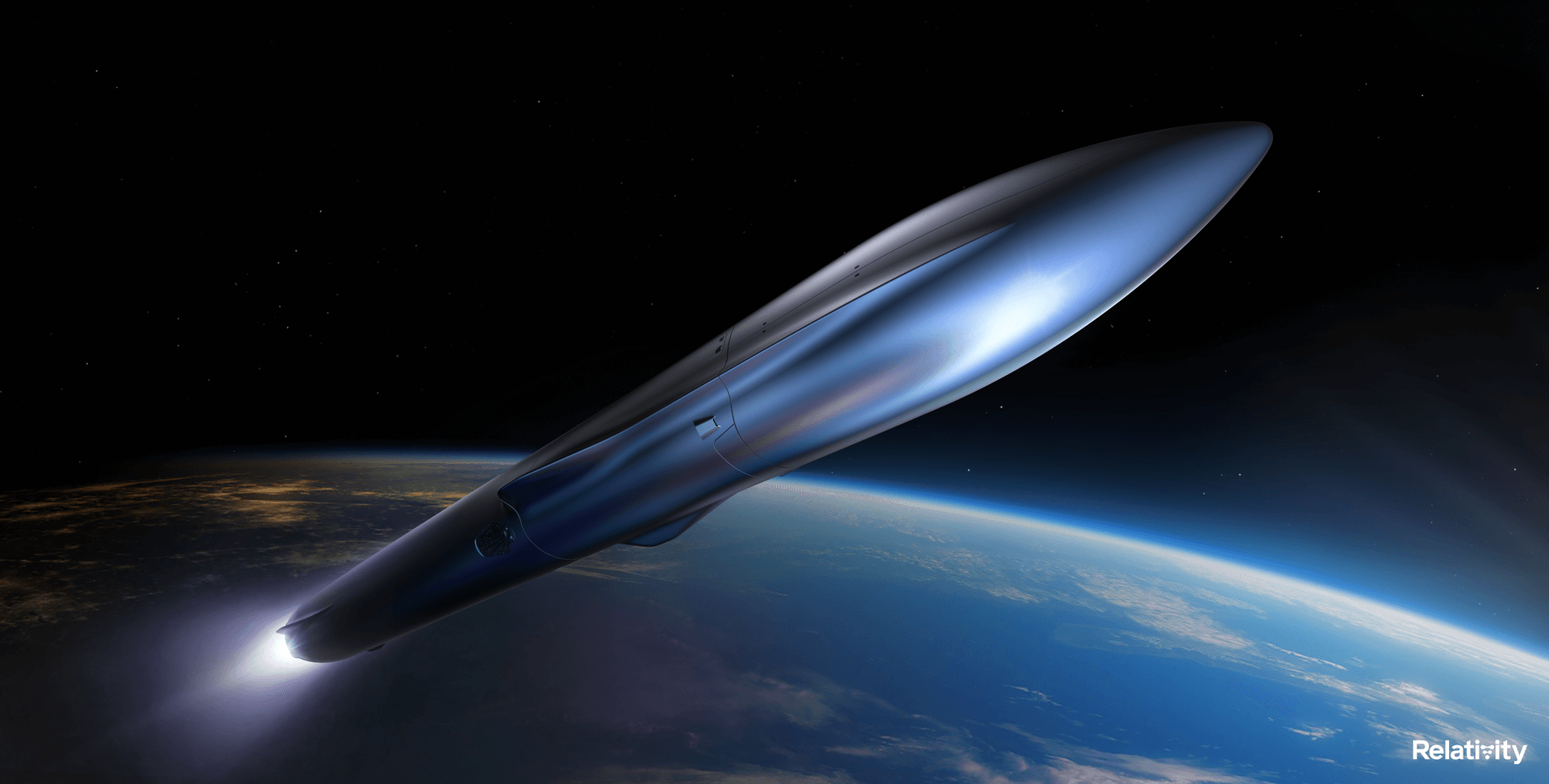
Terran R | Intelsat-1
Relativity Space | United States of AmericaCape Canaveral SFS, FL, USA
TBD December, 2026
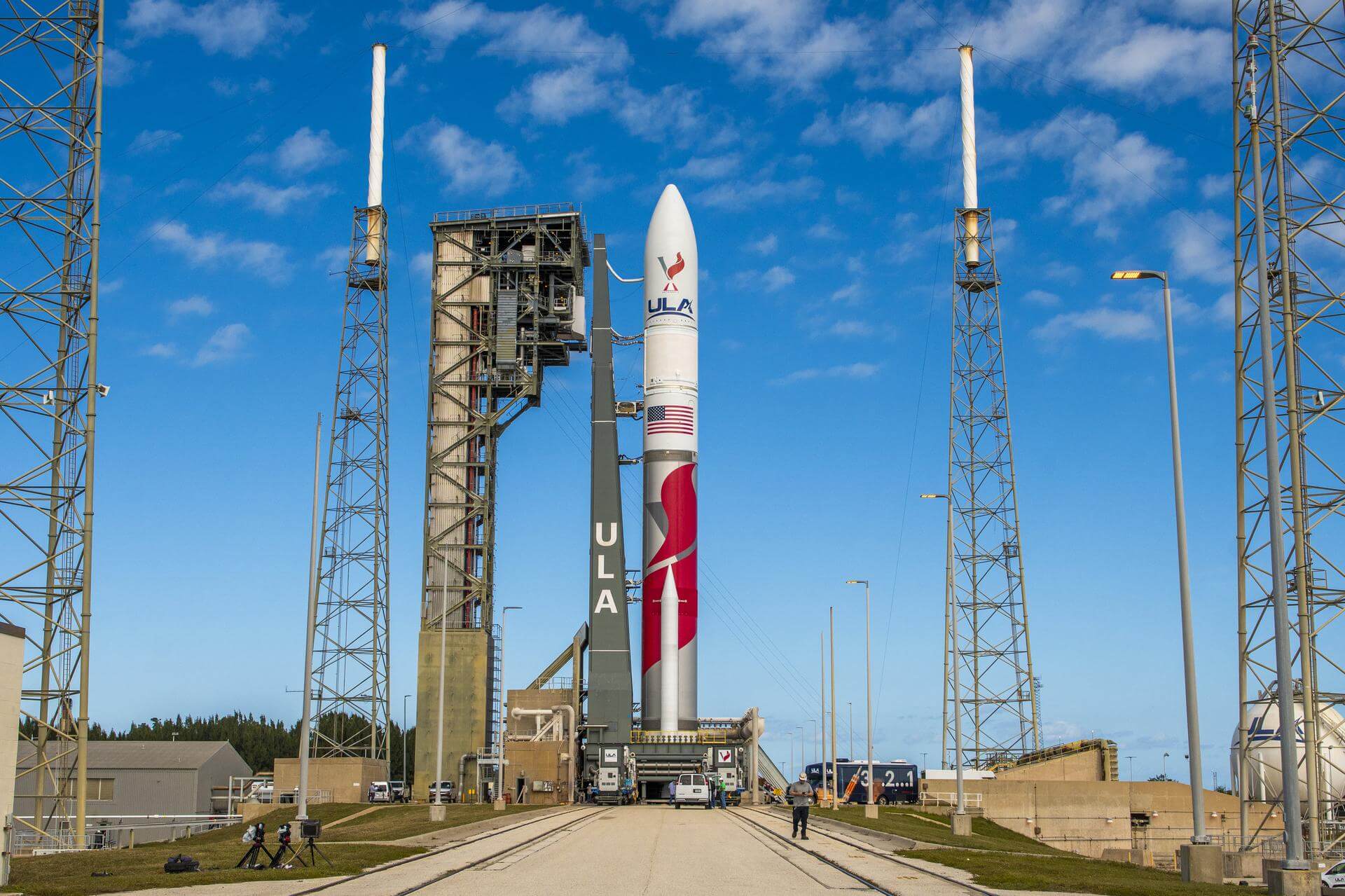
Vulcan | USSF-23
United Launch Alliance | United States of AmericaCape Canaveral SFS, FL, USA
TBD December, 2026
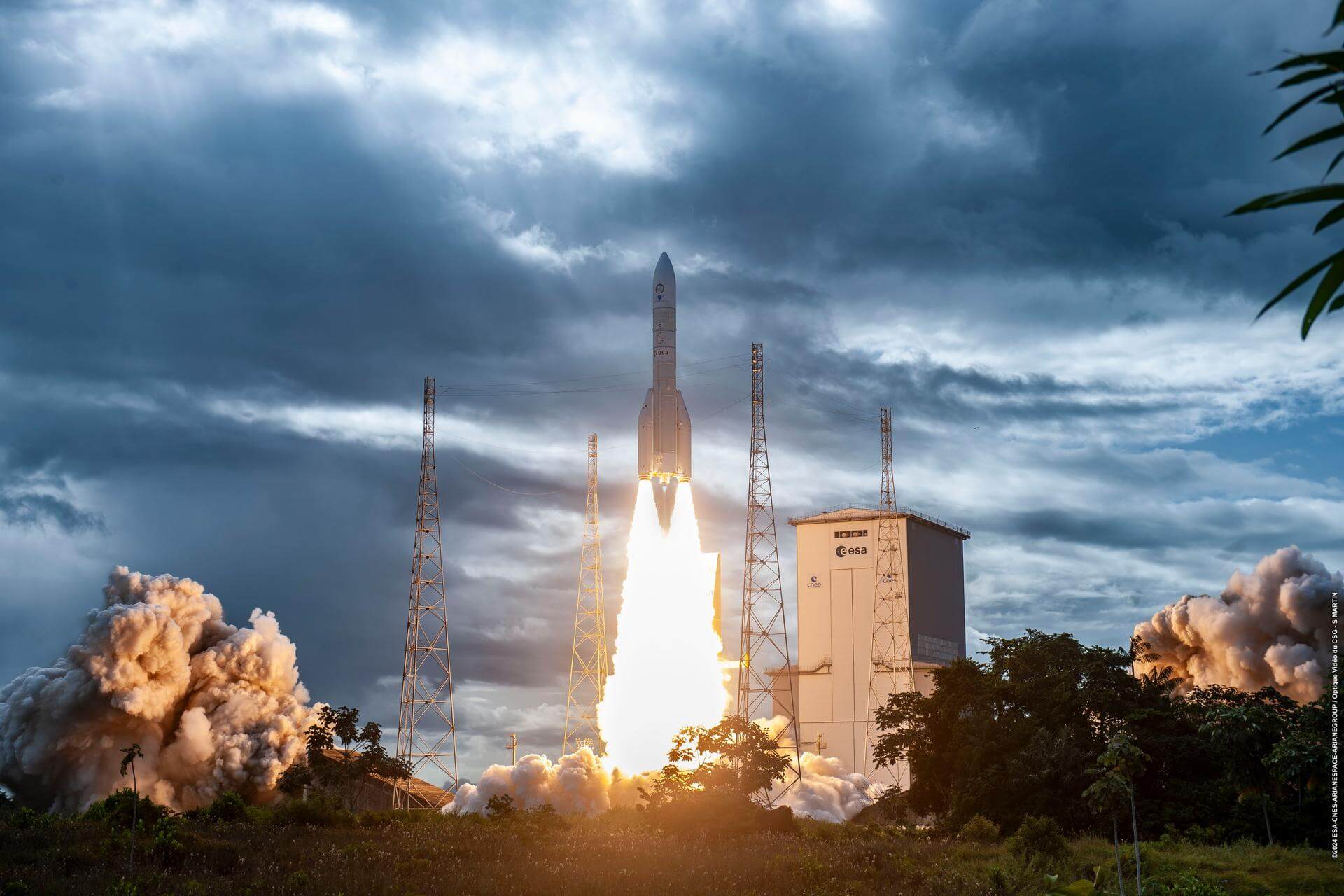
Ariane 62 | Galileo L15 (FOC FM28 & FM31)
ArianeGroup | FranceGuiana Space Centre, French Guiana
TBD December, 2026

Falcon 9 Block 5 | Blue Ghost Lunar Lander Mission 2
SpaceX | United States of AmericaCape Canaveral SFS, FL, USA
TBD December, 2026
Status: To Be Determined
Mission:
2nd lunar lander developed by Firefly Aerospace. The Blue Ghost lander will be of a new two-stage version utilizing an Elytra Dark transfer vehicle to place it and the European Space Agency's Lunar Pathfinder experimental communication satellite into Lunar orbit. The lander will land on the far side of the Moon with 2 NASA payloads: * Lunar Surface Electromagnetics Experiment (LuSEE-Night) * User Terminal (UT)
Lunar OrbitVulcan | SDA Tranche 2 Transport Layer B
United Launch Alliance | United States of AmericaVandenberg SFB, CA, USA
TBD December, 2026
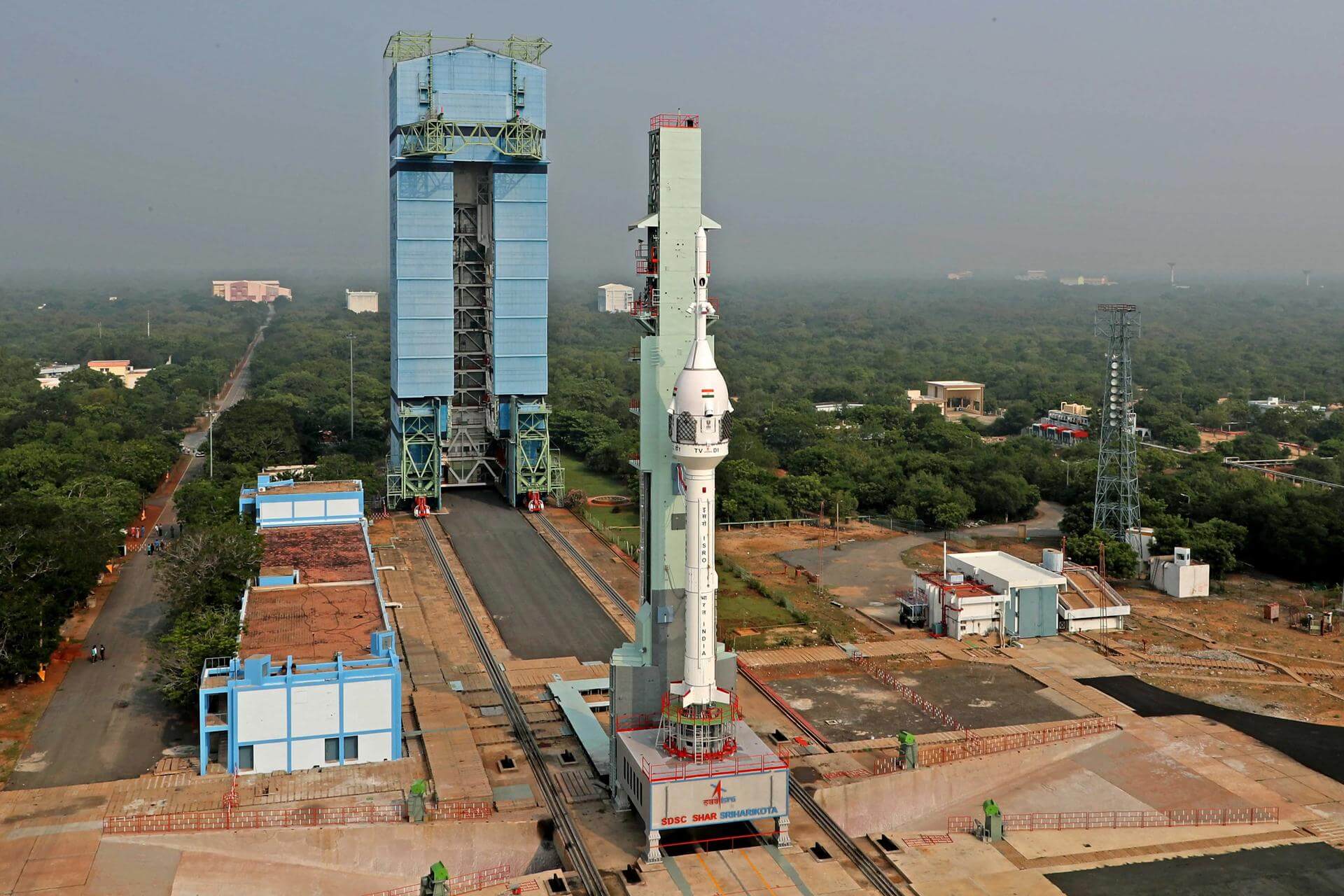
Gaganyaan Abort Test Booster | TV-D2
Indian Space Research Organization | IndiaSatish Dhawan Space Centre, India
TBD December, 2026
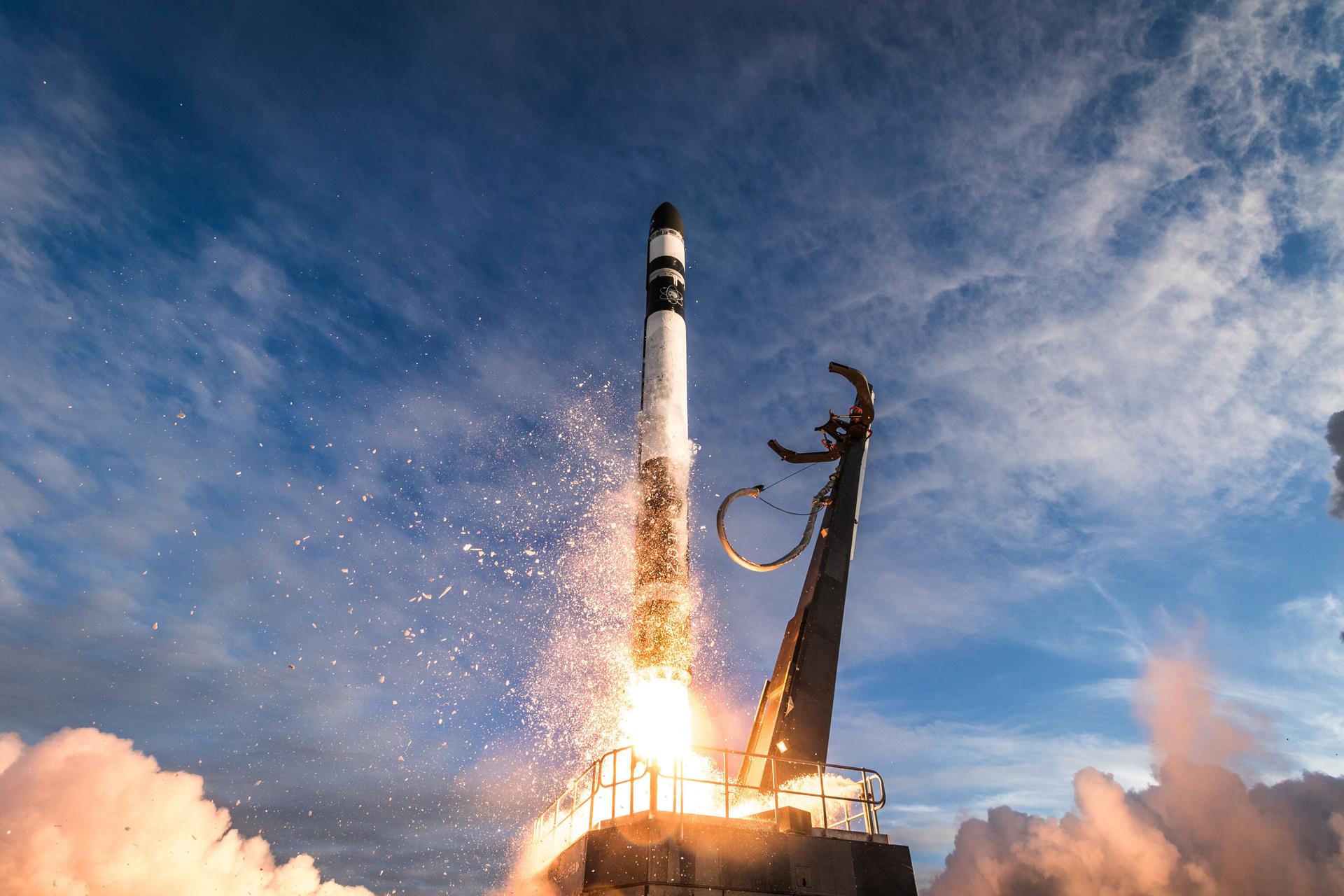
HASTE | Leidos-3
Rocket Lab | United States of AmericaWallops Flight Facility, Virginia, USA
TBD December, 2026
Falcon 9 Block 5 | Nova-C IM-3
SpaceX | United States of AmericaCape Canaveral SFS, FL, USA
TBD December, 2026
Status: To Be Determined
Mission:
This is the third mission to the Moon for Intuitive Machines with its Nova-C lunar lander. It is to deliver 130 kg of payloads to the lunar surface. This mission also includes a rideshare possibility due to available excess capacity on the launch vehicle.
Lunar OrbitFalcon 9 Block 5 | Inmarsat-7 F1 (GX-7)
SpaceX | United States of AmericaCape Canaveral SFS, FL, USA
TBD December, 2026
Status: To Be Determined
Mission:
Inmarsat-7 is the seventh generation of satellites for the London-based global mobile satellite communications operator Inmarsat. The three satellites of the series - GX-7, 8 & 9 - will have an improved fully reconfigurable Ka-band payload for Inmarsat's Global Xpress services. They are optimized for real-time mobility and feature thousands of dynamically-formed beams that direct capacity with laser-like precision over high-demand areas, to provide HTS (High Throughput) broadband connectivity for the mobility market. The satellites will be based on Airbus’ new standard and fully reconfigurable satellite product line OneSat. Fully reconfigurable and featuring on board processing and active antennas, the three Ka-band spacecraft will be able to adjust their coverage, capacity and frequency.
Geostationary Transfer OrbitFalcon 9 Block 5 | SDA Tranche 2 Transport Layer C
SpaceX | United States of AmericaCape Canaveral SFS, FL, USA
TBD January, 2027
Falcon 9
Starlink Group 17-38
Space Launch Complex 4E - Vandenberg SFB, CA, USAA batch of 24 satellites for the Starlink mega-constellation - SpaceX's project for space-based Internet communication system.
Electron
The Grain Goddess Provides (iQPS Launch 7)
Rocket Lab Launch Complex 1A - Rocket Lab Launch Complex 1, Mahia Peninsula, New ZealandSynthetic aperture radar Earth observation satellite for Japanese Earth imaging company iQPS.
Falcon 9
BlueBird 11-13 (Block 2 #6-8)
Space Launch Complex 40 - Cape Canaveral SFS, FL, USAAST SpaceMobile’s Block 2 BlueBird satellites are designed to deliver up to 10 times the bandwidth capacity of the BlueBird Block 1 satellites, requi…
Smart Dragon 3
OSE HS-01 & 02
Haiyang offshore launch location - Haiyang Oriental Spaceport2 hyper-spectral Earth observation satellites from Chinese company STAR.VISION. Both satellites are built in corporation with foreign customers: *…
Falcon 9
Starlink Group 17-53
Space Launch Complex 4E - Vandenberg SFB, CA, USAA batch of 24 satellites for the Starlink mega-constellation - SpaceX's project for space-based Internet communication system.
Long March 8A
SatNet LEO Group 23
Commercial LC-1 - Wenchang Space Launch Site, People's Republic of ChinaA batch of 9 Low Earth Orbit communication satellites for the Chinese state owned SatNet constellation operated by the China Satellite Network Group.…
Falcon 9
Starlink Group 17-52
Space Launch Complex 4E - Vandenberg SFB, CA, USAA batch of 24 satellites for the Starlink mega-constellation - SpaceX's project for space-based Internet communication system.
Falcon 9
NROL-95
Space Launch Complex 40 - Cape Canaveral SFS, FL, USAClassified payload for the US National Reconnaissance Office.
Long March 6A
TJSW-27A & B
Launch Complex 9A - Taiyuan Satellite Launch Center, People's Republic of China2 Chinese classified satellites claimed to be for communication technology test purposes. Actual mission not known.
Long March 7A
Tianlian 3-01
201 - Wenchang Space Launch Site, People's Republic of ChinaTianlian is a Chinese data tracking and relay communications geostationary satellite series. The TL-3 (Tian Lian 3) satellites are the 3rd generation…

