Saturn V | Apollo 13
Launch Successful
L - -- : -- : -- : --
Instantaneous launch window.
Launch Window
April 11, 1970, 7:13 p.m. - April 11, 1970, 7:13 p.m.


Instantaneous launch window.
April 11, 1970, 7:13 p.m. - April 11, 1970, 7:13 p.m.
Apollo 13 was the famous mission that never made it to the moon's surface because of a catastrophic malfunction on board, but the astronauts did return safely to the Earth. The mission was commanded by Jim Lovell, the Command Module Pilot was Jack Swigert, and the Lunar Module Pilot was Fred Haise. The mission launched on April 11th, 1970 and the Capsule safely landed in the ocean on April 17th, 1970.
The Saturn V was a human-rated expendable rocket used by NASA between 1967 and 1973. Most notably, the Saturn V took the Apollo program to the Moon. It still remains the world's tallest, heaviest, and most powerful rocket ever brought to operational status and is the only launch vehicle to take humans beyond LEO.
CSM-109 "Odyssey" was an Apollo Command & Service Module used in the Apollo 13 mission.
Apollo Command/Service Module Details
Date of
Birth: March 25, 1928
Date of Death:
Aug. 7, 2025
Date of
Birth: Aug. 30, 1931
Date of Death:
Dec. 27, 1982
Date of
Birth: Nov. 14, 1933
Age: 92
Flown on Apollo 13 Re-entered Earth's atmosphere.
Apollo Lunar Module DetailsThe National Aeronautics and Space Administration is an independent agency of the executive branch of the United States federal government responsible for the civilian space program, as well as aeronautics and aerospace research. NASA have many launch facilities but most are inactive. The most commonly used pad will be LC-39B at Kennedy Space Center in Florida.
INFO WIKI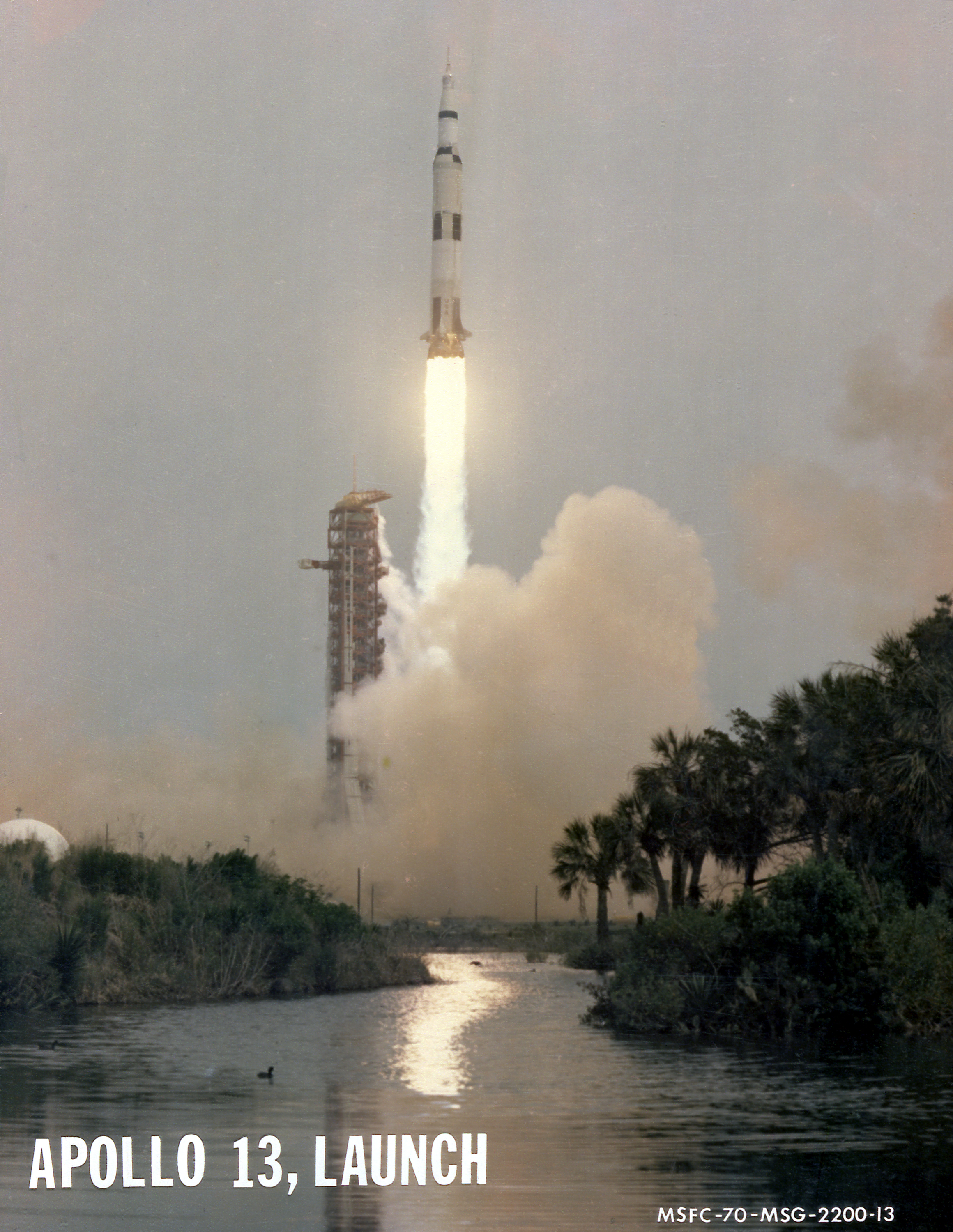
NASA astronauts Jim Lovell, Fred Haise, and Jack Swigert launch aboard the Apollo 13 spacecraft from NASA’s Kennedy Space Center in Florida on April 11, 1970. The mission seemed to be going smoothly until 55 hours and 55 minutes in when an…
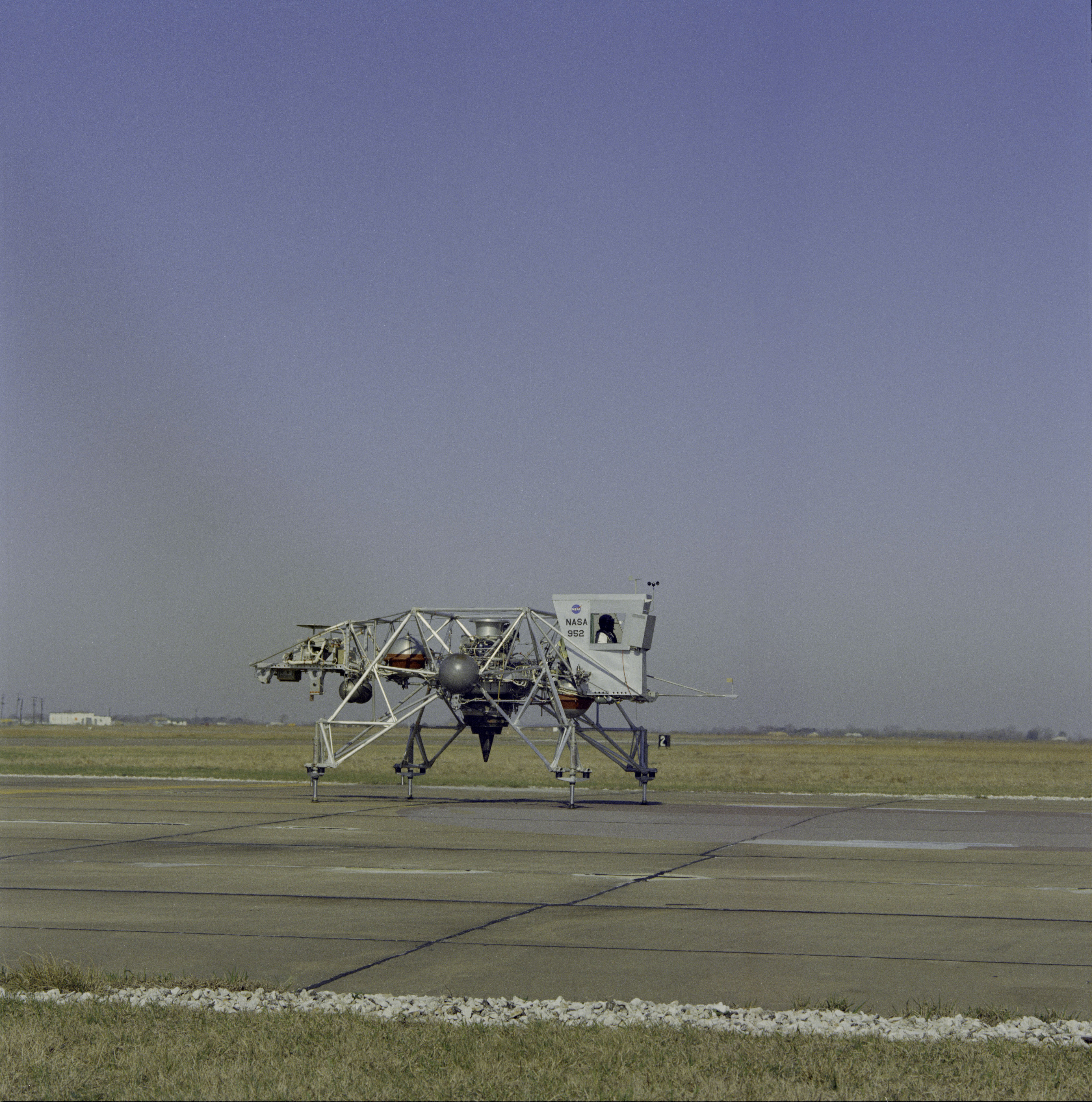
With two months to go before flight, the Apollo 13 prime crew of James Lovell, Thomas Mattingly, Fred Haise, and backups John Young, John Swigert, and Charles Duke continued to train for the 10-day mission planned to land in the Fra Mauro …
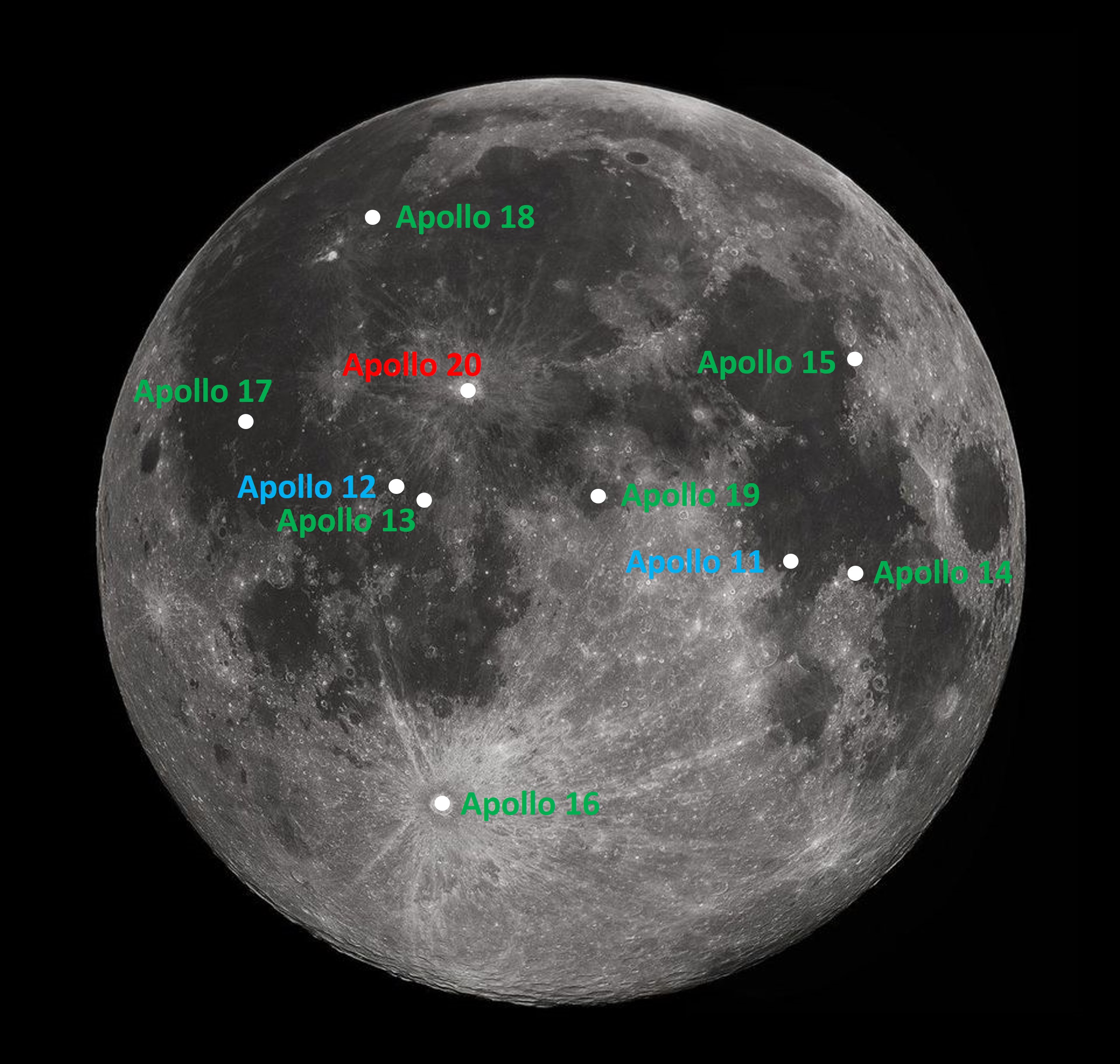
Following the historic year of 1969 that saw two successful Moon landings, 1970 opened on a more sober note. Ever-tightening federal budgets forced NASA to rescope its future lunar landing plans. The need for a Saturn V to launch an experi…

There are many important lessons we can learn from the Apollo 13 mission, as well as from the actions of the heroes both orbiting the moon and on the ground in NASA facilities.
20 Low Earth Orbit communication satellites with Ku, Q and V band payloads for the G60 constellation operated by Shanghai Spacesail Technologies with…
A batch of 29 satellites for the Starlink mega-constellation - SpaceX's project for space-based Internet communication system. The Falcon 9 1st st…
18 Low Earth Orbit communication satellites with Ku, Q and V band payloads for the G60 constellation operated by Shanghai Spacesail Technologies with…
Contracted by NASA under the Small Business Innovation Research Phase 3 contract, Katalyst Space Technologies' LINK servicing spacecraft will rendezv…
Amazon Leo, formerly known as Project Kuiper, is a mega constellation of satellites in Low Earth Orbit that will offer broadband internet access, thi…
A batch of 24 satellites for the Starlink mega-constellation - SpaceX's project for space-based Internet communication system.
Haiyang 2E (Chinese: "Ocean"), abbreviated HY-2E, is a marine remote sensing satellite of China. The HY-2 series' primary objective is to measure oce…
SXM-11 is the 12th high-powered, digital, audio radio satellite built by Lanteris Space (ex-Maxar, Space System/Loral) for SiriusXM. The SXM-11 satel…
A batch of 24 satellites for the Starlink mega-constellation - SpaceX's project for space-based Internet communication system.
Synthetic aperture radar satellite for Japanese Earth imaging company Synspective.
