New Shepard | NS-26
Launch Successful
L - -- : -- : -- : --
Launch Window
Aug. 29, 2024, 1 p.m. - Aug. 29, 2024, 8:30 p.m.


Aug. 29, 2024, 1 p.m. - Aug. 29, 2024, 8:30 p.m.
Twenty-sixth flight of New Shepard carrying six passengers.
Adding seconds to T-0
Launch successful.
Liftoff!
Targeting ~13:08 UTC for liftoff.

Official Webcast by Blue Origin has started
The New Shepard reusable launch system is a vertical-takeoff, vertical-landing (VTVL), suborbital manned rocket that is being developed by Blue Origin as a commercial system for suborbital space tourism.
See DetailsNew Shepard has landed on Corn Ranch Landing Pad after this flight.
Result: Successful Return to Launch Site landing at Corn Ranch, West Texas.First Blue Origin New Shepard Crew Capsule 2.0 to carry human passengers. This capsule is outfitted with improvements to environmental features such as acoustics and temperature regulation inside the capsule, crew display panels, and speakers with a microphone and push-to-talk button at each seat.
Crew Capsule 2.0 Details
Date of
Birth: None
Age: None
Date of
Birth: None
Age: None
Date of
Birth: None
Age: None
Date of
Birth: None
Age: None
Date of
Birth: None
Age: None
Date of
Birth: None
Age: None
Blue Origin is an American privately funded aerospace manufacturer and spaceflight services company set up by Amazon.com founder Jeff Bezos with its headquarters in Kent, Washington. The company is developing technologies to enable private human access to space with the goal to dramatically lower costs and increase reliability. Blue Origin currently launches its New Shepard sub-orbital vehicle from its West Texas launch site, they are currently constructing a launch pad for their orbital vehicle New Glenn at Cape Canaveral LC-36.
INFO WIKI
Blue Origin took six people, including a NASA-funded researcher, on a New Shepard suborbital spaceflight Aug. 29.
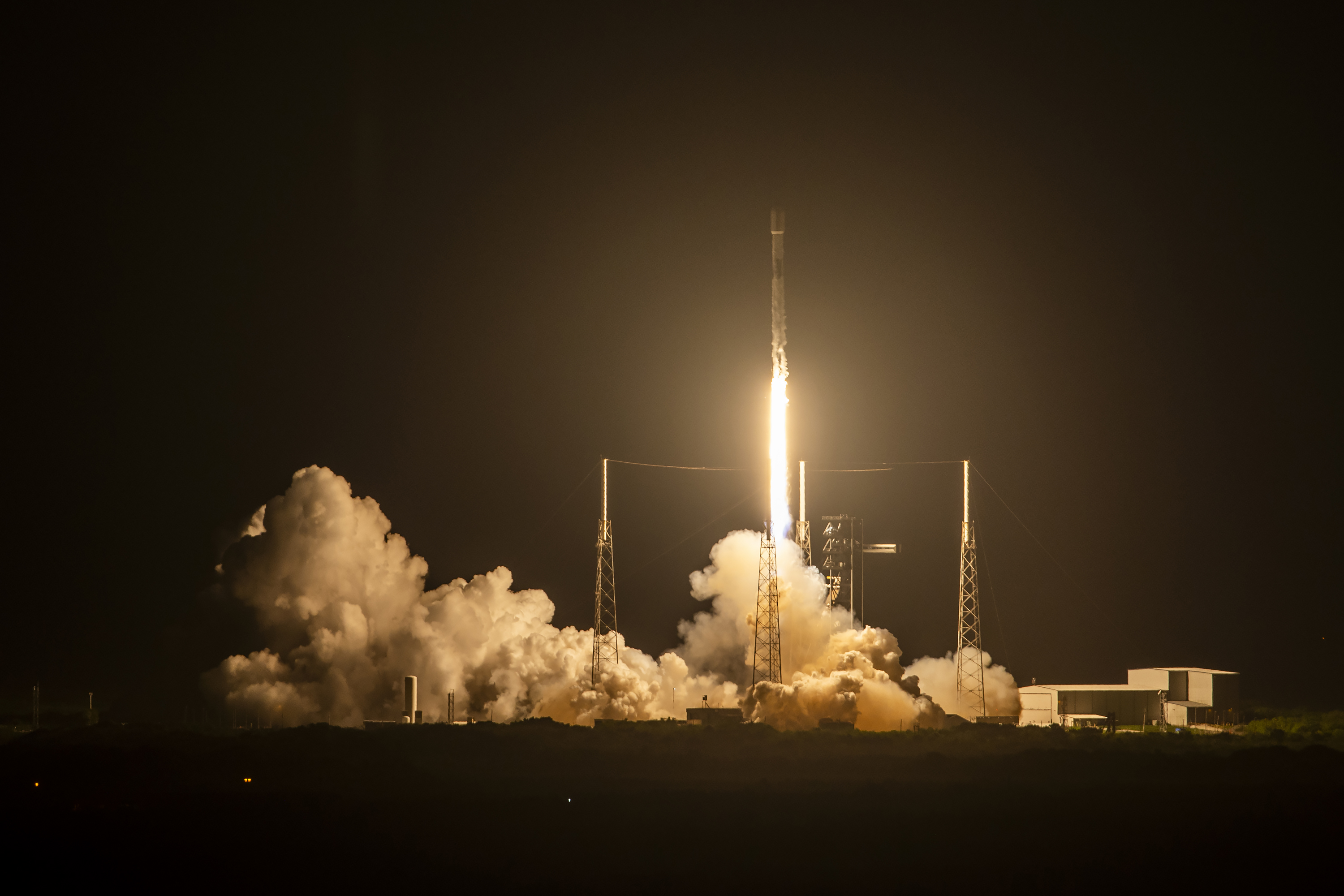
The Federal Aviation Administration (FAA) may have just caused a delay with SpaceX’s Polaris Dawn mission, which was set to launch soon....
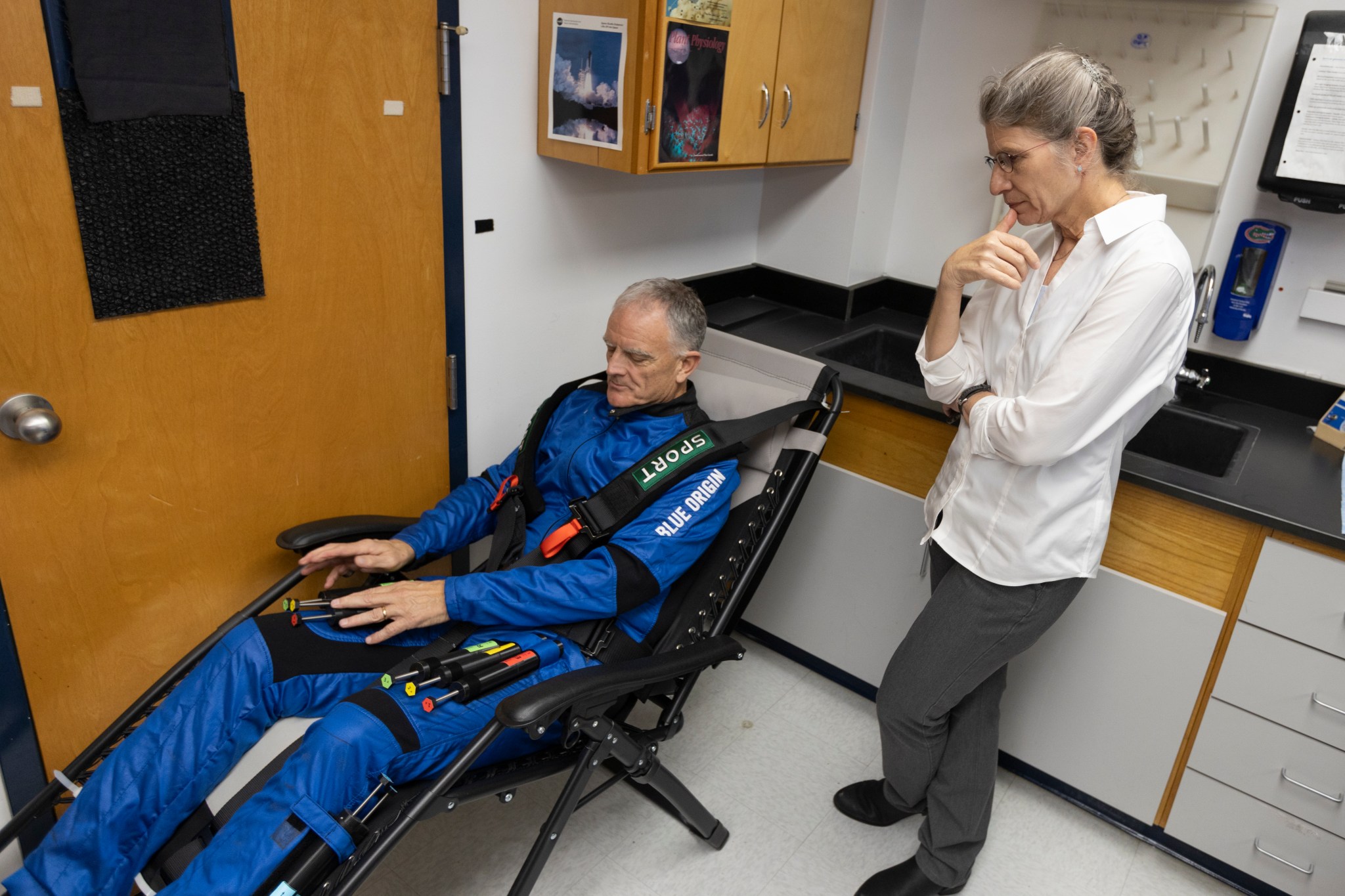
For the first time, a NASA-funded researcher will fly with their experiment on a commercial suborbital rocket. The technology is one of two NASA-supported experiments, also known as payloads, funded by the agency’s Flight Opportunities pro…

Another busy week of spaceflight activities contains up to five launches from SpaceX, including the Polaris Dawn mission, whose private crew will conduct an inspiring mission profile. Other SpaceX missions include three Starlink flights an…

Blue Origin has scheduled its next New Shepard suborbital mission for Aug. 29 after completing an investigation into a parachute that failed to fully open on the vehicle’s previous flight.
Note: Payload identities uncertain. Batch of 16 Rassvet-3 Low Earth Orbit communication satellites for the Russian Byuro-1440 (Bureau 1440) conste…
First launch of Skyroot Aerospace's Vikram-I launch vehicle. This first launch will carry 4 payloads: - Grahaa Space's SOLARAS S3 satellite - C…
Tranche 1 Transport Layer E is one of six missions by the United States Space Force Space Development Agency (SDA) for the Proliferated Warfighter Sp…
Soyuz MS-29 will carry three cosmonauts and one astronaut to the International Space Station aboard the Soyuz spacecraft from the Baikonur Cosmodrome…
A batch of 29 satellites for the Starlink mega-constellation - SpaceX's project for space-based Internet communication system.
A batch of 27 satellites for the Starlink mega-constellation - SpaceX's project for space-based Internet communication system.
A batch of 24 satellites for the Starlink mega-constellation - SpaceX's project for space-based Internet communication system.
First launch of the Long March 10B rocket and first ever successful rocket booster recovery of a Chinese launch vehicle. Payloads on board is TBD.
A batch of 29 satellites for the Starlink mega-constellation - SpaceX's project for space-based Internet communication system.
Dedicated rideshare flight to a sun-synchronous orbit with dozens of small microsatellites and nanosatellites for commercial and government customers.