Falcon 9 Block 5 | Starlink 27
Launch Successful
L - -- : -- : -- : --
Instantaneous launch window.
Launch Window
May 9, 2021, 6:42 a.m. - May 9, 2021, 6:42 a.m.


Instantaneous launch window.
May 9, 2021, 6:42 a.m. - May 9, 2021, 6:42 a.m.
A batch of 60 satellites for Starlink mega-constellation - SpaceX's project for space-based Internet communication system.

Nominal payload insertion, launch successful

Weather 80%
GO per NOTAM 1/0759.
Adding launch per SFN article and NOTAM F1449/21.
Falcon 9 is a two-stage rocket designed and manufactured by SpaceX for the reliable and safe transport of satellites and the Dragon spacecraft into orbit. The Block 5 variant is the fifth major interval aimed at improving upon the ability for rapid reusability.
See DetailsB1051 successfully landed on ASDS JRTI after its 10th launch.
Result: Successful Autonomous Spaceport Drone Ship landing at Just Read the Instructions.Space Exploration Technologies Corp., known as SpaceX, is an American aerospace manufacturer and space transport services company headquartered in Hawthorne, California. It was founded in 2002 by entrepreneur Elon Musk with the goal of reducing space transportation costs and enabling the colonization of Mars. SpaceX operates from many pads, on the East Coast of the US they operate from SLC-40 at Cape Canaveral Space Force Station and historic LC-39A at Kennedy Space Center. They also operate from SLC-4E at Vandenberg Space Force Base, California, usually for polar launches. Another launch site is being developed at Boca Chica, Texas.
INFO WIKI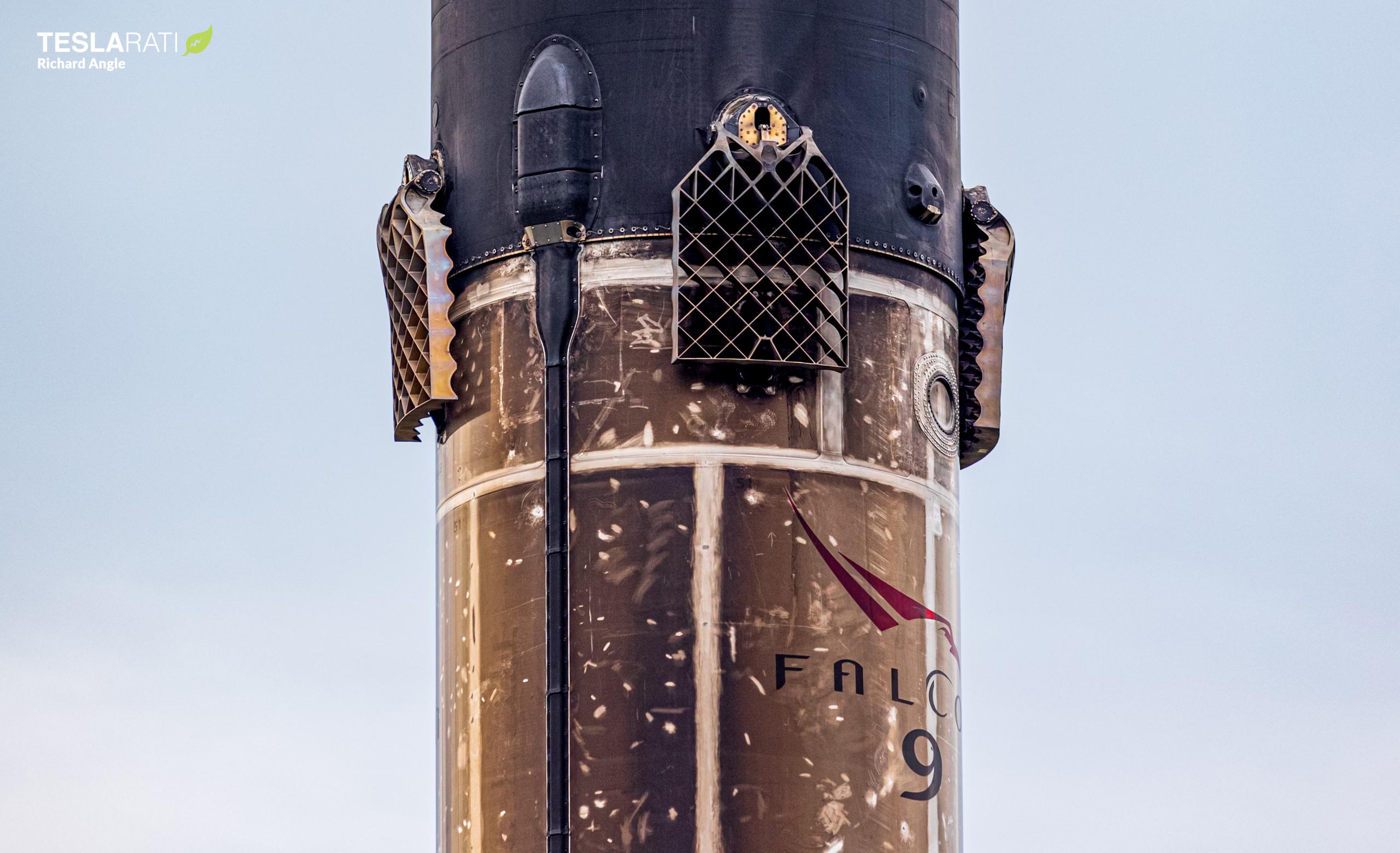
Three days after acing record-breaking tenth launch and landing, SpaceX’s sootiest Falcon 9 rocket booster yet has returned to Port Canaveral to...

The launch of another 60 Starlink internet spacecraft from Cape Canaveral Sunday thrust SpaceX past a major milestone in rocket reuse: the 10th successful flight of a Falcon 9 booster. The mission marked the fourth SpaceX launch from Flori…
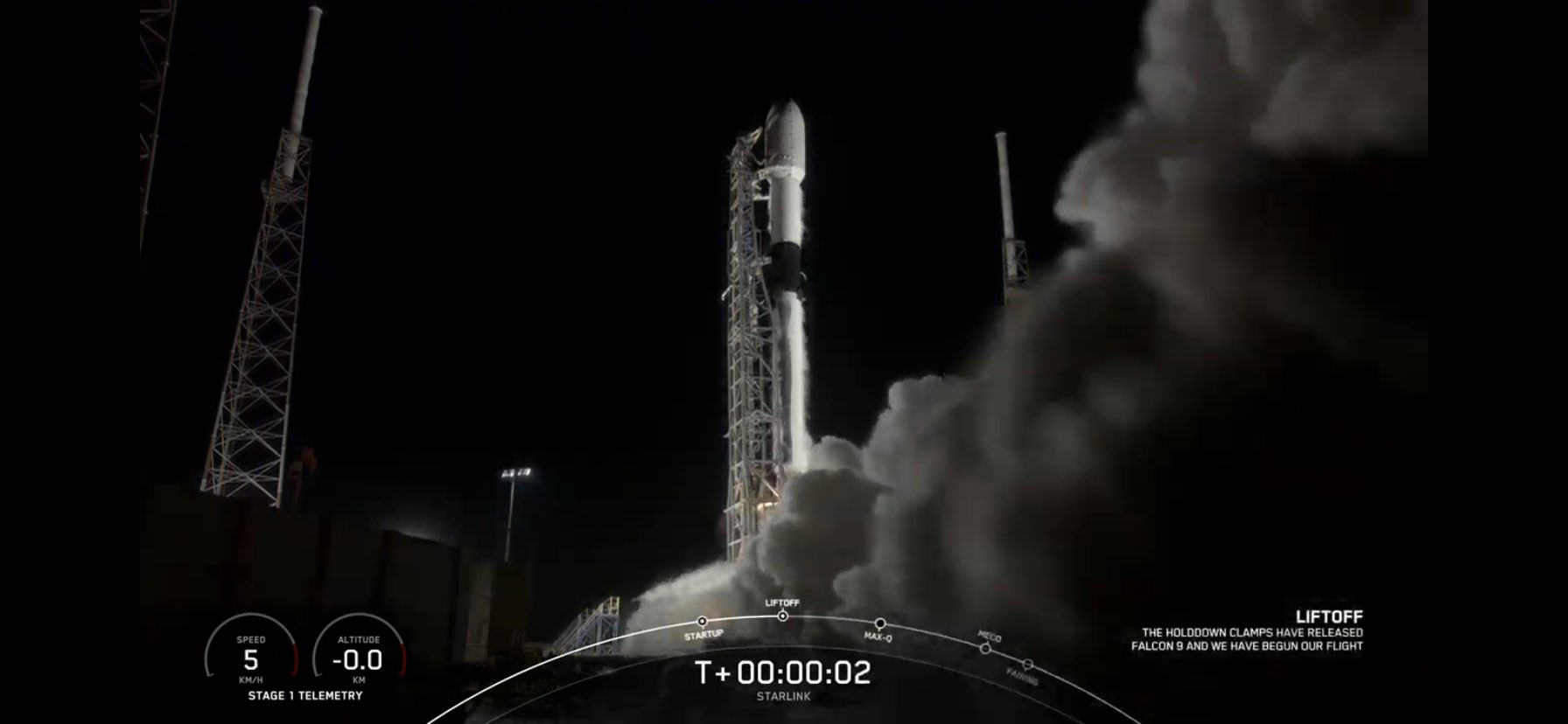
This particular first stage is approaching historic status.
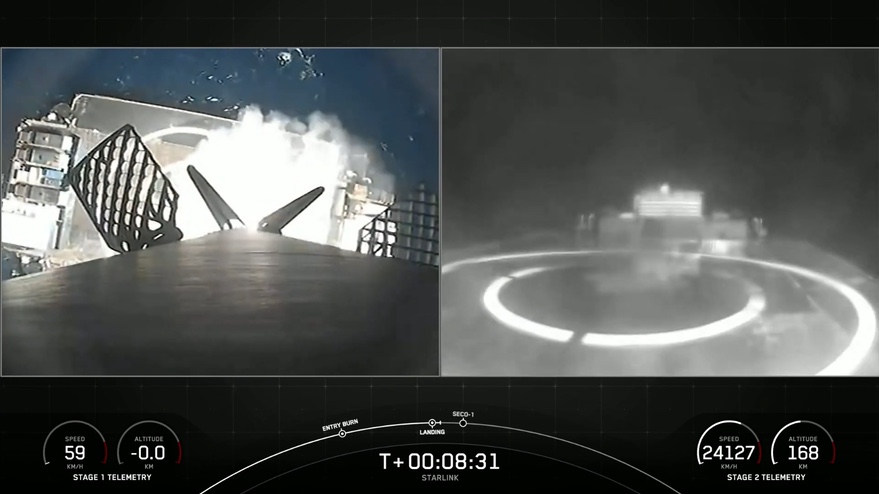
SpaceX launched a set of Starlink satellites May 9 on a Falcon 9 whose first stage was making its tenth flight, a long-awaited goal in the company’s reusability efforts.

SpaceX conducted the historic 10th flight of a Falcon 9 rocket booster on the Starlink V1.0 L27 mission Sunday. The mission launched from SLC-40 at Cape Canaveral Space Force Station on 9 May at 02:42 EDT / 06:42 UTC with an 80% positive l…
First launch of Skyroot Aerospace's Vikram-I launch vehicle. This first launch will carry 4 payloads: - Grahaa Space's SOLARAS S3 satellite - C…
Tranche 1 Transport Layer E is one of six missions by the United States Space Force Space Development Agency (SDA) for the Proliferated Warfighter Sp…
Soyuz MS-29 will carry three cosmonauts and one astronaut to the International Space Station aboard the Soyuz spacecraft from the Baikonur Cosmodrome…
A batch of 29 satellites for the Starlink mega-constellation - SpaceX's project for space-based Internet communication system.
A batch of 27 satellites for the Starlink mega-constellation - SpaceX's project for space-based Internet communication system.
A batch of 24 satellites for the Starlink mega-constellation - SpaceX's project for space-based Internet communication system.
First launch of the Long March 10B rocket and first ever successful rocket booster recovery of a Chinese launch vehicle. Payloads on board is TBD.
A batch of 29 satellites for the Starlink mega-constellation - SpaceX's project for space-based Internet communication system.
Dedicated rideshare flight to a sun-synchronous orbit with dozens of small microsatellites and nanosatellites for commercial and government customers.
20 Low Earth Orbit communication satellites with Ku, Q and V band payloads for the G60 constellation operated by Shanghai Spacesail Technologies with…
