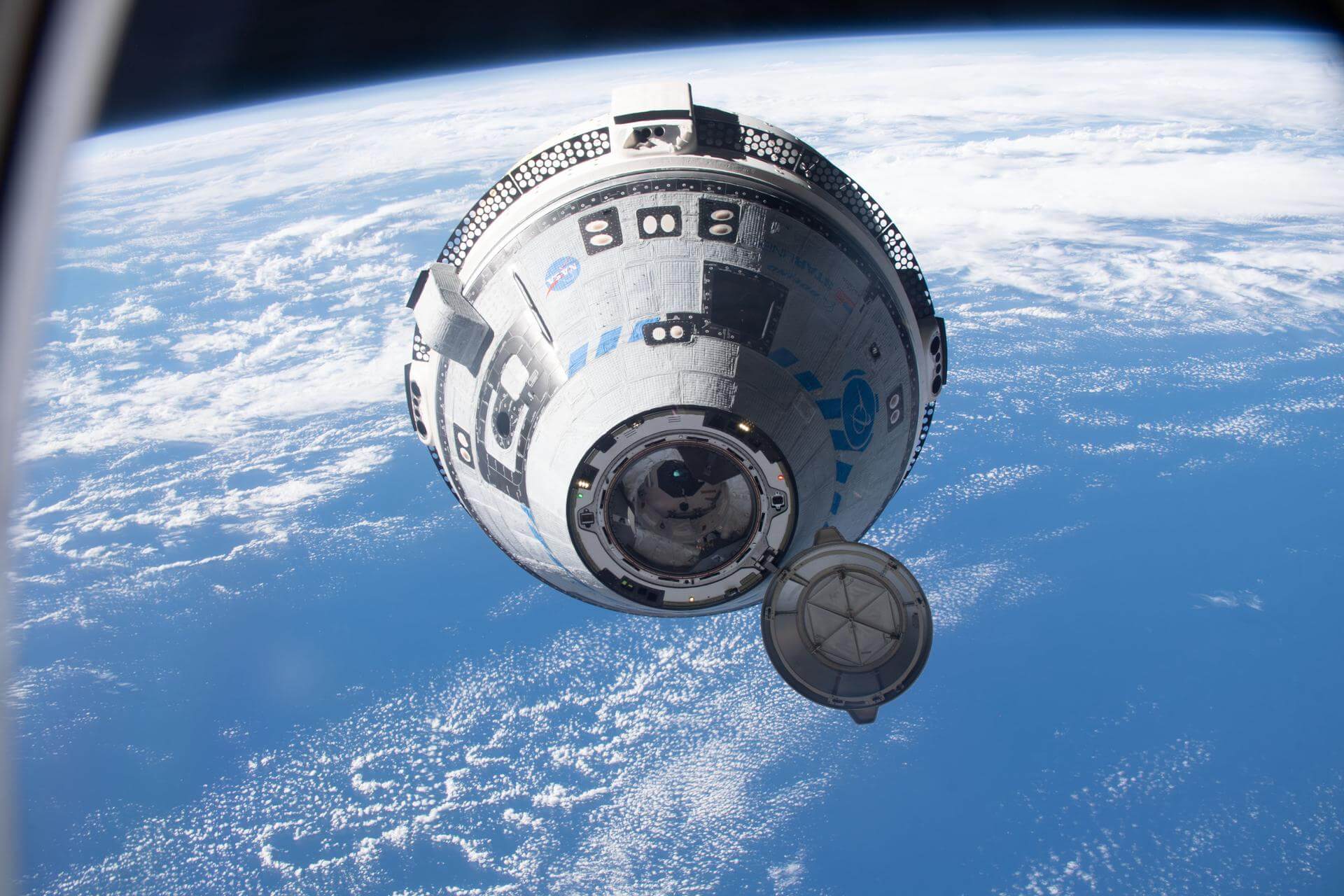
Spacecraft Undocking
Boeing Starliner OFT-2 Undocking
International Space Station International Space Station Atlas V N22 | CST-100 Starliner Orbital Flight Test 2 (OFT-2)
The Boeing CST-100 Starliner will undock from the International Space Station and conduct a deorbit burn as part of its second uncrewed test flight.
Following the deorbit burn the capsule will renter the Earth's atmosphere and land at the 'White Sands Missile Range' using its parachutes.
Updates

Nosu • May 25, 2022, 6:37 p.m.
Undocking confirmed at 18:36 UTC.

Cosmic_Penguin • May 23, 2022, 11:28 p.m.
New undock time
Related Information
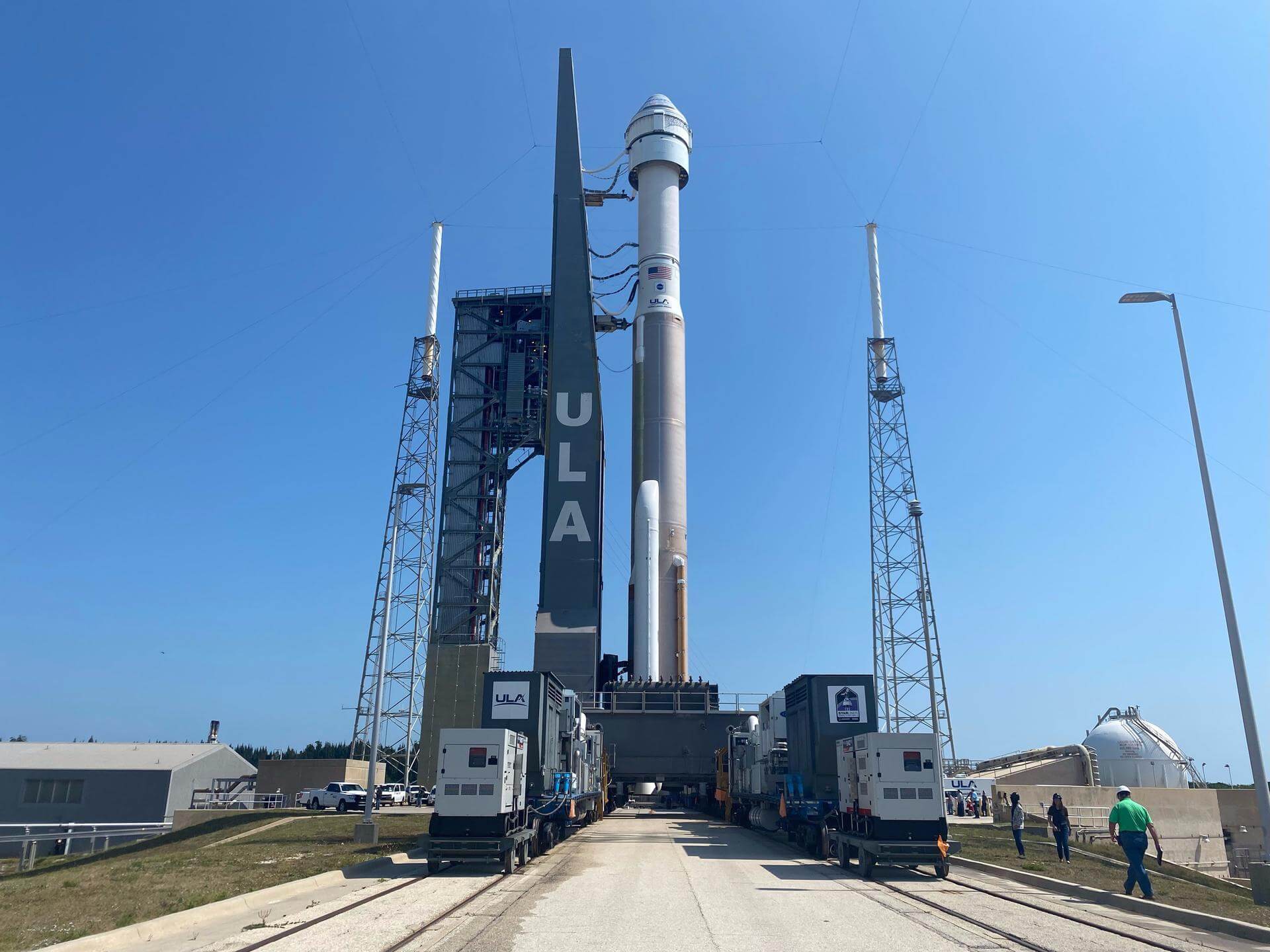
Atlas V N22 | CST-100 Starliner Orbital Flight Test 2 (OFT-2)
United Launch Alliance | United States of AmericaCape Canaveral SFS, FL, USA
May 19, 2022, 10:54 p.m.
Status: Launch Successful
Mission:
This is the second uncrewed test flight for the Starliner spacecraft. Reflight of the OFT mission will allow Boeing to demonstrate readiness of the spacecraft and implement corrections to the problems which were found during the first OFT flight.
Low Earth Orbit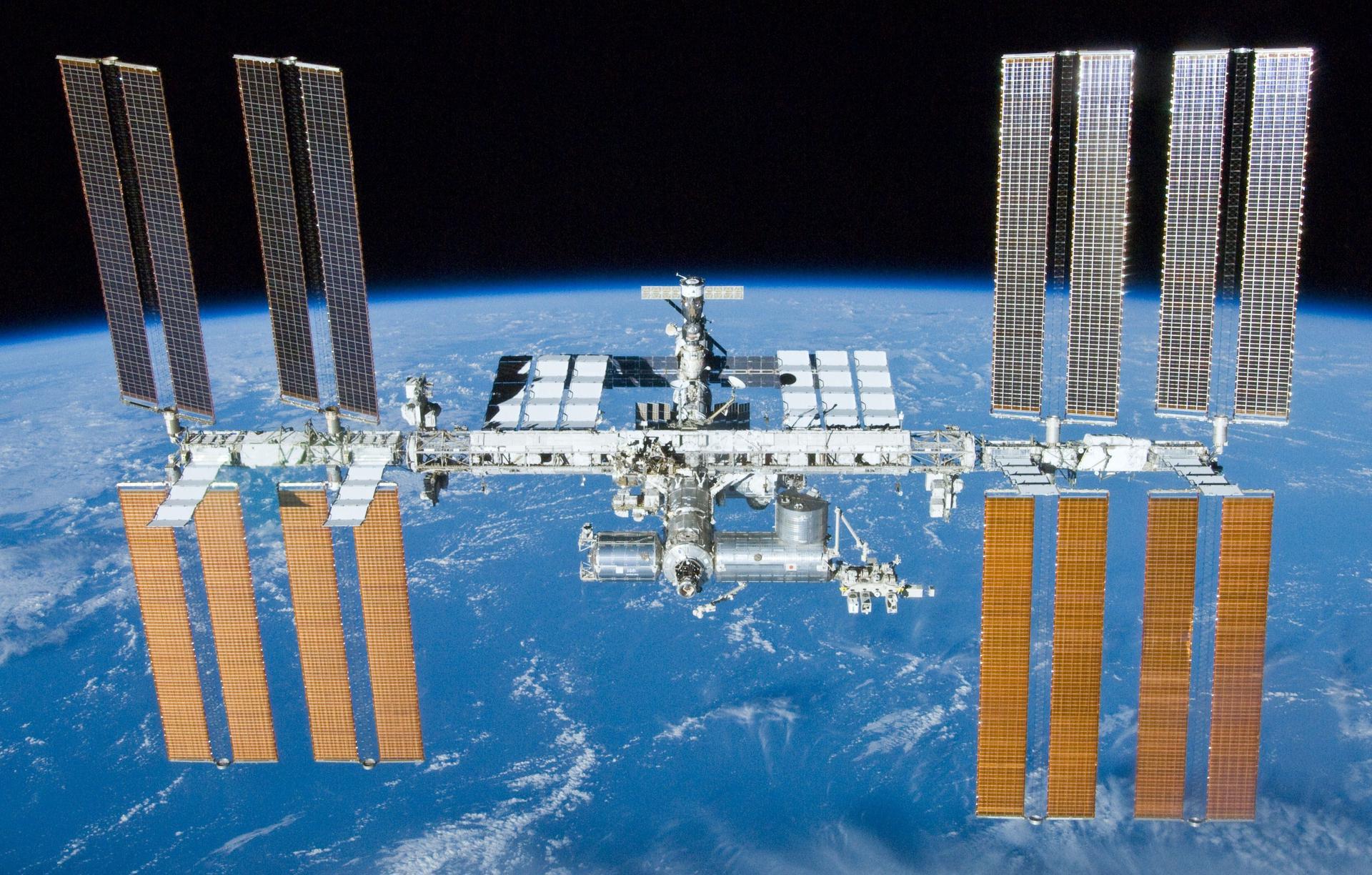
International Space Station
Low Earth Orbit Government Founded: Nov. 20, 1998 Mass: 419.7T Volume: 931 m³
Status - Active
The International Space Station (ISS) is a space station, or a habitable artificial satellite, in low Earth orbit. Its first component was launched into orbit in 1998, with the first long-term residents arriving in November 2000. It has been inhabited continuously since that date. The last pressurised module was fitted in 2011, and an experimental inflatable space habitat was added …
Long March 8A
SpaceSail Polar Group #14
Commercial LC-1 - Wenchang Space Launch Site, People's Republic of China20 Low Earth Orbit communication satellites with Ku, Q and V band payloads for the G60 constellation operated by Shanghai Spacesail Technologies with…
Falcon 9
Starlink Group 10-50
Space Launch Complex 40 - Cape Canaveral SFS, FL, USAA batch of 29 satellites for the Starlink mega-constellation - SpaceX's project for space-based Internet communication system. The Falcon 9 1st st…
Long March 6A
SpaceSail Polar Group #13
Launch Complex 9A - Taiyuan Satellite Launch Center, People's Republic of China18 Low Earth Orbit communication satellites with Ku, Q and V band payloads for the G60 constellation operated by Shanghai Spacesail Technologies with…
Pegasus XL
Swift Boost Mission
Kwajalein Atoll - Air launch to orbitContracted by NASA under the Small Business Innovation Research Phase 3 contract, Katalyst Space Technologies' LINK servicing spacecraft will rendezv…
Atlas V 551
Amazon Leo (LA-08)
Space Launch Complex 41 - Cape Canaveral SFS, FL, USAAmazon Leo, formerly known as Project Kuiper, is a mega constellation of satellites in Low Earth Orbit that will offer broadband internet access, thi…
Falcon 9
Starlink Group 17-46
Space Launch Complex 4E - Vandenberg SFB, CA, USAA batch of 24 satellites for the Starlink mega-constellation - SpaceX's project for space-based Internet communication system.
Long March 4B
Haiyang 2E
Launch Area 94 (SLS-2 / 603) - Jiuquan Satellite Launch Center, People's Republic of ChinaHaiyang 2E (Chinese: "Ocean"), abbreviated HY-2E, is a marine remote sensing satellite of China. The HY-2 series' primary objective is to measure oce…
Falcon 9
Sirius SXM-11
Space Launch Complex 40 - Cape Canaveral SFS, FL, USASXM-11 is the 12th high-powered, digital, audio radio satellite built by Lanteris Space (ex-Maxar, Space System/Loral) for SiriusXM. The SXM-11 satel…
Falcon 9
Starlink Group 17-40
Space Launch Complex 4E - Vandenberg SFB, CA, USAA batch of 24 satellites for the Starlink mega-constellation - SpaceX's project for space-based Internet communication system.
Electron
Ten Owl Of Ten (StriX Launch 10)
Rocket Lab Launch Complex 1B - Rocket Lab Launch Complex 1, Mahia Peninsula, New ZealandSynthetic aperture radar satellite for Japanese Earth imaging company Synspective.

