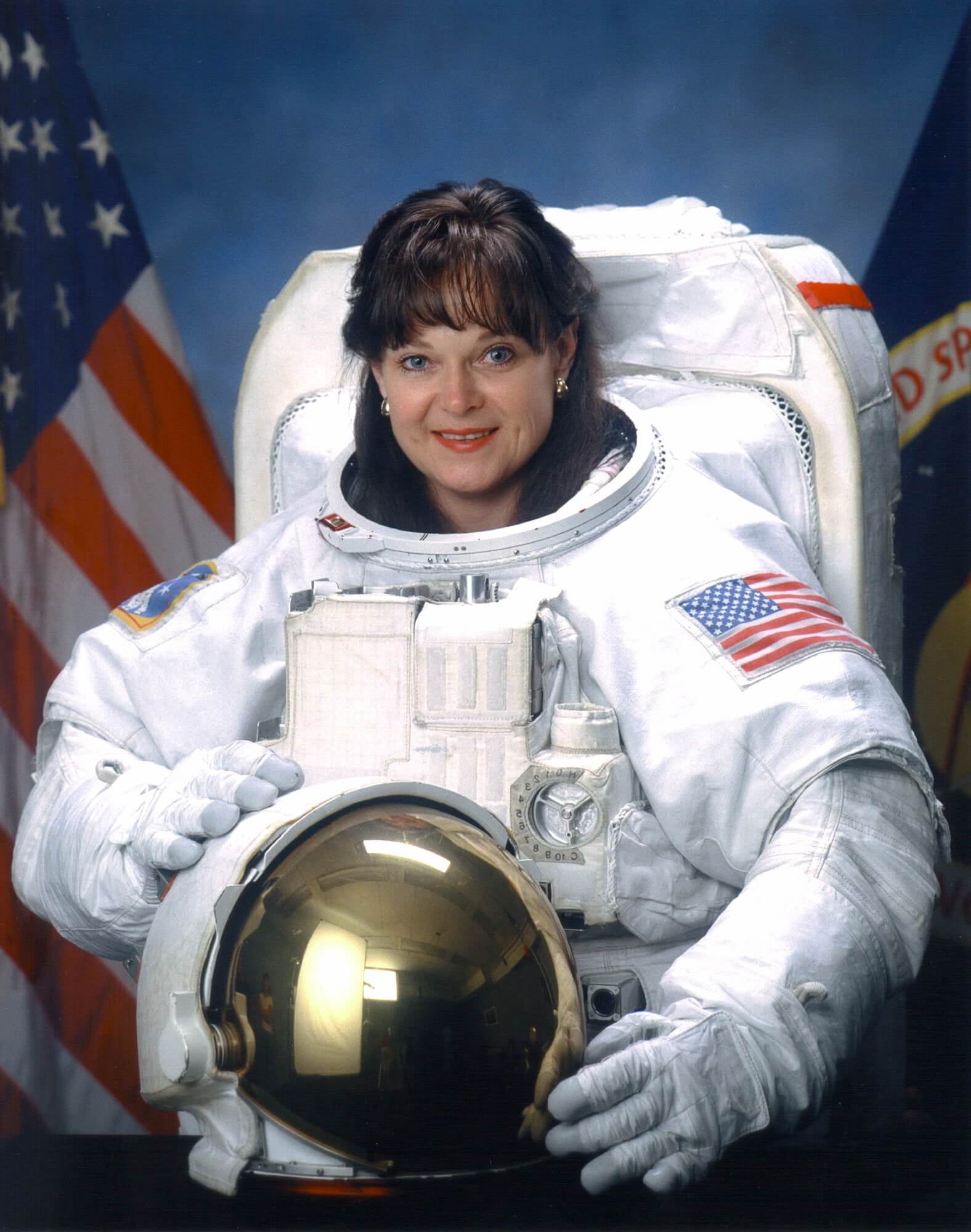
Tamara E. Jernigan
American - (NASA)
Retired
Date of Birth: May 7, 1959
Age: 67
Tamara Elizabeth "Tammy" Jernigan, Ph.D. is an American scientist and former NASA astronaut and a veteran of five shuttle missions.
Space Shuttle Columbia / OV-102 | STS-40
National Aeronautics and Space Administration | United States of AmericaKennedy Space Center, FL, USA
June 5, 1991, 1:24 p.m.
Space Shuttle Columbia / OV-102 | STS-52
National Aeronautics and Space Administration | United States of AmericaKennedy Space Center, FL, USA
Oct. 22, 1992, 5:09 p.m.
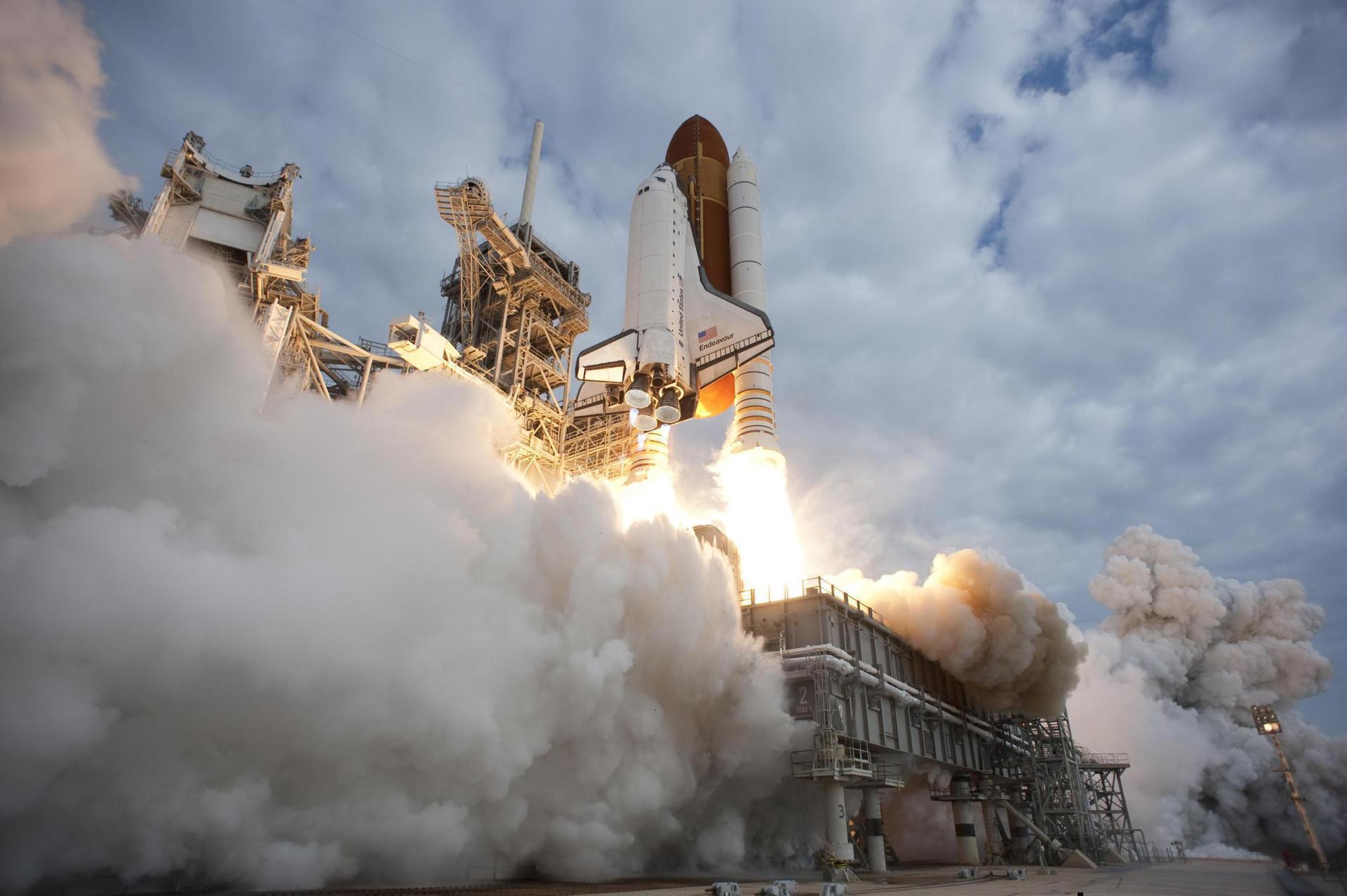
Space Shuttle Endeavour / OV-105 | STS-67
National Aeronautics and Space Administration | United States of AmericaKennedy Space Center, FL, USA
March 2, 1995, 6:38 a.m.
Space Shuttle Columbia / OV-102 | STS-80
National Aeronautics and Space Administration | United States of AmericaKennedy Space Center, FL, USA
Nov. 19, 1996, 7:55 p.m.
Status: Success
Mission:
STS-80 was a Space Shuttle mission flown by Space Shuttle Columbia. The launch was originally scheduled for 31 October 1996, but was delayed to 19 November for several reasons. Likewise, the landing, which was originally scheduled for 5 December, was pushed back to 7 December after bad weather prevented landing for two days. The mission was the longest Shuttle mission ever flown at 17 days, 15 hours, and 53 minutes. Although two spacewalks were planned for the mission, they were both canceled after problems with the airlock hatch prevented astronauts Tom Jones and Tammy Jernigan from exiting the orbiter.
Low Earth OrbitSpace Shuttle Discovery / OV-103 | STS-96
National Aeronautics and Space Administration | United States of AmericaKennedy Space Center, FL, USA
May 27, 1999, 10:49 a.m.
Status: Success
Mission:
STS-96 was a Space Shuttle mission to the International Space Station (ISS) flown by Space Shuttle Discovery, and the first shuttle flight to dock with the International Space Station. The shuttle carried the Spacehab module in the payload, filled with cargo for station outfitting. STS-96 launched from Kennedy Space Center, Florida, on 27 May 1999 at 06:49:42 AM EDT.
Low Earth OrbitThe National Aeronautics and Space Administration is an independent agency of the executive branch of the United States federal government responsible for the civilian space program, as well as aeronautics and aerospace research. NASA have many launch facilities but most are inactive. The most commonly used pad will be LC-39B at Kennedy Space Center in Florida.
Falcon 9
Starlink Group 17-49
Space Launch Complex 4E - Vandenberg SFB, CA, USAA batch of 24 satellites for the Starlink mega-constellation - SpaceX's project for space-based Internet communication system.
Falcon 9
Starlink Group 10-19
Space Launch Complex 40 - Cape Canaveral SFS, FL, USAA batch of 29 satellites for the Starlink mega-constellation - SpaceX's project for space-based Internet communication system.
H3-22
Michibiki 7 (QZS-7)
Yoshinobu Launch Complex LP-2 - Tanegashima Space Center, JapanQZSS (Quasi Zenith Satellite System) is a Japanese satellite navigation system operating from inclined, elliptical geosynchronous orbits to achieve o…
Long March 7A
ChinaSat 4B
201 - Wenchang Space Launch Site, People's Republic of ChinaChinese communication geostationary satellite for unknown purposes.
Falcon 9
Starlink Group 17-38
Space Launch Complex 4E - Vandenberg SFB, CA, USAA batch of 24 satellites for the Starlink mega-constellation - SpaceX's project for space-based Internet communication system.

