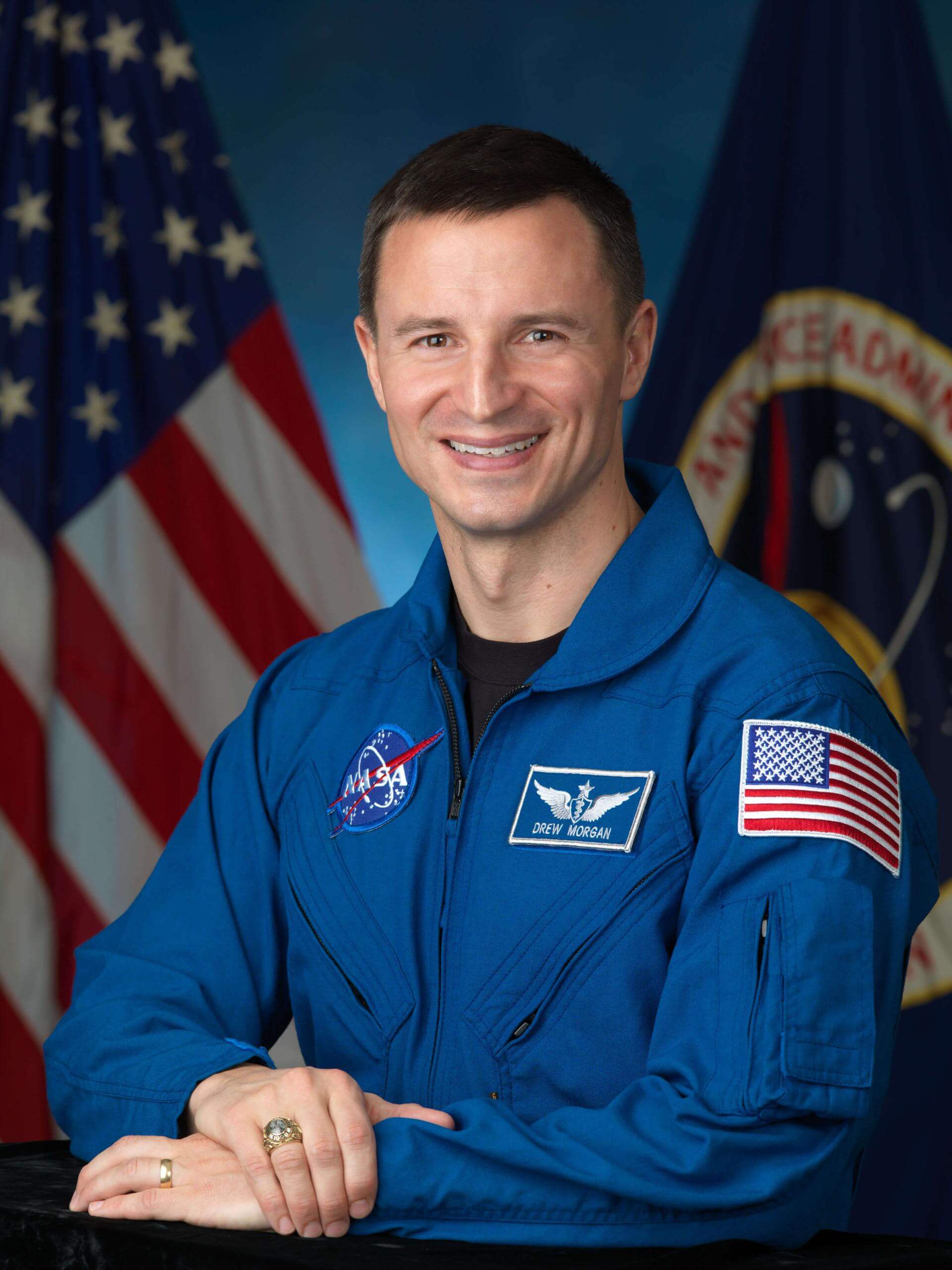
Andrew R. Morgan
American - (NASA)
Active
Date of Birth: Feb. 5, 1976
Age: 49
Andrew Richard "Drew" Morgan is a NASA astronaut from the class of 2013.
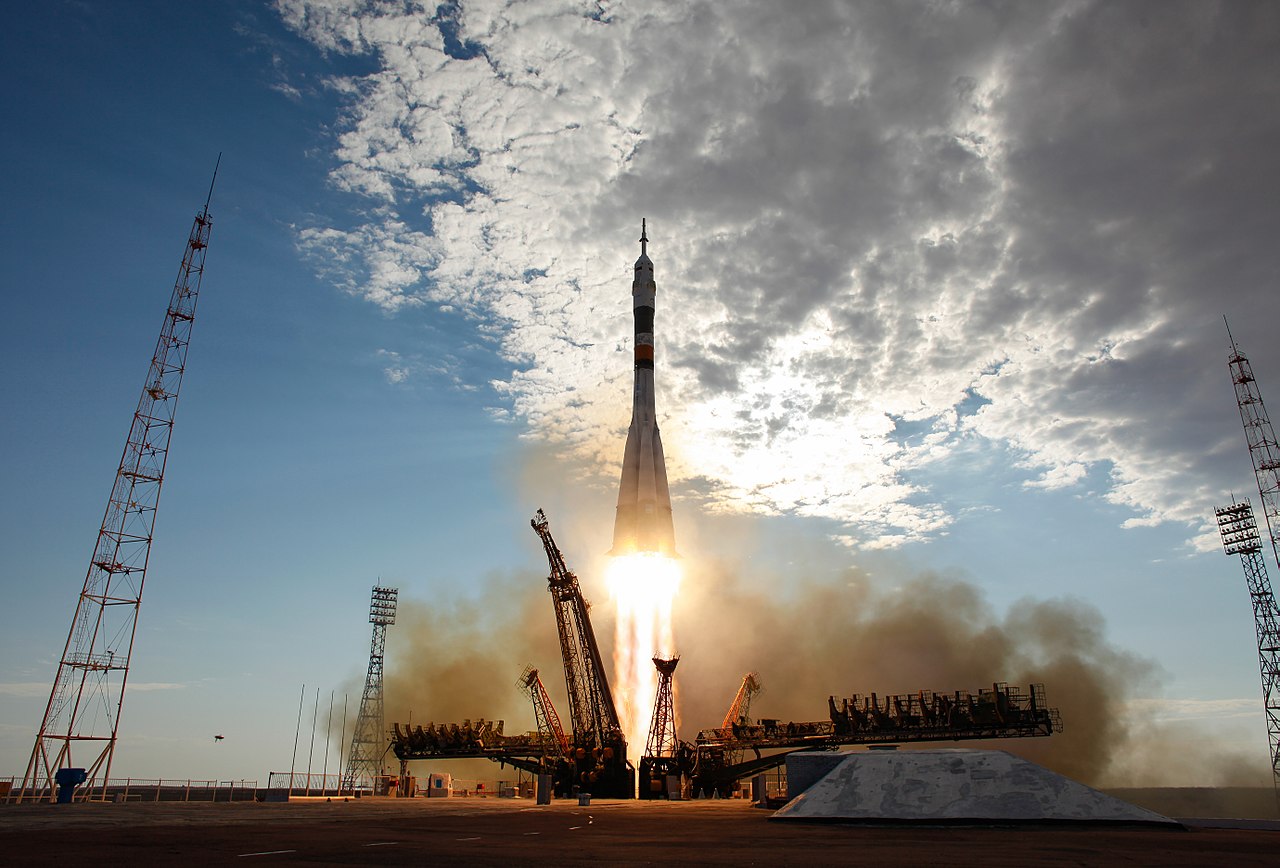
Soyuz-FG | Soyuz MS-13
Progress Rocket Space Center | RussiaBaikonur Cosmodrome, Republic of Kazakhstan
July 20, 2019, 4:28 p.m.
Status: Success
Mission:
Soyuz MS-13 begins expedition 60 by carrying NASA astronaut Andrew Morgan, Luca Parmitano of ESA (European Space Agency) and Alexander Skvortsov of the Russian space agency Roscosmos launch to the International Space Station aboard the Soyuz spacecraft from the Baikonur Cosmodrome in Kazakhstan.
Low Earth OrbitSoyuz-FG | Soyuz MS-15
Progress Rocket Space Center | RussiaBaikonur Cosmodrome, Republic of Kazakhstan
Sept. 25, 2019, 1:57 p.m.
Status: Success
Mission:
Soyuz MS-15 begins expedition 61 by carrying NASA astronaut Jessica Meir, Roscosmos cosmonaut Oleg Skripochka and United Arab Emirates’ Hazzaa Ali Almansoori, a Roscosmos spaceflight participant and first Emirati in space that will spend only 8 days aboard ISS before returning to Earth aboard a Soyuz MS-12.
Low Earth Orbit #SoyuzMS15The National Aeronautics and Space Administration is an independent agency of the executive branch of the United States federal government responsible for the civilian space program, as well as aeronautics and aerospace research. NASA have many launch facilities but most are inactive. The most commonly used pad will be LC-39B at Kennedy Space Center in Florida.
Long March 4C
Shiyan 28 B-01
Launch Complex 3 (LC-3/LA-1) - Xichang Satellite Launch Center, People's Republic of ChinaSatellite officially named for "space environment detection" purposes, exact details unknown.
Falcon 9
Starlink Group 10-25
Space Launch Complex 40 - Cape Canaveral SFS, FL, USAA batch of 27 satellites for the Starlink mega-constellation - SpaceX's project for space-based Internet communication system.
Falcon 9
MTG-S1
Launch Complex 39A - Kennedy Space Center, FL, USASecond of EUMETSAT's third generation of weather satellite.
New Shepard
NS-33
West Texas Suborbital Launch Site/ Corn Ranch - Corn Ranch, Van Horn, TX, USANS-33 is the 13th crewed flight for the New Shepard program and the 33rd in its history.
Falcon 9
Starlink Group 15-7
Space Launch Complex 4E - Vandenberg SFB, CA, USAA batch of 26 satellites for the Starlink mega-constellation - SpaceX's project for space-based Internet communication system.

