Vulcan VC4S | USSF-87
Launch Successful
L - -- : -- : -- : --
Launch Window
Feb. 12, 2026, 8:30 a.m. - Feb. 12, 2026, 10:30 a.m.


Feb. 12, 2026, 8:30 a.m. - Feb. 12, 2026, 10:30 a.m.
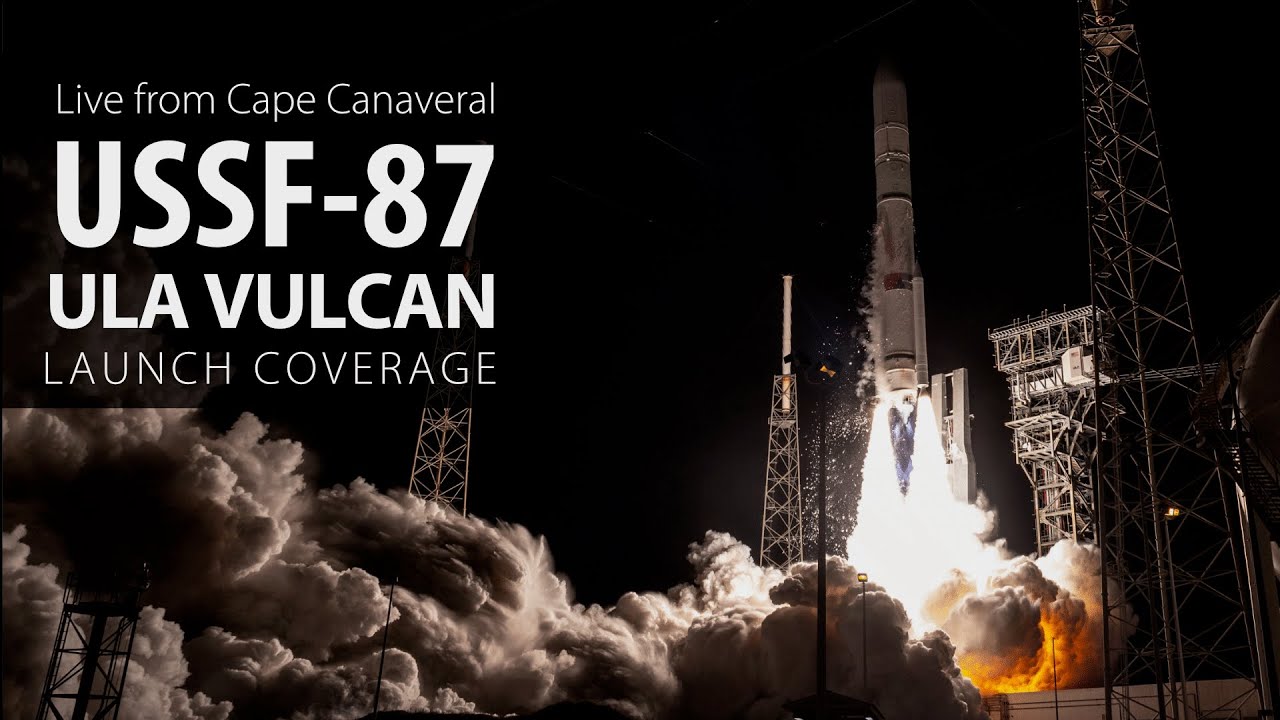
Watch live coverage from Cape Canaveral Space Force Station as United Launch Alliance (ULA) launches a Vulcan rocket with the Geosynchronous Space Situational Awareness Program (GSSAP) spacecraft onboard. Liftoff from pad 41 at Cape Canaveral Space Force Station is scheduled for 4:22 a.m. EST (0922 UTC). The U.S. Space Force …

ULA Vulcan VC4S launches USSF-87 (GSSAP 7 & 8) from SLC-41, Cape Canaveral. Launch window: Feb 12 03:30 AM Eastern to 05:30AM Eastern. Current T0: Feb 12 03:30 AM Eastern. ⚡ Become a member of NASASpaceflight's channel for exclusive discord access, fast turnaround clips, and other exclusive benefits. Your support …

A United Launch Alliance (ULA) Vulcan rocket will deliver national security spacecraft directly to geosynchronous orbit for the U.S. Space Force Space Systems Command on the USSF-87 mission. Liftoff will occur from Space Launch Complex-41 at Cape Canaveral Space Force Station in Florida. Launch ...
USSF-87 will launch two identical Geosynchronous Space Situational Awareness Program (GSSAP) satellites GSSAP-7 and GSSAP-8 directly to a near-geosynchronous orbit approximately 36,000 km above the equator. Data from the GSSAP will uniquely contribute to timely and accurate orbital predictions, further enabling space flight safety including satellite collision avoidance.
Launch trajectory and telemetry simulations provided by Flight Club - a rocket launch simulator and orbital trajectory visualiser for all things space!

Launch success.

Liftoff!

Official Webcast by United Launch Alliance has started
New T-0 09:22 UTC
Updated launch weather, 95% GO.
Vulcan Centaur is a two-stage-to-orbit, heavy-lift launch vehicle under development by United Launch Alliance (ULA) since 2014. It is principally designed to meet launch demands for the U.S. government's National Security Space Launch (NSSL) program for use by the United States Space Force and U.S. intelligence agencies for national security satellite launches. It will replace both of ULA's existing launchers (Atlas V and Delta IV Heavy) in this role, as these launchers are retiring.
See DetailsUnited Launch Alliance (ULA) is a joint venture of Lockheed Martin Space Systems and Boeing Defense, Space & Security. ULA was formed in December 2006 by combining the teams at these companies which provide spacecraft launch services to the government of the United States. ULA launches from both coasts of the US. They launch their Atlas V vehicle from LC-41 in Cape Canaveral and LC-3E at Vandeberg. Their Delta IV launches from LC-37 at Cape Canaveral and LC-6 at Vandenberg.
INFO WIKI
United Launch Alliance’s corporate parents have guaranteed a loan to the company as it addresses “financial challenges” caused by the grounding of its Vulcan Centaur rocket. The post ULA deals with financial challenges caused by Vulcan gr…
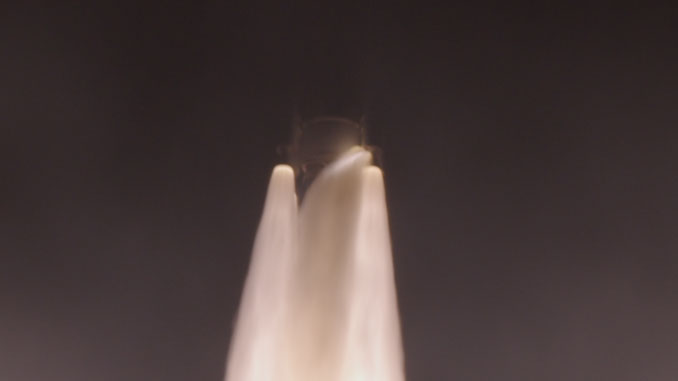
The static fire test was conducted by Northrop Grumman, the manufacturer of the GEM 63XL solid rocket booster that can be used to help power United Launch Alliance’s Vulcan rockets. An in-flight anomaly was observed on one of those back in…
Officials explore shifting missions, extending satellites already in orbit The post Space Force weighs launch alternatives as Vulcan faces potential months-long grounding appeared first on SpaceNews.
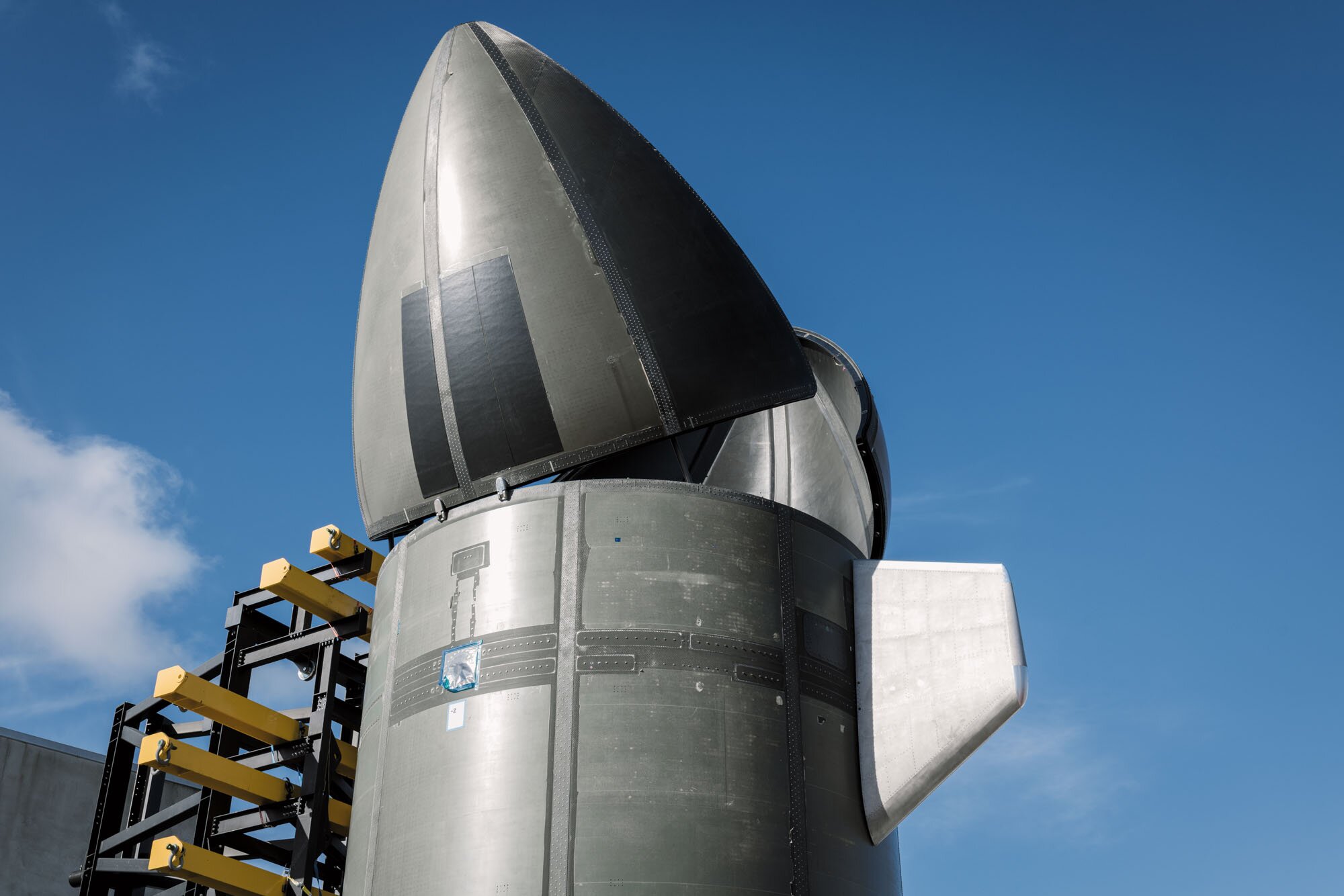
"As the original architect of Vector’s vision, it’s deeply meaningful to bring these assets home."

Delay complicates ULA’s push to accelerate launch cadence The post Space Force halts Vulcan missions pending investigation into solid rocket Issue appeared first on SpaceNews.
A batch of 24 satellites for the Starlink mega-constellation - SpaceX's project for space-based Internet communication system.
Synthetic aperture radar Earth observation satellite for Japanese Earth imaging company iQPS.
AST SpaceMobile’s Block 2 BlueBird satellites are designed to deliver up to 10 times the bandwidth capacity of the BlueBird Block 1 satellites, requi…
2 hyper-spectral Earth observation satellites from Chinese company STAR.VISION. Both satellites are built in corporation with foreign customers: *…
A batch of 24 satellites for the Starlink mega-constellation - SpaceX's project for space-based Internet communication system.
A batch of 9 Low Earth Orbit communication satellites for the Chinese state owned SatNet constellation operated by the China Satellite Network Group.…
A batch of 24 satellites for the Starlink mega-constellation - SpaceX's project for space-based Internet communication system.
Classified payload for the US National Reconnaissance Office.
2 Chinese classified satellites claimed to be for communication technology test purposes. Actual mission not known.
Tianlian is a Chinese data tracking and relay communications geostationary satellite series. The TL-3 (Tian Lian 3) satellites are the 3rd generation…
 View in Flightclub