Florida Launch Schedule
Upcoming launches out of Kennedy Space Center and Cape Canaveral AFB
Filter by Agency, Locations or Vehicles
Show All Launches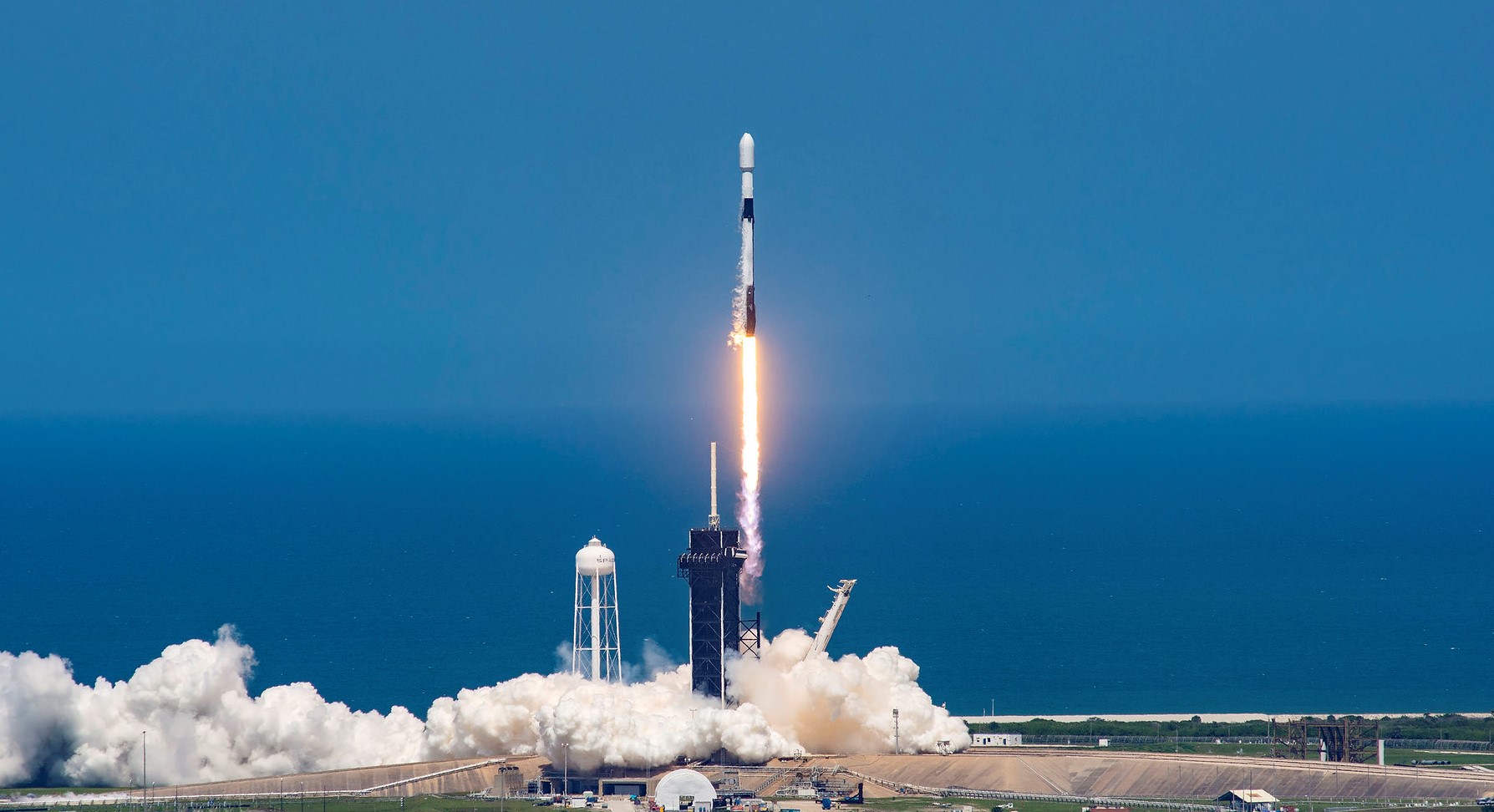
Falcon 9 Block 5 | GEO-KOMPSAT-3
SpaceX | United States of AmericaCape Canaveral SFS, FL, USA
TBD December, 2027
Status: To Be Determined
Mission:
3.7-ton South Korean geostationary communications satellite also known as Chollian-3. Designed to replace GEO-Kompsat-1 launched in 2010, it features advanced payloads for communications, disaster prevention, maritime safety and the safe flight of aircraft
Geostationary Transfer OrbitFalcon 9 Block 5 | Thaicom 10
SpaceX | United States of AmericaCape Canaveral SFS, FL, USA
TBD December, 2027
Status: To Be Determined
Mission:
Thaicom 10, built by Airbus Defence and Space, will provide over 120 gigabits per second (Gbps) of capacity, with flexibility and instant configuration to adapt dynamically to the customers’ needs. The satellite will provide extended connectivity over the region for Thaicom’s customers and partners across the Asia Pacific.
Geostationary Transfer OrbitFalcon 9 Block 5 | Nova-C IM-4 & 2 Lunar Data Relay Satellites
SpaceX | United States of AmericaCape Canaveral SFS, FL, USA
TBD December, 2027
Falcon 9 Block 5 | Thor 8
SpaceX | United States of AmericaCape Canaveral SFS, FL, USA
TBD December, 2027
Status: To Be Determined
Mission:
Thor 8 is a multi-purpose communications satellite for Space Norway. The satellite will both replace older satellites being phased out in the coming years and provide increased capacity and service offerings that offers capacity for both data services and broadcasting, such as high power direct-to-home (DTH) television services, from the 1° West orbital position. It carries two dedicated payloads for broadcasting in Europe and the Nordics, as well as payloads for data services to commercial and governmental customers. With a launch mass of 4 metric tons, the satellite will be built on Thales Alenia Space’s Spacebus-4000B2 platform and will operate in the Ka and Ku frequency bands.
Geostationary Transfer Orbit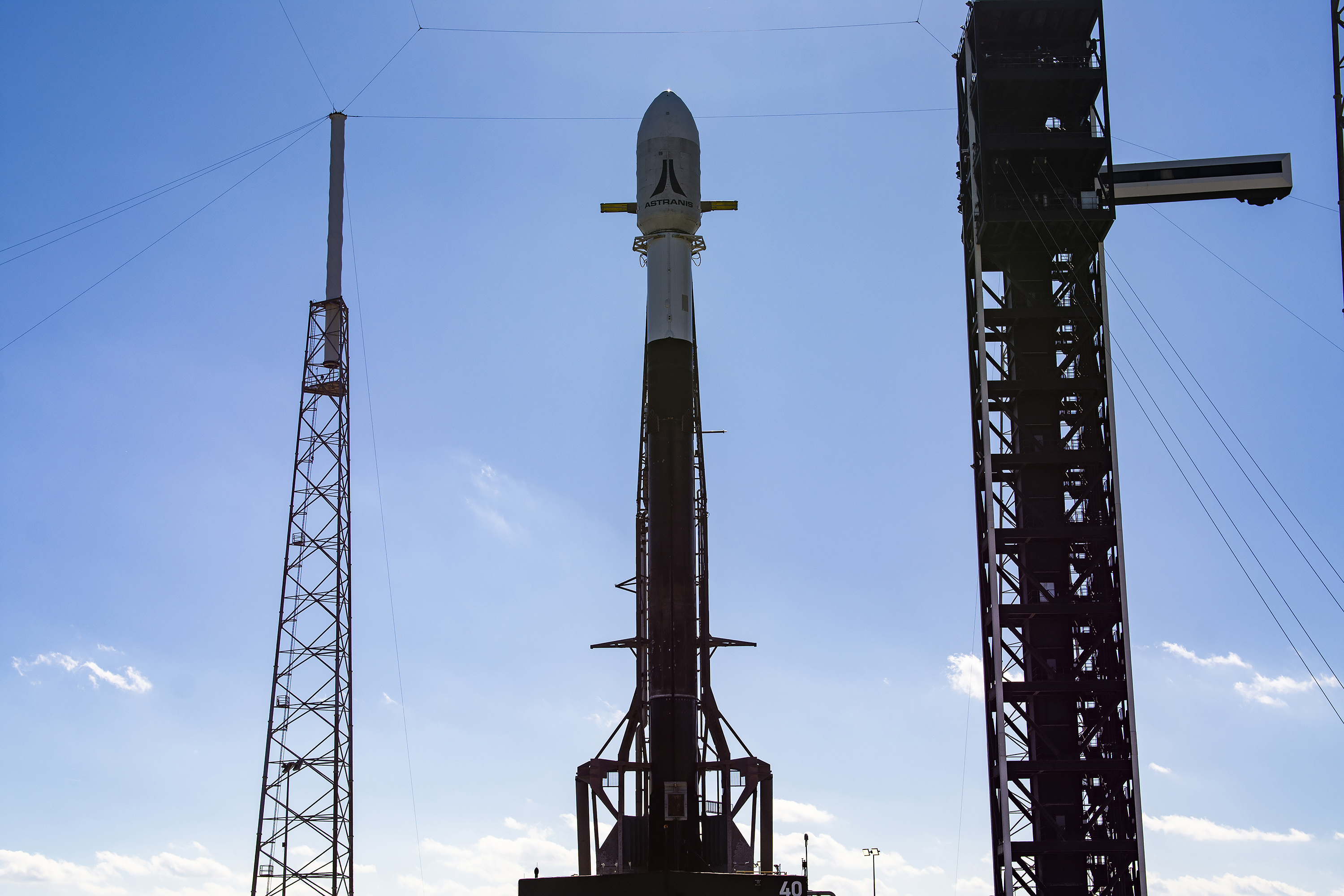
Falcon 9 Block 5 | 6x Astranis MicroGEO
SpaceX | United States of AmericaCape Canaveral SFS, FL, USA
TBD December, 2027
Status: To Be Determined
Mission:
Six Astranis MicroGEO communications satellite to be inserted into Low Earth orbit by the Falcon 9, from where the Helios upper stage provided by Impulse Space will carry the satellites to geostationary orbit within 24 hours of launch.
Geostationary Orbit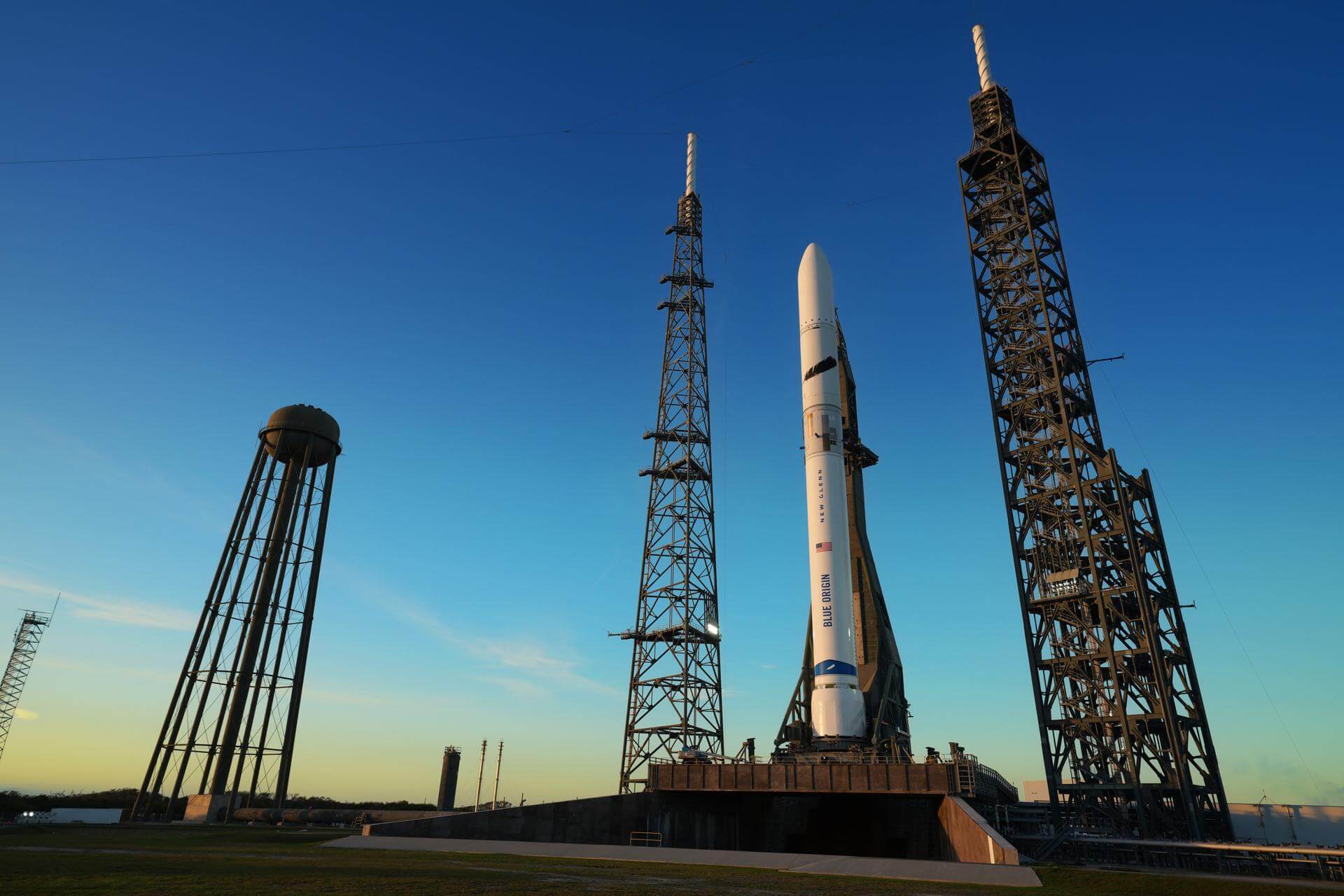
New Glenn | Blue Moon Pathfinder Mission 2 & VIPER
Blue Origin | United States of AmericaCape Canaveral SFS, FL, USA
TBD December, 2027
Status: To Be Determined
Mission:
2nd of the National Team’s Blue Moon MK1 lunar lander test missions to validate the necessary technologies for its HLS lunar module. Some of the life support hardware will travel on this mission in preparation for the first crew Blue Moon flight. This mission will also carry NASA’s VIPER (Volatiles Investigating Polar Exploration Rover) lunar rover. VIPER is designed to explore the relatively nearby but extreme environment of the Moon in search of ice and other potential resources. This mobile robot will land at the South Pole of the Moon on a 100-day mission, in order to teach us about the origin and distribution of water on the Moon and help determine how we can harvest the Moon's resources for future human space exploration. VIPER is designed to roam the Moon using its three instruments and a 1 meter long drill to detect and analyze various lunar soil environments at a range of depths and temperatures. The rover can venture into permanently shadowed craters, some of the coldest spots in the solar system, where ice reserves have endured for billions of years. The rover was originally slated to launch on Astrobotic’s Griffin Mission One lunar lander (with the Falcon Heavy rocket), but the VIPER mission was cancelled in July 2024 due to budget cuts. After consulting with the industry to find alternative ways to deliver the rover to the lunar surface, NASA ultimately chose to launch it with Blue Origin’s 2nd Blue Moon MK1 lander mission.
Low Earth OrbitFalcon 9 Block 5 | FOO Fighter (F2)
SpaceX | United States of AmericaCape Canaveral SFS, FL, USA
TBD December, 2027
Falcon 9 Block 5 | Chinggis Sat
SpaceX | United States of AmericaCape Canaveral SFS, FL, USA
TBD December, 2027
Status: To Be Determined
Mission:
Chinggis Sat is a Mongolian national geostationary orbit telecommunications satellite for the Mongolia Ministry of Digital Development and Communications. Thales Alenia Space will be responsible for construction of the high-performance Ku-Band satellite. Once launched, the satellite will make high-speed internet available throughout Mongolia, including to those in rural areas and under-served nomadic communities, enabling easier and wider access to services such as tele-medicine, e-learning, e-government services and supporting the growth of high value add sectors of the economy. It will be positioned at the 113.6° E orbital slot and will be based on the space-proven, cutting-edge SpaceBus 4000 satellite bus.
Geostationary Transfer OrbitFalcon 9 Block 5 | JSAT-32
SpaceX | United States of AmericaCape Canaveral SFS, FL, USA
TBD December, 2027
Status: To Be Determined
Mission:
JSAT-32 is a geostationary communication satellite for SKY Perfect JSAT. Operating in the Ku and Ka frequency bands, JSAT-32 will provide coverage over Japan and its surrounding seas, with newly added spot beams for mobility applications. JSAT-32 will serve as a future replacement for existing SKY Perfect JSAT satellites that provide communication and distribution services in Japan.
Geostationary Transfer OrbitFalcon 9 Block 5 | NEO Surveyor
SpaceX | United States of AmericaCape Canaveral SFS, FL, USA
TBD June, 2028
Status: To Be Determined
Mission:
NASA's Near-Earth Object (NEO) Surveyor mission is designed to help advance planetary defense efforts to discover and characterize most of the potentially hazardous asteroids and comets that come within 30 million miles of Earth’s orbit. These are collectively known as near-earth objects, or NEOs. NEO Surveyor consists of a single scientific instrument: a 50 centimeter (nearly 20 inch) diameter telescope that operates in two heat-sensing infrared wavelengths. It will be capable of detecting both bright and dark asteroids, which are the most difficult type to find.
Heliocentric L1Falcon 9
Starlink Group 10-19
Space Launch Complex 40 - Cape Canaveral SFS, FL, USAA batch of 29 satellites for the Starlink mega-constellation - SpaceX's project for space-based Internet communication system.
H3-22
Michibiki 7 (QZS-7)
Yoshinobu Launch Complex LP-2 - Tanegashima Space Center, JapanQZSS (Quasi Zenith Satellite System) is a Japanese satellite navigation system operating from inclined, elliptical geosynchronous orbits to achieve o…
Long March 7A
ChinaSat 4B
201 - Wenchang Space Launch Site, People's Republic of ChinaChinese communication geostationary satellite for unknown purposes.
Falcon 9
Starlink Group 17-38
Space Launch Complex 4E - Vandenberg SFB, CA, USAA batch of 24 satellites for the Starlink mega-constellation - SpaceX's project for space-based Internet communication system.
Electron
The Grain Goddess Provides (iQPS Launch 7)
Rocket Lab Launch Complex 1A - Rocket Lab Launch Complex 1, Mahia Peninsula, New ZealandSynthetic aperture radar Earth observation satellite for Japanese Earth imaging company iQPS.
Falcon 9
BlueBird 11-13 (Block 2 #6-8)
Space Launch Complex 40 - Cape Canaveral SFS, FL, USAAST SpaceMobile’s Block 2 BlueBird satellites are designed to deliver up to 10 times the bandwidth capacity of the BlueBird Block 1 satellites, requi…
Smart Dragon 3
OSE HS-01 & 02
Haiyang offshore launch location - Haiyang Oriental Spaceport2 hyper-spectral Earth observation satellites from Chinese company STAR.VISION. Both satellites are built in corporation with foreign customers: *…
Falcon 9
Starlink Group 17-53
Space Launch Complex 4E - Vandenberg SFB, CA, USAA batch of 24 satellites for the Starlink mega-constellation - SpaceX's project for space-based Internet communication system.
Long March 8A
SatNet LEO Group 23
Commercial LC-1 - Wenchang Space Launch Site, People's Republic of ChinaA batch of 9 Low Earth Orbit communication satellites for the Chinese state owned SatNet constellation operated by the China Satellite Network Group.…
Falcon 9
Starlink Group 17-52
Space Launch Complex 4E - Vandenberg SFB, CA, USAA batch of 24 satellites for the Starlink mega-constellation - SpaceX's project for space-based Internet communication system.

