Titan IIIE | Voyager 1
Launch Successful
L - -- : -- : -- : --
Instantaneous launch window.
Launch Window
Sept. 5, 1977, 12:56 p.m. - Sept. 5, 1977, 12:56 p.m.


Instantaneous launch window.
Sept. 5, 1977, 12:56 p.m. - Sept. 5, 1977, 12:56 p.m.
Voyager 1 is a space probe launched by NASA on September 5, 1977. Part of the Voyager program to study the outer Solar System, Voyager 1 launched 16 days after its twin, Voyager 2.
See Details
Lockheed Martin's Space Division started in the production of missiles and later ICBM's in the 1950s. Their TITAN missile system was used for 12 Gemini spacecraft and the Voyager probes. They have worked largely in collaboration with NASA on many of their probes, landers, and spacecraft, and hope to play a key role in NASA's return to the moon in 2024.
INFO WIKI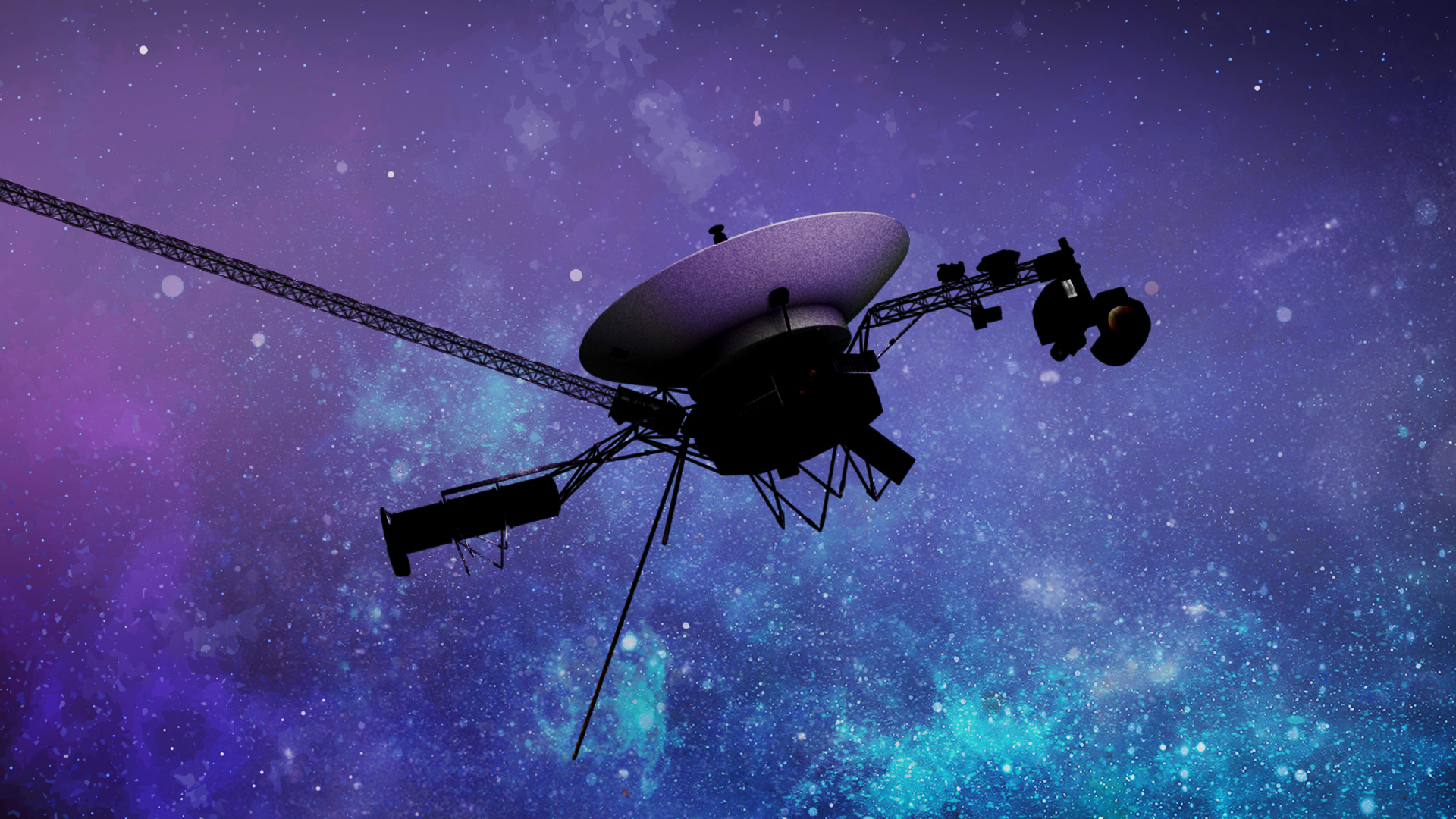
The farthest-flung human-made objects will be able to take their science-gathering even farther, thanks to these energy-conserving measures. Mission engineers at NASA’s Jet Propulsion Laboratory in Southern California turned off the cosmic…
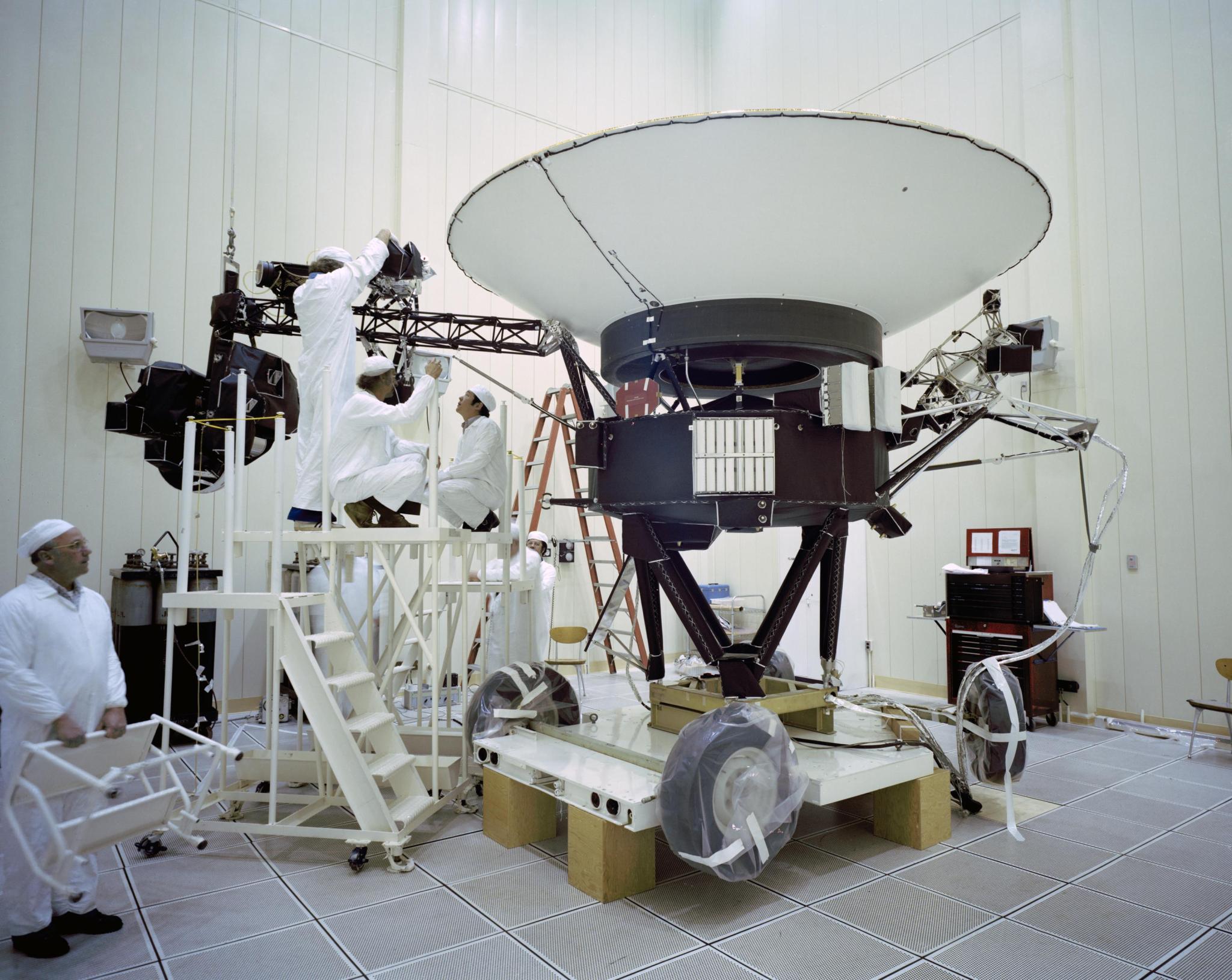
NASA’s Voyager mission launched in the 1970s. Today, it’s making history as it conducts new science. But how are two spacecraft from the ’70s not just surviving, but thriving farther out in space than any other spacecraft has been before? …
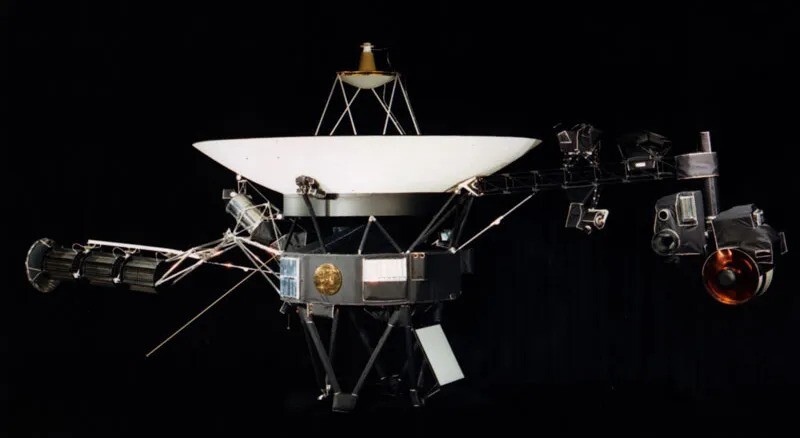
The spacecraft uses its thrusters to stay pointed at Earth, but after 47 years in space some of the fuel tubes have become clogged. Engineers working on NASA’s Voyager 1 probe have successfully mitigated an issue with the spacecraft’s thru…

Voyager 1 Instruments Return to Service After Computer Malfunction

The four instruments on NASA’s Voyager 1 spacecraft are returning science data for the first time since a computer malfunction last November, as scientists hope to keep the mission operating for up to another decade.
A batch of 29 satellites for the Starlink mega-constellation - SpaceX's project for space-based Internet communication system.
QZSS (Quasi Zenith Satellite System) is a Japanese satellite navigation system operating from inclined, elliptical geosynchronous orbits to achieve o…
Chinese communication geostationary satellite for unknown purposes.
A batch of 24 satellites for the Starlink mega-constellation - SpaceX's project for space-based Internet communication system.
Synthetic aperture radar Earth observation satellite for Japanese Earth imaging company iQPS.
AST SpaceMobile’s Block 2 BlueBird satellites are designed to deliver up to 10 times the bandwidth capacity of the BlueBird Block 1 satellites, requi…
2 hyper-spectral Earth observation satellites from Chinese company STAR.VISION. Both satellites are built in corporation with foreign customers: *…
A batch of 24 satellites for the Starlink mega-constellation - SpaceX's project for space-based Internet communication system.
A batch of 9 Low Earth Orbit communication satellites for the Chinese state owned SatNet constellation operated by the China Satellite Network Group.…
A batch of 24 satellites for the Starlink mega-constellation - SpaceX's project for space-based Internet communication system.