Starship SN10 | 10 km Flight
Launch Successful
L - -- : -- : -- : --
Launch Window
March 3, 2021, 3 p.m. - March 4, 2021, midnight


March 3, 2021, 3 p.m. - March 4, 2021, midnight
The SN10 Starship performed a test flight similar to SN8 and SN9. It launched up to an altitude of 10 km or 33,000 ft, did a belly flop maneuver followed by a controlled descent to the landing pad. Despite successfully performing the landing flip maneuver with its three Raptor engines, its vertical velocity was too high on landing, damaging its structure and resulting in an explosive destruction a few minutes after touchdown.

Successful flight overall, but SN10 landed too hard resulting in a RUD a few minutes after touchdown.
Currently targeting 23:13 UTC
Second attempt confirmed
Second attempt possible in 2 hours.
Abort at ignition. Standing by for a possible second attempt today.
Prototype of SpaceX's Starship, a fully reusable second stage and space vehicle.
See DetailsSN10 performed a hard landing on the pad damaging its structure and resulting in an explosive destruction a few minutes later.
Result: SN10 did not land successfully.Space Exploration Technologies Corp., known as SpaceX, is an American aerospace manufacturer and space transport services company headquartered in Hawthorne, California. It was founded in 2002 by entrepreneur Elon Musk with the goal of reducing space transportation costs and enabling the colonization of Mars. SpaceX operates from many pads, on the East Coast of the US they operate from SLC-40 at Cape Canaveral Space Force Station and historic LC-39A at Kennedy Space Center. They also operate from SLC-4E at Vandenberg Space Force Base, California, usually for polar launches. Another launch site is being developed at Boca Chica, Texas.
INFO WIKI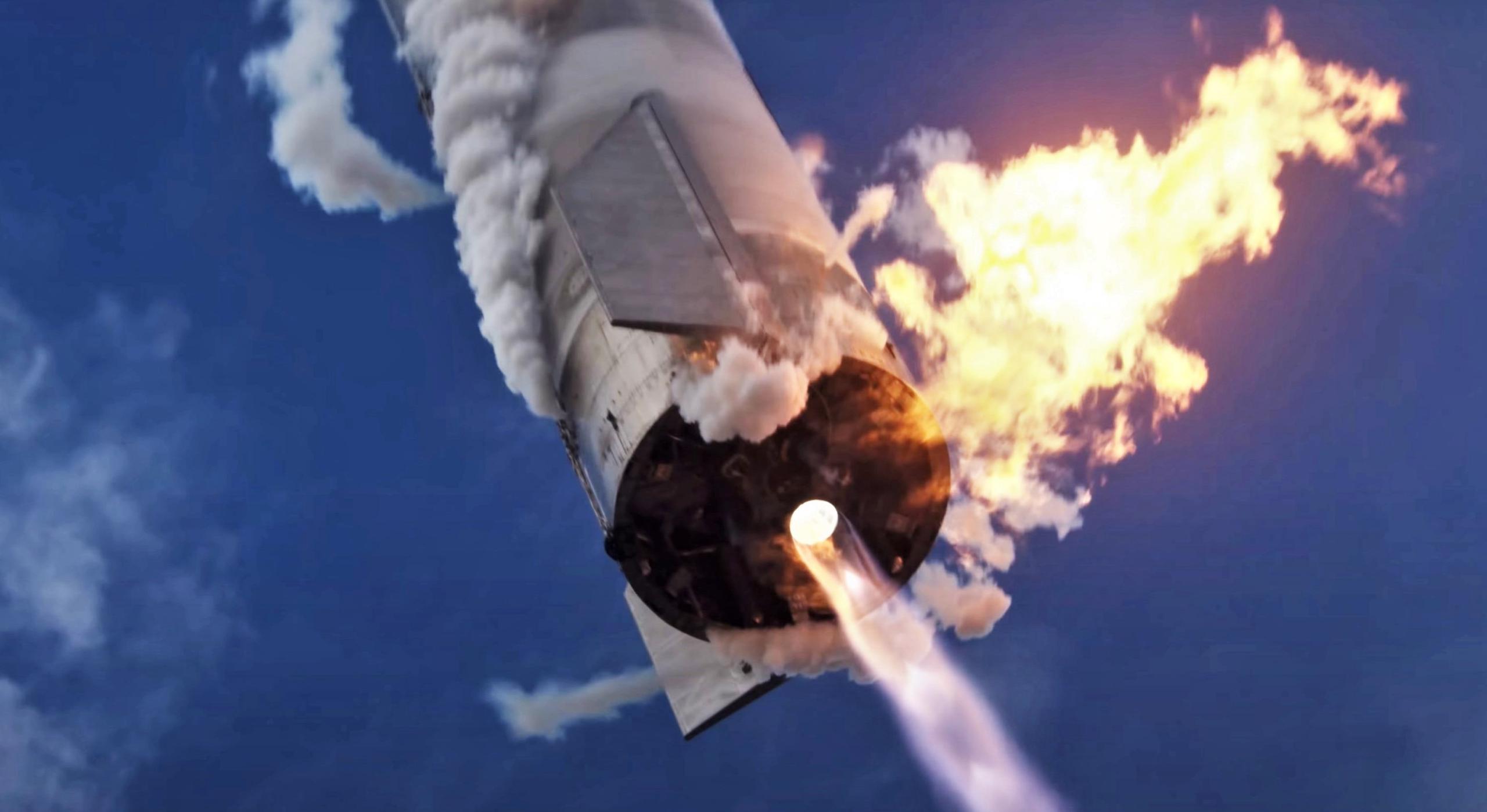
SpaceX has published a new 4K video recapping Starship’s first intact landing after a high-altitude launch right as the company is preparing...

Just one month after the Starship SN9 test flight, its successor SN10 launched. This time, SpaceX got much closer to a complete success. SN10 was the first prototype to land in one piece, although it exploded a few minutes later. Elon Musk…
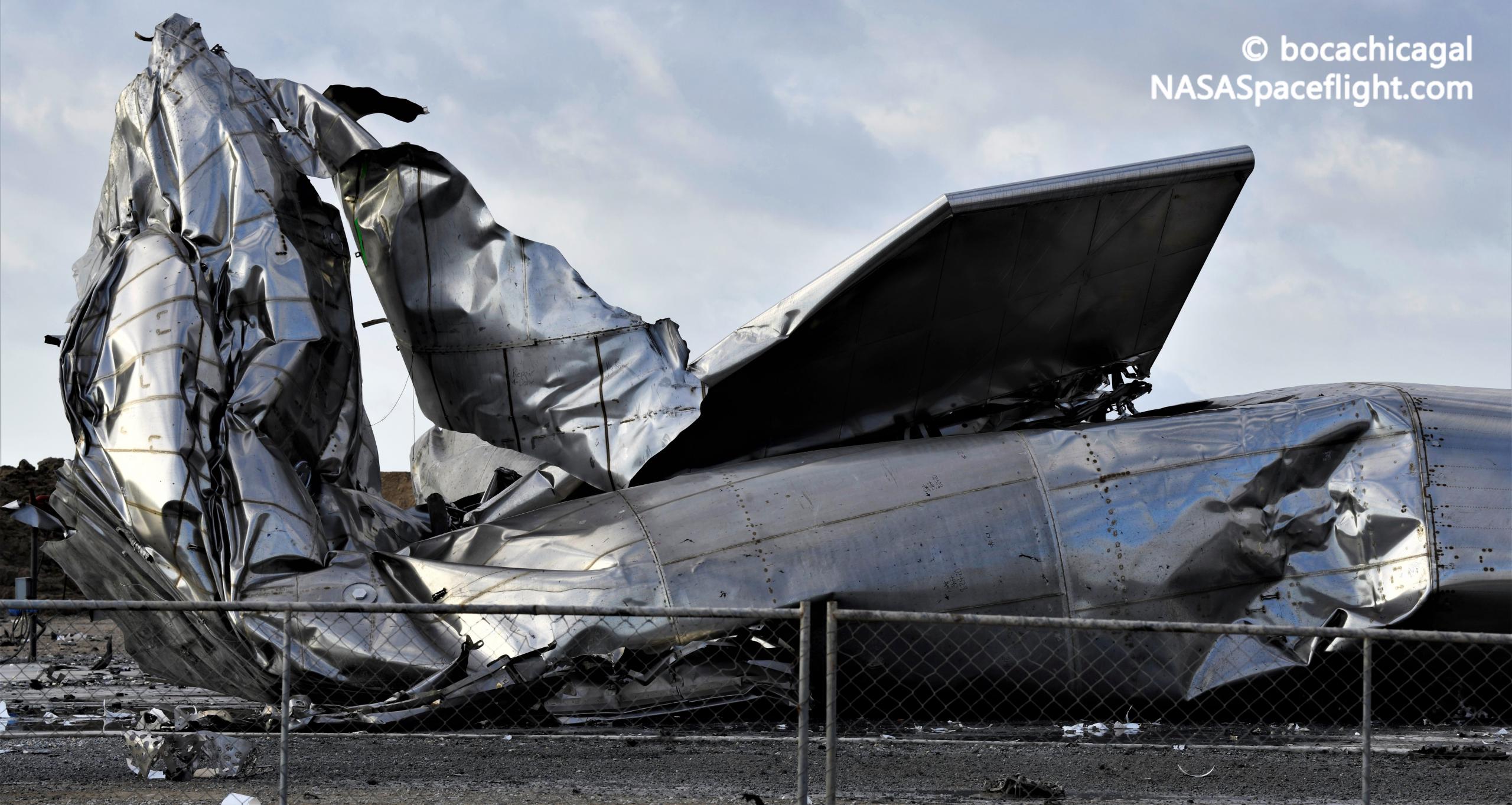
In what has become a bit of a tradition, CEO Elon Musk has taken to Twitter again to explain the outcome of...
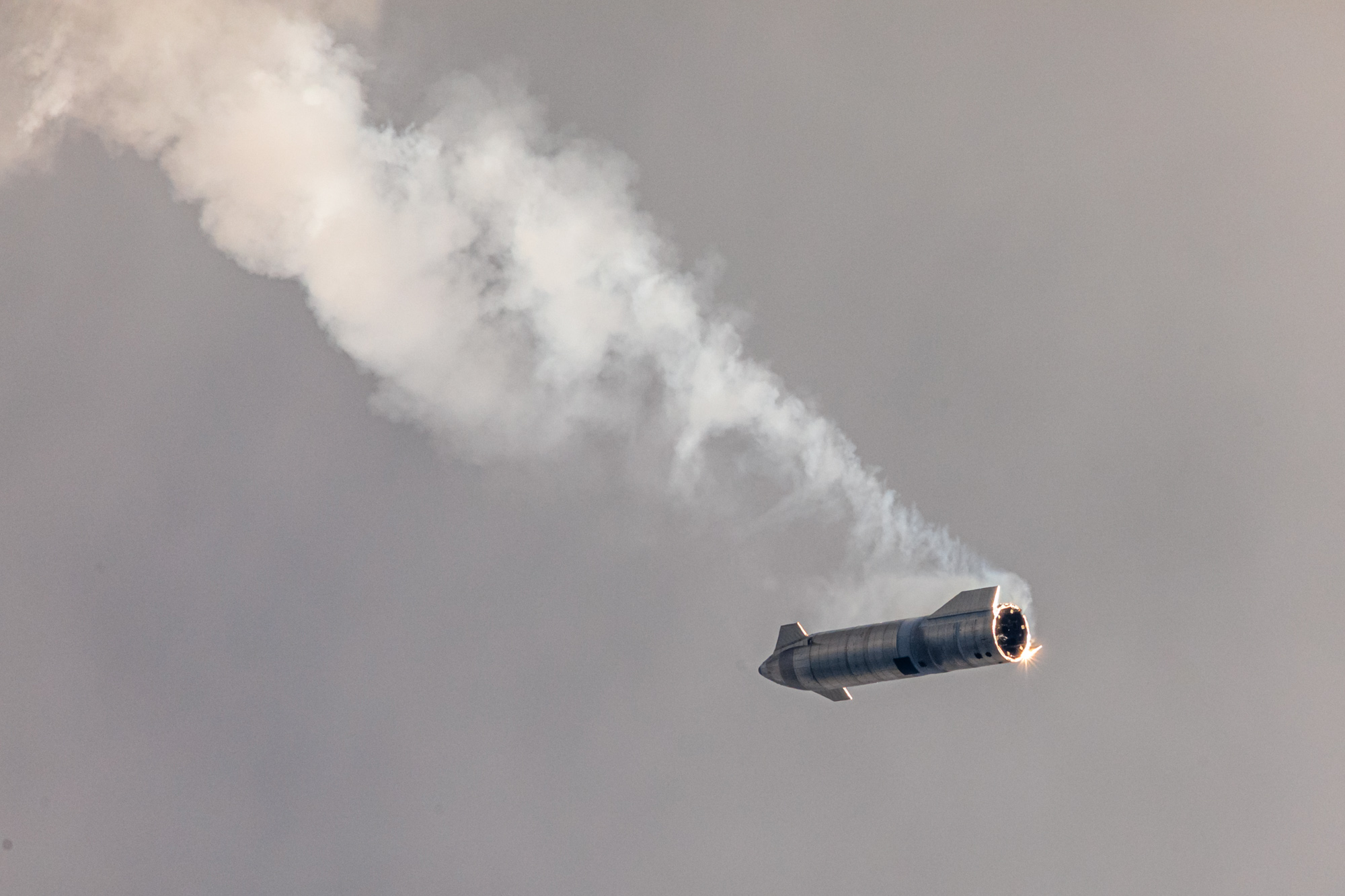
"One day, the true measure of success will be that Starship flights are commonplace."
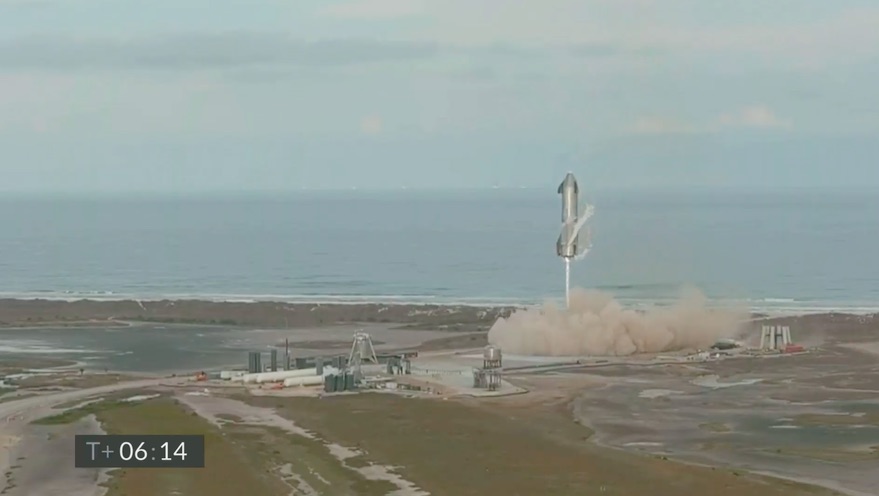
SpaceX launched a prototype of its Starship next-generation vehicle March 3, landing it safely only to have the vehicle explode minutes later.
A batch of 24 satellites for the Starlink mega-constellation - SpaceX's project for space-based Internet communication system.
Synthetic aperture radar Earth observation satellite for Japanese Earth imaging company iQPS.
AST SpaceMobile’s Block 2 BlueBird satellites are designed to deliver up to 10 times the bandwidth capacity of the BlueBird Block 1 satellites, requi…
2 hyper-spectral Earth observation satellites from Chinese company STAR.VISION. Both satellites are built in corporation with foreign customers: *…
A batch of 24 satellites for the Starlink mega-constellation - SpaceX's project for space-based Internet communication system.
A batch of 9 Low Earth Orbit communication satellites for the Chinese state owned SatNet constellation operated by the China Satellite Network Group.…
A batch of 24 satellites for the Starlink mega-constellation - SpaceX's project for space-based Internet communication system.
Classified payload for the US National Reconnaissance Office.
2 Chinese classified satellites claimed to be for communication technology test purposes. Actual mission not known.
Tianlian is a Chinese data tracking and relay communications geostationary satellite series. The TL-3 (Tian Lian 3) satellites are the 3rd generation…


