Space Shuttle Columbia OV-102 | STS-93
Launch Successful
L - -- : -- : -- : --
Instantaneous launch window.
Launch Window
July 23, 1999, 4:31 a.m. - July 23, 1999, 4:31 a.m.


Instantaneous launch window.
July 23, 1999, 4:31 a.m. - July 23, 1999, 4:31 a.m.
STS-93 marked the 95th launch of the Space Shuttle, the 26th launch of Columbia, and the 21st night launch of a Space Shuttle. Eileen Collins became the first female shuttle Commander on this flight. Its primary payload was the Chandra X-ray Observatory.
The Space Shuttle is a retired, partially reusable low Earth orbital spacecraft system operated from 1981 to 2011 by the U.S. National Aeronautics and Space Administration (NASA) as part of the Space Shuttle program. Its official program name was Space Transportation System (STS). Five complete Space Shuttle orbiter vehicles were built and flown on a total of 135 missions from 1981 to 2011.
Space Shuttle Columbia (Orbiter Vehicle Designation: OV-102) was the first space-rated orbiter in NASA's Space Shuttle fleet. It launched for the first time on mission STS-1 on April 12, 1981, the first flight of the Space Shuttle program. Over 22 years of service, it completed 27 missions before disintegrating during re-entry near the end of its 28th mission, STS-107 on February 1, 2003, resulting in the deaths of all seven crew members.
Space Shuttle Details
Date of
Birth: Nov. 19, 1956
Age: 69
Date of
Birth: June 16, 1954
Age: 72
Date of
Birth: Sept. 30, 1949
Age: 76
Date of
Birth: Dec. 14, 1960
Age: 65
Date of
Birth: Dec. 12, 1951
Age: 74
The National Aeronautics and Space Administration is an independent agency of the executive branch of the United States federal government responsible for the civilian space program, as well as aeronautics and aerospace research. NASA have many launch facilities but most are inactive. The most commonly used pad will be LC-39B at Kennedy Space Center in Florida.
INFO WIKI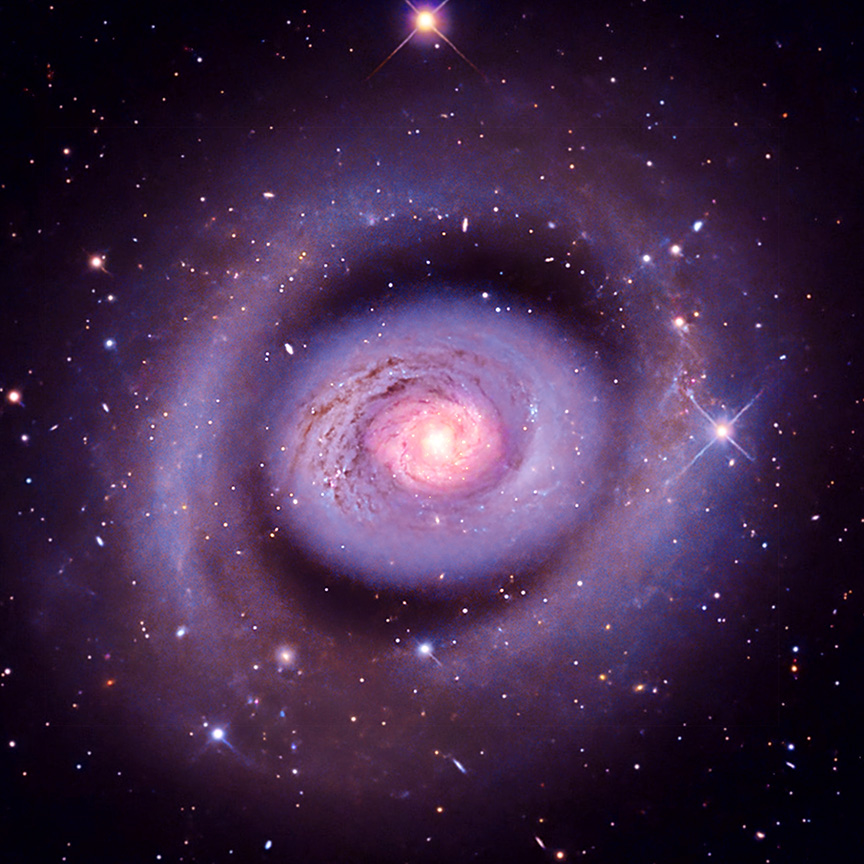
NASA’s Chandra X-ray Observatory unveiled this new look at the galaxy NGC 4736, also known as Messier 94, on June 30, 2026. Messier 94 is a spiral galaxy with a bright inner ring around it, called a starburst ring, where new stars are form…
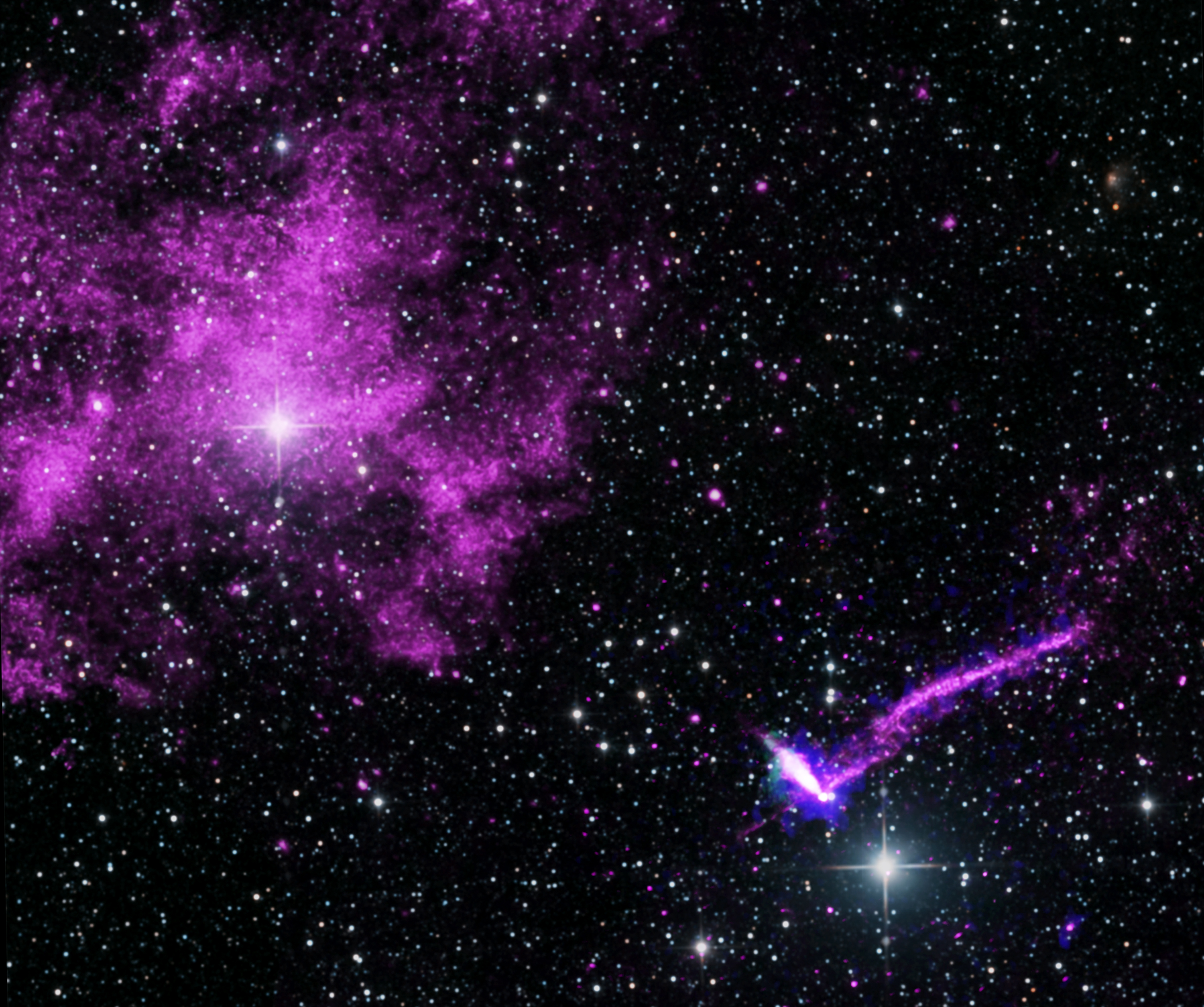
This composite image, released on July 9, 2026, shows the region around a pulsar – a neutron star with a strong magnetic field that spins incredibly fast – within the Lighthouse nebula. The image contains X-ray data from NASA’s Chandra X-r…
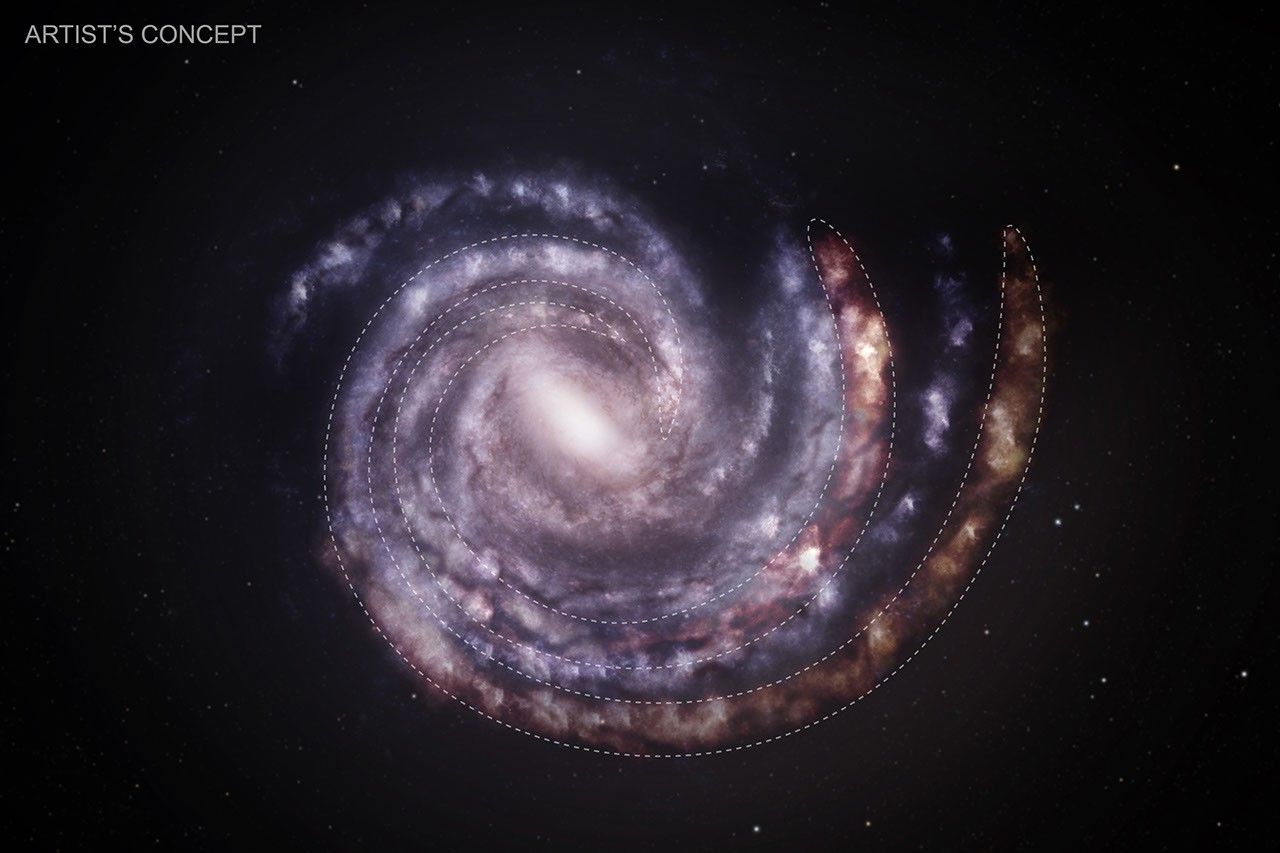
A new result using NASA’s Chandra X-ray Observatory shows that the outer spiral arms in the Milky Way galaxy may reach wider than previously thought. This finding may lead astronomers to adjust their understanding of our home galaxy’s stru…
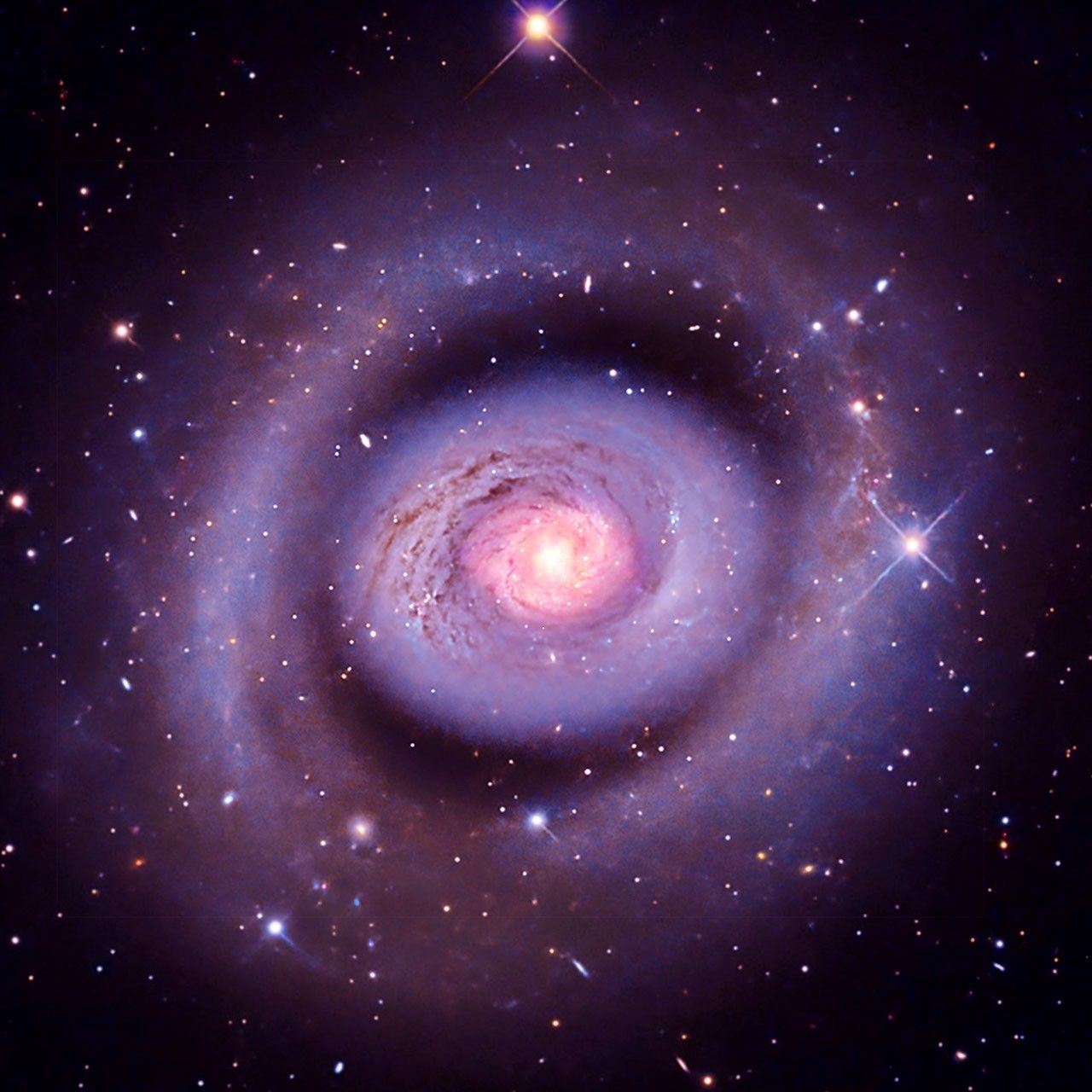
In celebration of the 250th birthday of the United States, NASA has unveiled four cosmic images from its Chandra X-ray Observatory rendered in red, white, and blue that represent the wonders of the universe the agency explores. The images …
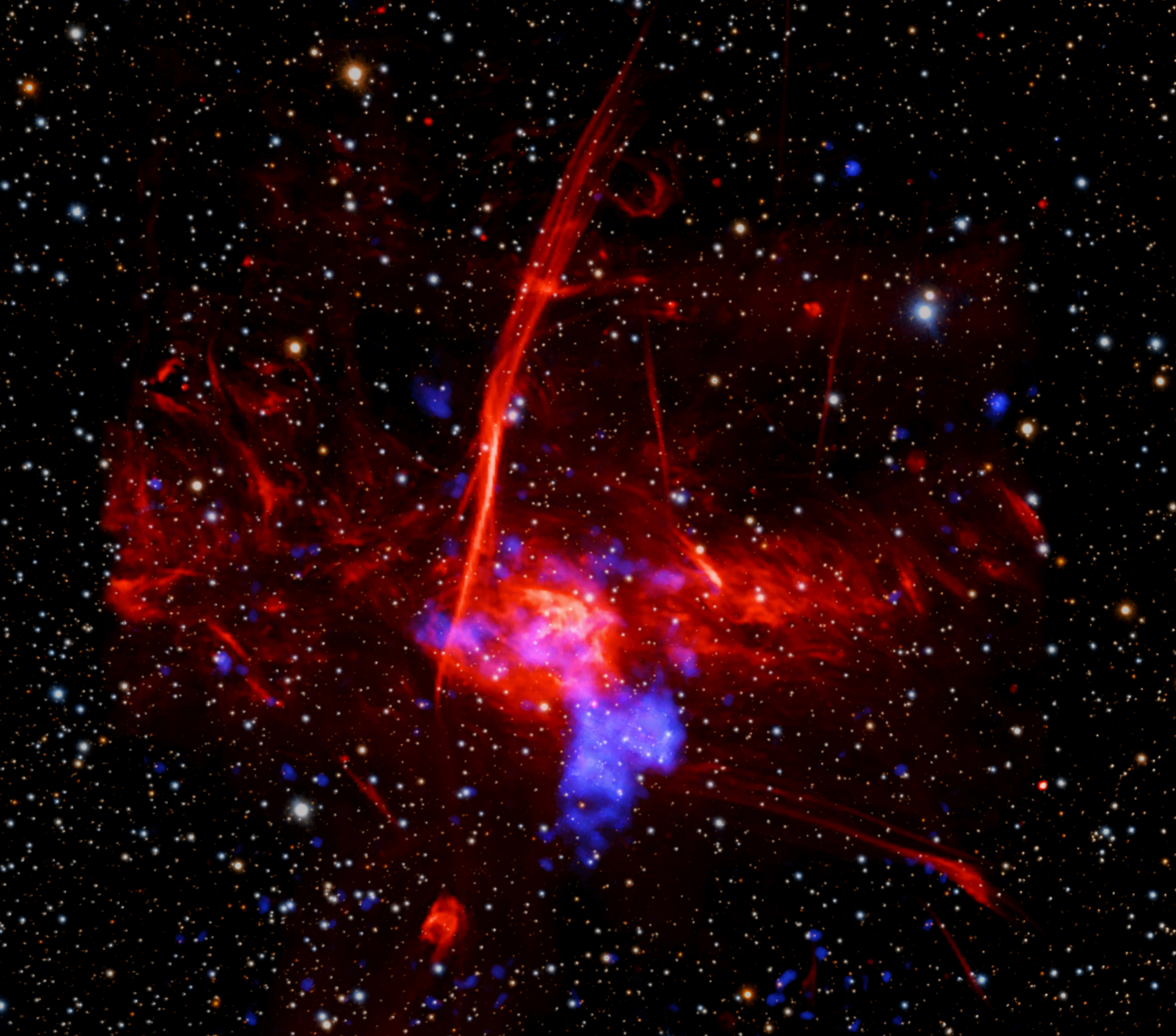
Using data from NASA’s Chandra X-ray Observatory, astronomers may have found a supernova remnant – seen in this June 11, 2026, image – in an intriguing neighborhood in the middle of the Milky Way galaxy. Supernova remnants are the expandin…
Classified payload for the US National Reconnaissance Office.
2 Chinese classified satellites claimed to be for communication technology test purposes. Actual mission not known.
Tianlian is a Chinese data tracking and relay communications geostationary satellite series. The TL-3 (Tian Lian 3) satellites are the 3rd generation…
A batch of 24 satellites for the Starlink mega-constellation - SpaceX's project for space-based Internet communication system.
13th test flight of the two-stage Starship launch vehicle. Second flight of Starship V3. For the first time, Starship will carry 20 V3 Starlink sa…
Share-ride of 5 commercial Earth observation and technology demonstration satellites to SSO, including SpaceTY's TY-48. Details TBD.
Tianlian is a Chinese data tracking and relay communications geostationary satellite series. The TL 2 (Tian Lian 2) satellites represent the second g…
Carried 9 satellites on a share-ride to sun-synchronous orbit. Details TBD.
The Northrop Grumman/SpaceLogistics MRV-1 is a mission extension payload including a mission robotic vehicle (MRV) and multiple mission extension pod…
A batch of 24 satellites for the Starlink mega-constellation - SpaceX's project for space-based Internet communication system.