Soyuz-FG | Soyuz MS-05
Launch Successful
L - -- : -- : -- : --
Instantaneous launch window.
Launch Window
July 28, 2017, 3:41 p.m. - July 28, 2017, 3:41 p.m.


Instantaneous launch window.
July 28, 2017, 3:41 p.m. - July 28, 2017, 3:41 p.m.
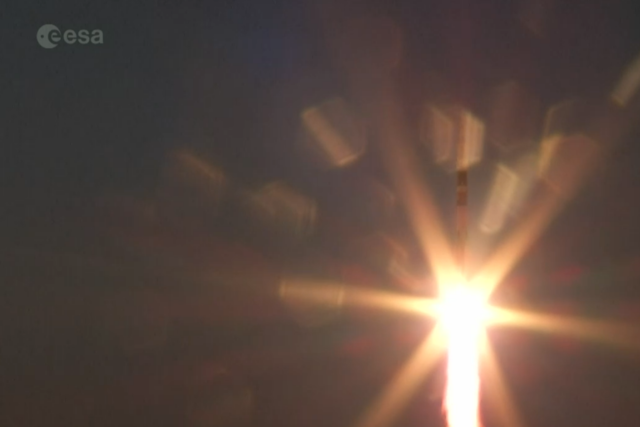
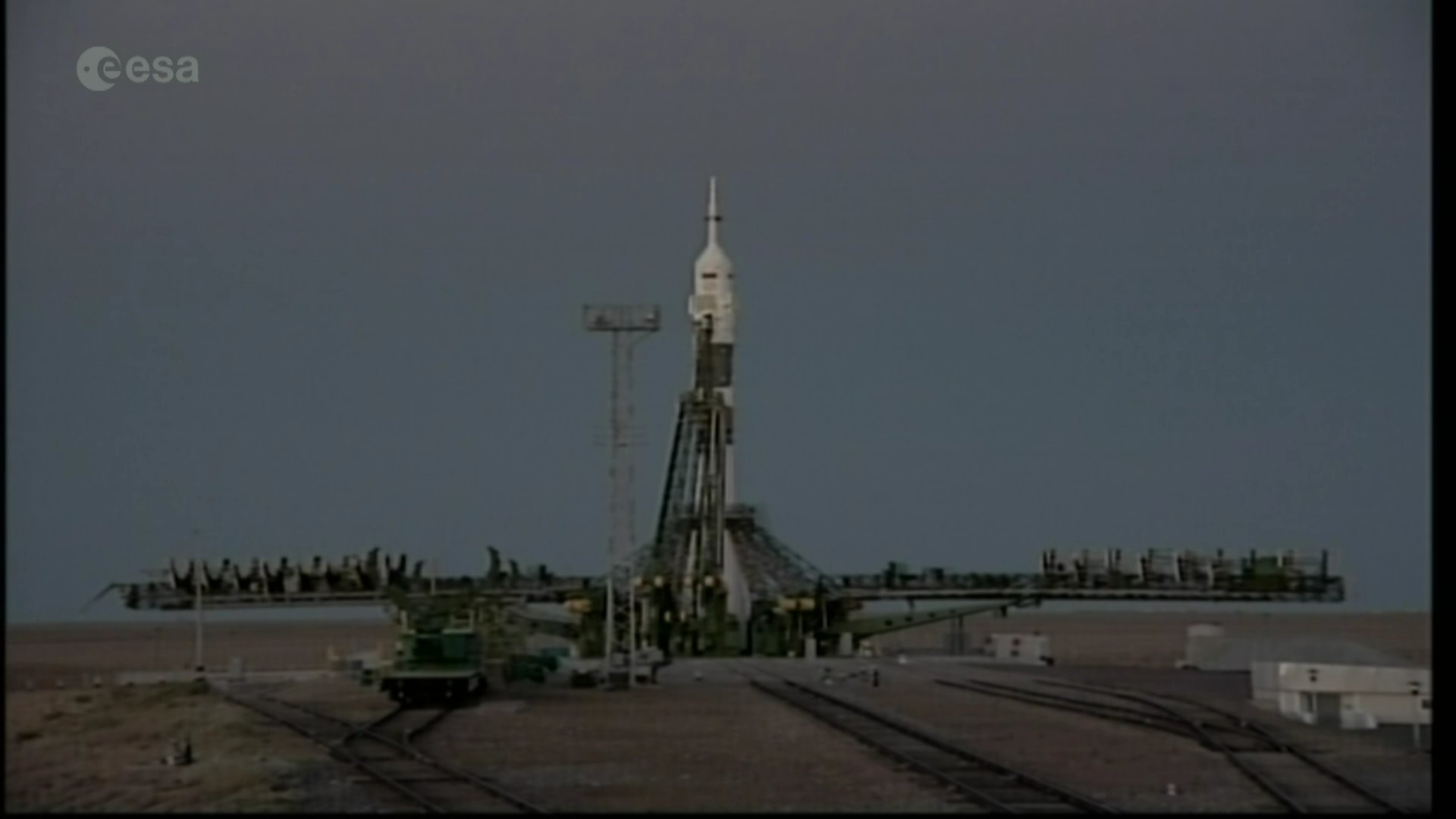
Soyuz MS-05 begins expedition 52 by carrying NASA astronaut Randy Bresnik, ESA astronaut Paolo Nespoli and Roscosmos cosmonaut Sergey Ryazansky to the International Space Station. After launching from the Baikonur Cosmodrome in Kazakhstan, they will rendezvous to the station where they will remain for their 6 month stay.
The Soyuz FG rocket is an expendable launch vehicle most commonly known for carrying humans to the International Space Station today.
Soyuz MS-05 was a Soyuz spacecraft which launched on 28 July 2017. It transported three members of the Expedition 52 crew to the International Space Station. The crew consisted of Sergey Ryazansky, Randy Bresnik, and Paolo Nespoli.
Soyuz MS Details
Date of
Birth: Nov. 13, 1974
Age: 51
Date of
Birth: Sept. 11, 1967
Age: 58
Date of
Birth: April 6, 1957
Age: 69
Progress Rocket Space Centre, formerly known as TsSKB-Progress, is a space science and aerospace research company which is known for manufacturing launch vehicles and satellites. Most notably, Progress Rocket Space Centre is the manufacturer of Soyuz launch vehicles.
INFO WIKIClassified payload for the US National Reconnaissance Office.
2 Chinese classified satellites claimed to be for communication technology test purposes. Actual mission not known.
Tianlian is a Chinese data tracking and relay communications geostationary satellite series. The TL-3 (Tian Lian 3) satellites are the 3rd generation…
A batch of 24 satellites for the Starlink mega-constellation - SpaceX's project for space-based Internet communication system.
13th test flight of the two-stage Starship launch vehicle. Second flight of Starship V3. For the first time, Starship will carry 20 V3 Starlink sa…
Share-ride of 5 commercial Earth observation and technology demonstration satellites to SSO, including SpaceTY's TY-48. Details TBD.
Tianlian is a Chinese data tracking and relay communications geostationary satellite series. The TL 2 (Tian Lian 2) satellites represent the second g…
Carried 9 satellites on a share-ride to sun-synchronous orbit. Details TBD.
The Northrop Grumman/SpaceLogistics MRV-1 is a mission extension payload including a mission robotic vehicle (MRV) and multiple mission extension pod…
A batch of 24 satellites for the Starlink mega-constellation - SpaceX's project for space-based Internet communication system.