Soyuz 2.1b/Fregat-M | OneWeb 11
Launch Successful
L - -- : -- : -- : --
Instantaneous launch window.
Launch Window
Oct. 14, 2021, 9:40 a.m. - Oct. 14, 2021, 9:40 a.m.


Instantaneous launch window.
Oct. 14, 2021, 9:40 a.m. - Oct. 14, 2021, 9:40 a.m.
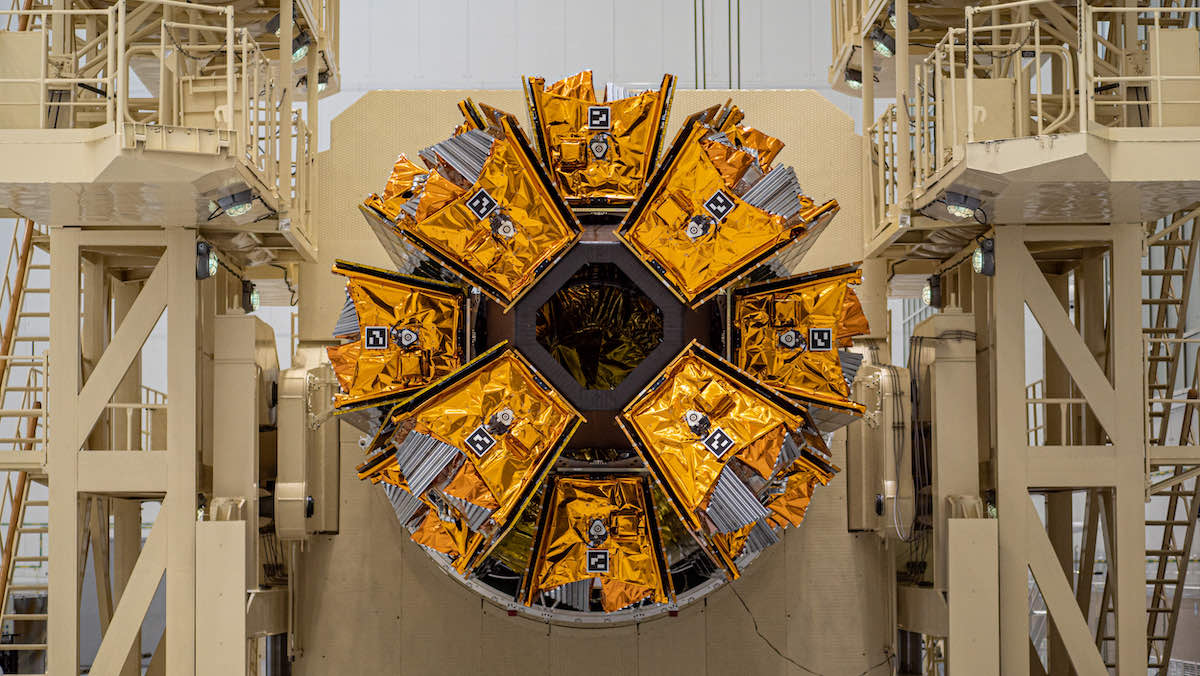
A batch of 36 satellites for the OneWeb satellite constellation, which is intended to provide global Internet broadband service for individual consumers. The constellation is planned to have around 648 microsatellites (of which 60 are spares), around 150 kg each, operating in Ku-band from low Earth orbit.

Successful deployment confirmed
Liftoff

Adding launch

Go for launch
Soyuz-2 is the 21st-century version of the Russian Soyuz rocket. In its basic form, it is a three-stage carrier rocket for placing payloads into low Earth orbit. The 2.1b version adds an upgraded engine (RD-0124) with improved performance to the second stage.
Progress Rocket Space Centre, formerly known as TsSKB-Progress, is a space science and aerospace research company which is known for manufacturing launch vehicles and satellites. Most notably, Progress Rocket Space Centre is the manufacturer of Soyuz launch vehicles.
INFO WIKI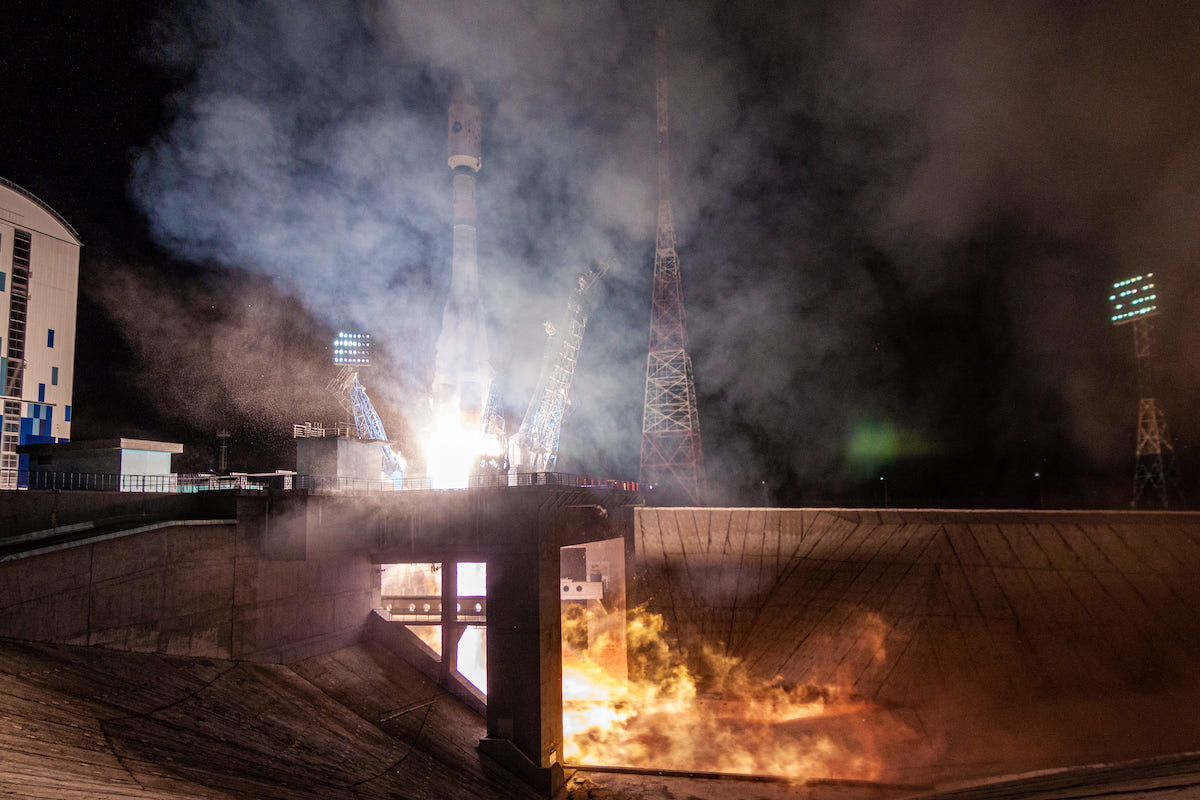
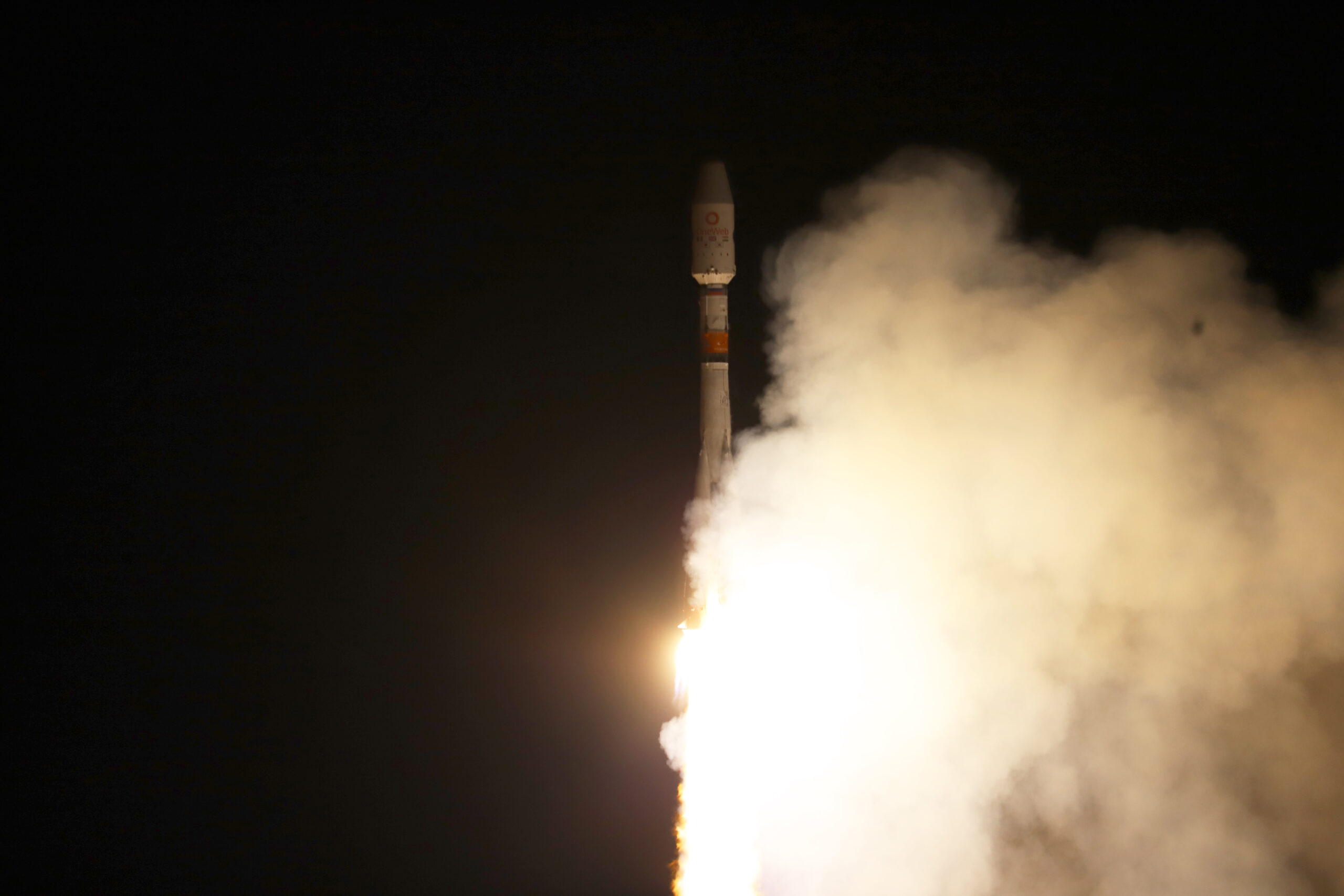
OneWeb has contacted all 36 satellites launched from Russia’s Vostochny Cosmodrome Oct. 14, enlarging the broadband constellation beyond its halfway mark toward full deployment next year.

The initial deployment of OneWeb’s satellite broadband constellation will reach its halfway stage on Thursday with the launch of 36 more spacecraft aboard a Russian Soyuz 2.1b rocket. Liftoff from the Vostochny Cosmodrome in Eastern Russia…
A batch of 24 satellites for the Starlink mega-constellation - SpaceX's project for space-based Internet communication system.
Classified payload for the US National Reconnaissance Office.
2 Chinese classified satellites claimed to be for communication technology test purposes. Actual mission not known.
Tianlian is a Chinese data tracking and relay communications geostationary satellite series. The TL-3 (Tian Lian 3) satellites are the 3rd generation…
A batch of 24 satellites for the Starlink mega-constellation - SpaceX's project for space-based Internet communication system.
13th test flight of the two-stage Starship launch vehicle. Second flight of Starship V3. For the first time, Starship will carry 20 V3 Starlink sa…
Share-ride of 5 commercial Earth observation and technology demonstration satellites to SSO, including SpaceTY's TY-48. Details TBD.
Tianlian is a Chinese data tracking and relay communications geostationary satellite series. The TL 2 (Tian Lian 2) satellites represent the second g…
Carried 9 satellites on a share-ride to sun-synchronous orbit. Details TBD.
The Northrop Grumman/SpaceLogistics MRV-1 is a mission extension payload including a mission robotic vehicle (MRV) and multiple mission extension pod…