Soyuz 2.1a | Soyuz MS-27
Launch Successful
L - -- : -- : -- : --
Instantaneous launch window.
Launch Window
April 8, 2025, 5:47 a.m. - April 8, 2025, 5:47 a.m.


Instantaneous launch window.
April 8, 2025, 5:47 a.m. - April 8, 2025, 5:47 a.m.
Soyuz MS-27 will carry two cosmonauts and one astronaut to the International Space Station aboard the Soyuz spacecraft from the Baikonur Cosmodrome in Kazakhstan. The crew consists of Roscosmos cosmonauts Sergey Ryzhikov, Alexey Zubritsky, and NASA astronaut Jonathan "Jonny" Kim.

Launch successful.
Liftoff!

Official Webcast by NASA has started

Tweaked T-0.
GO for launch.
The Soyuz 2.1A converted the flight control system from analog to digital, which allowed launch from fixed platforms. It also allowed big fairings and payloads. It is currently used for crewed Soyuz and Progress flights to the ISS.
Spacecraft launched to the ISS in March 2025.
Soyuz MS Details
Date of
Birth: Aug. 19, 1974
Age: 51
Date of
Birth: Aug. 22, 1992
Age: 33
Date of
Birth: Feb. 5, 1984
Age: 42
Progress Rocket Space Centre, formerly known as TsSKB-Progress, is a space science and aerospace research company which is known for manufacturing launch vehicles and satellites. Most notably, Progress Rocket Space Centre is the manufacturer of Soyuz launch vehicles.
INFO WIKI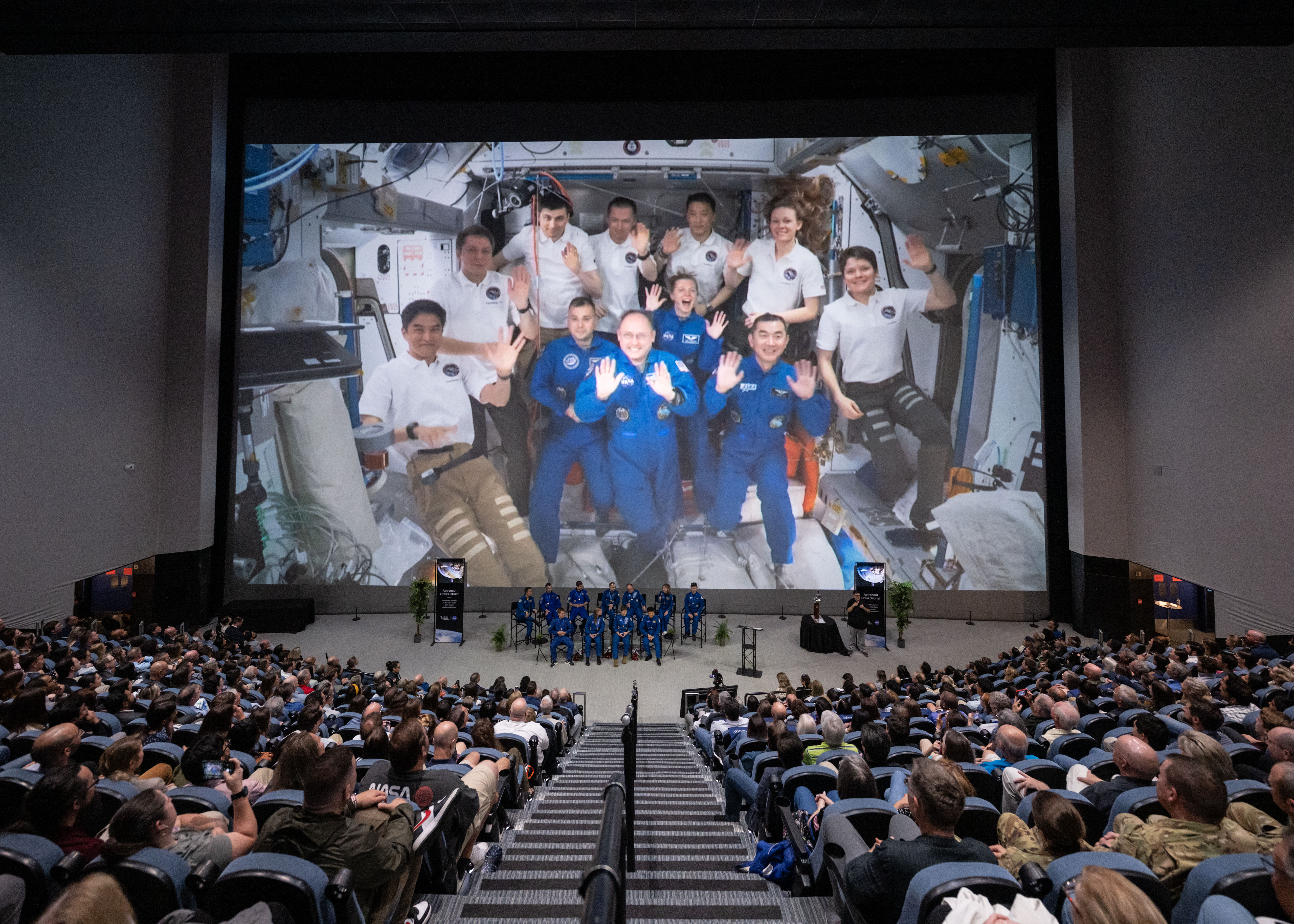
On June 16, astronauts and cosmonauts gathered at Space Center Houston to share stories from their missions aboard the International Space Station and recognize the teamwork and people on the ground that made their missions possible. The …
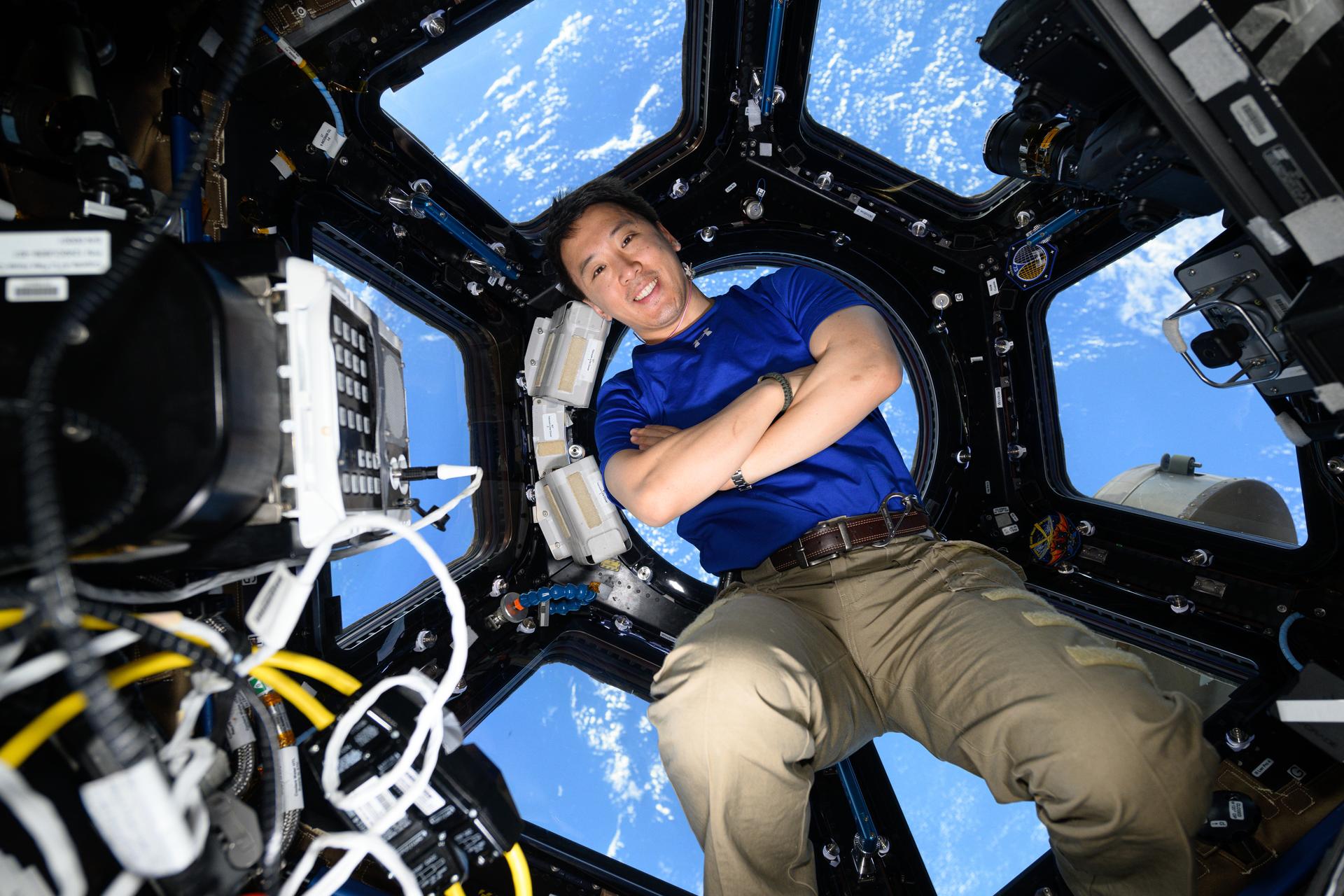
NASA astronaut Jonny Kim will recap his recent mission aboard the International Space Station during a news conference at 3:30 p.m. EST Friday, Dec. 19, from the agency’s Johnson Space Center in Houston. Watch the news conference live on N…

NASA astronaut Jonny Kim and his two Russian colleagues, Sergey Ryzhikov and Aleksey Zubritsky, have safely returned to Earth after eight months on the International Space Station. Their replacements arrived […]
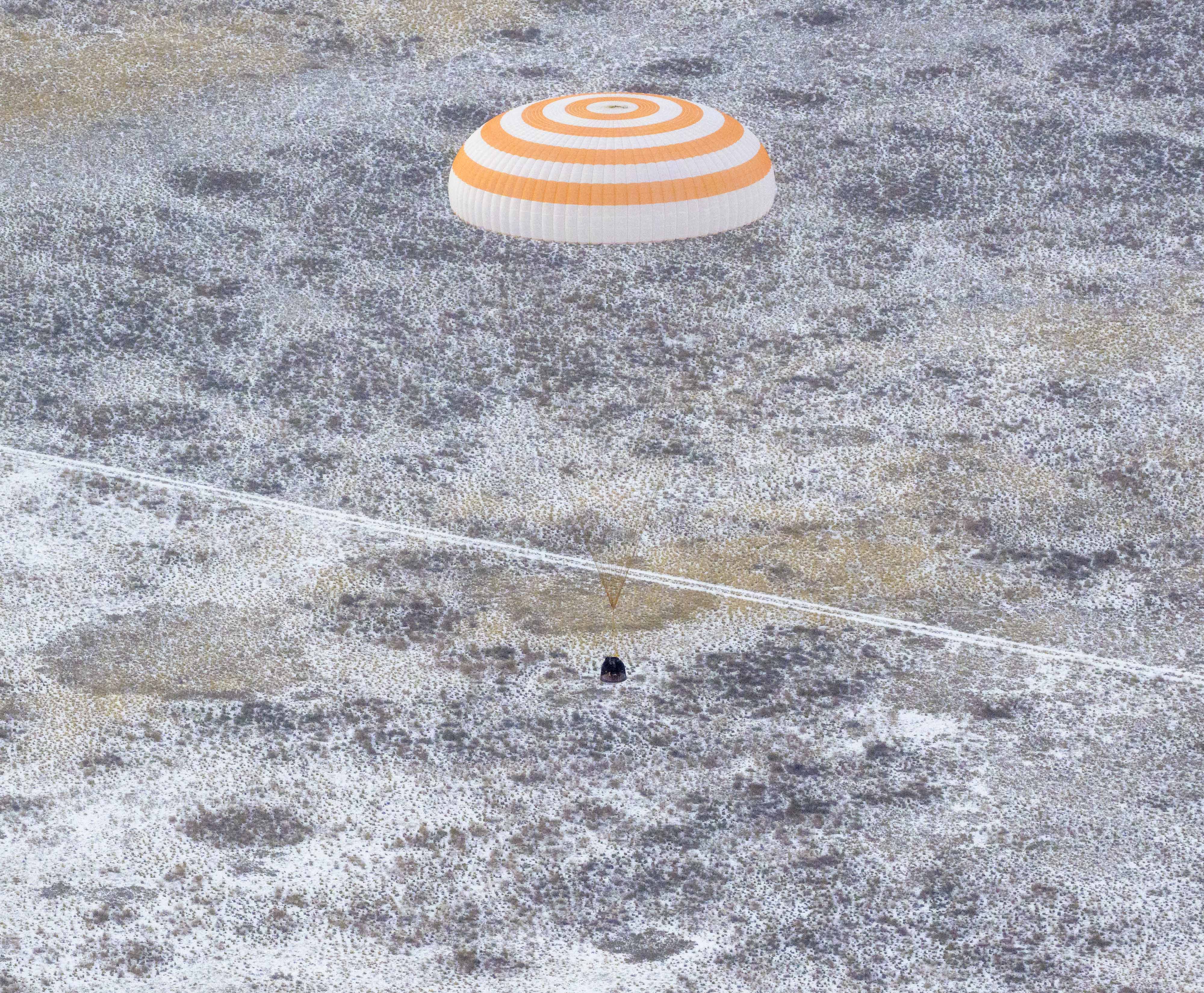
NASA astronaut Jonny Kim returned to Earth on Tuesday alongside Roscosmos cosmonauts Sergey Ryzhikov and Alexey Zubritsky, wrapping up an eight-month science mission aboard the International Space Station to benefit life on Earth and futur…
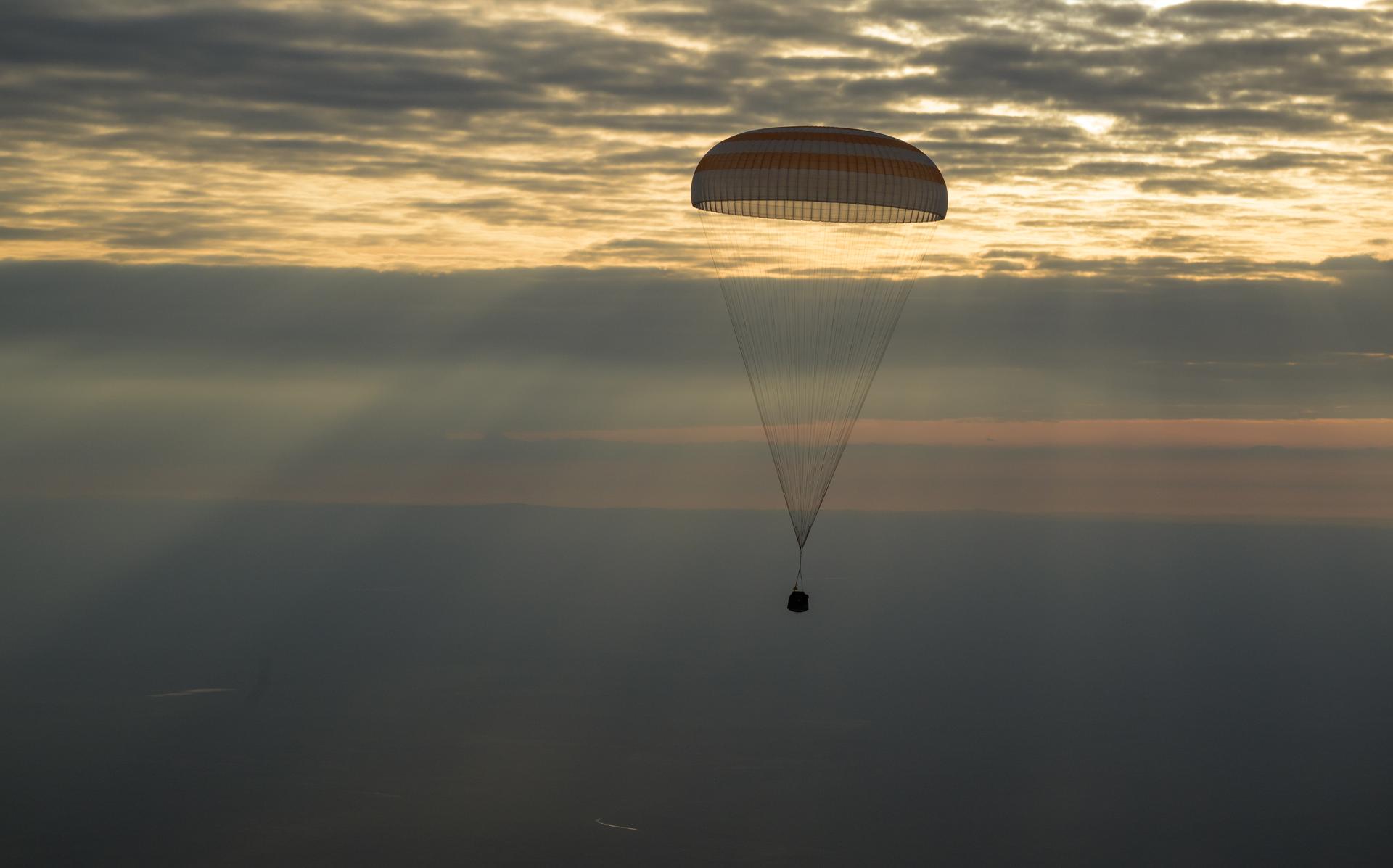
NASA astronaut Jonny Kim, accompanied by Roscosmos cosmonauts Sergey Ryzhikov and Alexey Zubritsky, is preparing to depart the International Space Station aboard the Soyuz MS-27 spacecraft and return to Earth. Kim, Ryzhikov, and Zubritsky …
QZSS (Quasi Zenith Satellite System) is a Japanese satellite navigation system operating from inclined, elliptical geosynchronous orbits to achieve o…
Chinese communication geostationary satellite for unknown purposes.
A batch of 24 satellites for the Starlink mega-constellation - SpaceX's project for space-based Internet communication system.
Synthetic aperture radar Earth observation satellite for Japanese Earth imaging company iQPS.
AST SpaceMobile’s Block 2 BlueBird satellites are designed to deliver up to 10 times the bandwidth capacity of the BlueBird Block 1 satellites, requi…
2 hyper-spectral Earth observation satellites from Chinese company STAR.VISION. Both satellites are built in corporation with foreign customers: *…
A batch of 24 satellites for the Starlink mega-constellation - SpaceX's project for space-based Internet communication system.
A batch of 9 Low Earth Orbit communication satellites for the Chinese state owned SatNet constellation operated by the China Satellite Network Group.…
A batch of 24 satellites for the Starlink mega-constellation - SpaceX's project for space-based Internet communication system.
Classified payload for the US National Reconnaissance Office.

