Saturn V | Apollo 17
Launch Successful
L - -- : -- : -- : --
Instantaneous launch window.
Launch Window
Dec. 7, 1972, 5:33 a.m. - Dec. 7, 1972, 5:33 a.m.


Instantaneous launch window.
Dec. 7, 1972, 5:33 a.m. - Dec. 7, 1972, 5:33 a.m.
Apollo 17 was the final mission of the Apollo program. The craft was crewed by Commander Eugene Cernan, Lunar Module Pilot Harrison Schmitt & Command Module Pilot Ronald Evans. The mission lasted for 12 days, 13 hours, 51 minutes and 59 seconds during which time Cernan & Schmitt spent 3 days on lunar surface completing three moonwalks to collect lunar samples and install scientific instruments on the surface. Apollo 17 was the last time human beings have gone beyond Low Earth Orbit.
The Saturn V was a human-rated expendable rocket used by NASA between 1967 and 1973. Most notably, the Saturn V took the Apollo program to the Moon. It still remains the world's tallest, heaviest, and most powerful rocket ever brought to operational status and is the only launch vehicle to take humans beyond LEO.
CSM-114 "America" was an Apollo Command & Service Module used in the Apollo 17 mission.
Apollo Command/Service Module Details
Date of
Birth: March 14, 1934
Date of Death:
Jan. 16, 2017
Date of
Birth: Nov. 10, 1933
Date of Death:
April 7, 1990
Date of
Birth: July 3, 1935
Age: 91
Flown on Apollo 17. Descent stage on lunar surface at Taurus-Littrow, ascent stage deliberately crashed into Moon
Apollo Lunar Module DetailsThe National Aeronautics and Space Administration is an independent agency of the executive branch of the United States federal government responsible for the civilian space program, as well as aeronautics and aerospace research. NASA have many launch facilities but most are inactive. The most commonly used pad will be LC-39B at Kennedy Space Center in Florida.
INFO WIKI
While Earth and Mars are known for their intense surface quakes, other terrestrial bodies in… The post Scientists investigate moonquakes using Apollo 17 samples, LRO observations appeared first on NASASpaceFlight.com.
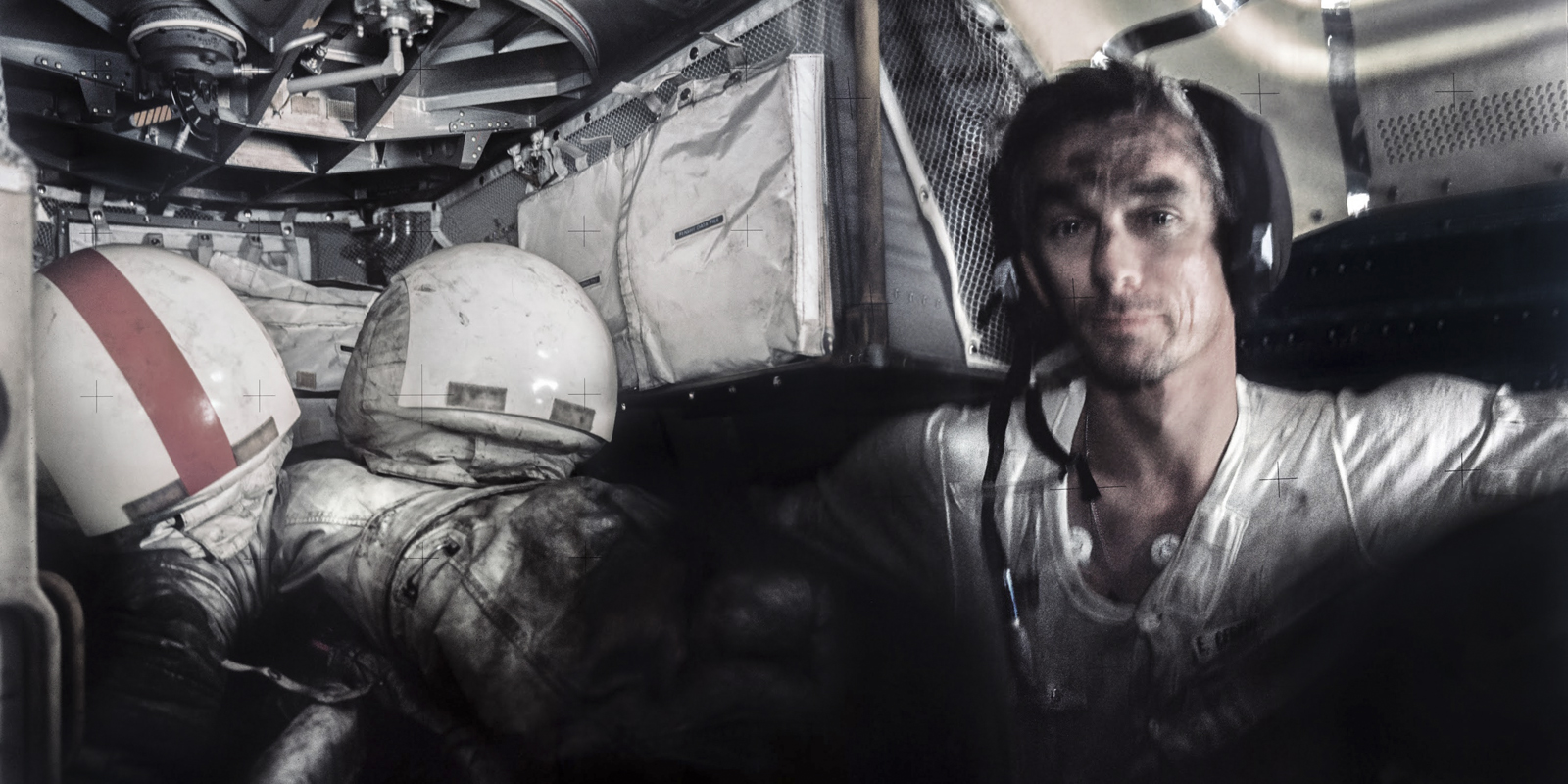
"Come toward me, baby! Looks like it’s moving... Don’t run over me!"
Details TBD.
A batch of 24 satellites for the Starlink mega-constellation - SpaceX's project for space-based Internet communication system.
Synthetic aperture radar Earth observation satellite for Japanese Earth imaging company iQPS.
AST SpaceMobile’s Block 2 BlueBird satellites are designed to deliver up to 10 times the bandwidth capacity of the BlueBird Block 1 satellites, requi…
2 hyper-spectral Earth observation satellites from Chinese company STAR.VISION. Both satellites are built in corporation with foreign customers: *…
A batch of 24 satellites for the Starlink mega-constellation - SpaceX's project for space-based Internet communication system.
A batch of 9 Low Earth Orbit communication satellites for the Chinese state owned SatNet constellation operated by the China Satellite Network Group.…
A batch of 24 satellites for the Starlink mega-constellation - SpaceX's project for space-based Internet communication system.
Classified payload for the US National Reconnaissance Office.
2 Chinese classified satellites claimed to be for communication technology test purposes. Actual mission not known.