New Shepard | NS-18
Launch Successful
L - -- : -- : -- : --
Instantaneous launch window.
Launch Window
Oct. 13, 2021, 2:49 p.m. - Oct. 13, 2021, 2:49 p.m.


Instantaneous launch window.
Oct. 13, 2021, 2:49 p.m. - Oct. 13, 2021, 2:49 p.m.
NS-18 is the second crewed New Shepard flight, carrying 4 paying customers.
Passengers were recovered, successful flight
Adjusting T-0
Targeting a launch time of 13:30 UTC per latest Blue Origin statement.
Adding the launch
Liftoff
The New Shepard reusable launch system is a vertical-takeoff, vertical-landing (VTVL), suborbital manned rocket that is being developed by Blue Origin as a commercial system for suborbital space tourism.
See DetailsNS4 successfully landed at Corn Ranch Landing Pad on its fourth flight.
Result: Successful Return to Launch Site landing at Corn Ranch Landing Pad, West Texas.First Blue Origin New Shepard Crew Capsule 2.0 to carry human passengers. This capsule is outfitted with improvements to environmental features such as acoustics and temperature regulation inside the capsule, crew display panels, and speakers with a microphone and push-to-talk button at each seat.
Crew Capsule 2.0 Details
Date of
Birth: Feb. 1, 1976
Age: 50
Date of
Birth: June 1, 1977
Age: 49
Date of
Birth: June 29, 1972
Date of Death:
Nov. 11, 2021
Date of
Birth: March 22, 1931
Age: 95
Blue Origin is an American privately funded aerospace manufacturer and spaceflight services company set up by Amazon.com founder Jeff Bezos with its headquarters in Kent, Washington. The company is developing technologies to enable private human access to space with the goal to dramatically lower costs and increase reliability. Blue Origin currently launches its New Shepard sub-orbital vehicle from its West Texas launch site, they are currently constructing a launch pad for their orbital vehicle New Glenn at Cape Canaveral LC-36.
INFO WIKI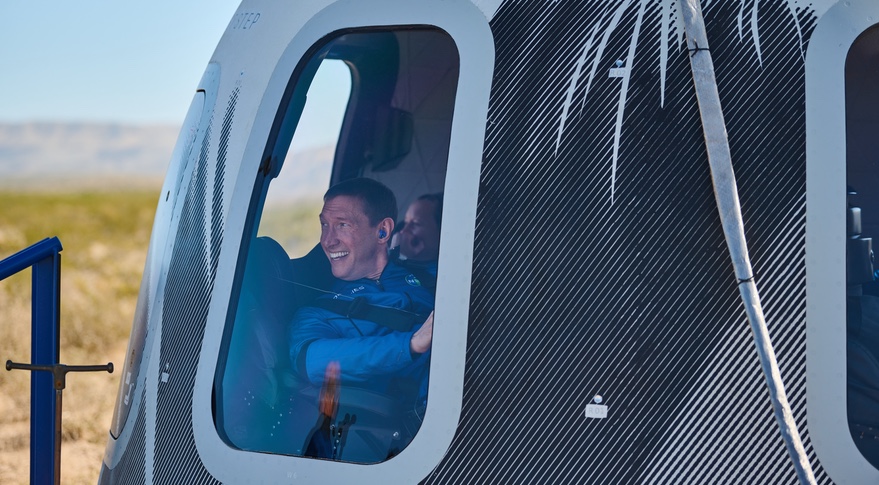
A biomedical entrepreneur who flew on Blue Origin’s second crewed suborbital spaceflight died in a plane crash Nov. 11.


This flight does not solve any of the problems at Blue Origin, of course.
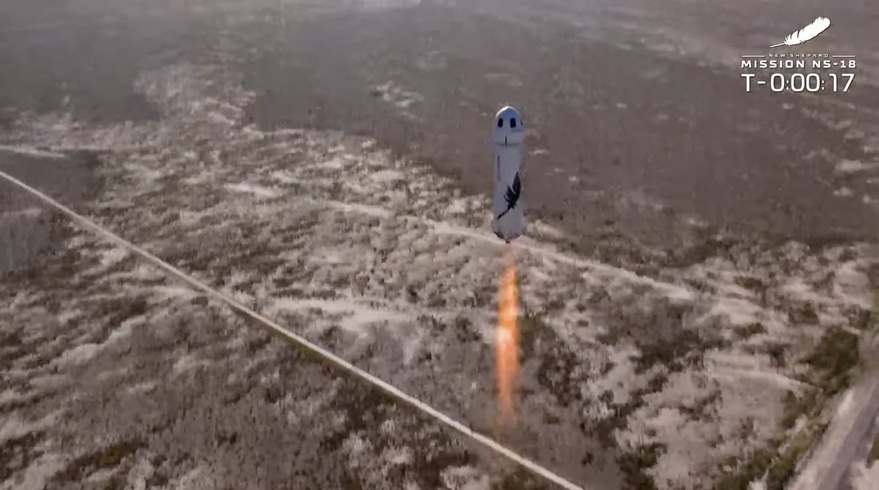
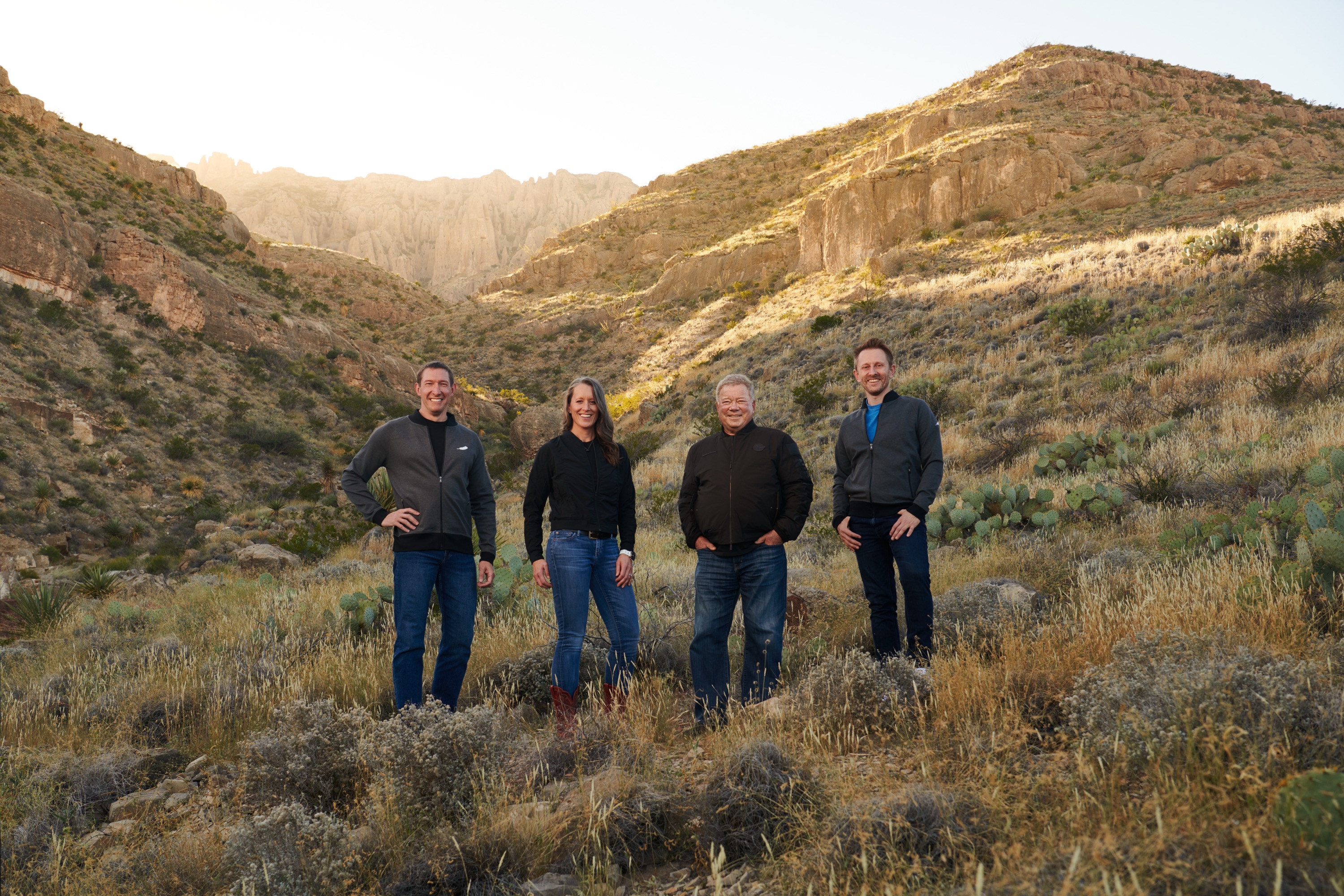
Blue Origin launched Star Trek actor William Shatner and three others into space on a brief suborbital flight Oct. 13, the second crewed flight of the company’s New Shepard vehicle.
A batch of 24 satellites for the Starlink mega-constellation - SpaceX's project for space-based Internet communication system.
Synthetic aperture radar Earth observation satellite for Japanese Earth imaging company iQPS.
AST SpaceMobile’s Block 2 BlueBird satellites are designed to deliver up to 10 times the bandwidth capacity of the BlueBird Block 1 satellites, requi…
2 hyper-spectral Earth observation satellites from Chinese company STAR.VISION. Both satellites are built in corporation with foreign customers: *…
A batch of 24 satellites for the Starlink mega-constellation - SpaceX's project for space-based Internet communication system.
A batch of 9 Low Earth Orbit communication satellites for the Chinese state owned SatNet constellation operated by the China Satellite Network Group.…
A batch of 24 satellites for the Starlink mega-constellation - SpaceX's project for space-based Internet communication system.
Classified payload for the US National Reconnaissance Office.
2 Chinese classified satellites claimed to be for communication technology test purposes. Actual mission not known.
Tianlian is a Chinese data tracking and relay communications geostationary satellite series. The TL-3 (Tian Lian 3) satellites are the 3rd generation…
