LVM-3 | OneWeb 14
Launch Successful
L - -- : -- : -- : --
Instantaneous launch window.
Launch Window
Oct. 22, 2022, 6:37 p.m. - Oct. 22, 2022, 6:37 p.m.


Instantaneous launch window.
Oct. 22, 2022, 6:37 p.m. - Oct. 22, 2022, 6:37 p.m.

The LVM3-M2 mission is a dedicated commercial mission for a foreign customer OneWeb, through NSIL. It is the first multi-satellite mission with 36 OneWeb Satellites to the LEO as the heaviest Payload mass of 5,796 kg. of LVM3 till date. • First launch of LVM3 to LEO • First Indian …
A batch of 36 satellites for the OneWeb satellite constellation, which is intended to provide global Internet broadband service for individual consumers. The constellation is planned to have around 648 microsatellites (of which 60 are spares), around 150 kg each, operating in Ku-band from low Earth orbit.

Successful launch of 36 OneWeb satellites
Liftoff
Webcast live
Delayed by a day

Added launch date and time
The Launch Vehicle Mark-3 (LVM-3), previously called Geosynchronous Satellite Launch Vehicle Mark III (GSLV Mk III), is a three-stage medium-lift launch vehicle developed by the Indian Space Research Organisation (ISRO). It is designed to launch satellites into geostationary orbit, and is intended as a launch vehicle for crewed missions under the Indian Human Spaceflight Programme.
The Indian Space Research Organisation (ISRO) is the space agency of the Government of India headquartered in the city of Bangalore. Its vision is to "harness space technology for national development while pursuing space science research and planetary exploration."
INFO WIKI
OneWeb has resumed deployment of its satellite constellation with the launch of 36 satellites aboard India’s GSLV Mk.III rocket. The mission – which marks the first commercial launch for the GSLV – lifted off from the Satish Dhawan Space C…

After the suspension of commercial launches on Russia’s Soyuz rocket earlier this year, OneWeb is set to resume deploying satellites for its global internet network Saturday with an Indian GSLV Mk.3 launcher, one of five OneWeb missions pl…
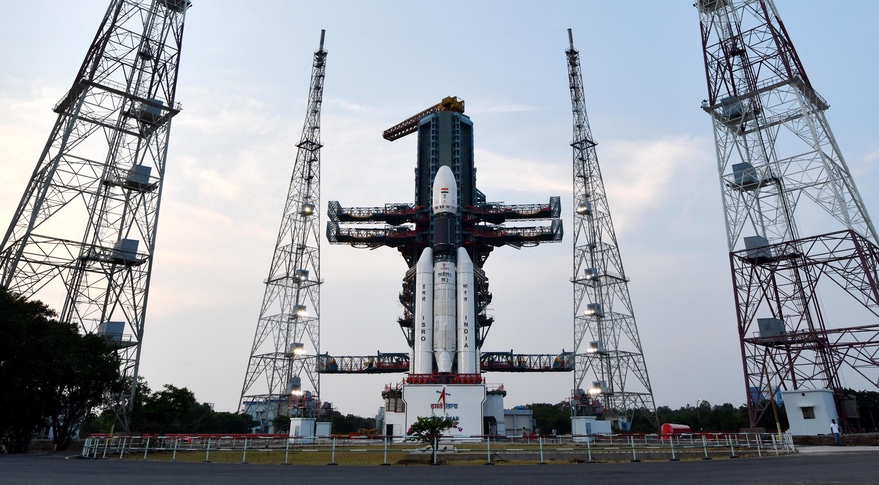
The launch of a set of OneWeb satellites on an Indian rocket could be the harbinger of a greater role India will play in a commercial launch industry straining to satisfy demand.
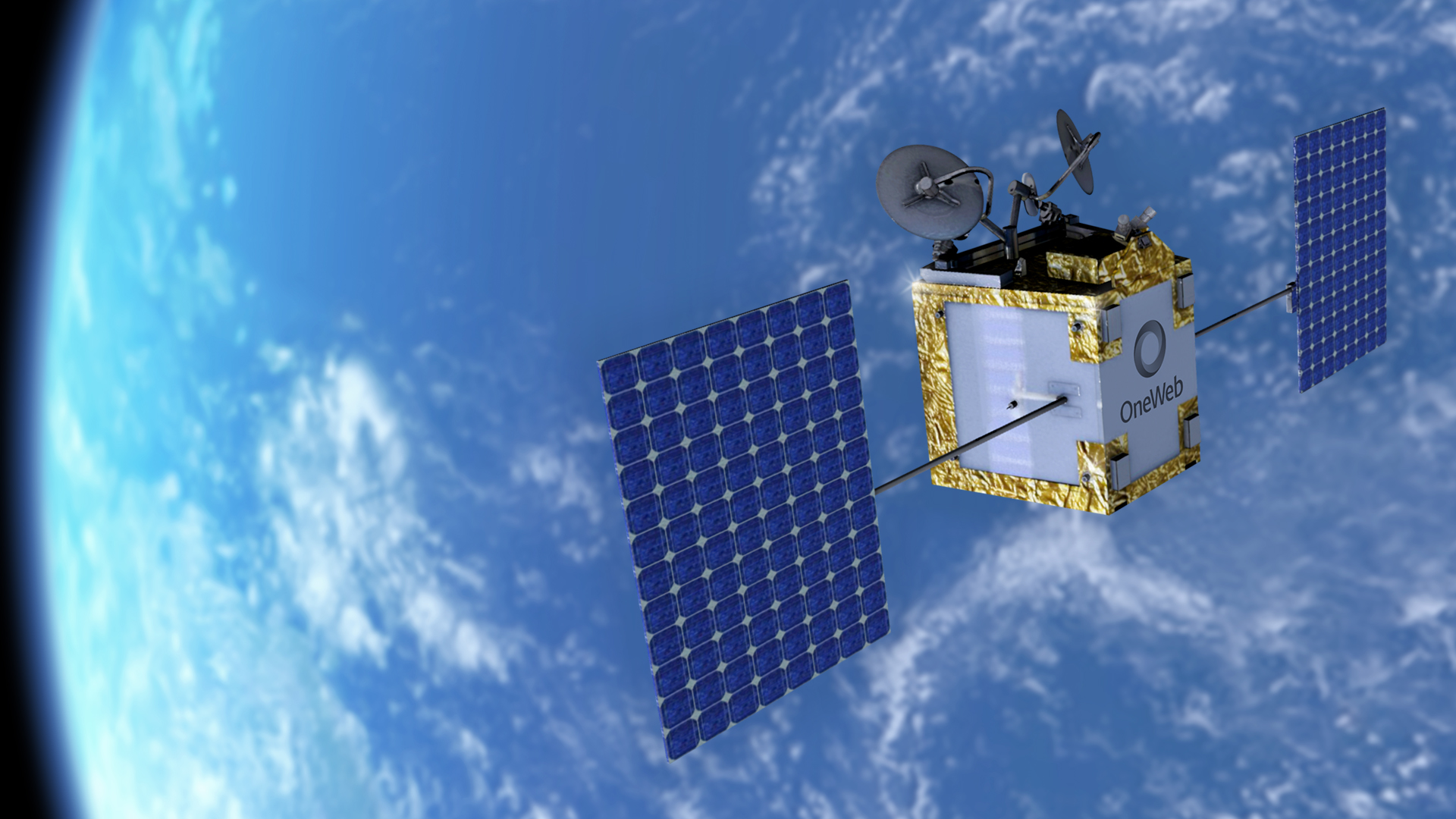
India expects to conduct the first launch of OneWeb satellites in eight months during the second half of October, Indian space agency ISRO said Oct. 5.
A batch of 24 satellites for the Starlink mega-constellation - SpaceX's project for space-based Internet communication system.
Synthetic aperture radar Earth observation satellite for Japanese Earth imaging company iQPS.
AST SpaceMobile’s Block 2 BlueBird satellites are designed to deliver up to 10 times the bandwidth capacity of the BlueBird Block 1 satellites, requi…
2 hyper-spectral Earth observation satellites from Chinese company STAR.VISION. Both satellites are built in corporation with foreign customers: *…
A batch of 24 satellites for the Starlink mega-constellation - SpaceX's project for space-based Internet communication system.
A batch of 9 Low Earth Orbit communication satellites for the Chinese state owned SatNet constellation operated by the China Satellite Network Group.…
A batch of 24 satellites for the Starlink mega-constellation - SpaceX's project for space-based Internet communication system.
Classified payload for the US National Reconnaissance Office.
2 Chinese classified satellites claimed to be for communication technology test purposes. Actual mission not known.
Tianlian is a Chinese data tracking and relay communications geostationary satellite series. The TL-3 (Tian Lian 3) satellites are the 3rd generation…
