Long March 7 | Tianzhou-4
Launch Successful
L - -- : -- : -- : --
Launch Window
May 9, 2022, 5:46 p.m. - May 9, 2022, 6:06 p.m.


May 9, 2022, 5:46 p.m. - May 9, 2022, 6:06 p.m.
Third cargo delivery mission to the Chinese large modular space station.

Successful launch
Liftoff
webcast live

Set GO for launch and added live feed link.
Updated T-0
The Long March 7 is a Chinese liquid-fuelled launch vehicle of the Long March family, developed by the China Aerospace Science and Technology Corporation (CAST). It made its inaugural flight on 25 June 2016 and is used to launch Tianzhou resupply spacecraft to the Chinese Space Station.
Fourth operational Tianzhou spacecraft
Tianzhou DetailsThe China Aerospace Science and Technology Corporation (CASC) is the main contractor for the Chinese space program. It is state-owned and has a number of subordinate entities which design, develop and manufacture a range of spacecraft, launch vehicles, strategic and tactical missile systems, and ground equipment. It was officially established in July 1999 as part of a Chinese government reform drive, having previously been one part of the former China Aerospace Corporation. Various incarnations of the program date back to 1956.
INFO WIKI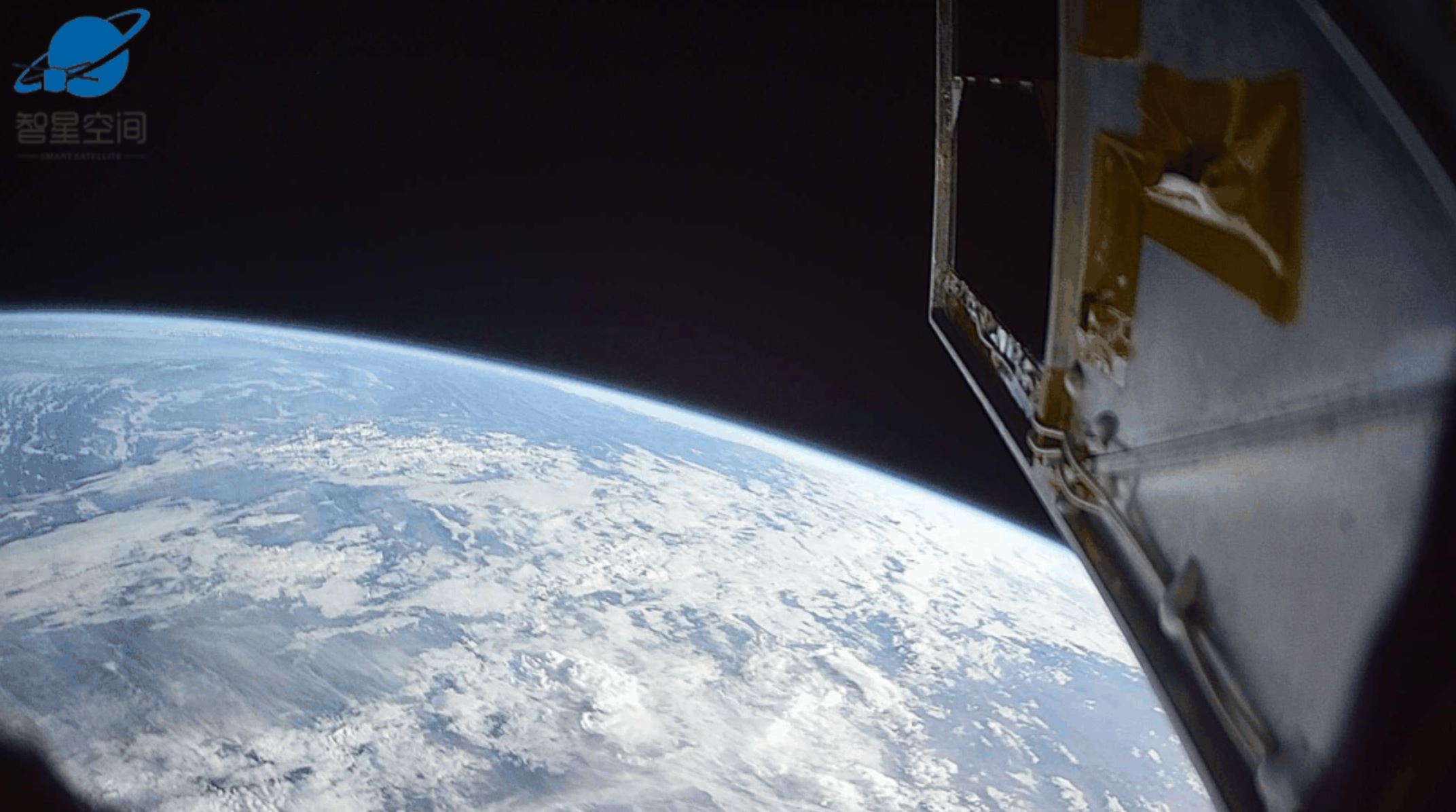
China’s Tianzhou-4 cargo spacecraft released a small satellite after its departure from the Tiangong space station and ahead of its controlled deorbiting.
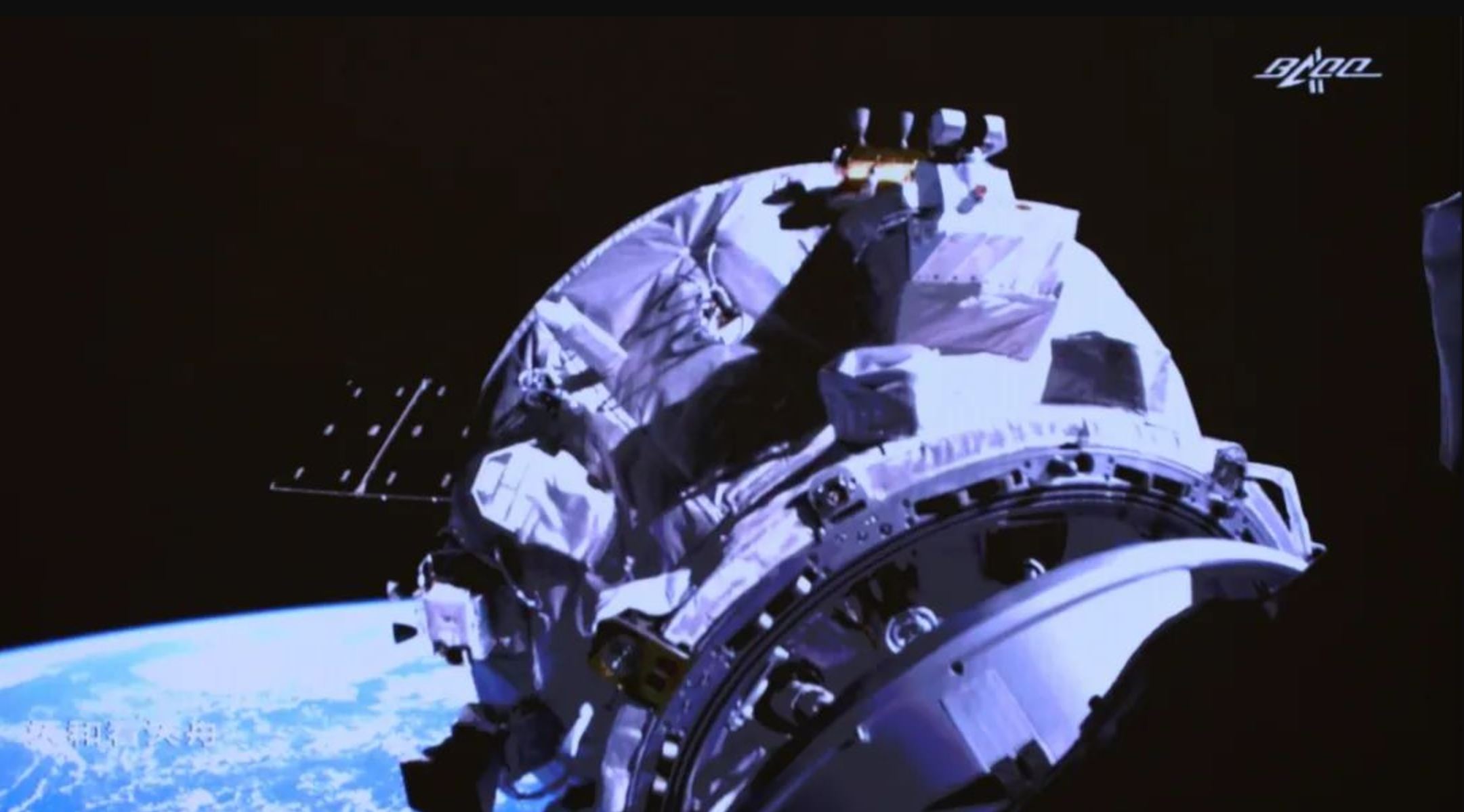
The Tianzhou-4 cargo spacecraft completed an automated docking in orbit with the Tianhe space station module late Monday following launch from Wenchang.
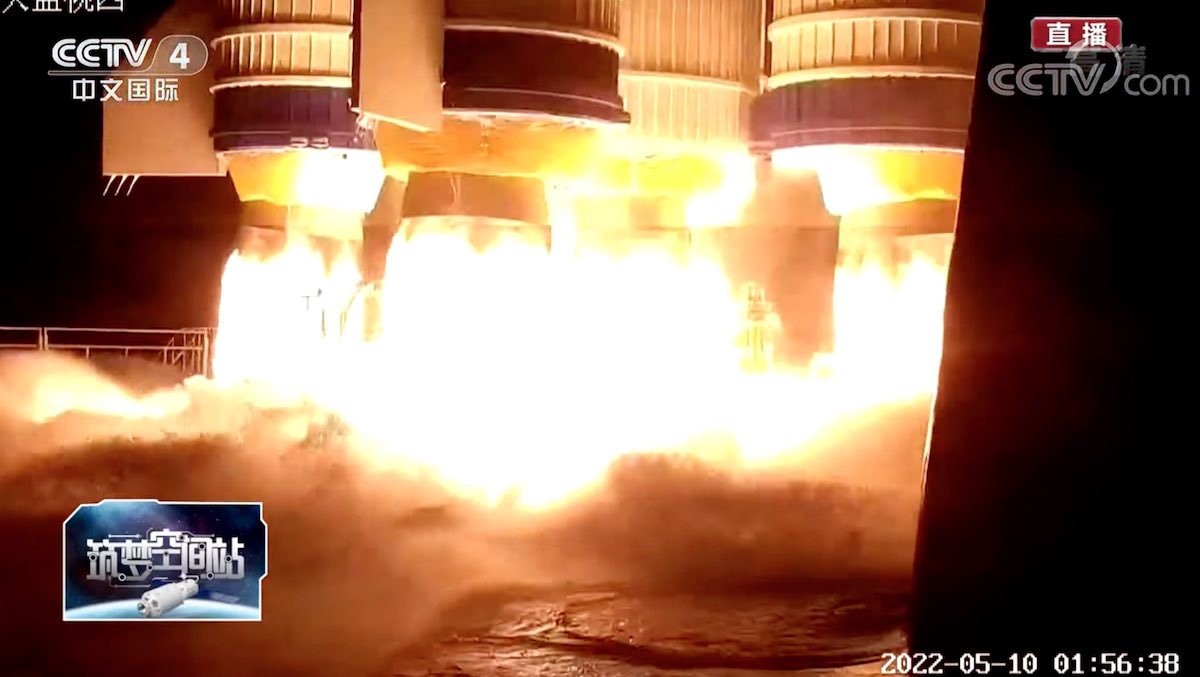
China launched the Tianzhou 4 cargo freighter for the country’s space station Monday, beginning a resupply mission to stage hardware, propellant, and provisions at the complex before arrival of the next long-duration crew in June.

China plans to launch the Tianzhou 4 cargo resupply mission on Monday, May 9 at 17:56 UTC (13:56 EDT) to the Tiangong space station. The Tianzhou spacecraft will fly on a Chang Zheng 7 rocket from the Wenchang Space Launch Site in Hainan, …
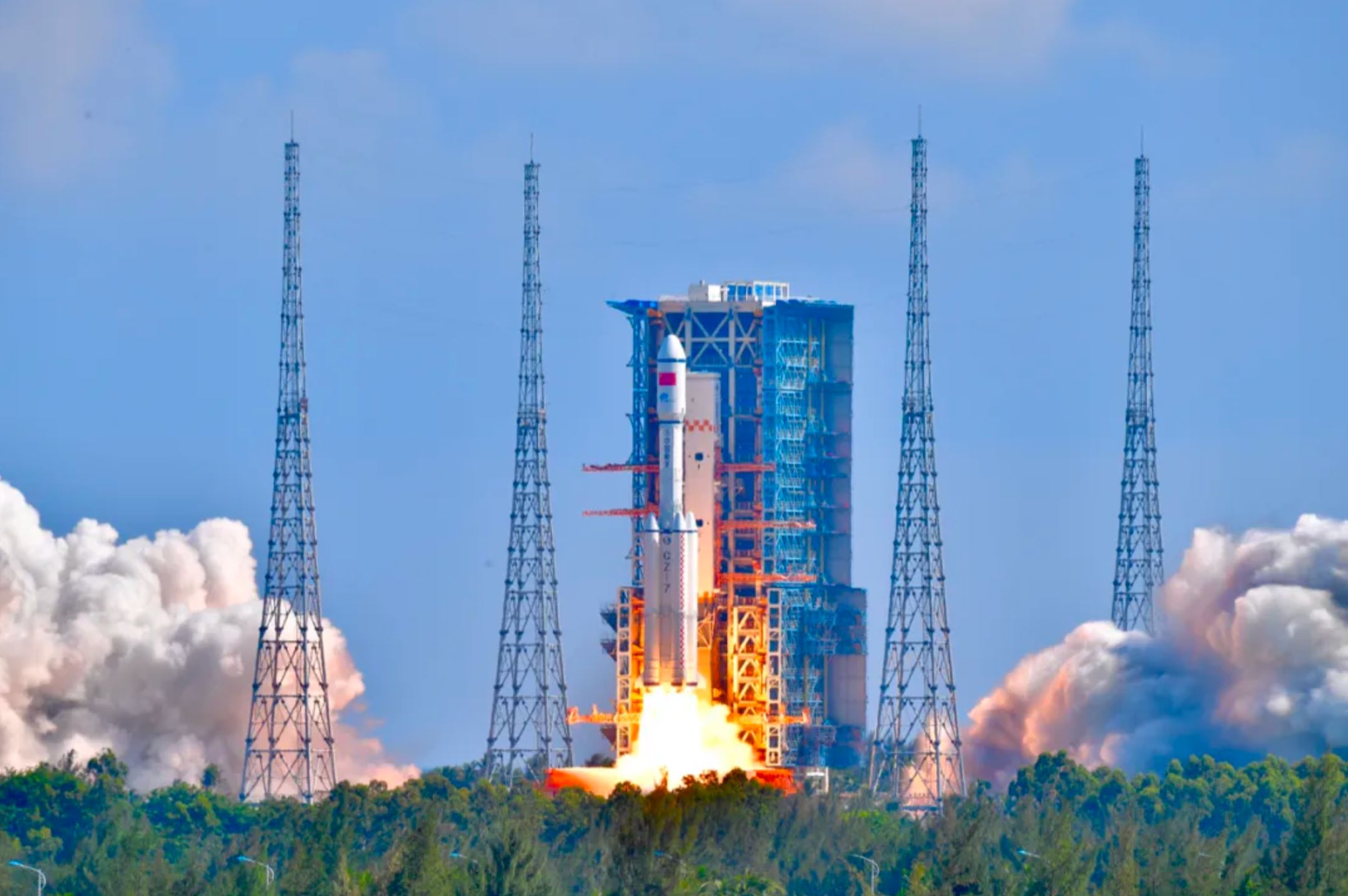
A Long March rocket arrived at Wenchang spaceport Monday in preparation for a new round of space station missions starting May.
A batch of 24 satellites for the Starlink mega-constellation - SpaceX's project for space-based Internet communication system.
Note: Mission profile and payload details are TBD. Demonstration mission for SpaceX’s Project Starfall, which aims to mass-produce reentry capsule…
Chinese classified satellite claimed to be for communication technology test purposes. Actual mission not known.
A batch of 24 satellites for the Starlink mega-constellation - SpaceX's project for space-based Internet communication system.
VICTUS HAZE will see Rocket Lab design, build, launch, and operate a rendezvous proximity operation (RPO) capable spacecraft. U.S. Space Force Space …
Fourteenth batch of satellites for a reconnaissance satellite constellation built by SpaceX and Northrop Grumman for the National Reconnaissance Offi…
Amazon Leo, formerly known as Project Kuiper, is a mega constellation of satellites in Low Earth Orbit that will offer broadband internet access, thi…
AST SpaceMobile’s Block 2 BlueBird satellites are designed to deliver up to 10 times the bandwidth capacity of the BlueBird Block 1 satellites, requi…
Note: Unofficial reports indicate there may be 1 or more additional satellites that failed to separate from the upper stage, however this is not offi…
A batch of 9 Low Earth Orbit communication satellites for the Chinese state owned SatNet constellation operated by the China Satellite Network Group.…