Electron | A Data With Destiny (BlackSky 14-15)
Launch Successful
L - -- : -- : -- : --
Launch Window
Dec. 8, 2021, 11:45 p.m. - Dec. 9, 2021, 1:50 a.m.


Dec. 8, 2021, 11:45 p.m. - Dec. 9, 2021, 1:50 a.m.
Payload consists of two BlackSky Gen-2 high-resolution multi-spectral Earth observation satellites.
Launch trajectory and telemetry simulations provided by Flight Club - a rocket launch simulator and orbital trajectory visualiser for all things space!

Launch success

New T-0
New launch date due to weather.
Updating NET
Move to December 2021.
Electron is a two-stage orbital expendable launch vehicle (with an optional third stage) developed by the American aerospace company Rocket Lab. Electron is a small-lift launch vehicle designed to launch small satellites and cubesats to sun-synchronous orbit and low earth orbit. The Electron is the first orbital class rocket to use electric-pump-fed engines, powered by the 9 Rutherford engines on the first stage. It is also used as a suborbital testbed (called HASTE) for hypersonics research.
See DetailsRocket Lab is an American aerospace manufacturer with a wholly owned New Zealand subsidiary. The company develops lightweight, cost-effective commercial rocket launch services. The Electron Program was founded on the premise that small payloads such as CubeSats require dedicated small launch vehicles and flexibility not currently offered by traditional rocket systems. Its rocket, the Electron, is a light-weight rocket and is now operating commercially. The company is also producing a variety of spacecrafts and spacecrafts components.
INFO WIKI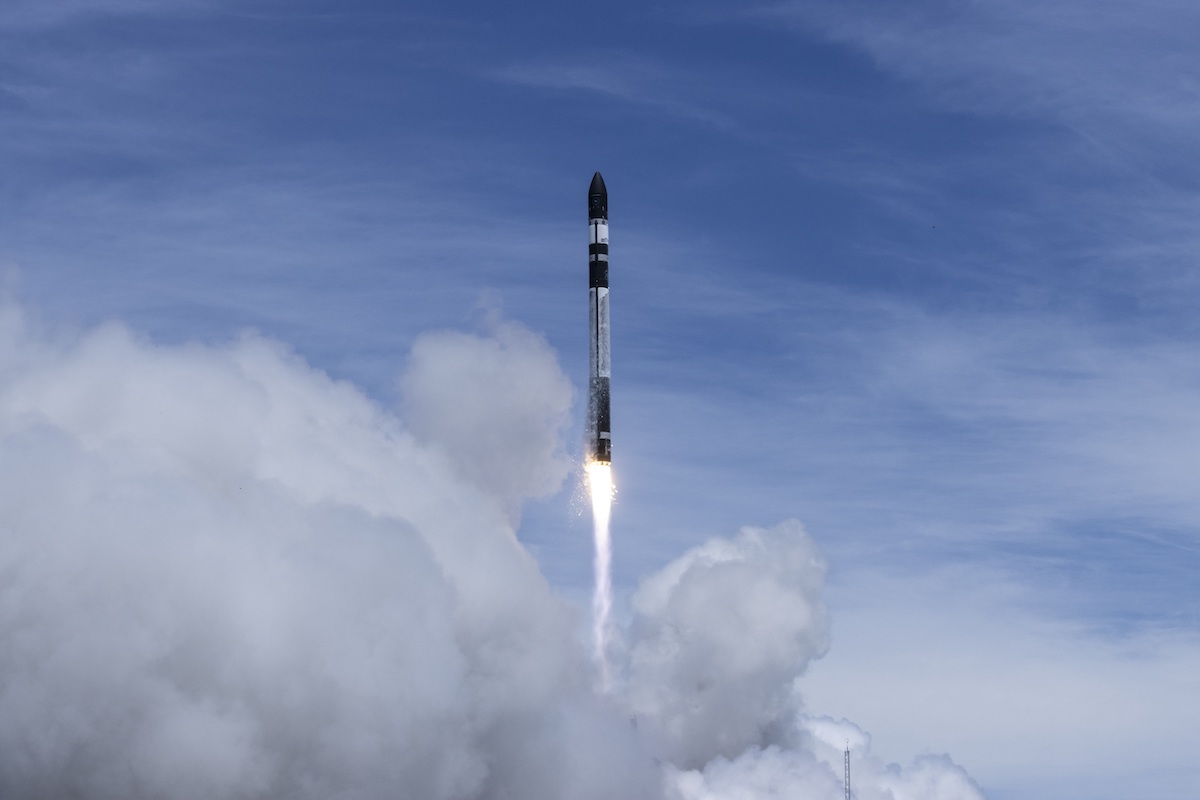
Two more BlackSky high-resolution optical remote sensing satellites rode a Rocket Lab Electron launcher into orbit Wednesday from New Zealand, the second mission for Rocket Lab in three weeks, and the third satellite delivery for BlackSky …
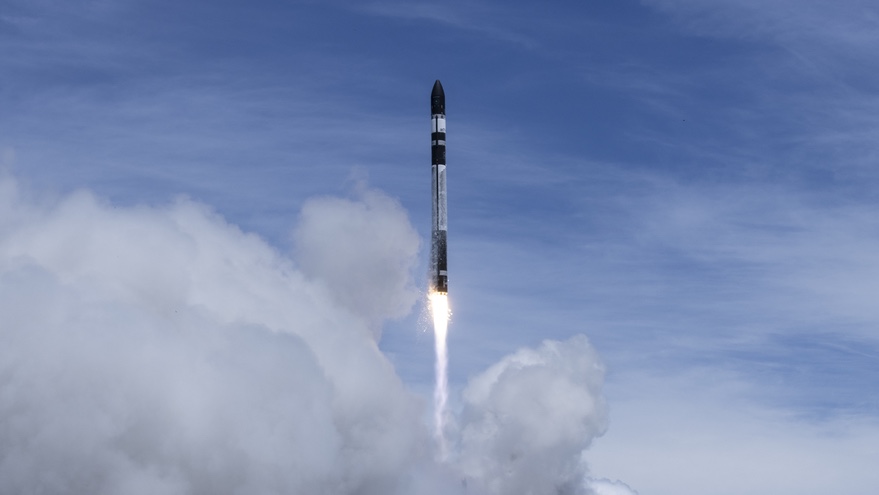
Rocket Lab launched another pair of BlackSky satellites Dec. 8, a day after the company won a contract from a Japanese firm for three launches of radar imaging satellites.

Rocket Lab is gearing up for its final orbital launch of the year, “A Data With Destiny.” Liftoff of the Electron rocket is targeted at the beginning of a two-hour and five-minute long launch window that opens at 6:45 PM EST on December 8…
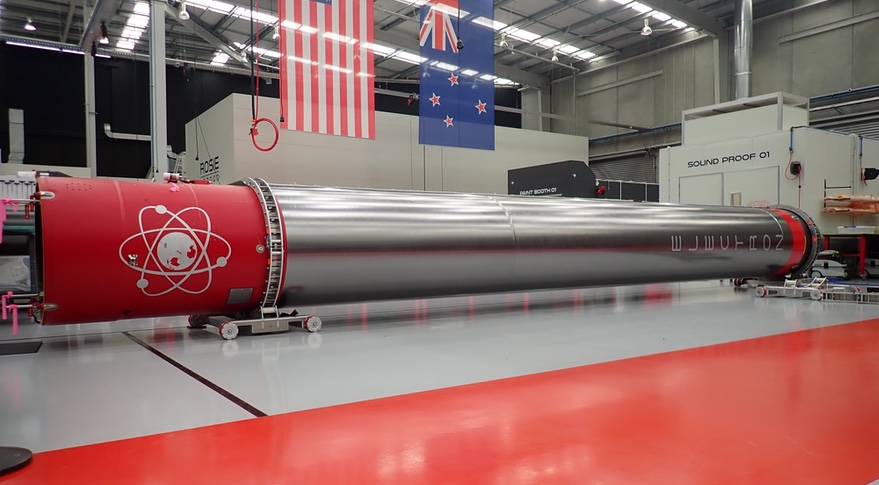
Rocket Lab says it’s ready to move to the next step in its efforts to recover and reuse Electron first stages by attempting to catch a booster in midair on an upcoming launch.
A batch of 24 satellites for the Starlink mega-constellation - SpaceX's project for space-based Internet communication system.
Synthetic aperture radar Earth observation satellite for Japanese Earth imaging company iQPS.
AST SpaceMobile’s Block 2 BlueBird satellites are designed to deliver up to 10 times the bandwidth capacity of the BlueBird Block 1 satellites, requi…
2 hyper-spectral Earth observation satellites from Chinese company STAR.VISION. Both satellites are built in corporation with foreign customers: *…
A batch of 24 satellites for the Starlink mega-constellation - SpaceX's project for space-based Internet communication system.
A batch of 9 Low Earth Orbit communication satellites for the Chinese state owned SatNet constellation operated by the China Satellite Network Group.…
A batch of 24 satellites for the Starlink mega-constellation - SpaceX's project for space-based Internet communication system.
Classified payload for the US National Reconnaissance Office.
2 Chinese classified satellites claimed to be for communication technology test purposes. Actual mission not known.
Tianlian is a Chinese data tracking and relay communications geostationary satellite series. The TL-3 (Tian Lian 3) satellites are the 3rd generation…


 View in Flightclub