Delta II 7920H-10C | GLAST
Launch Successful
L - -- : -- : -- : --
Instantaneous launch window.
Launch Window
June 11, 2008, 4:05 p.m. - June 11, 2008, 4:05 p.m.


Instantaneous launch window.
June 11, 2008, 4:05 p.m. - June 11, 2008, 4:05 p.m.
A joint mission between NASA, USA Department of Energy and government agencies of France, Germany, Italy, Japan and Sweden. Its mission to suvery astrophysical and cosmological phenomena, also has instruments to study Gamma-ray bursts.
Delta II is an American space launch system developed by McDonnell Douglas, now part of the Delta rocket family operated by United Launch Alliance. With more than 150 missions and a nearly perfect track record, Delta II has established itself as one of the most successful orbital launch systems.
See DetailsUnited Launch Alliance (ULA) is a joint venture of Lockheed Martin Space Systems and Boeing Defense, Space & Security. ULA was formed in December 2006 by combining the teams at these companies which provide spacecraft launch services to the government of the United States. ULA launches from both coasts of the US. They launch their Atlas V vehicle from LC-41 in Cape Canaveral and LC-3E at Vandeberg. Their Delta IV launches from LC-37 at Cape Canaveral and LC-6 at Vandenberg.
INFO WIKI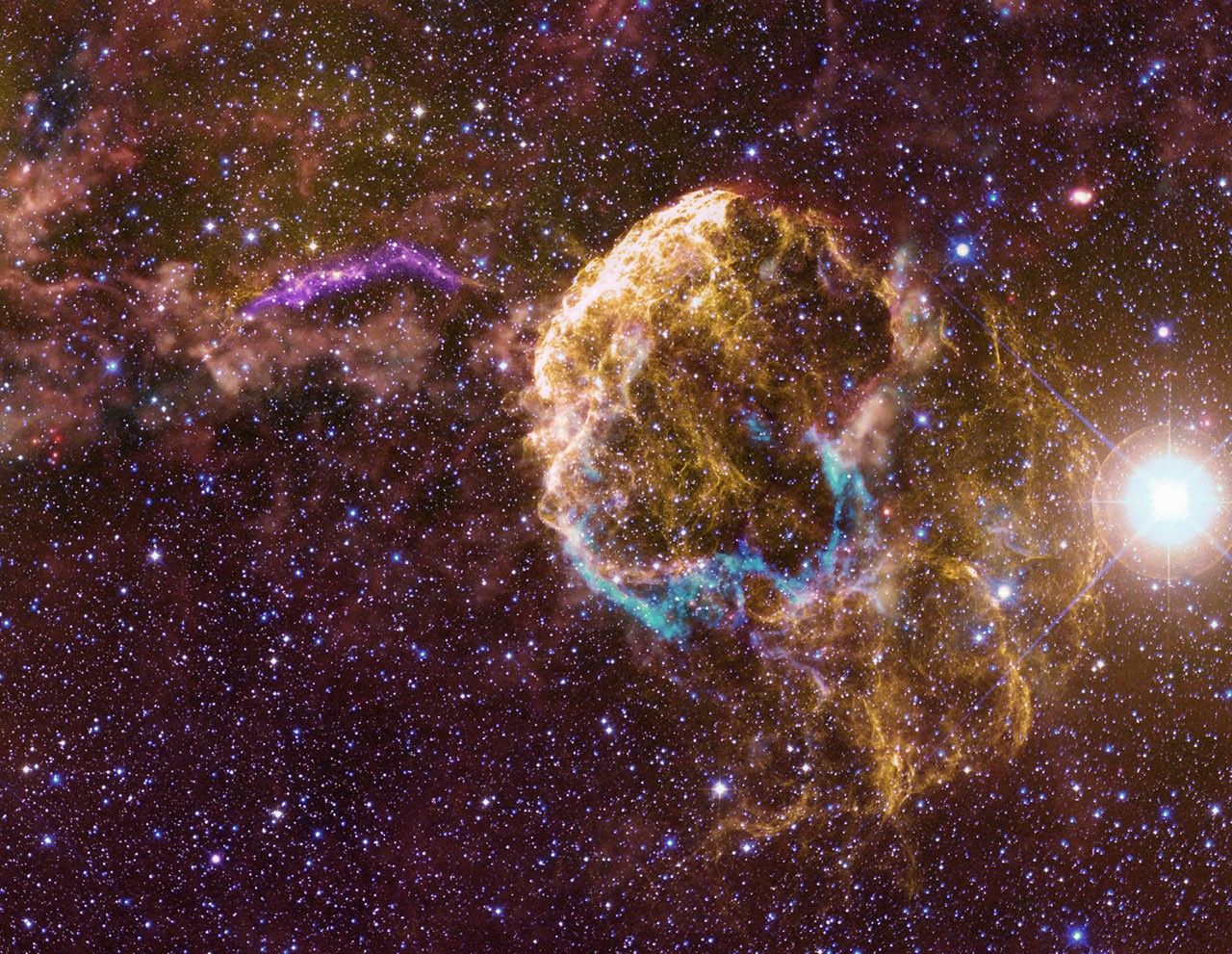
A new study of two supernova remnants, the debris left behind after stars explode, suggests the explosions came from stellar siblings that once orbited each other. The first star’s detonation sent its binary companion hurtling through spac…
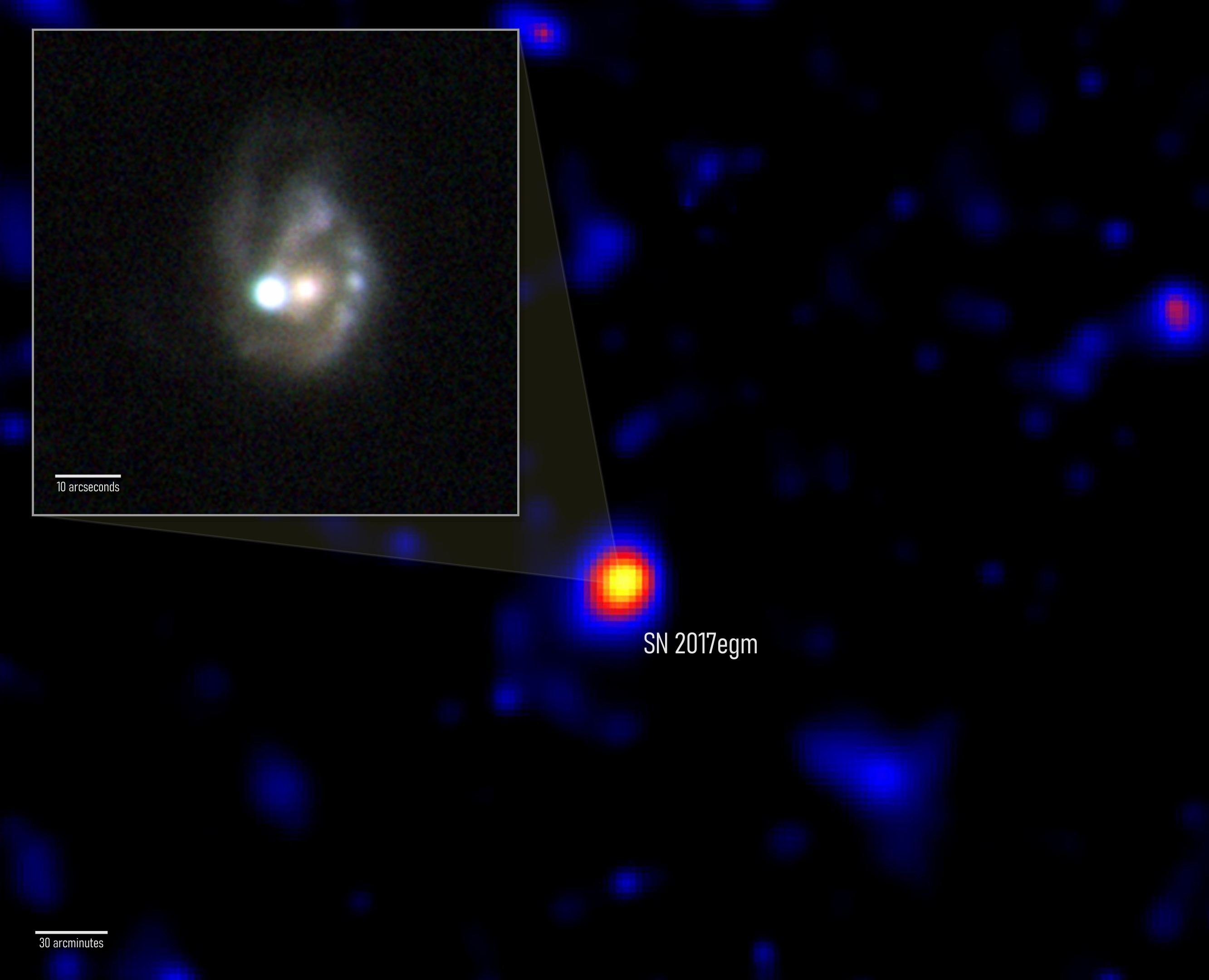
An international team studying data from NASA’s Fermi Gamma-ray Space Telescope concludes the mission detected a rare, unusually luminous supernova. The researchers say it likely received its power-up from a supermagnetized neutron star bo…
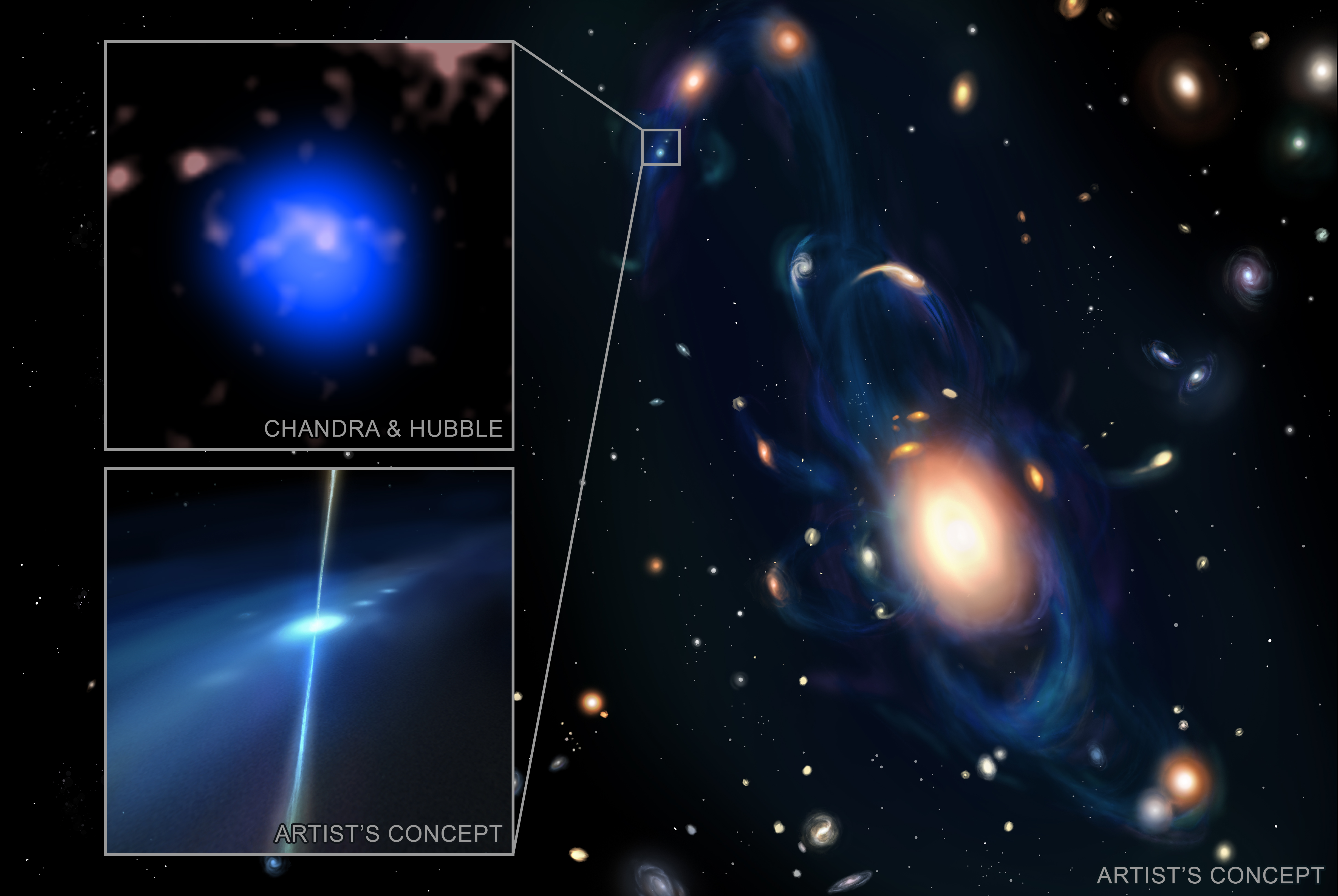
A fleet of NASA missions has likely uncovered a collision between two ultradense stars in a tiny galaxy buried in a huge stream of gas. Astronomers have never seen this type of explosive event in an environment like this before — and it ma…
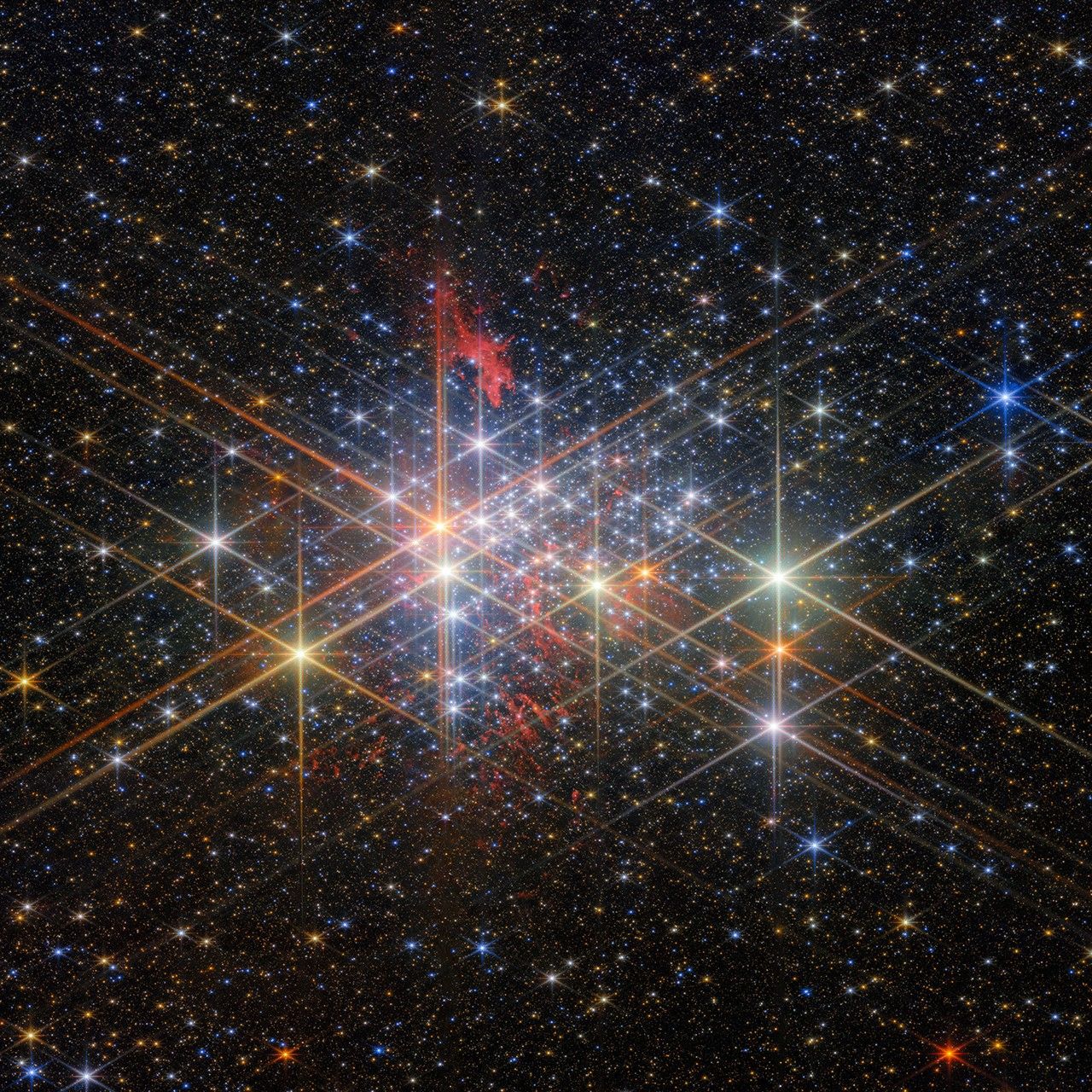
For the first time, astronomers using NASA’s Fermi Gamma-ray Space Telescope have traced a budding outflow of gas from a cluster of young stars in our galaxy — insights that help us understand how the universe has evolved as NASA explores …

NASA released more details about its proposed fiscal year 2026 budget May 30, canceling dozens of science missions and cutting thousands of jobs. The post NASA budget would cancel dozens of science missions, lay off thousands appeared fir…
A batch of 29 satellites for the Starlink mega-constellation - SpaceX's project for space-based Internet communication system.
QZSS (Quasi Zenith Satellite System) is a Japanese satellite navigation system operating from inclined, elliptical geosynchronous orbits to achieve o…
Chinese communication geostationary satellite for unknown purposes.
A batch of 24 satellites for the Starlink mega-constellation - SpaceX's project for space-based Internet communication system.
Synthetic aperture radar Earth observation satellite for Japanese Earth imaging company iQPS.
AST SpaceMobile’s Block 2 BlueBird satellites are designed to deliver up to 10 times the bandwidth capacity of the BlueBird Block 1 satellites, requi…
2 hyper-spectral Earth observation satellites from Chinese company STAR.VISION. Both satellites are built in corporation with foreign customers: *…
A batch of 24 satellites for the Starlink mega-constellation - SpaceX's project for space-based Internet communication system.
A batch of 9 Low Earth Orbit communication satellites for the Chinese state owned SatNet constellation operated by the China Satellite Network Group.…
A batch of 24 satellites for the Starlink mega-constellation - SpaceX's project for space-based Internet communication system.