Delta 7920-10L | Aura
Launch Successful
L - -- : -- : -- : --
Instantaneous launch window.
Launch Window
July 15, 2004, 10:01 a.m. - July 15, 2004, 10:01 a.m.


Instantaneous launch window.
July 15, 2004, 10:01 a.m. - July 15, 2004, 10:01 a.m.
Aura (EOS CH-1) is a multi-national NASA scientific research satellite in orbit around the Earth, studying the Earth's ozone layer, air quality and climate. It is the third major component of the Earth Observing System following on Terra and Aqua.
Delta II was an expendable launch system, originally designed and built by McDonnell Douglas. Delta II was part of the Delta rocket family and entered service in 1989. Delta II vehicles included the Delta 6000, and the two later Delta 7000 variants ("Light" and "Heavy"). The rocket flew its final mission ICESat-2 on 15 September 2018, earning the launch vehicle a streak of 100 successful missions in a row, with the last failure being GPS IIR-1 in 1997.
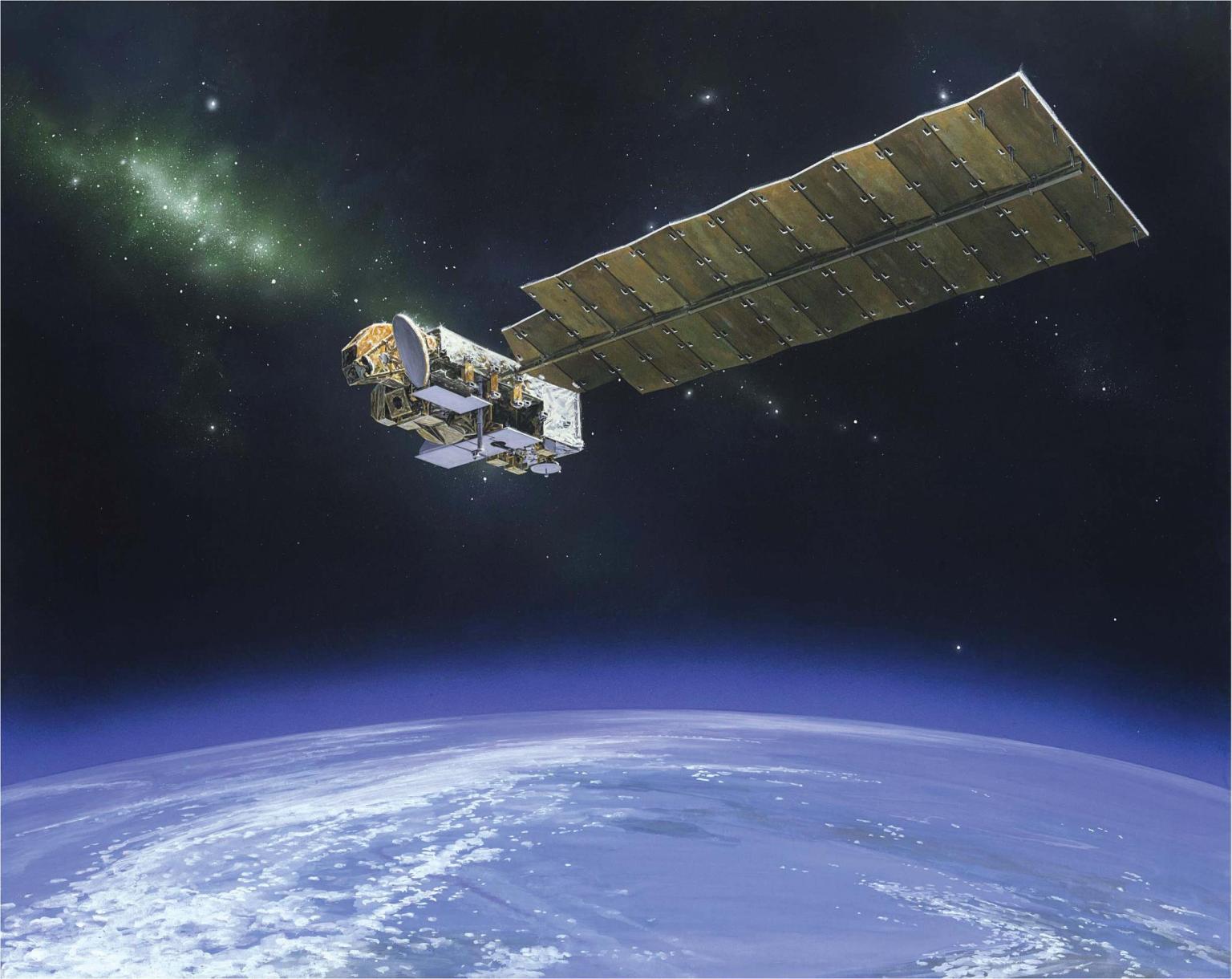
A few of the many highlights from the last 20 years since Aura Launched.
2.8 tonnes Mass Simulator launched to a 900 km polar orbit on a test flight proving further upgrades to the ZQ-2E, including a longer 1st stage and e…
18 Low Earth Orbit communication satellites with Ku, Q and V band payloads for the G60 constellation operated by Shanghai Spacesail Technologies with…
Thirteenth batch of satellites for a reconnaissance satellite constellation built by SpaceX and Northrop Grumman for the National Reconnaissance Offi…
Ninth cargo delivery mission to the Chinese space station.
A batch of 24 satellites for the Starlink mega-constellation - SpaceX's project for space-based Internet communication system.
Ride-share of 45 satellites including: * CAS500-2 (KASA, South Korea) The South Korean CAS500-1 and -2 satellites will image the Earth in pan-chr…
A batch of 29 satellites for the Starlink mega-constellation - SpaceX's project for space-based Internet communication system.
Demonstration Flight for Russia's new Soyuz-5 launch vehicle, with a mass simulator on board. The launch was suborbital with the simulator splashing …
Amazon Leo, formerly known as Project Kuiper, is a mega constellation of satellites in Low Earth Orbit that will offer broadband internet access, thi…
A batch of 24 satellites for the Starlink mega-constellation - SpaceX's project for space-based Internet communication system.