Atlas V 541 | USSF-12
Launch Successful
L - -- : -- : -- : --
Launch Window
July 1, 2022, 10 p.m. - July 2, 2022, midnight


July 1, 2022, 10 p.m. - July 2, 2022, midnight

A United Launch Alliance (ULA) Atlas V 541 rocket is launching the USSF-12 mission for the U.S. Space Force’s Space Systems Command (SSC). USSF-12 features two satellite payloads: the Wide Field of View (WFOV) Testbed for SSC's Space Sensing Directorate and the USSF-12 Ring spacecraft for the Defens...
Two US national security payloads. The first is the Space Force's Wide Field of View (WFOV) Testbed satellite, the second is a multi-manifest satellite for the Department of Defense (DoD).
Launch trajectory and telemetry simulations provided by Flight Club - a rocket launch simulator and orbital trajectory visualiser for all things space!

Launch success confirmed
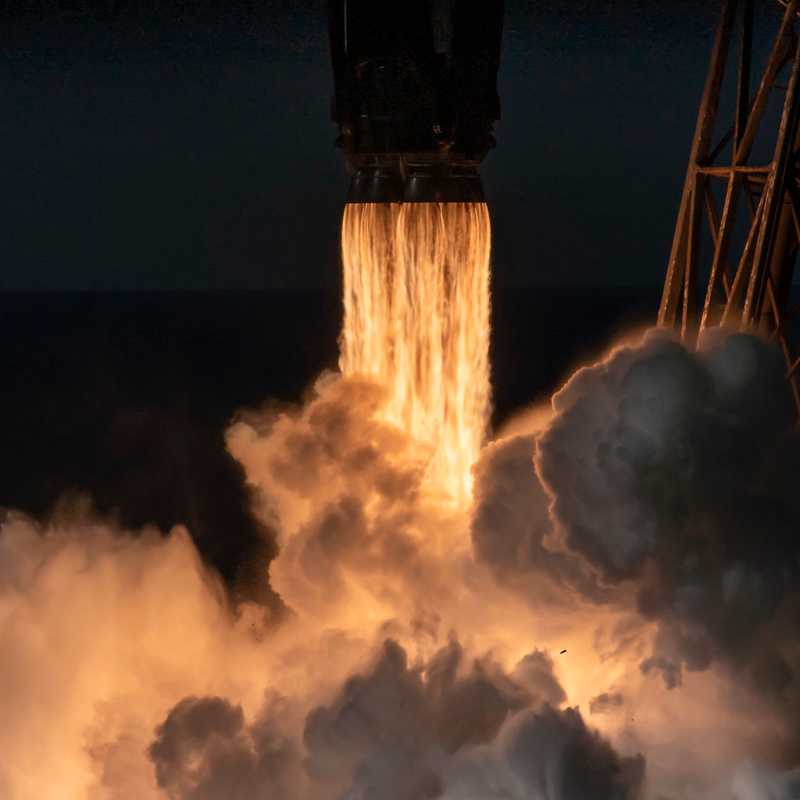
Liftoff
Hold released at L-16 minutes
New T-0 of 23:15:00 UTC
Expected clear time now 22:45 UTC
Atlas V with 5m Fairing, 4 SRB, 1 Centaur upper stage engine.
See DetailsUnited Launch Alliance (ULA) is a joint venture of Lockheed Martin Space Systems and Boeing Defense, Space & Security. ULA was formed in December 2006 by combining the teams at these companies which provide spacecraft launch services to the government of the United States. ULA launches from both coasts of the US. They launch their Atlas V vehicle from LC-41 in Cape Canaveral and LC-3E at Vandeberg. Their Delta IV launches from LC-37 at Cape Canaveral and LC-6 at Vandenberg.
INFO WIKI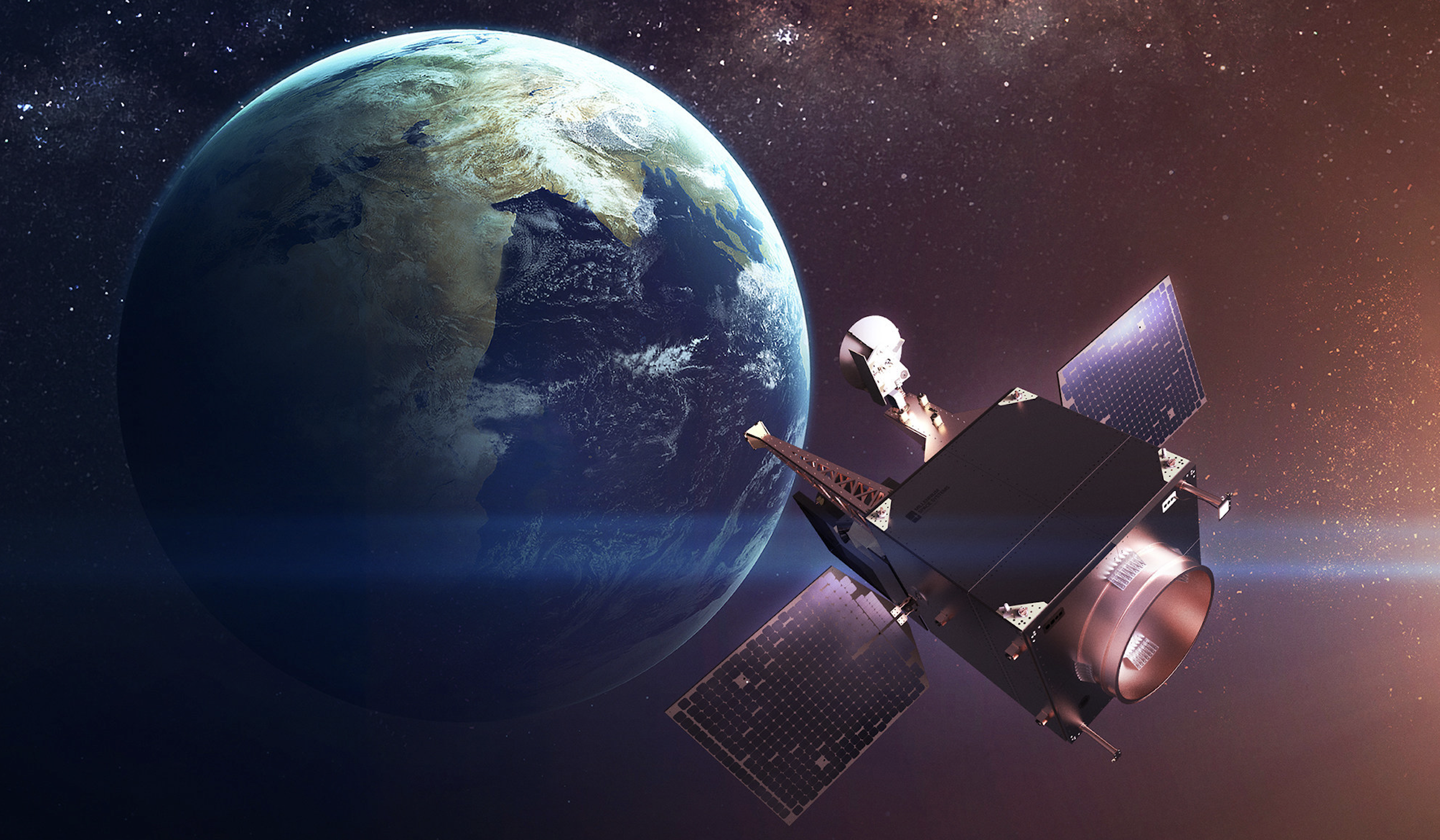
The U.S. Space Force has received initial images from a new missile-warning satellite launched in July.
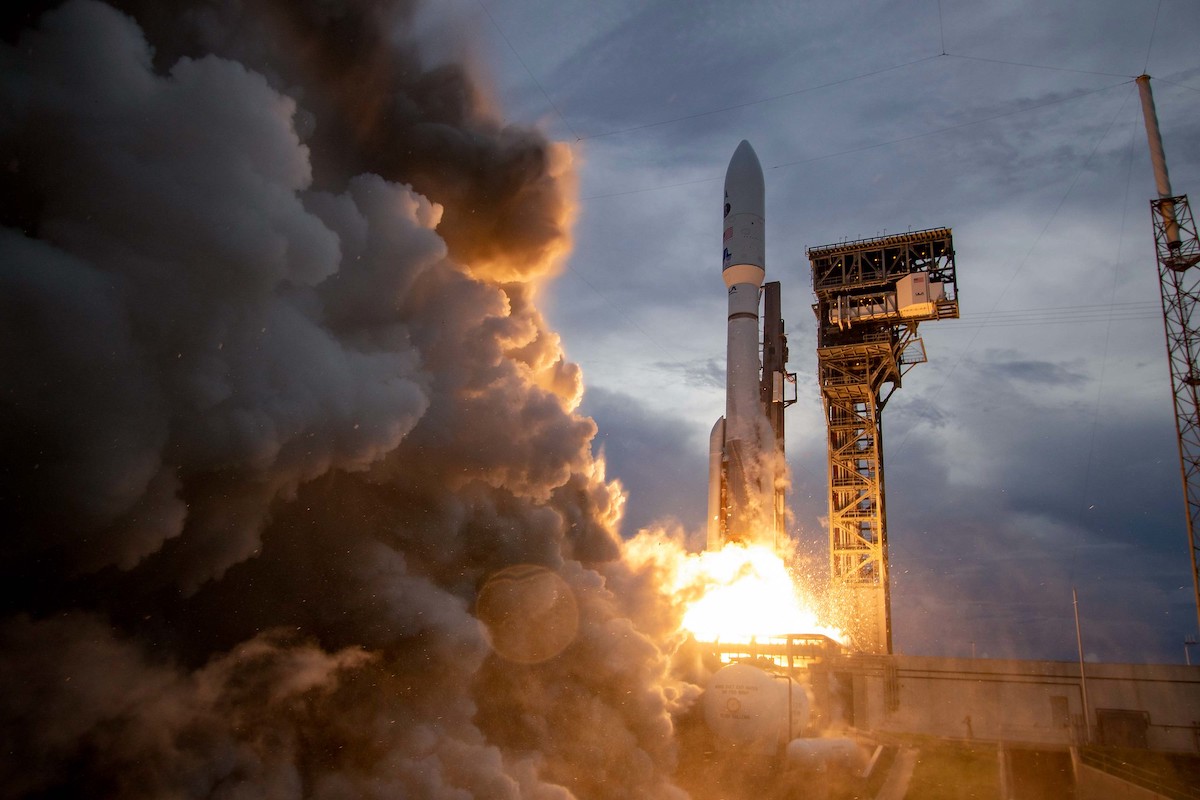
A United Launch Alliance Atlas 5 rocket fired off its launch pad at Cape Canaveral Friday on a six-hour climb to geosynchronous orbit, deploying a classified payload and a U.S. Space Force satellite to test an improved infrared heat-sensit…
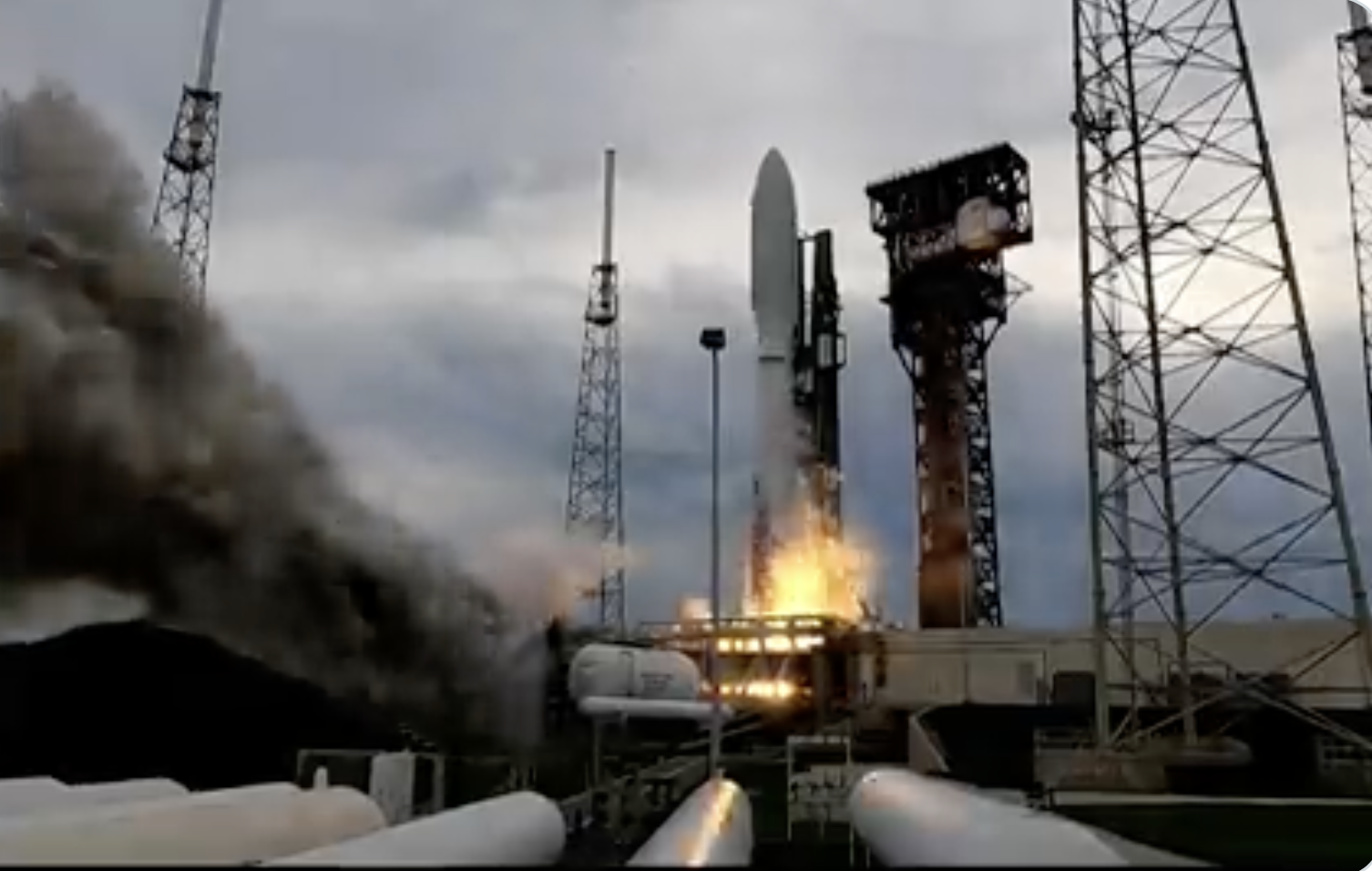
A United Launch Alliance Atlas 5 rocket on July 1 launched the USSF-12 mission for the U.S. Space Force. The rocket lifted off at 7:15 p.m. Eastern from Space Launch Complex-41 at Cape Canaveral Space Force Station, Florida.
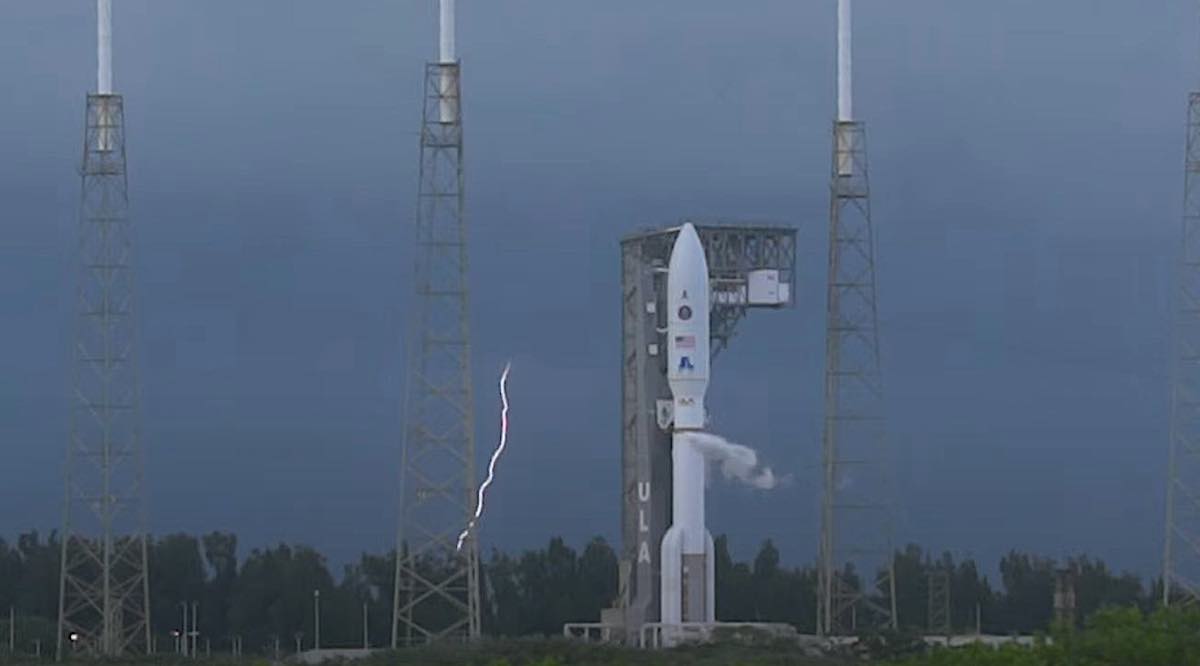
Officials scrubbed the launch of an Atlas 5 rocket for the U.S. Space Force Thursday due to the risk of lightning from nearby thunderstorms, delaying the liftoff of the $1.1 billon mission until Friday evening.

United Launch Alliance will deploy a pair of Space Force technology demonstration payloads into geostationary orbit Friday evening. The USSF-12 mission lifted off from Cape Canaveral at 7:15 PM EDT (23:15 UTC) on Friday, following a 24 hou…
A batch of 24 satellites for the Starlink mega-constellation - SpaceX's project for space-based Internet communication system.
Synthetic aperture radar Earth observation satellite for Japanese Earth imaging company iQPS.
AST SpaceMobile’s Block 2 BlueBird satellites are designed to deliver up to 10 times the bandwidth capacity of the BlueBird Block 1 satellites, requi…
2 hyper-spectral Earth observation satellites from Chinese company STAR.VISION. Both satellites are built in corporation with foreign customers: *…
A batch of 24 satellites for the Starlink mega-constellation - SpaceX's project for space-based Internet communication system.
A batch of 9 Low Earth Orbit communication satellites for the Chinese state owned SatNet constellation operated by the China Satellite Network Group.…
A batch of 24 satellites for the Starlink mega-constellation - SpaceX's project for space-based Internet communication system.
Classified payload for the US National Reconnaissance Office.
2 Chinese classified satellites claimed to be for communication technology test purposes. Actual mission not known.
Tianlian is a Chinese data tracking and relay communications geostationary satellite series. The TL-3 (Tian Lian 3) satellites are the 3rd generation…
 View in Flightclub