Atlas V 541 | GOES-T
Launch Successful
L - -- : -- : -- : --
Launch Window
March 1, 2022, 9:38 p.m. - March 1, 2022, 11:38 p.m.


March 1, 2022, 9:38 p.m. - March 1, 2022, 11:38 p.m.

A United Launch Alliance (ULA) Atlas V 541 rocket will deliver the National Oceanic and Atmospheric Administration (NOAA) GOES-T spacecraft to an optimized geosynchronous transfer orbit. The optimized orbit places GOES-T closer to its final destination thereby conserving the satellite’s fuel supply ...
The Geostationary Operational Environmental Satellite T (GOES-T) is the third satellite in NOAA’s advanced GOES-R series. It is meant to operate as GOES West and work in tandem with GOES-16, which operates in the GOES East position
Launch trajectory and telemetry simulations provided by Flight Club - a rocket launch simulator and orbital trajectory visualiser for all things space!

Success confirmed
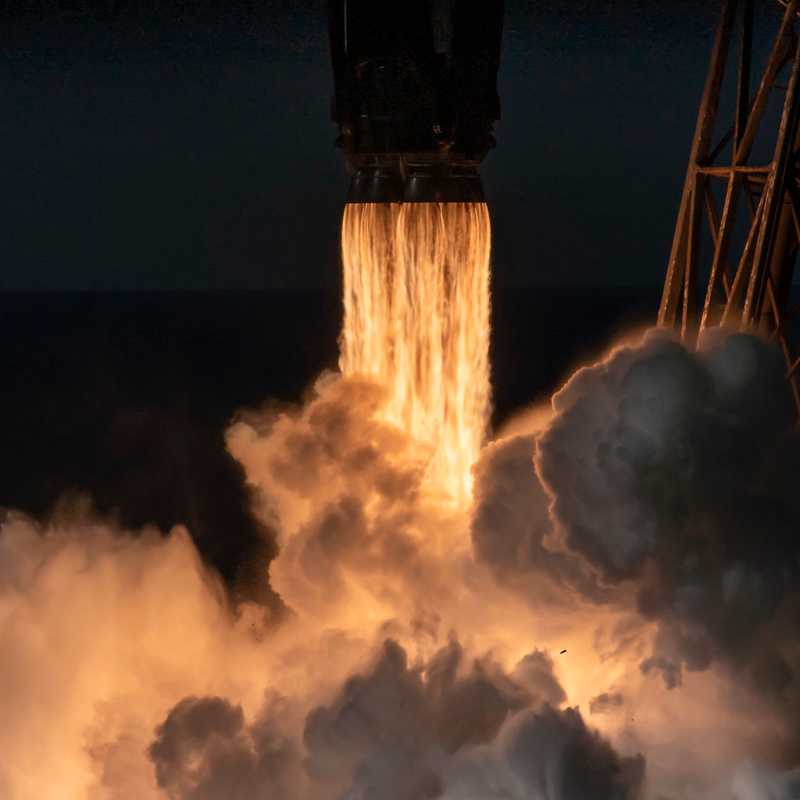
Liftoff of Atlas V carrying another GOES satellite into orbit for NOAA, providing vital weather data for years to come.

Weather 80%
Weather 70%
Weather 60%
Atlas V with 5m Fairing, 4 SRB, 1 Centaur upper stage engine.
See DetailsUnited Launch Alliance (ULA) is a joint venture of Lockheed Martin Space Systems and Boeing Defense, Space & Security. ULA was formed in December 2006 by combining the teams at these companies which provide spacecraft launch services to the government of the United States. ULA launches from both coasts of the US. They launch their Atlas V vehicle from LC-41 in Cape Canaveral and LC-3E at Vandeberg. Their Delta IV launches from LC-37 at Cape Canaveral and LC-6 at Vandenberg.
INFO WIKI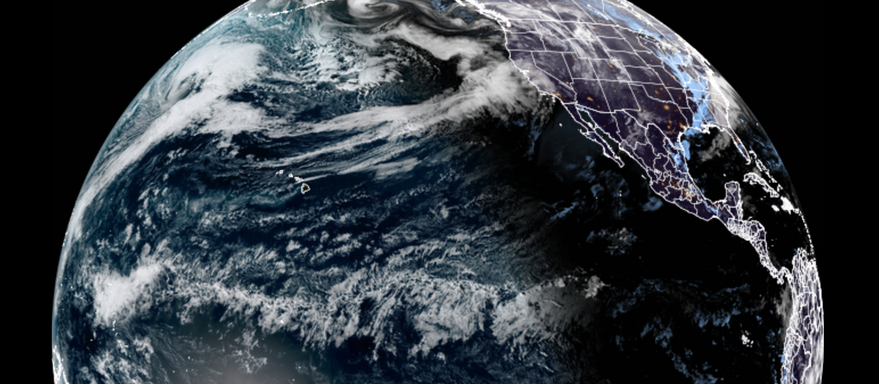
The National Oceanic and Atmospheric Administration declared the newest satellite in its geostationary fleet, GOES-18, operational Jan. 4 and designated it GOES West.
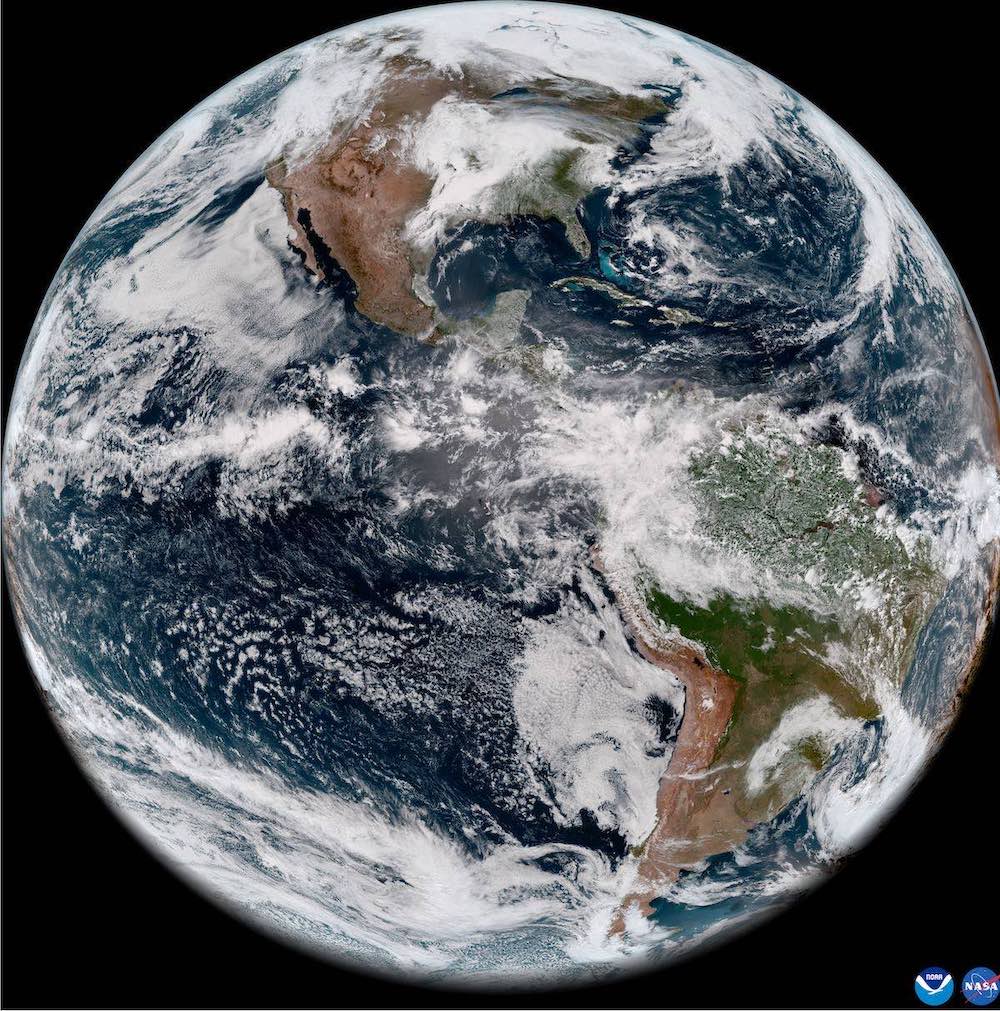
NOAA released the first imagery from the new GOES-18 weather satellite that launched March 1 from Cape Canaveral, and confirmed the spacecraft’s main camera doesn’t suffer the same cooling system problem that caused degraded vision in an e…
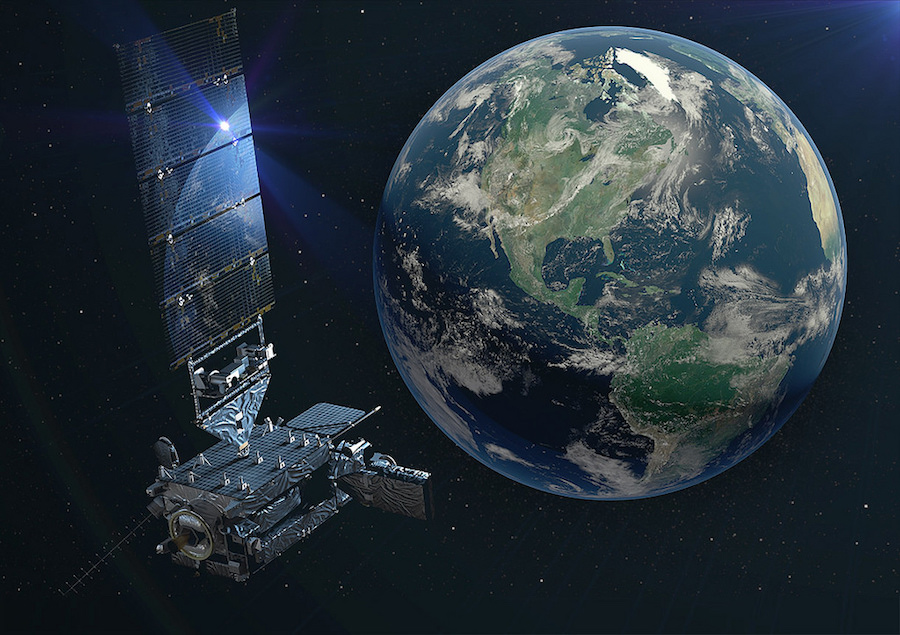
A new NOAA weather satellite that launched from Cape Canaveral last week has resumed orbit-raising after the spacecraft aborted its first major post-launch maneuver, moving toward its operational geostationary orbit more than 22,000 miles …
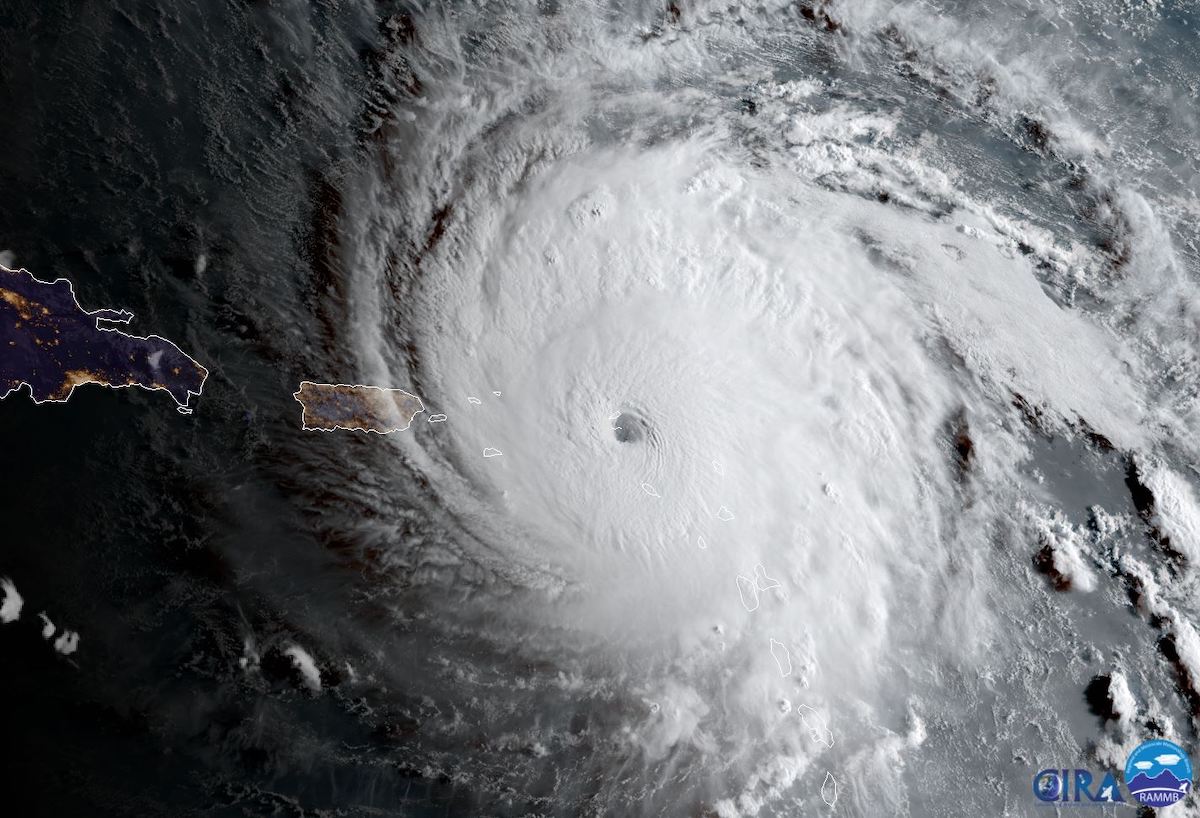
A new NOAA weather satellite destined to track cyclones, wildfires, and solar flares from a perch high above the Western United States and Pacific Ocean is set for liftoff Tuesday from Cape Canaveral on a United Launch Alliance Atlas 5 roc…
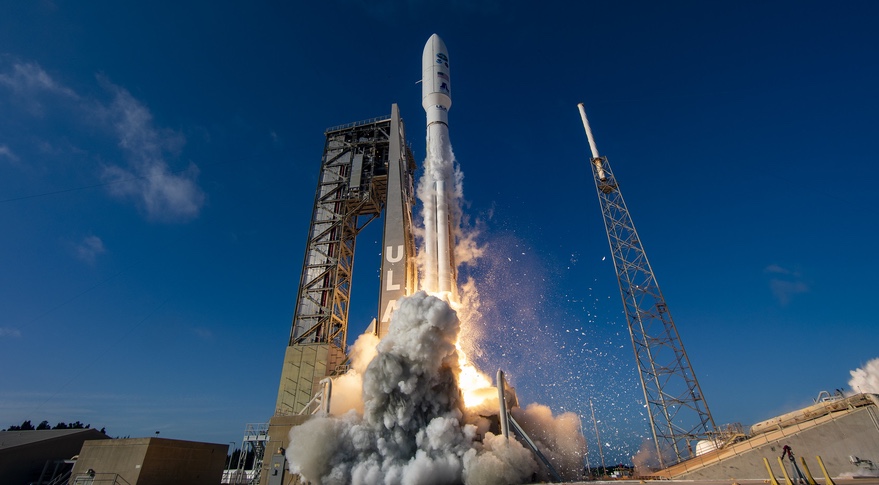
An Atlas 5 successfully launched the latest in a series of geostationary weather satellites March 1, exactly four years after the launch of the satellite it is replacing.
A batch of 27 satellites for the Starlink mega-constellation - SpaceX's project for space-based Internet communication system.
A batch of 24 satellites for the Starlink mega-constellation - SpaceX's project for space-based Internet communication system.
First launch of the Long March 10B rocket and first ever successful rocket booster recovery of a Chinese launch vehicle. Payloads on board is TBD.
A batch of 29 satellites for the Starlink mega-constellation - SpaceX's project for space-based Internet communication system.
Dedicated rideshare flight to a sun-synchronous orbit with dozens of small microsatellites and nanosatellites for commercial and government customers.
20 Low Earth Orbit communication satellites with Ku, Q and V band payloads for the G60 constellation operated by Shanghai Spacesail Technologies with…
A batch of 29 satellites for the Starlink mega-constellation - SpaceX's project for space-based Internet communication system. The Falcon 9 1st st…
18 Low Earth Orbit communication satellites with Ku, Q and V band payloads for the G60 constellation operated by Shanghai Spacesail Technologies with…
Contracted by NASA under the Small Business Innovation Research Phase 3 contract, Katalyst Space Technologies' LINK servicing spacecraft will rendezv…
Amazon Leo, formerly known as Project Kuiper, is a mega constellation of satellites in Low Earth Orbit that will offer broadband internet access, thi…

 View in Flightclub