Astra Rocket 3 | TROPICS-1
Launch Failure
Premature second stage shutdown. Cause is not yet known.L - -- : -- : -- : --
Launch Window
June 12, 2022, 4 p.m. - June 12, 2022, 6 p.m.


June 12, 2022, 4 p.m. - June 12, 2022, 6 p.m.
First two operational (TROPICS-02 & TROPICS-03) satellites for NASA's Time-Resolved Observations of Precipitation Structure and Storm Intensity with a Constellation of SmallSats (TROPICS) mission. The CubeSats are designed to provide rapid-refresh microwave measurements that can be used to determine temperature, pressure, and humidity inside hurricanes as they form and evolve.
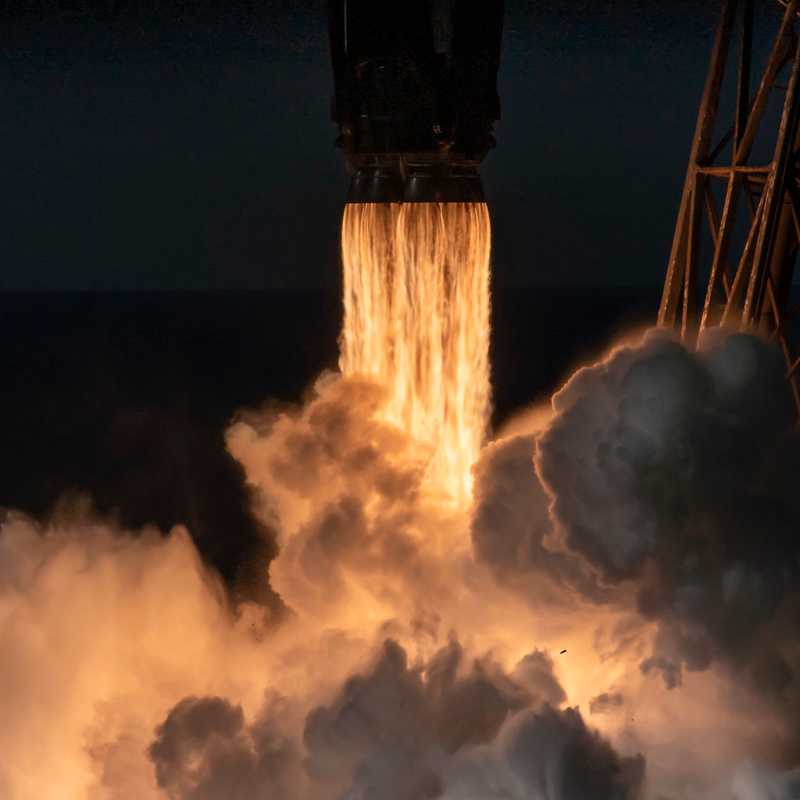
Second stage shut down prematurely resulting in the loss of the mission.
Liftoff
Hold released. New T-0 of 17:43 UTC
Holding again at T-01:30
Hold released, new T-0 of 16:12 UTC
Astra Rocket 3.0 is the third version and first orbital version of Astra Space's small satellite launch vehicle. It is designed to carry 100kg in LEO.

An investigation into a failed Astra launch last June concluded that a complex series of events caused a fuel leak that kept the rocket’s upper stage from reaching orbit.

Astra has concluded its investigation into the TROPICS-1 mishap that occurred on June 12, 2022, after six months of rigorous testing and analysis.
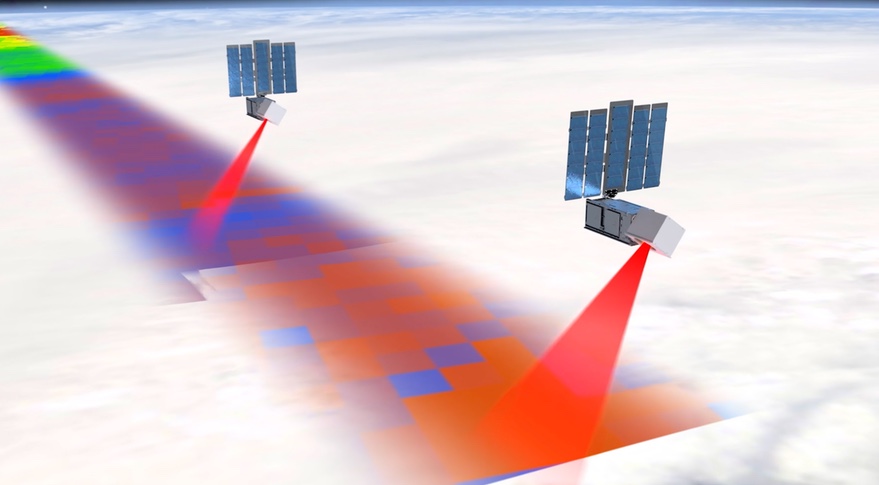
NASA is investigating alternative ways to launch four Earth science cubesats after Astra discontinued the rocket originally contracted to launch them.

Two small NASA hurricane research satellites were destroyed after launch Sunday from Cape Canaveral when their commercial rocket, provided by Astra, prematurely shut down its upper stage engine before reaching the mission’s target orbit.
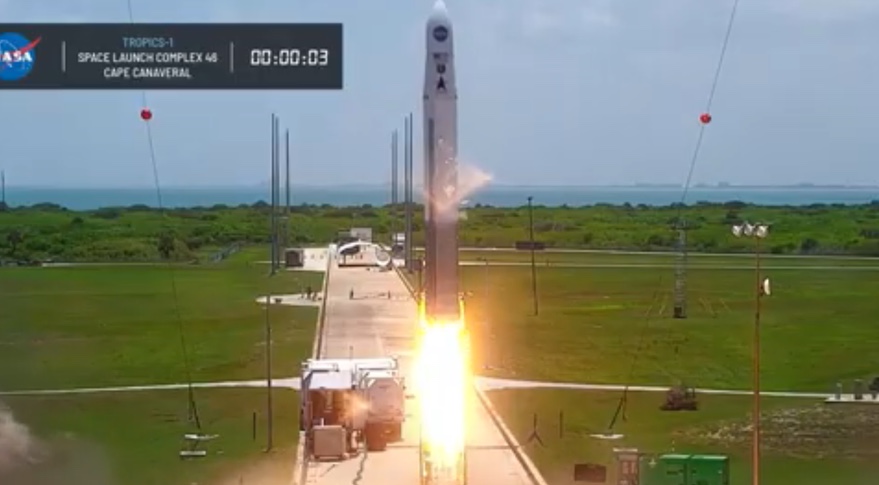
An Astra launch of two NASA cubesats to monitor tropical storms failed June 12 when the rocket’s upper stage shut down prematurely.
AST SpaceMobile’s Block 2 BlueBird satellites are designed to deliver up to 10 times the bandwidth capacity of the BlueBird Block 1 satellites, requi…
2 hyper-spectral Earth observation satellites from Chinese company STAR.VISION. Both satellites are built in corporation with foreign customers: *…
A batch of 24 satellites for the Starlink mega-constellation - SpaceX's project for space-based Internet communication system.
A batch of 9 Low Earth Orbit communication satellites for the Chinese state owned SatNet constellation operated by the China Satellite Network Group.…
A batch of 24 satellites for the Starlink mega-constellation - SpaceX's project for space-based Internet communication system.
Classified payload for the US National Reconnaissance Office.
2 Chinese classified satellites claimed to be for communication technology test purposes. Actual mission not known.
Tianlian is a Chinese data tracking and relay communications geostationary satellite series. The TL-3 (Tian Lian 3) satellites are the 3rd generation…
A batch of 24 satellites for the Starlink mega-constellation - SpaceX's project for space-based Internet communication system.
13th test flight of the two-stage Starship launch vehicle. Second flight of Starship V3. For the first time, Starship will carry 20 V3 Starlink sa…