Astra Rocket 3 | Spaceflight Astra-1
Launch Successful
L - -- : -- : -- : --
Launch Window
March 15, 2022, 4:22 p.m. - March 15, 2022, 4:51 p.m.


March 15, 2022, 4:22 p.m. - March 15, 2022, 4:51 p.m.
S4 CROSSOVER is a technology demonstration mission to obtain flight heritage testing for a prototype payload host platform. It will test supporting future payloads, including a Globalstar transmitter and an Iridium transceiver, as well space environmental instruments to characterize the radiation and plasma densities to which the payloads will be exposed. S4 CROSSOVER is self powered and operates independently of the Astra second stage to which it is permanently attached. Re-manifested from SXRS-6 / Transporter-3, OreSat0 is a fully open source CubeSat satellite system built from scratch by students at Portland State University. Slated to be Oregon’s first satellite, the 1U CubeSat provides flight heritage for the modular, expandable, open source, and education-friendly OreSat bus. OreSat0 paves the way for OreSat, a NASA CSLI program 2U CubeSat with a global climate science and STEM outreach mission.

S/C separation confirmed and signals received by clients.

Liftoff of LV0009 for the Astra Spaceflight-1 mission
Scrubbed due to weather violations.
Webcast live
New launch time.
Astra Rocket 3.0 is the third version and first orbital version of Astra Space's small satellite launch vehicle. It is designed to carry 100kg in LEO.
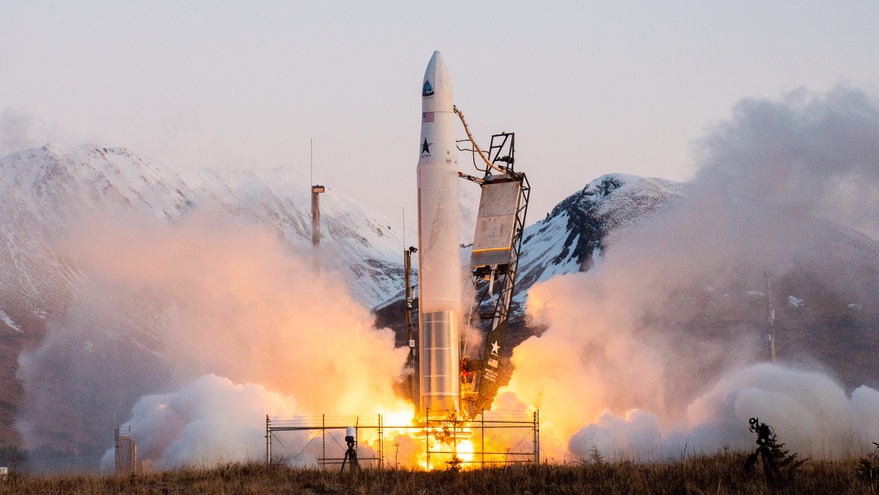
Swarm Technologies was the unidentified customer of an Astra Space launch this month that placed 16 of its tiny satellites into orbit.

Astra’s small satellite launcher returned to flight Tuesday and delivered an unspecified number of small satellites into orbit after a successful liftoff from Alaska, helping clear the way for a series of three launches for NASA in the com…
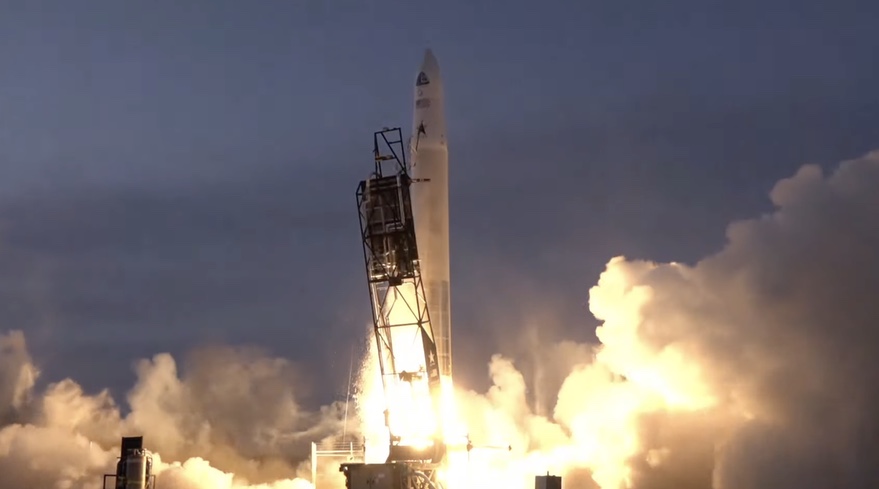
Astra successfully returned its Rocket 3.3 vehicle to flight March 15, placing several payloads into low Earth orbit.

Rocket 3.3, the first Astra rocket to successfully launch to orbit, has successfully returned to flight in what was a closely watched mission just over one month after ELaNa-41 failed during fairing and stage separation. The launch took pl…
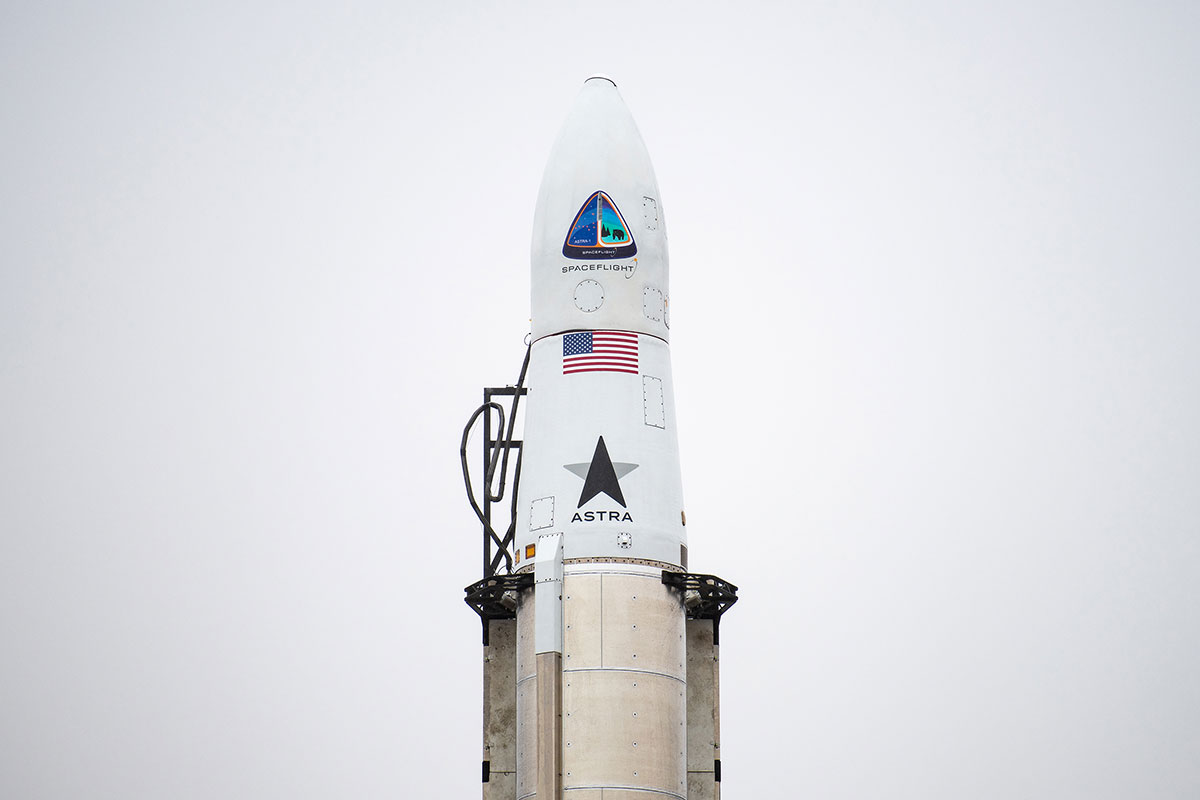
Astra engineers identified two problems — an electrical design issue and a software glitch — that prevented a rocket from reaching orbit last month with a suite of NASA-sponsored CubeSats, clearing the way for a return-to-flight mission th…
QZSS (Quasi Zenith Satellite System) is a Japanese satellite navigation system operating from inclined, elliptical geosynchronous orbits to achieve o…
Chinese communication geostationary satellite for unknown purposes.
A batch of 24 satellites for the Starlink mega-constellation - SpaceX's project for space-based Internet communication system.
Synthetic aperture radar Earth observation satellite for Japanese Earth imaging company iQPS.
AST SpaceMobile’s Block 2 BlueBird satellites are designed to deliver up to 10 times the bandwidth capacity of the BlueBird Block 1 satellites, requi…
2 hyper-spectral Earth observation satellites from Chinese company STAR.VISION. Both satellites are built in corporation with foreign customers: *…
A batch of 24 satellites for the Starlink mega-constellation - SpaceX's project for space-based Internet communication system.
A batch of 9 Low Earth Orbit communication satellites for the Chinese state owned SatNet constellation operated by the China Satellite Network Group.…
A batch of 24 satellites for the Starlink mega-constellation - SpaceX's project for space-based Internet communication system.
Classified payload for the US National Reconnaissance Office.