EVA
US EVA-93
International Space Station International Space Station Expedition 71
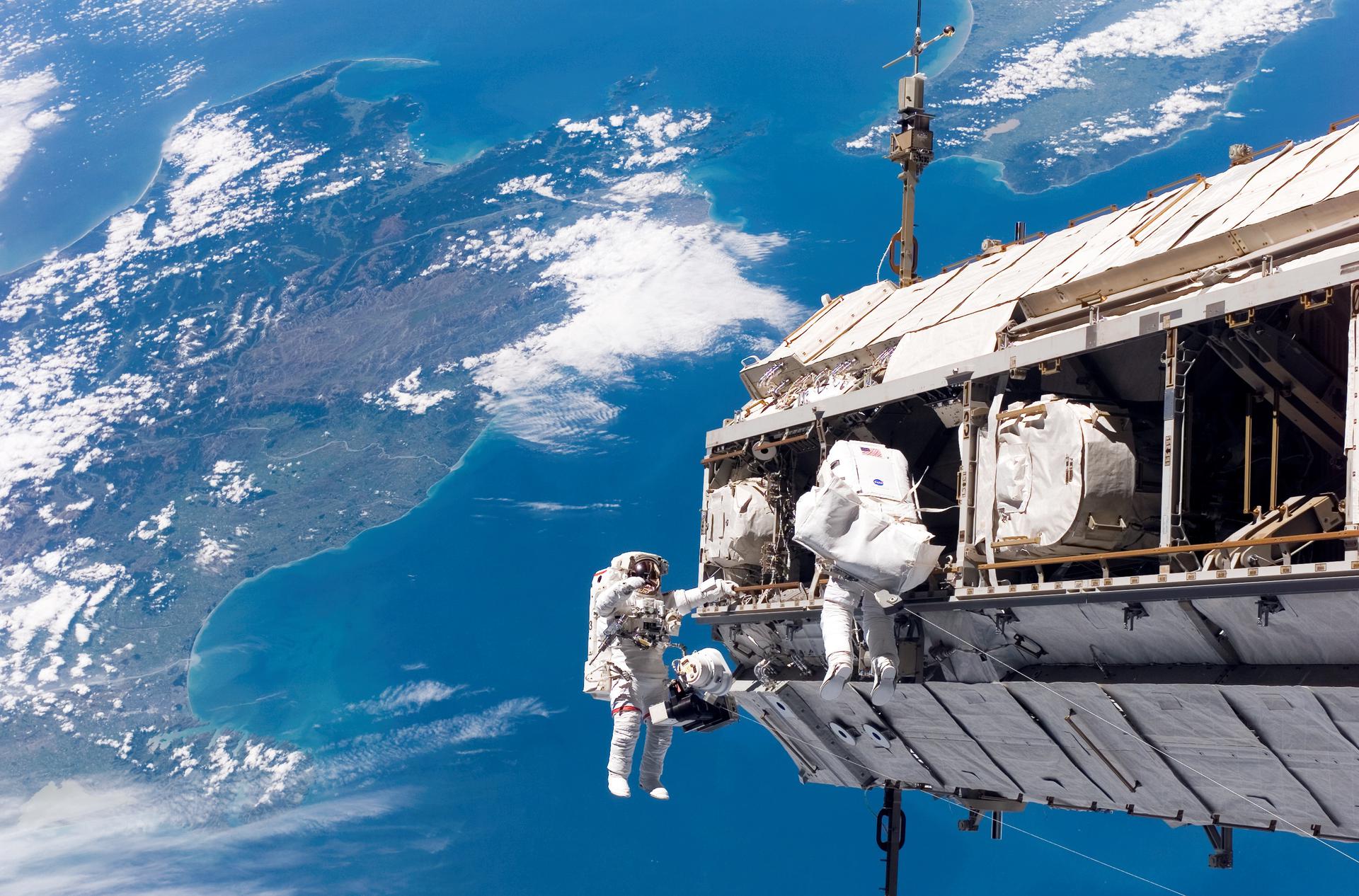
NASA astronauts Anne McClain and Nichole Ayers will relocate a space station communications antennae and install a mounting bracket ahead of the installation of an additional set of International Space Station Rollout Solar Arrays, also called IROSA. The arrays will boost power generation capability by up to 30%, increasing the station’s total available power from 160 kilowatts to up to 215 kilowatts. The arrays will be installed on a future spacewalk following their arrival on a SpaceX Dragon commercial resupply services mission later this year.
McClain will serve as spacewalk crew member 1 and will wear a suit with red stripes. Ayers will serve as spacewalk crew member 2 and will wear an unmarked suit. This will be the third spacewalk for McClain and the first for Ayers. U.S. spacewalk 93 will be the 275th spacewalk in support of space station assembly, maintenance, and upgrades.
Updates

LL2 • May 1, 2025, 10:29 a.m.
Official Webcast by NASA has started

Cosmic_Penguin • April 21, 2025, 5:41 p.m.
Updated EVA time.

Nosu • April 20, 2025, 7:41 a.m.
Targeting May 1, 2025
Cosmic_Penguin • Sept. 18, 2024, 2:06 a.m.
NET December 2024.
Cosmic_Penguin • June 14, 2024, 9:07 a.m.
Updated EVA timing.
Related Information
International Space Station
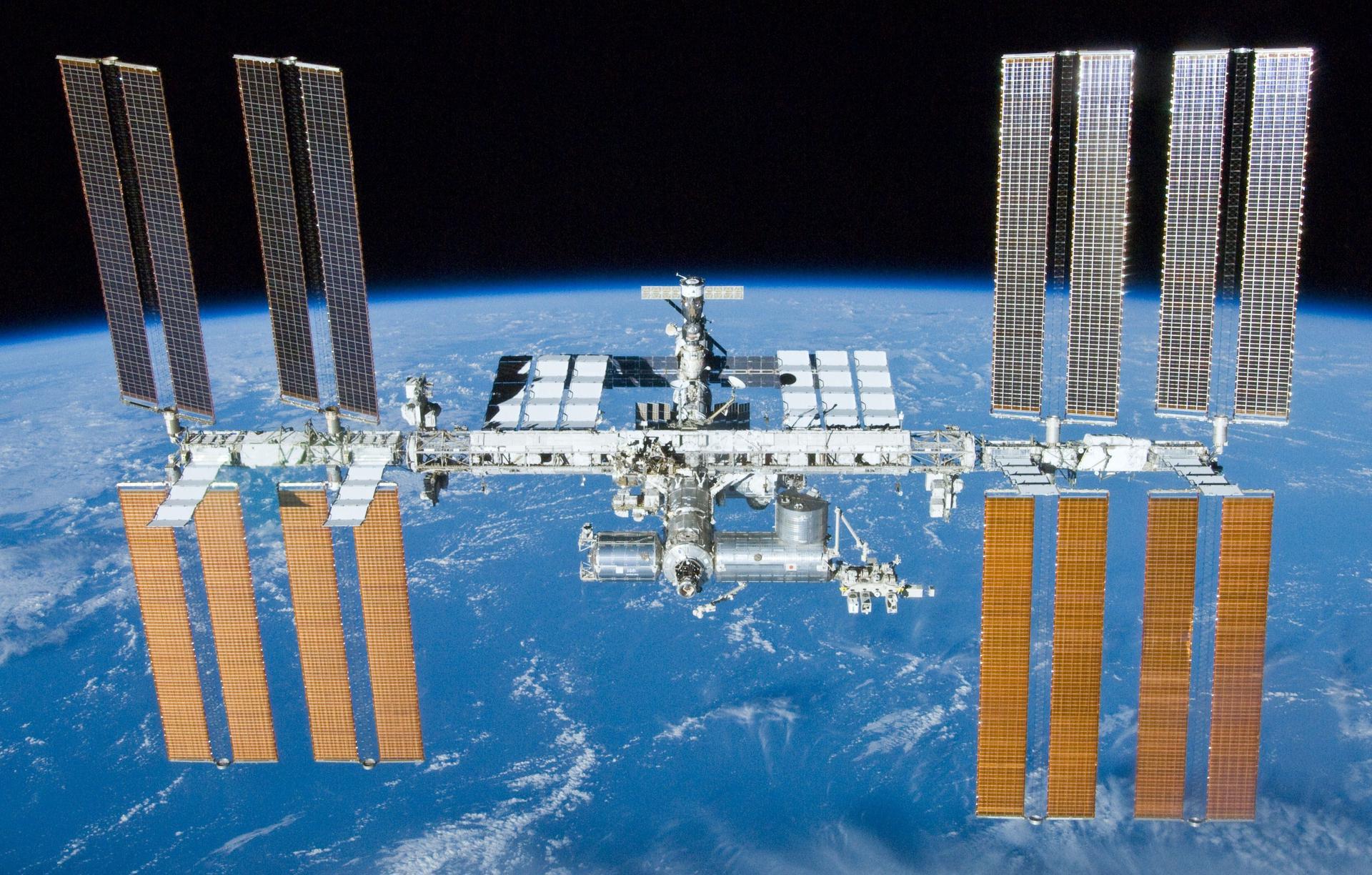
Low Earth Orbit Government Founded: Nov. 20, 1998 Mass: 419.7T Volume: 931 m³
Status - Active
The International Space Station (ISS) is a space station, or a habitable artificial satellite, in low Earth orbit. Its first component was launched into orbit in 1998, with the first long-term residents arriving in November 2000. It has been inhabited continuously since that date. The last pressurised module was fitted in 2011, and an experimental inflatable space habitat was added …
Falcon 9
Starlink Group 17-38
Space Launch Complex 4E - Vandenberg SFB, CA, USAA batch of 24 satellites for the Starlink mega-constellation - SpaceX's project for space-based Internet communication system.
Electron
The Grain Goddess Provides (iQPS Launch 7)
Rocket Lab Launch Complex 1A - Rocket Lab Launch Complex 1, Mahia Peninsula, New ZealandSynthetic aperture radar Earth observation satellite for Japanese Earth imaging company iQPS.
Falcon 9
BlueBird 11-13 (Block 2 #6-8)
Space Launch Complex 40 - Cape Canaveral SFS, FL, USAAST SpaceMobile’s Block 2 BlueBird satellites are designed to deliver up to 10 times the bandwidth capacity of the BlueBird Block 1 satellites, requi…
Smart Dragon 3
OSE HS-01 & 02
Haiyang offshore launch location - Haiyang Oriental Spaceport2 hyper-spectral Earth observation satellites from Chinese company STAR.VISION. Both satellites are built in corporation with foreign customers: *…
Falcon 9
Starlink Group 17-53
Space Launch Complex 4E - Vandenberg SFB, CA, USAA batch of 24 satellites for the Starlink mega-constellation - SpaceX's project for space-based Internet communication system.
Long March 8A
SatNet LEO Group 23
Commercial LC-1 - Wenchang Space Launch Site, People's Republic of ChinaA batch of 9 Low Earth Orbit communication satellites for the Chinese state owned SatNet constellation operated by the China Satellite Network Group.…
Falcon 9
Starlink Group 17-52
Space Launch Complex 4E - Vandenberg SFB, CA, USAA batch of 24 satellites for the Starlink mega-constellation - SpaceX's project for space-based Internet communication system.
Falcon 9
NROL-95
Space Launch Complex 40 - Cape Canaveral SFS, FL, USAClassified payload for the US National Reconnaissance Office.
Long March 6A
TJSW-27A & B
Launch Complex 9A - Taiyuan Satellite Launch Center, People's Republic of China2 Chinese classified satellites claimed to be for communication technology test purposes. Actual mission not known.
Long March 7A
Tianlian 3-01
201 - Wenchang Space Launch Site, People's Republic of ChinaTianlian is a Chinese data tracking and relay communications geostationary satellite series. The TL-3 (Tian Lian 3) satellites are the 3rd generation…

