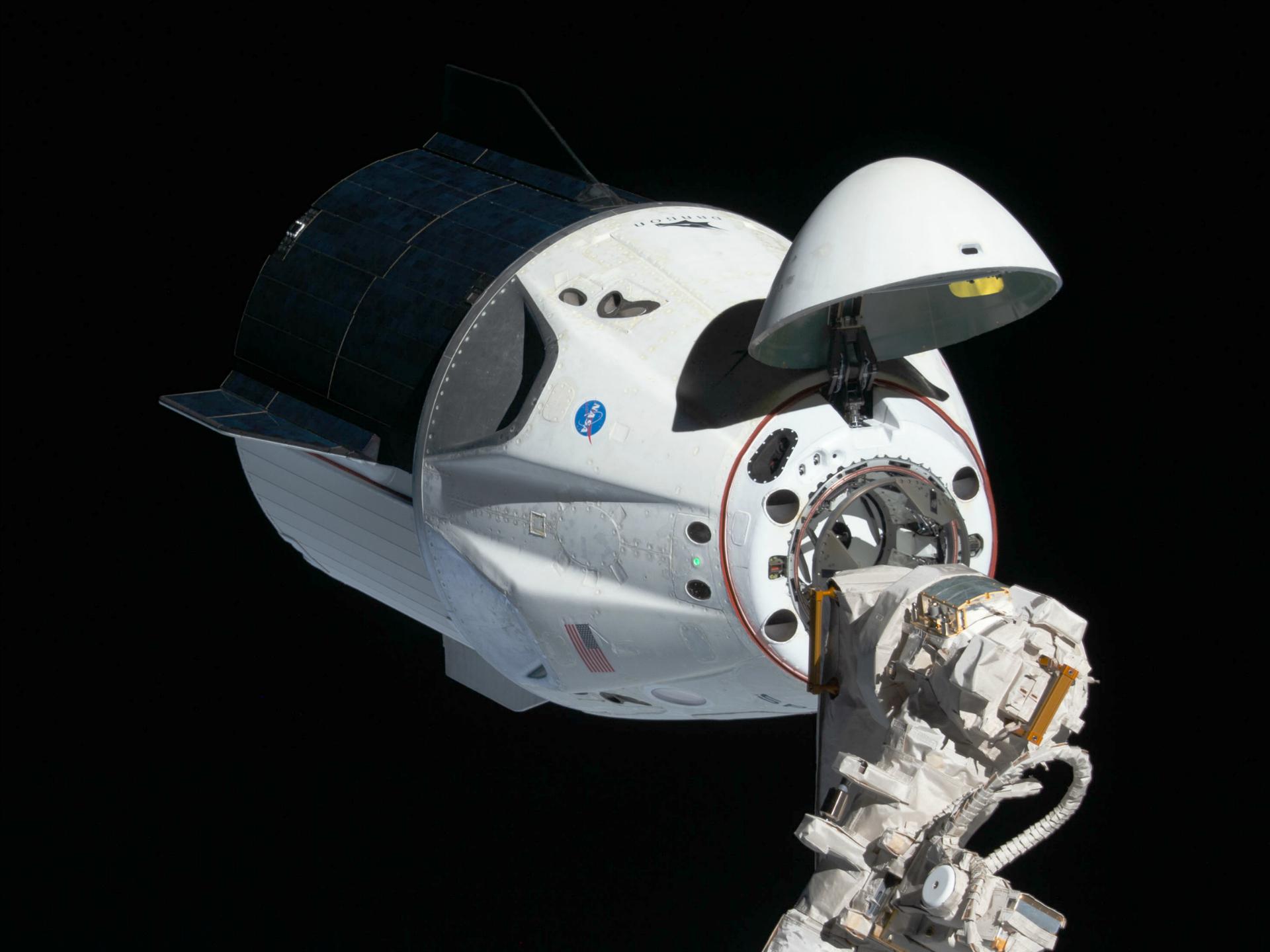
Spacecraft Undocking
SpaceX DM-2 Crew Dragon Undocking
International Space Station International Space Station Falcon 9 Block 5 | SpX-DM2 (Demonstration Mission 2) Expedition 63
The first crewed SpaceX Crew Dragon will undock from the International Space Station on August 1. Aboard the spacecraft will be NASA astronauts Douglas Hurley and Robert Behnken. It will then reenter the Earth's atmosphere and splashdown in the Atlantic Ocean.
Related Information
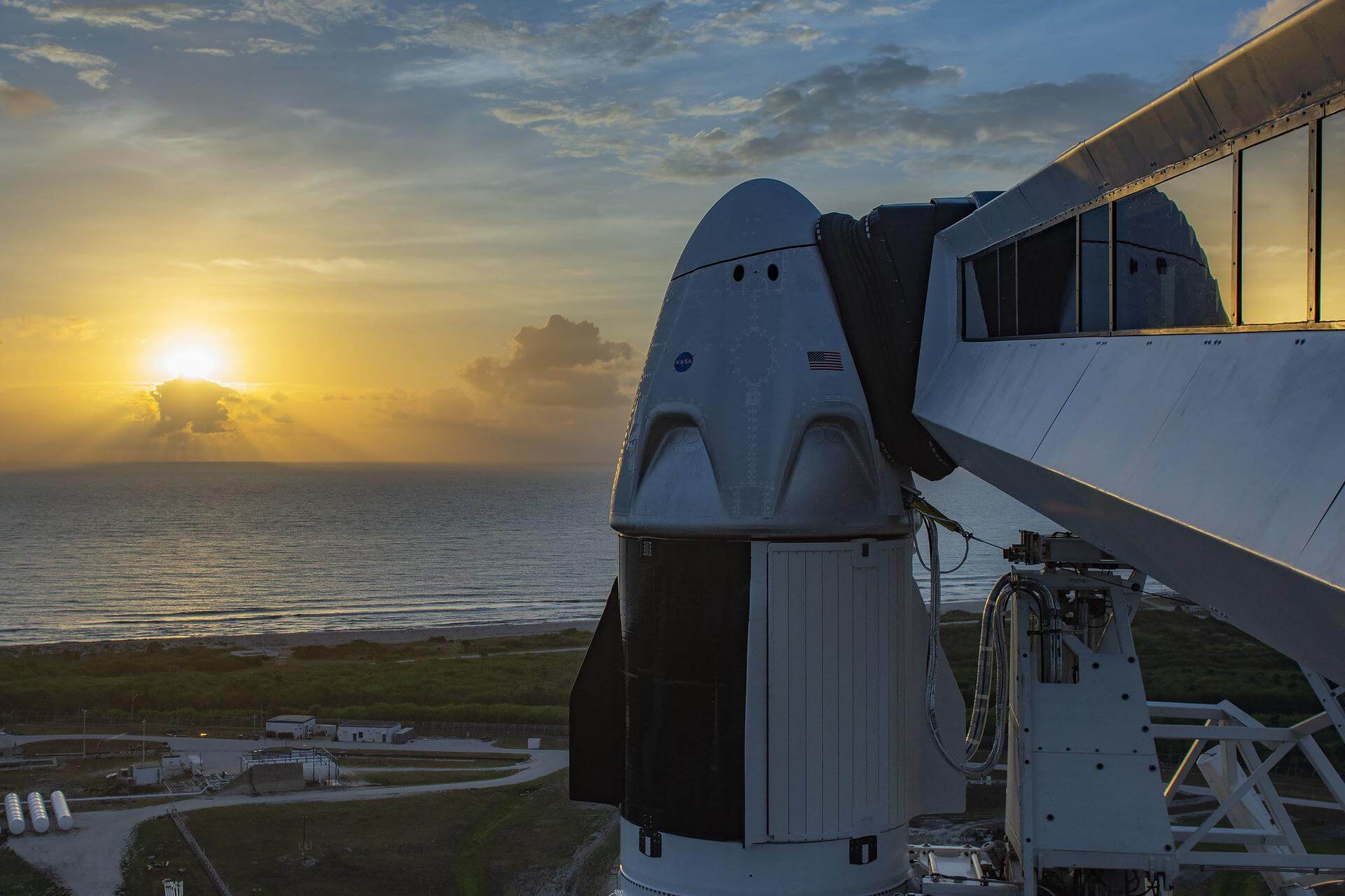
Falcon 9 Block 5 | SpX-DM2 (Demonstration Mission 2)
SpaceX | United States of AmericaKennedy Space Center, FL, USA
May 30, 2020, 7:22 p.m.
Status: Launch Successful
Mission:
A new era of human spaceflight is set to begin as American astronauts once again launch on an American rocket from American soil. The Demo-2 mission is the second test flight of Crew Dragon, and the first flight with crew onboard. It will carry NASA astronauts Robert Behnken and Douglas Hurley to the International Space Station for an extended stay (the specific mission duration will be determined once on station based on the readiness of the next commercial crew launch). They will perform tests on Crew Dragon in addition to conducting research and other tasks with the space station crew. As the final flight test for SpaceX, this mission will validate the company’s crew transportation system, including the launch pad, rocket, spacecraft, and operational capabilities. This also will be the first time NASA astronauts will test the spacecraft systems in orbit. The Demo-2 mission will be the final major step before NASA’s Commercial Crew Program certifies Crew Dragon for operational, long-duration missions to the space station. Current Mission Status: After a successful ride to orbit and stay at the International Space Station, the Dragon Spacecraft successfully made its way back to Earth. Capsule successfully landed in the Gulf of Mexico waters on 3rd August 2020 at 18:48 UTC.
Low Earth Orbit #LaunchAmerica B1058 - Maiden Flight Of Course I Still Love You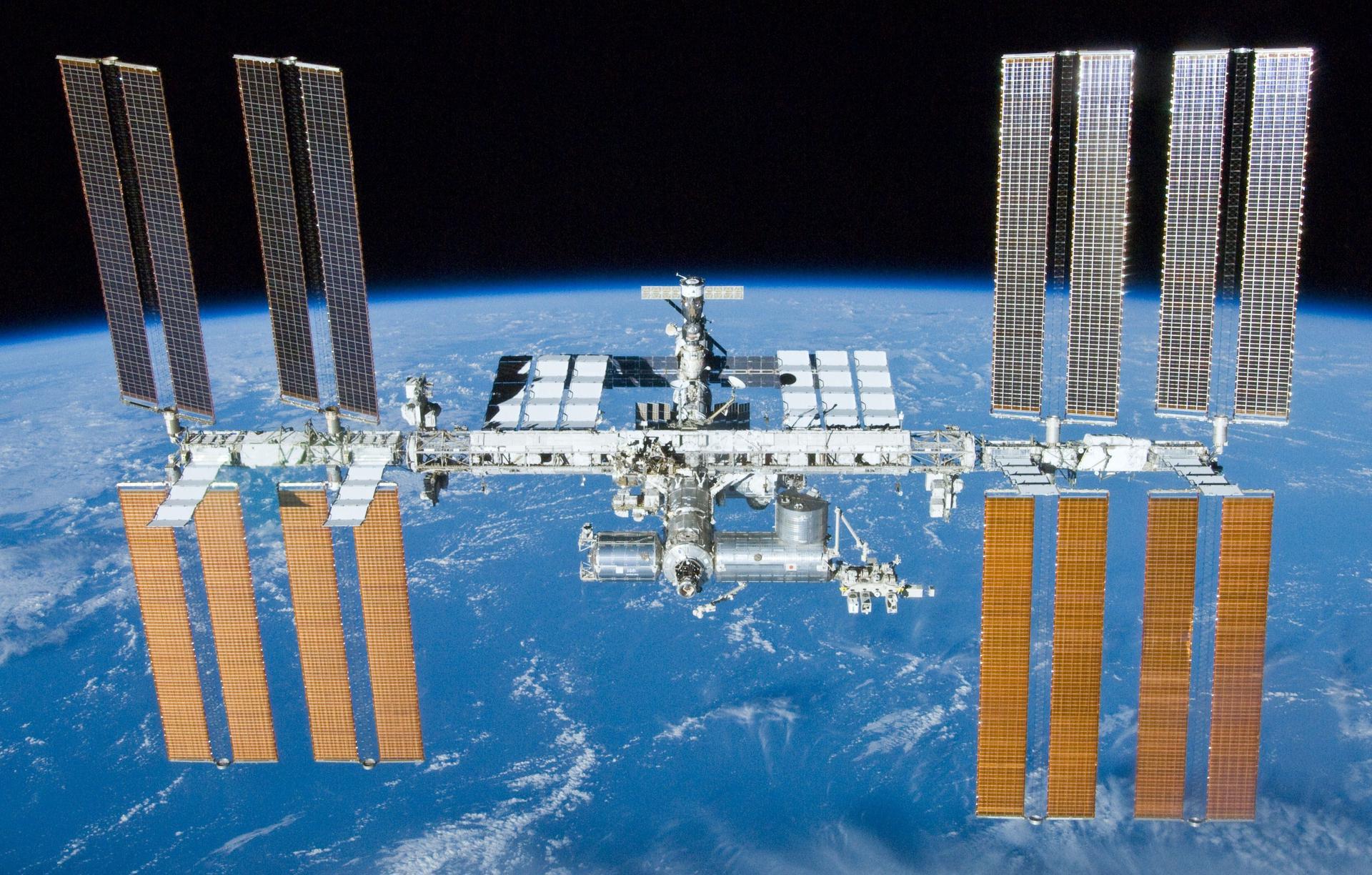
International Space Station
Low Earth Orbit Government Founded: Nov. 20, 1998 Mass: 419.7T Volume: 931 m³
Status - Active
The International Space Station (ISS) is a space station, or a habitable artificial satellite, in low Earth orbit. Its first component was launched into orbit in 1998, with the first long-term residents arriving in November 2000. It has been inhabited continuously since that date. The last pressurised module was fitted in 2011, and an experimental inflatable space habitat was added …
Falcon 9
Starlink Group 10-19
Space Launch Complex 40 - Cape Canaveral SFS, FL, USAA batch of 29 satellites for the Starlink mega-constellation - SpaceX's project for space-based Internet communication system.
H3-22
Michibiki 7 (QZS-7)
Yoshinobu Launch Complex LP-2 - Tanegashima Space Center, JapanQZSS (Quasi Zenith Satellite System) is a Japanese satellite navigation system operating from inclined, elliptical geosynchronous orbits to achieve o…
Long March 7A
ChinaSat 4B
201 - Wenchang Space Launch Site, People's Republic of ChinaChinese communication geostationary satellite for unknown purposes.
Falcon 9
Starlink Group 17-38
Space Launch Complex 4E - Vandenberg SFB, CA, USAA batch of 24 satellites for the Starlink mega-constellation - SpaceX's project for space-based Internet communication system.
Electron
The Grain Goddess Provides (iQPS Launch 7)
Rocket Lab Launch Complex 1A - Rocket Lab Launch Complex 1, Mahia Peninsula, New ZealandSynthetic aperture radar Earth observation satellite for Japanese Earth imaging company iQPS.
Falcon 9
BlueBird 11-13 (Block 2 #6-8)
Space Launch Complex 40 - Cape Canaveral SFS, FL, USAAST SpaceMobile’s Block 2 BlueBird satellites are designed to deliver up to 10 times the bandwidth capacity of the BlueBird Block 1 satellites, requi…
Smart Dragon 3
OSE HS-01 & 02
Haiyang offshore launch location - Haiyang Oriental Spaceport2 hyper-spectral Earth observation satellites from Chinese company STAR.VISION. Both satellites are built in corporation with foreign customers: *…
Falcon 9
Starlink Group 17-53
Space Launch Complex 4E - Vandenberg SFB, CA, USAA batch of 24 satellites for the Starlink mega-constellation - SpaceX's project for space-based Internet communication system.
Long March 8A
SatNet LEO Group 23
Commercial LC-1 - Wenchang Space Launch Site, People's Republic of ChinaA batch of 9 Low Earth Orbit communication satellites for the Chinese state owned SatNet constellation operated by the China Satellite Network Group.…
Falcon 9
Starlink Group 17-52
Space Launch Complex 4E - Vandenberg SFB, CA, USAA batch of 24 satellites for the Starlink mega-constellation - SpaceX's project for space-based Internet communication system.

