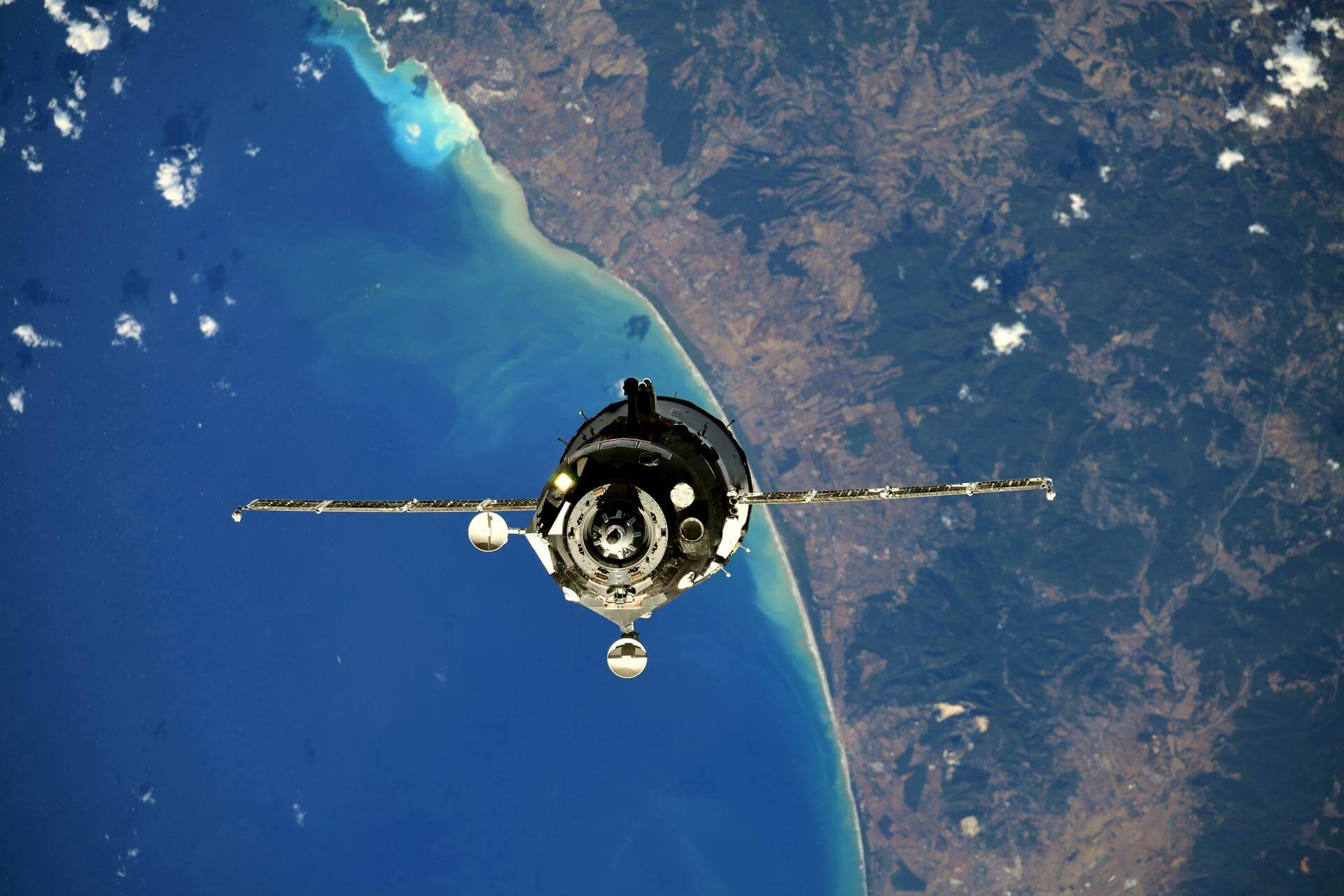
Docking
Soyuz MS-13 Docking
International Space Station International Space Station Soyuz-FG | Soyuz MS-13 Expedition 60
Launching from Baikonur Cosmodrome in Kazakhstan in July 2019, Soyuz MS-13 is expected to bring three more people to the International Space Station: Russian cosmonaut Aleksandr Skvortsov, European Space Agency astronaut Luca Parmitano and NASA astronaut Drew Morgan.
Related Information
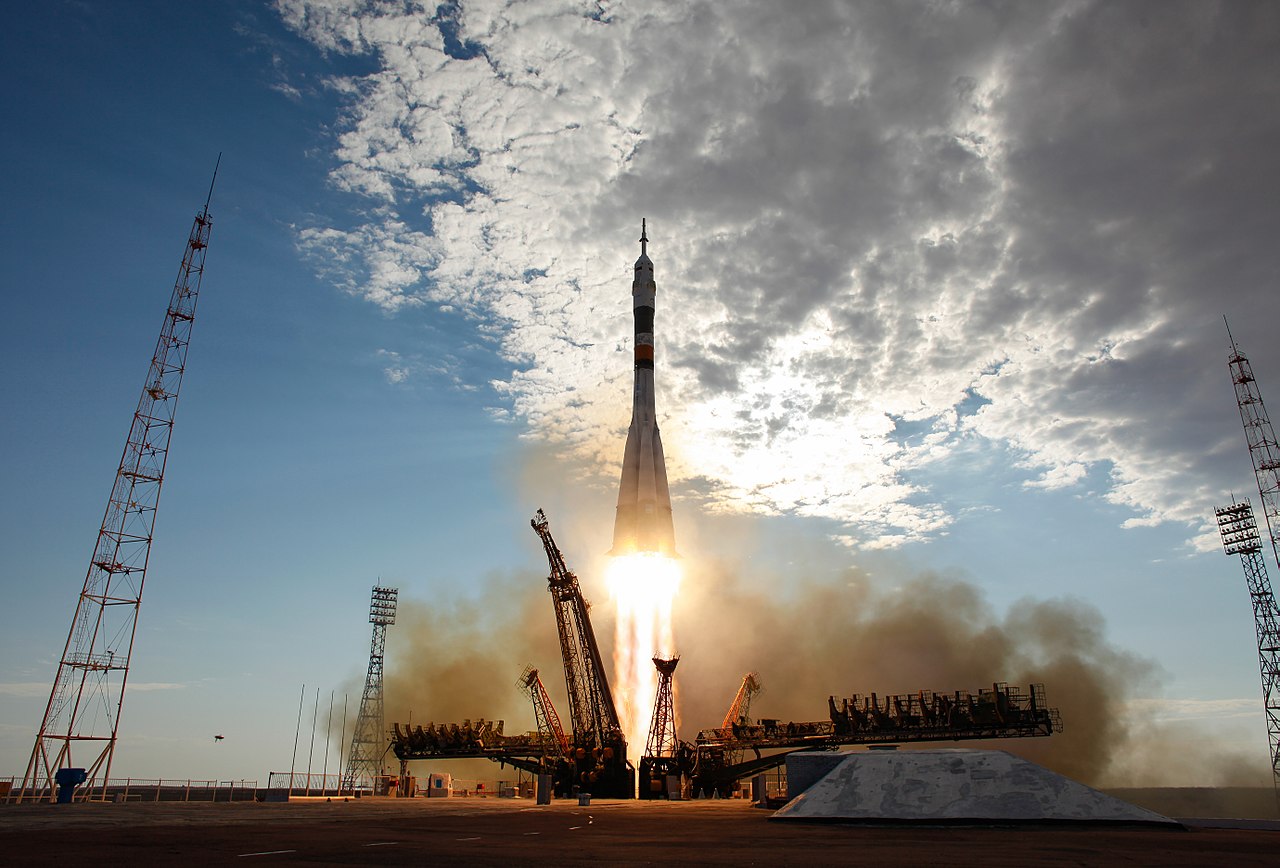
Soyuz-FG | Soyuz MS-13
Progress Rocket Space Center | RussiaBaikonur Cosmodrome, Republic of Kazakhstan
July 20, 2019, 4:28 p.m.
Status: Launch Successful
Mission:
Soyuz MS-13 begins expedition 60 by carrying NASA astronaut Andrew Morgan, Luca Parmitano of ESA (European Space Agency) and Alexander Skvortsov of the Russian space agency Roscosmos launch to the International Space Station aboard the Soyuz spacecraft from the Baikonur Cosmodrome in Kazakhstan.
Low Earth Orbit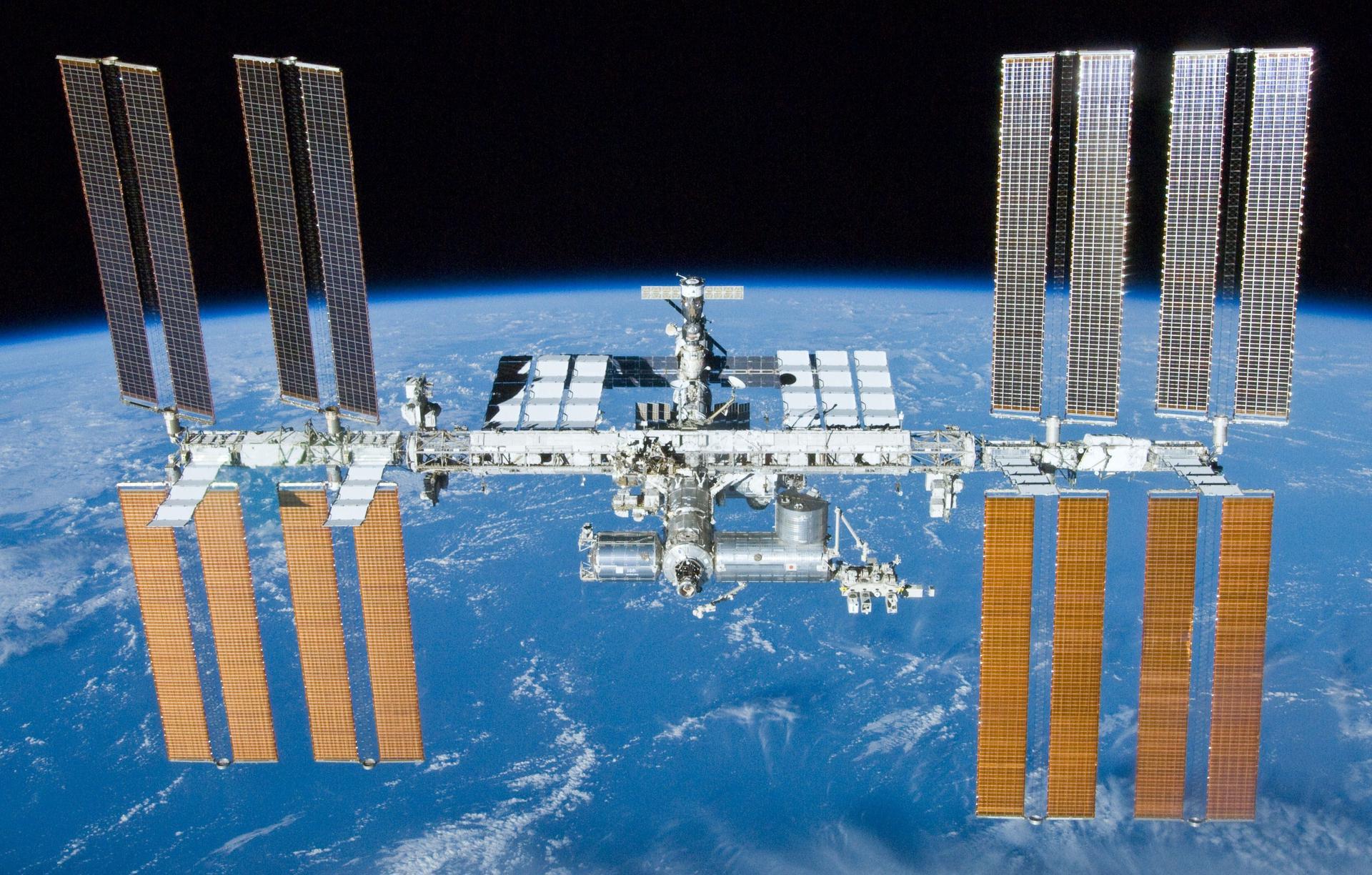
International Space Station
Low Earth Orbit Government Founded: Nov. 20, 1998 Mass: 419.7T Volume: 931 m³
Status - Active
The International Space Station (ISS) is a space station, or a habitable artificial satellite, in low Earth orbit. Its first component was launched into orbit in 1998, with the first long-term residents arriving in November 2000. It has been inhabited continuously since that date. The last pressurised module was fitted in 2011, and an experimental inflatable space habitat was added …
Falcon 9
Project Starfall Demonstration Mission
Space Launch Complex 40 - Cape Canaveral SFS, FL, USANote: Mission profile and payload details are TBD. Demonstration mission for SpaceX’s Project Starfall, which aims to mass-produce reentry capsule…
Long March 7A
TJSW-26A
201 - Wenchang Space Launch Site, People's Republic of ChinaChinese classified satellite claimed to be for communication technology test purposes. Actual mission not known.
Falcon 9
Starlink Group 17-28
Space Launch Complex 4E - Vandenberg SFB, CA, USAA batch of 24 satellites for the Starlink mega-constellation - SpaceX's project for space-based Internet communication system.
Electron
VICTUS HAZE Puma
Rocket Lab Launch Complex 1A - Rocket Lab Launch Complex 1, Mahia Peninsula, New ZealandVICTUS HAZE will see Rocket Lab design, build, launch, and operate a rendezvous proximity operation (RPO) capable spacecraft. U.S. Space Force Space …
Falcon 9
NROL-179
Space Launch Complex 4E - Vandenberg SFB, CA, USAFourteenth batch of satellites for a reconnaissance satellite constellation built by SpaceX and Northrop Grumman for the National Reconnaissance Offi…
Ariane 64
Amazon Leo (LE-03)
Ariane Launch Area 4 - Guiana Space Centre, French GuianaAmazon Leo, formerly known as Project Kuiper, is a mega constellation of satellites in Low Earth Orbit that will offer broadband internet access, thi…
Falcon 9
BlueBird Block 2 #3-5
Space Launch Complex 40 - Cape Canaveral SFS, FL, USAAST SpaceMobile’s Block 2 BlueBird satellites are designed to deliver up to 10 times the bandwidth capacity of the BlueBird Block 1 satellites, requi…
Kuaizhou 11
CentiSpace-1 Group 05
Launch Area 95A - Jiuquan Satellite Launch Center, People's Republic of ChinaNote: Unofficial reports indicate there may be 1 or more additional satellites that failed to separate from the upper stage, however this is not offi…
Long March 12
SatNet LEO Group 22
Commercial LC-2 - Wenchang Space Launch Site, People's Republic of ChinaA batch of 9 Low Earth Orbit communication satellites for the Chinese state owned SatNet constellation operated by the China Satellite Network Group.…
Long March 3B/E
Shijian 31
Launch Complex 2 (LC-2) - Xichang Satellite Launch Center, People's Republic of ChinaClassified experimental Chinese satellite of unknown purposes (officially described for "spatial environment detection" purposes).

