Spacecraft Undocking
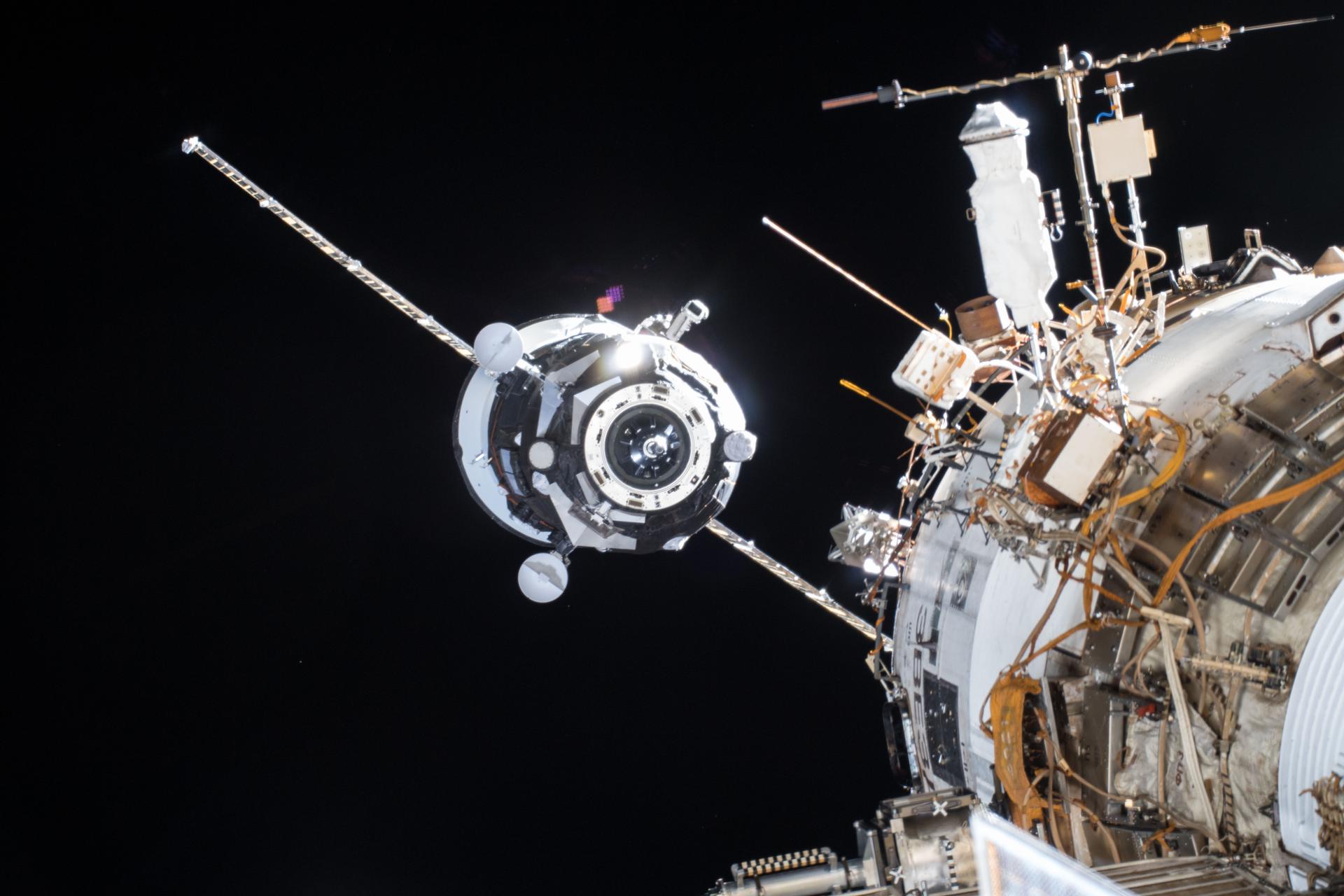
Progress MS-20 Undocking
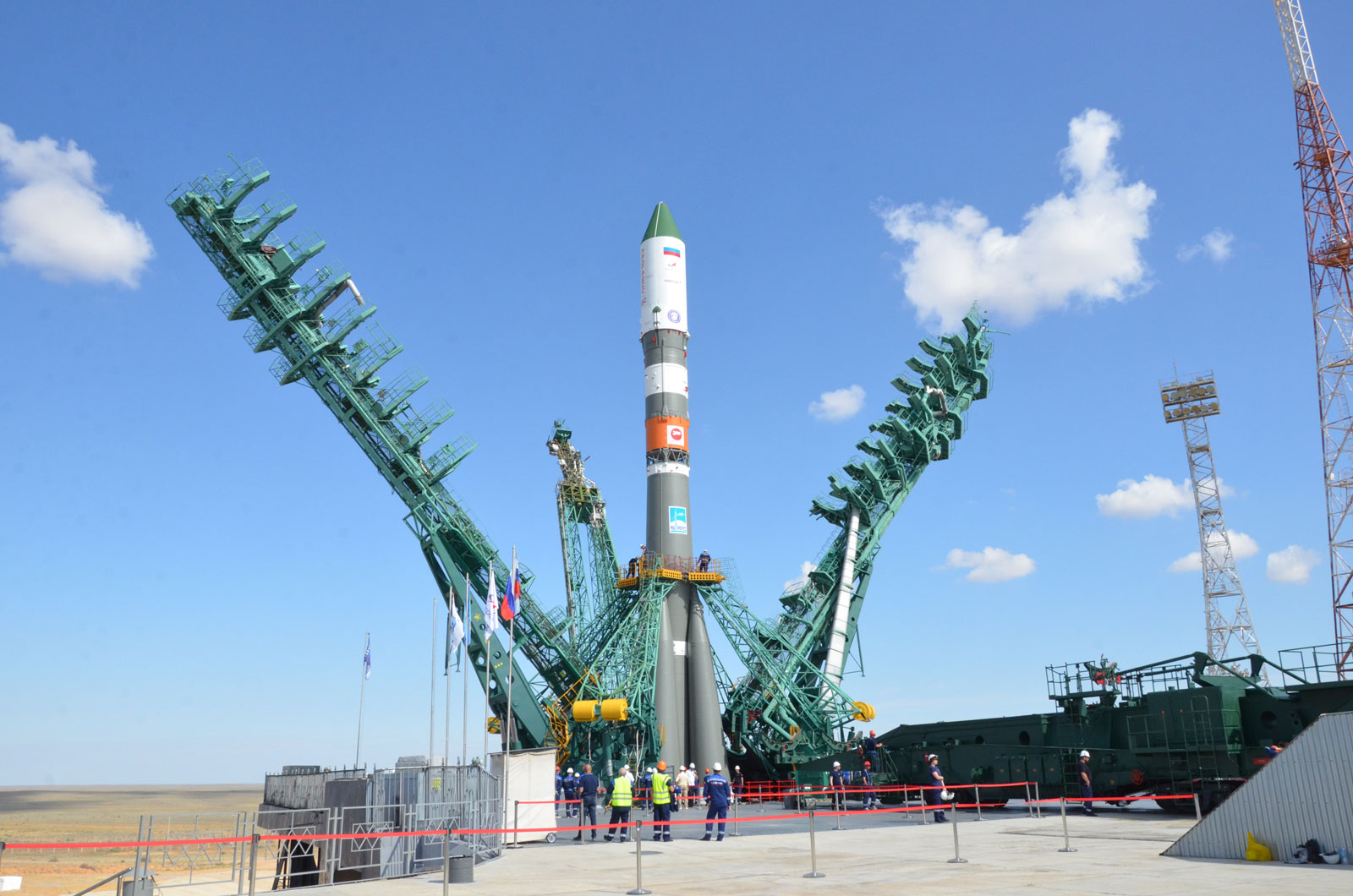
International Space Station International Space Station Soyuz 2.1a | Progress MS-20 (81P)
The Progress MS-20 spacecraft will undock from the Zvezda module of the International Space Station.
It will then de-orbit and burn up in the atmosphere.
Updates

Cosmic_Penguin • Jan. 27, 2023, 4:13 p.m.
Updated undocking date/time.
Related Information
International Space Station
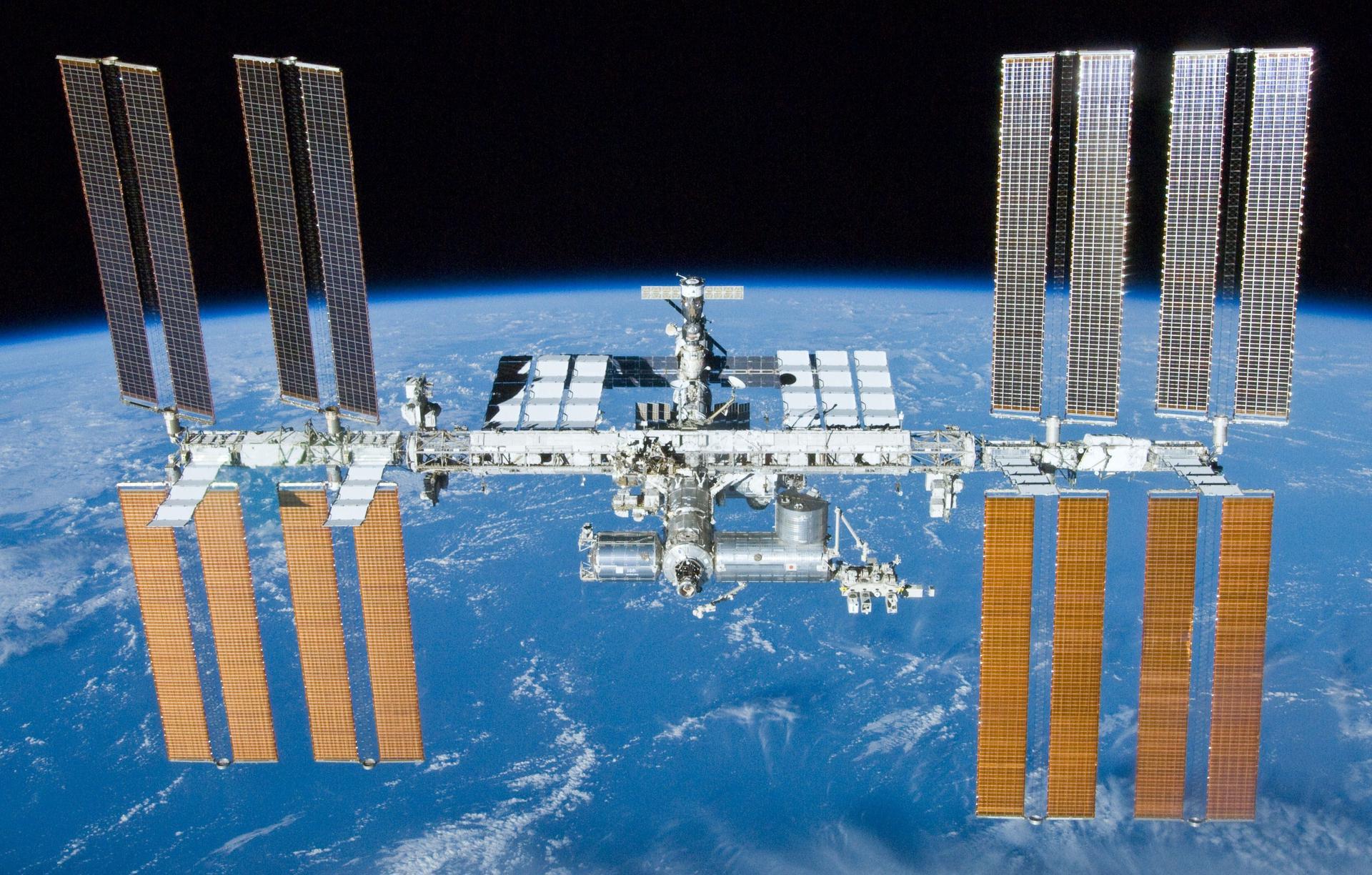
Low Earth Orbit Government Founded: Nov. 20, 1998 Mass: 419.7T Volume: 931 m³
Status - Active
The International Space Station (ISS) is a space station, or a habitable artificial satellite, in low Earth orbit. Its first component was launched into orbit in 1998, with the first long-term residents arriving in November 2000. It has been inhabited continuously since that date. The last pressurised module was fitted in 2011, and an experimental inflatable space habitat was added …
Vikram-I
Demo Flight
Satish Dhawan Space Centre First Launch Pad - Satish Dhawan Space Centre, IndiaFirst launch of Skyroot Aerospace's Vikram-I launch vehicle. This first launch will carry 4 payloads: - Grahaa Space's SOLARAS S3 satellite - C…
Falcon 9
SDA Tranche 1 Transport Layer E
Space Launch Complex 4E - Vandenberg SFB, CA, USATranche 1 Transport Layer E is one of six missions by the United States Space Force Space Development Agency (SDA) for the Proliferated Warfighter Sp…
Soyuz 2.1a
Soyuz MS-29
31/6 - Baikonur Cosmodrome, Republic of KazakhstanSoyuz MS-29 will carry three cosmonauts and one astronaut to the International Space Station aboard the Soyuz spacecraft from the Baikonur Cosmodrome…
Falcon 9
Starlink Group 10-45
Space Launch Complex 40 - Cape Canaveral SFS, FL, USAA batch of 29 satellites for the Starlink mega-constellation - SpaceX's project for space-based Internet communication system.
Falcon 9
Starlink Group 15-14
Space Launch Complex 4E - Vandenberg SFB, CA, USAA batch of 27 satellites for the Starlink mega-constellation - SpaceX's project for space-based Internet communication system.
Falcon 9
Starlink Group 17-48
Space Launch Complex 4E - Vandenberg SFB, CA, USAA batch of 24 satellites for the Starlink mega-constellation - SpaceX's project for space-based Internet communication system.
Long March 10B
Demo Flight
Commercial LC-2 - Wenchang Space Launch Site, People's Republic of ChinaFirst launch of the Long March 10B rocket and first ever successful rocket booster recovery of a Chinese launch vehicle. Payloads on board is TBD.
Falcon 9
Starlink Group 10-42
Space Launch Complex 40 - Cape Canaveral SFS, FL, USAA batch of 29 satellites for the Starlink mega-constellation - SpaceX's project for space-based Internet communication system.
Falcon 9
Transporter 17 (Dedicated SSO Rideshare)
Space Launch Complex 4E - Vandenberg SFB, CA, USADedicated rideshare flight to a sun-synchronous orbit with dozens of small microsatellites and nanosatellites for commercial and government customers.
Long March 8A
SpaceSail Polar Group #14
Commercial LC-1 - Wenchang Space Launch Site, People's Republic of China20 Low Earth Orbit communication satellites with Ku, Q and V band payloads for the G60 constellation operated by Shanghai Spacesail Technologies with…

