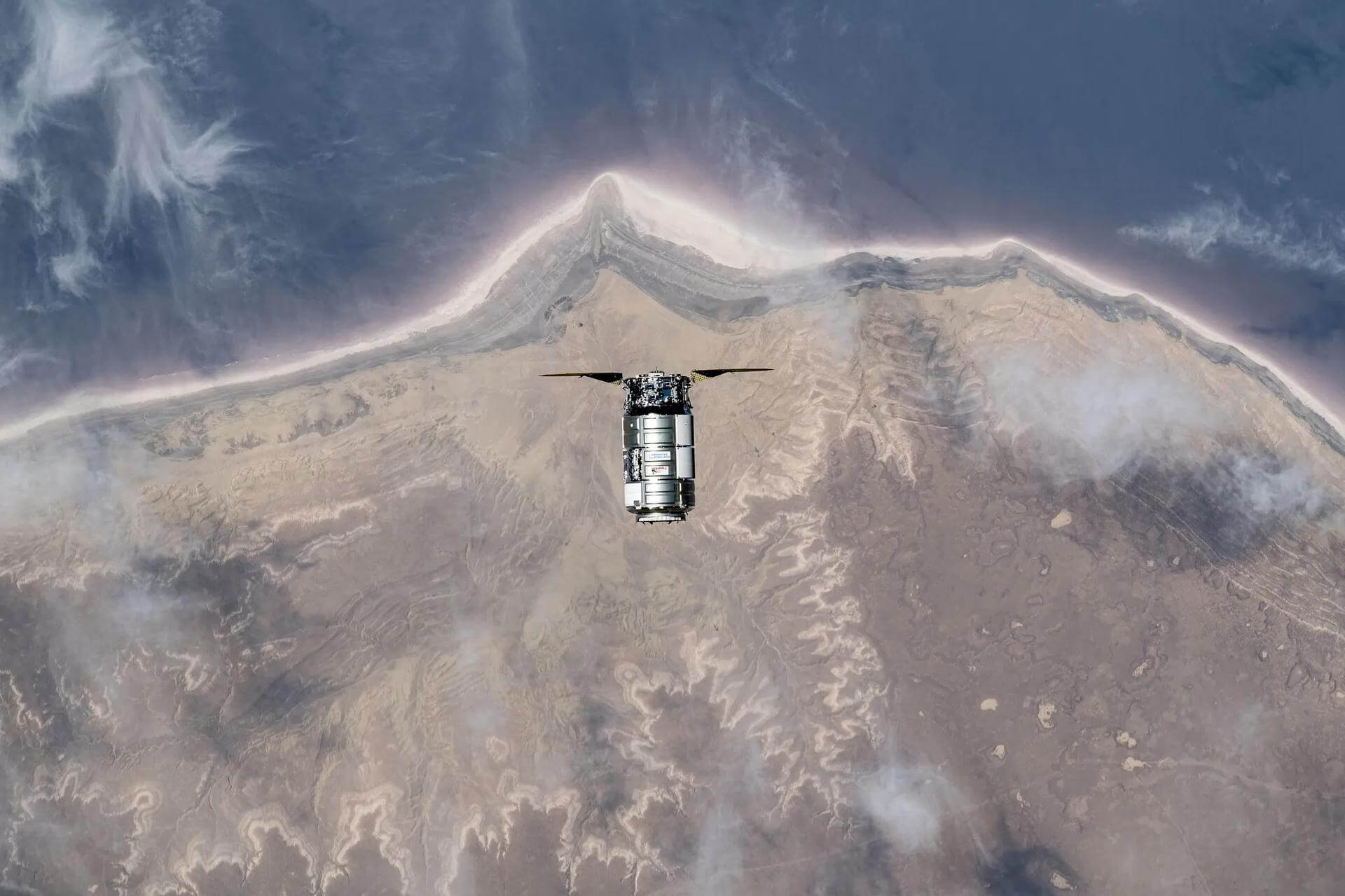
Press Event
NG-20 Science Media Briefing
International Space Station Falcon 9 Block 5 | Cygnus CRS-2 NG-20 (S.S. Patricia “Patty” Hilliard Robertson)
The International Space Station National Lab will host a science webinar with the following participants:
- Lisa Carnell, director, NASA’s Biological and Physical Sciences Division
- Meg Everett, deputy scientist, NASA’s International Space Station Program
- Shane Farritor, co-founder and chief scientific officer, Virtual Incision Corporation
- Mark Fernandez, principal investigator of Spaceborne Computer-2, Hewlett Packard Enterprise
- Mary Murphy, director of programs, Nanoracks
- Michael Roberts, chief scientific officer, International Space Station National Lab
- Nicole Wagner, chief executive officer, LambdaVision
- Abba Zubair, medical director, Mayo Clinic
Updates

LL2 • Jan. 26, 2024, 6:03 p.m.
Livestream has started

hitura-nobad • Jan. 25, 2024, 8:22 a.m.
Added Event
Related Information
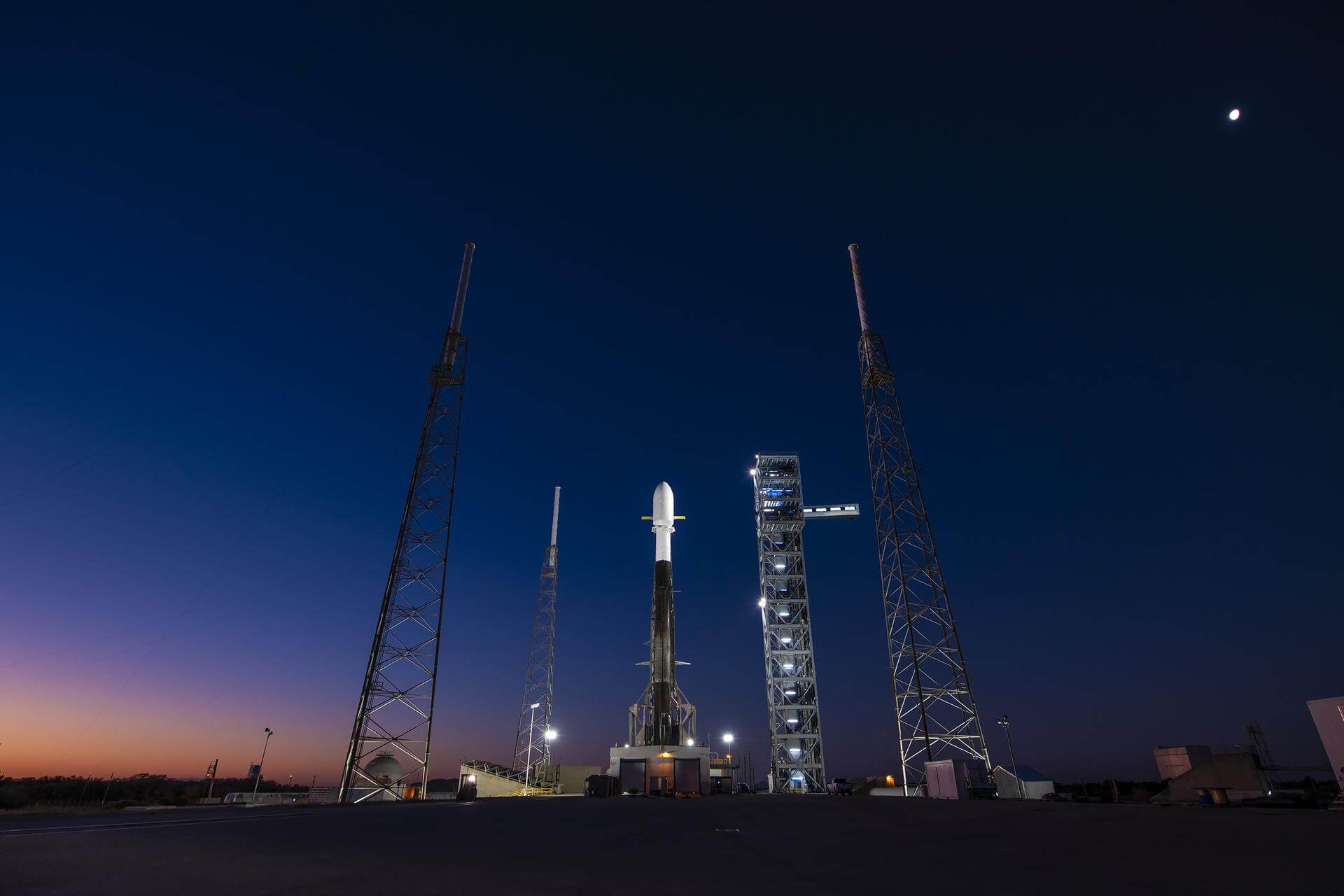
Falcon 9 Block 5 | Cygnus CRS-2 NG-20 (S.S. Patricia “Patty” Hilliard Robertson)
SpaceX | United States of AmericaCape Canaveral SFS, FL, USA
Jan. 30, 2024, 5:07 p.m.
Status: Launch Successful
Mission:
This is the 20th flight of the Orbital ATK's uncrewed resupply spacecraft Cygnus and its 19th flight to the International Space Station under the Commercial Resupply Services contract with NASA.
Low Earth Orbit B1077 - Flight Proven ( ) Landing Zone 1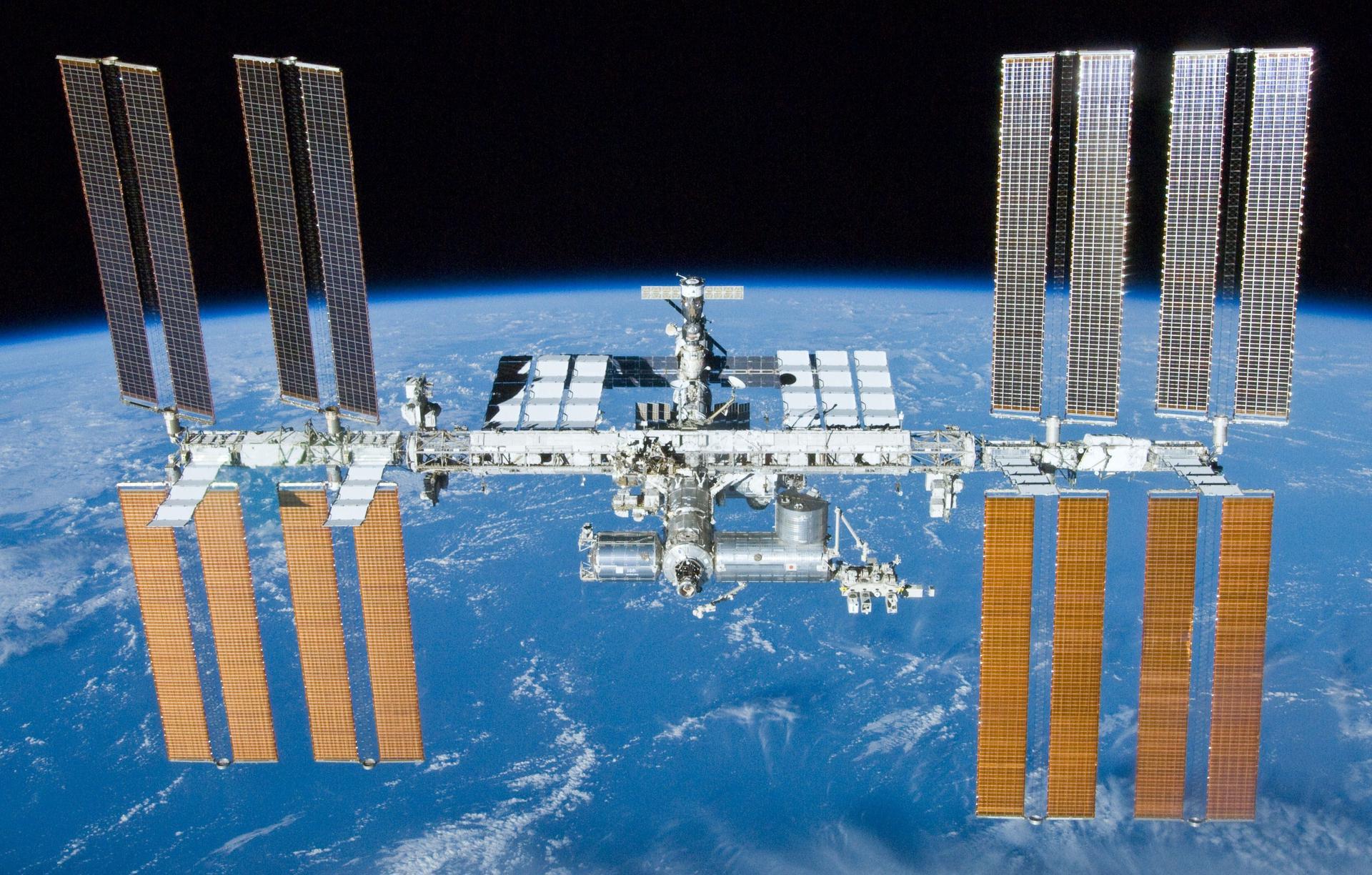
International Space Station
Low Earth Orbit Government Founded: Nov. 20, 1998 Mass: 419.7T Volume: 931 m³
Status - Active
The International Space Station (ISS) is a space station, or a habitable artificial satellite, in low Earth orbit. Its first component was launched into orbit in 1998, with the first long-term residents arriving in November 2000. It has been inhabited continuously since that date. The last pressurised module was fitted in 2011, and an experimental inflatable space habitat was added …
Vikram-I
Demo Flight
Satish Dhawan Space Centre First Launch Pad - Satish Dhawan Space Centre, IndiaFirst launch of Skyroot Aerospace's Vikram-I launch vehicle. This first launch will carry 4 payloads: - Grahaa Space's SOLARAS S3 satellite - C…
Falcon 9
SDA Tranche 1 Transport Layer E
Space Launch Complex 4E - Vandenberg SFB, CA, USATranche 1 Transport Layer E is one of six missions by the United States Space Force Space Development Agency (SDA) for the Proliferated Warfighter Sp…
Soyuz 2.1a
Soyuz MS-29
31/6 - Baikonur Cosmodrome, Republic of KazakhstanSoyuz MS-29 will carry three cosmonauts and one astronaut to the International Space Station aboard the Soyuz spacecraft from the Baikonur Cosmodrome…
Falcon 9
Starlink Group 10-45
Space Launch Complex 40 - Cape Canaveral SFS, FL, USAA batch of 29 satellites for the Starlink mega-constellation - SpaceX's project for space-based Internet communication system.
Falcon 9
Starlink Group 15-14
Space Launch Complex 4E - Vandenberg SFB, CA, USAA batch of 27 satellites for the Starlink mega-constellation - SpaceX's project for space-based Internet communication system.
Falcon 9
Starlink Group 17-48
Space Launch Complex 4E - Vandenberg SFB, CA, USAA batch of 24 satellites for the Starlink mega-constellation - SpaceX's project for space-based Internet communication system.
Long March 10B
Demo Flight
Commercial LC-2 - Wenchang Space Launch Site, People's Republic of ChinaFirst launch of the Long March 10B rocket and first ever successful rocket booster recovery of a Chinese launch vehicle. Payloads on board is TBD.
Falcon 9
Starlink Group 10-42
Space Launch Complex 40 - Cape Canaveral SFS, FL, USAA batch of 29 satellites for the Starlink mega-constellation - SpaceX's project for space-based Internet communication system.
Falcon 9
Transporter 17 (Dedicated SSO Rideshare)
Space Launch Complex 4E - Vandenberg SFB, CA, USADedicated rideshare flight to a sun-synchronous orbit with dozens of small microsatellites and nanosatellites for commercial and government customers.
Long March 8A
SpaceSail Polar Group #14
Commercial LC-1 - Wenchang Space Launch Site, People's Republic of China20 Low Earth Orbit communication satellites with Ku, Q and V band payloads for the G60 constellation operated by Shanghai Spacesail Technologies with…

