Press Event
NASA TEMPO Media Teleconference
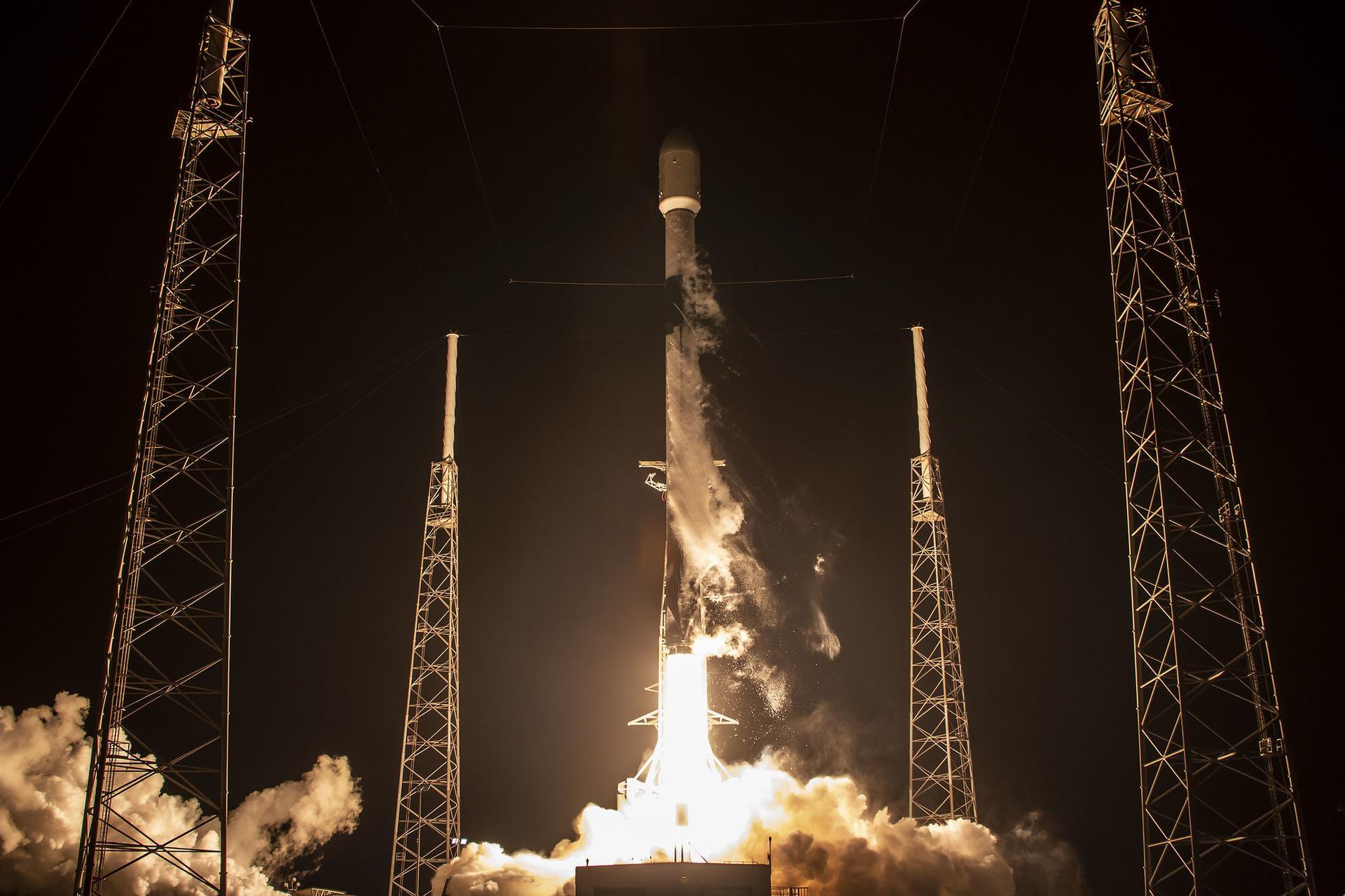
Falcon 9 Block 5 | Intelsat 40e
NASA will host a media teleconference to discuss the upcoming launch of TEMPO, the first space-based instrument to monitor major air pollutants hourly in high spatial resolution—down to four square miles—in a region stretching from the Atlantic to the Pacific, and from the Canadian oil sands to below Mexico City, encompassing the entire continental United States.
Updates

LL2 • April 5, 2023, 4:57 p.m.
Livestream has started
Related Information
Falcon 9 Block 5 | Intelsat 40e
SpaceX | United States of AmericaCape Canaveral SFS, FL, USA
April 7, 2023, 4:30 a.m.
Status: Launch Successful
Mission:
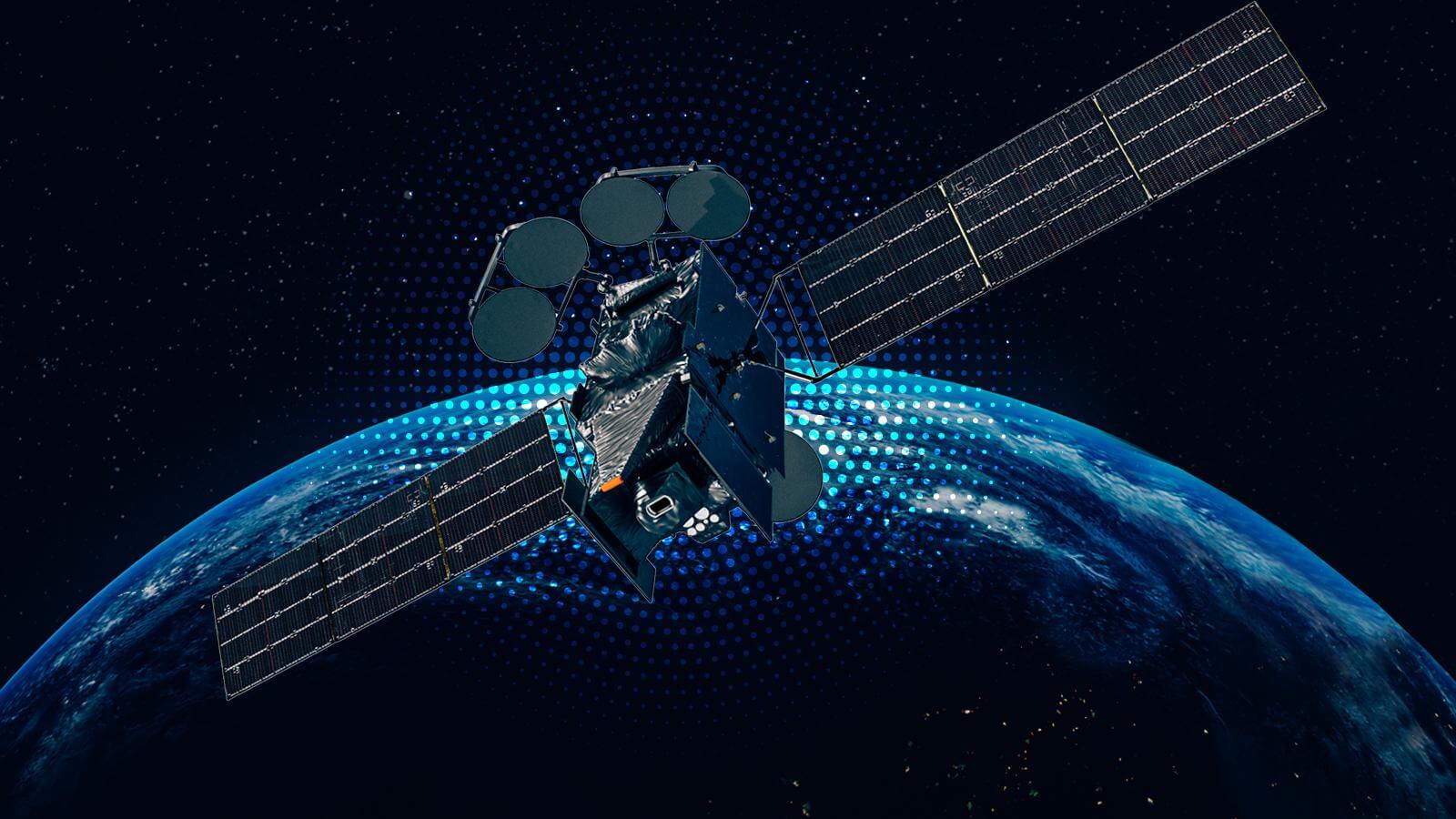
Intelsat 40e is an advanced geostationary satellite that will provide Intelsat’s government and enterprise customers across North and Central America with high-throughput, “coast-to-coast” services. The satellite’s capabilities will support the growing number of customers that depend on Intelsat’s managed services and solutions to easily integrate satellite into their overall networking and communications strategies. Hosted on the Intelsat 40e satellite is NASA’s Tropospheric Emissions: Monitoring of Pollution (TEMPO), an Earth science instrument that will observe air pollution over North America in unprecedented detail.
Geostationary Transfer Orbit B1076 - Flight Proven ( ) A Shortfall of GravitasFalcon 9
BlueBird 11-13 (Block 2 #6-8)
Space Launch Complex 40 - Cape Canaveral SFS, FL, USAAST SpaceMobile’s Block 2 BlueBird satellites are designed to deliver up to 10 times the bandwidth capacity of the BlueBird Block 1 satellites, requi…
Smart Dragon 3
OSE HS-01 & 02
Haiyang offshore launch location - Haiyang Oriental Spaceport2 hyper-spectral Earth observation satellites from Chinese company STAR.VISION. Both satellites are built in corporation with foreign customers: *…
Falcon 9
Starlink Group 17-53
Space Launch Complex 4E - Vandenberg SFB, CA, USAA batch of 24 satellites for the Starlink mega-constellation - SpaceX's project for space-based Internet communication system.
Long March 8A
SatNet LEO Group 23
Commercial LC-1 - Wenchang Space Launch Site, People's Republic of ChinaA batch of 9 Low Earth Orbit communication satellites for the Chinese state owned SatNet constellation operated by the China Satellite Network Group.…
Falcon 9
Starlink Group 17-52
Space Launch Complex 4E - Vandenberg SFB, CA, USAA batch of 24 satellites for the Starlink mega-constellation - SpaceX's project for space-based Internet communication system.
Falcon 9
NROL-95
Space Launch Complex 40 - Cape Canaveral SFS, FL, USAClassified payload for the US National Reconnaissance Office.
Long March 6A
TJSW-27A & B
Launch Complex 9A - Taiyuan Satellite Launch Center, People's Republic of China2 Chinese classified satellites claimed to be for communication technology test purposes. Actual mission not known.
Long March 7A
Tianlian 3-01
201 - Wenchang Space Launch Site, People's Republic of ChinaTianlian is a Chinese data tracking and relay communications geostationary satellite series. The TL-3 (Tian Lian 3) satellites are the 3rd generation…
Falcon 9
Starlink Group 17-51
Space Launch Complex 4E - Vandenberg SFB, CA, USAA batch of 24 satellites for the Starlink mega-constellation - SpaceX's project for space-based Internet communication system.
Starship
Flight 13
Orbital Launch Pad 2 - SpaceX Starbase, TX, USA13th test flight of the two-stage Starship launch vehicle. Second flight of Starship V3. For the first time, Starship will carry 20 V3 Starlink sa…

