Press Event
NASA Psyche Independent Review Teleconference
Falcon Heavy | Psyche
Following a community townhall, NASA will host a media teleconference to discuss the findings and recommendations of a report by the Psyche mission independent review board.
Related Information
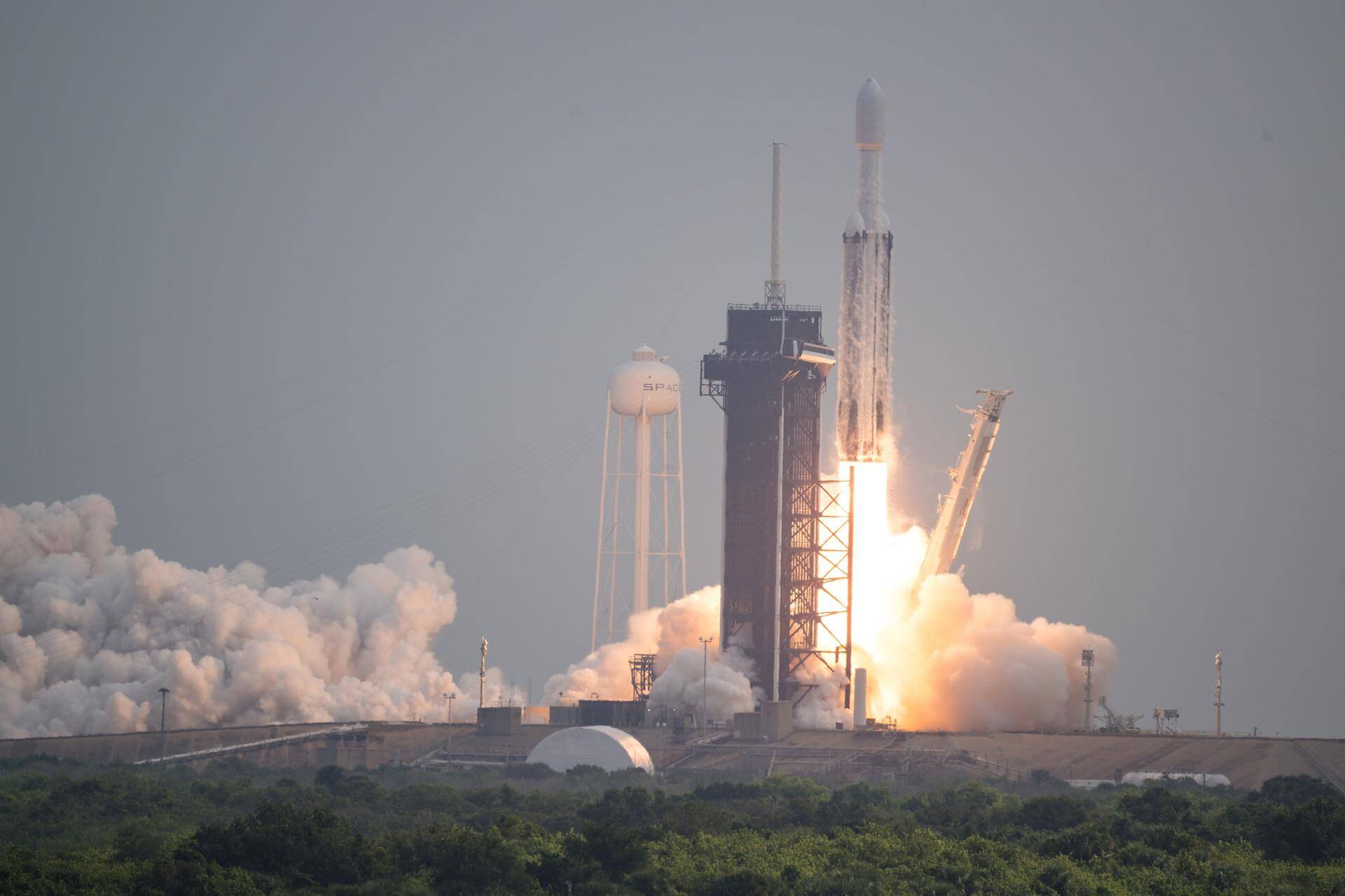
Falcon Heavy | Psyche
SpaceX | United States of AmericaKennedy Space Center, FL, USA
Oct. 13, 2023, 2:19 p.m.
Status: Launch Successful
Mission:
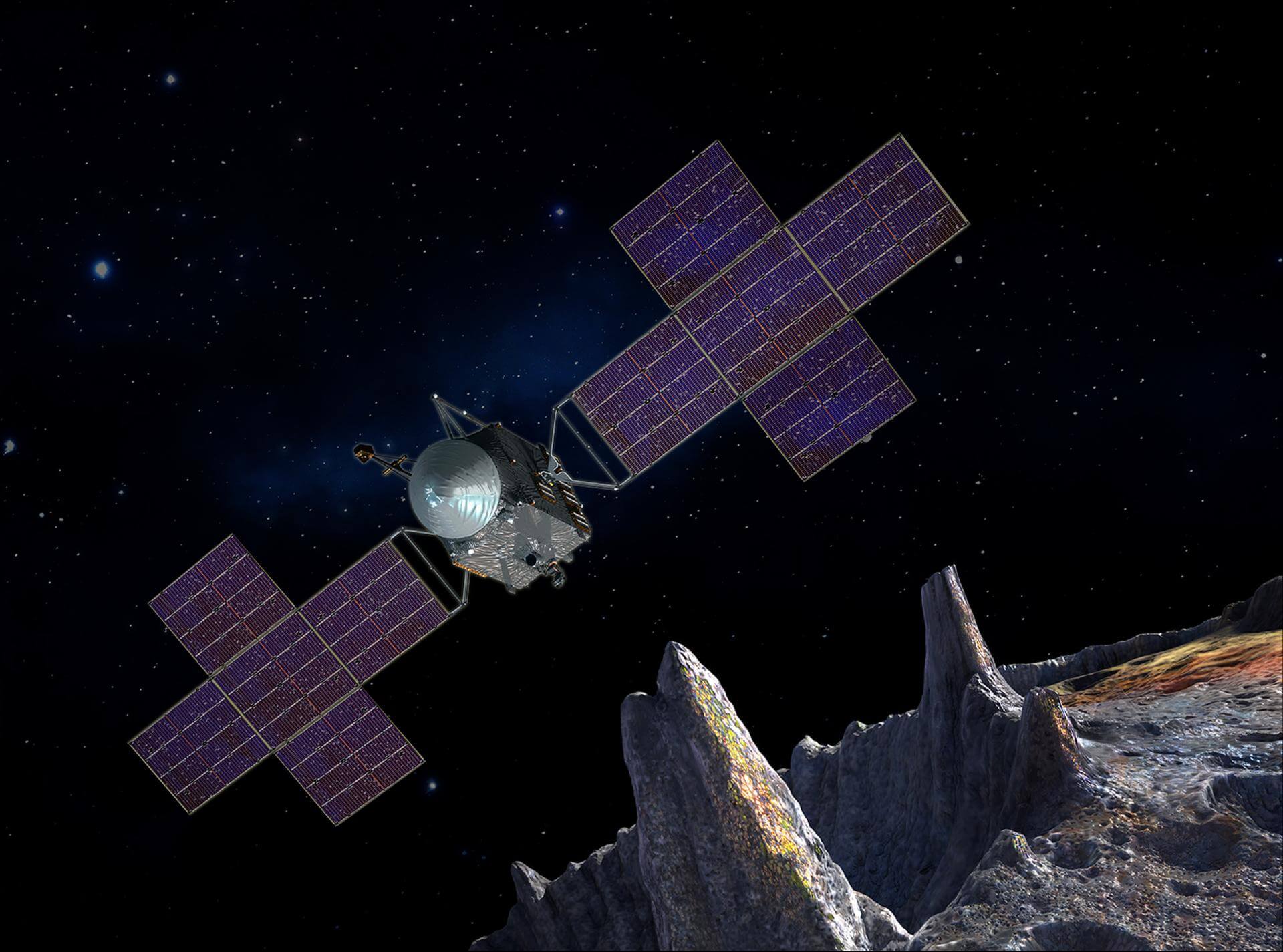
Psyche is a NASA interplanetary mission to visit the main belt asteroid of the same name, 16 Psyche. Spacecraft will take 4 years and one Mars flyby to reach the asteroid, which is of particular interest due to being comprised mostly of iron and nickel. Psyche is theorized to be a remnant of an early planet's core, and may offer insights into how solar system formed and evolved. The mission is led by Arizona State University, with NASA JPL being responsible for mission management and operations.
Heliocentric N/A B1079 - Maiden Flight Atlantic Ocean B1065 - Flight Proven ( ) Landing Zone 2 B1064 - Flight Proven ( ) Landing Zone 1Falcon 9
Starlink Group 17-49
Space Launch Complex 4E - Vandenberg SFB, CA, USAA batch of 24 satellites for the Starlink mega-constellation - SpaceX's project for space-based Internet communication system.
Falcon 9
Starlink Group 10-19
Space Launch Complex 40 - Cape Canaveral SFS, FL, USAA batch of 29 satellites for the Starlink mega-constellation - SpaceX's project for space-based Internet communication system.
H3-22
Michibiki 7 (QZS-7)
Yoshinobu Launch Complex LP-2 - Tanegashima Space Center, JapanQZSS (Quasi Zenith Satellite System) is a Japanese satellite navigation system operating from inclined, elliptical geosynchronous orbits to achieve o…
Long March 7A
ChinaSat 4B
201 - Wenchang Space Launch Site, People's Republic of ChinaChinese communication geostationary satellite for unknown purposes.
Falcon 9
Starlink Group 17-38
Space Launch Complex 4E - Vandenberg SFB, CA, USAA batch of 24 satellites for the Starlink mega-constellation - SpaceX's project for space-based Internet communication system.
Electron
The Grain Goddess Provides (iQPS Launch 7)
Rocket Lab Launch Complex 1A - Rocket Lab Launch Complex 1, Mahia Peninsula, New ZealandSynthetic aperture radar Earth observation satellite for Japanese Earth imaging company iQPS.
Falcon 9
BlueBird 11-13 (Block 2 #6-8)
Space Launch Complex 40 - Cape Canaveral SFS, FL, USAAST SpaceMobile’s Block 2 BlueBird satellites are designed to deliver up to 10 times the bandwidth capacity of the BlueBird Block 1 satellites, requi…
Smart Dragon 3
OSE HS-01 & 02
Haiyang offshore launch location - Haiyang Oriental Spaceport2 hyper-spectral Earth observation satellites from Chinese company STAR.VISION. Both satellites are built in corporation with foreign customers: *…
Falcon 9
Starlink Group 17-53
Space Launch Complex 4E - Vandenberg SFB, CA, USAA batch of 24 satellites for the Starlink mega-constellation - SpaceX's project for space-based Internet communication system.
Long March 8A
SatNet LEO Group 23
Commercial LC-1 - Wenchang Space Launch Site, People's Republic of ChinaA batch of 9 Low Earth Orbit communication satellites for the Chinese state owned SatNet constellation operated by the China Satellite Network Group.…

