Press Event
Mars 2020 Rover Name Reveal
NASA HQ
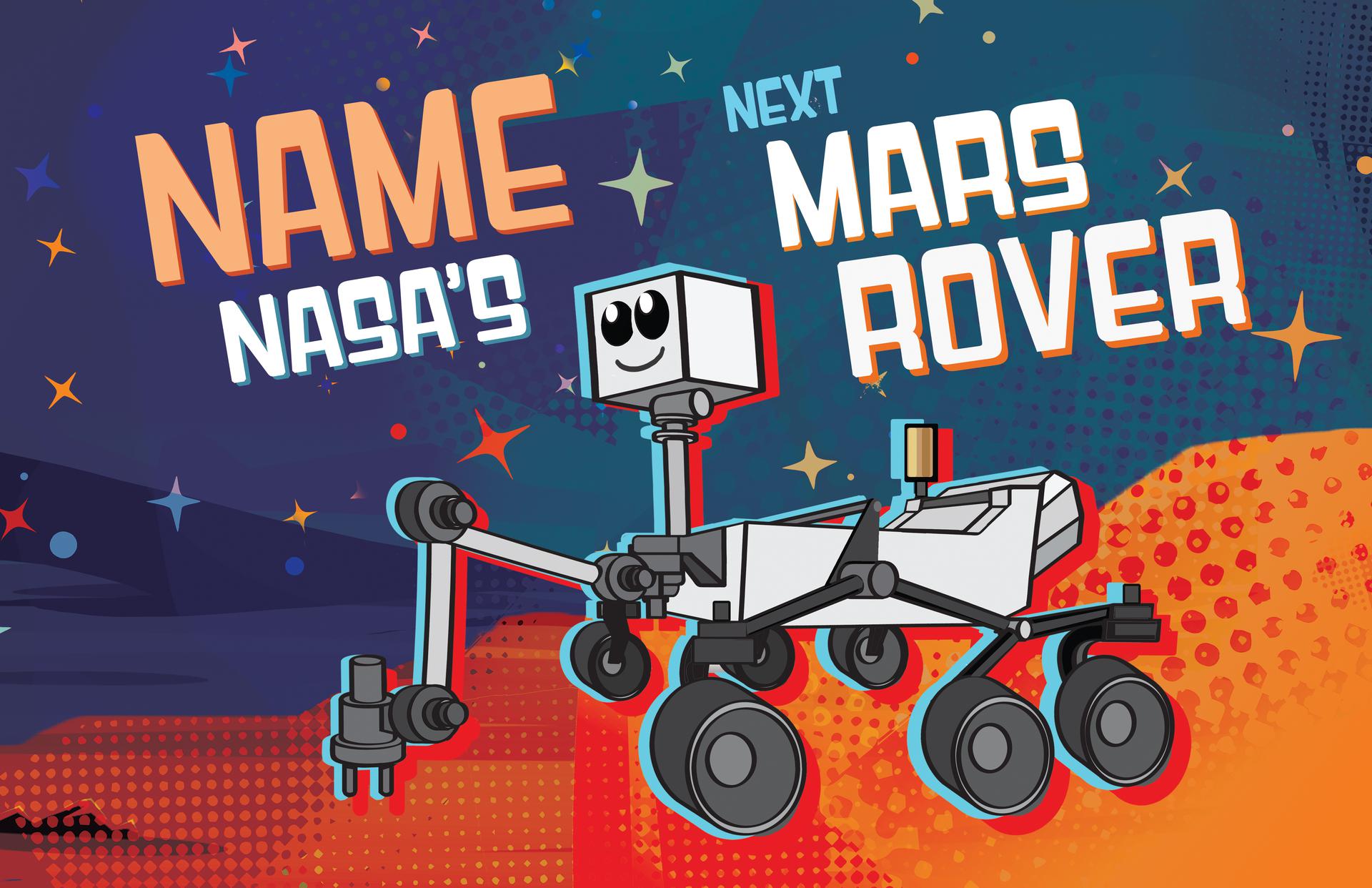
NASA will unveil the name of the agency’s next Mars rover, currently known as Mars 2020, during a live event on NASA Television at 1:30 p.m. EST Thursday, March 5, followed by a media teleconference at 3:30 p.m. about the mission and the naming.
The Mars 2020 rover was the subject of a nationwide naming contest in 2019 that drew more than 28,000 essays by K-12 students from every U.S. state and territory. Nearly 4,700 volunteer judges – educators, professionals, and space enthusiasts from around the country – helped narrow the pool down to 155 semifinalists. A second round of judging selected the nine finalist essays that were open to an online public poll before Thomas Zurbuchen, associate administrator of NASA's Science Mission Directorate, made the final selection.
Long March 6A
SpaceSail Polar Group 09
Launch Complex 9A - Taiyuan Satellite Launch Center, People's Republic of China18 Low Earth Orbit communication satellites with Ku, Q and V band payloads for the G60 constellation operated by Shanghai Spacesail Technologies with…
Falcon 9
NROL-172
Space Launch Complex 4E - Vandenberg SFB, CA, USAThirteenth batch of satellites for a reconnaissance satellite constellation built by SpaceX and Northrop Grumman for the National Reconnaissance Offi…
Long March 7
Tianzhou-10
201 - Wenchang Space Launch Site, People's Republic of ChinaNinth cargo delivery mission to the Chinese space station.
Falcon 9
Starlink Group 17-29
Space Launch Complex 4E - Vandenberg SFB, CA, USAA batch of 24 satellites for the Starlink mega-constellation - SpaceX's project for space-based Internet communication system.
Falcon 9
CAS500-2 & Others
Space Launch Complex 4E - Vandenberg SFB, CA, USARide-share of 45 satellites including: * CAS500-2 (KASA, South Korea) The South Korean CAS500-1 and -2 satellites will image the Earth in pan-chr…
Falcon 9
Starlink Group 10-38
Space Launch Complex 40 - Cape Canaveral SFS, FL, USAA batch of 29 satellites for the Starlink mega-constellation - SpaceX's project for space-based Internet communication system.
Soyuz-5
Demo Flight
45/1 - Baikonur Cosmodrome, Republic of KazakhstanDemonstration Flight for Russia's new Soyuz-5 launch vehicle, with a mass simulator on board. The launch was suborbital with the simulator splashing …
Ariane 64
Amazon Leo (LE-02)
Ariane Launch Area 4 - Guiana Space Centre, French GuianaAmazon Leo, formerly known as Project Kuiper, is a mega constellation of satellites in Low Earth Orbit that will offer broadband internet access, thi…
Falcon 9
Starlink Group 17-36
Space Launch Complex 4E - Vandenberg SFB, CA, USAA batch of 24 satellites for the Starlink mega-constellation - SpaceX's project for space-based Internet communication system.
Falcon Heavy
ViaSat-3 F3 (ViaSat-3 Asia-Pacific)
Launch Complex 39A - Kennedy Space Center, FL, USAThe ViaSat-3 is a series of three Ka-band satellites is expected to provide vastly superior capabilities in terms of service speed and flexibility fo…

