Moon Landing
Luna 25 Lunar Landing
Lunar Surface Soyuz 2.1b/Fregat-M | Luna 25
The Luna 25 lander crashed into the Moon after an orbital maneuver scheduled to place it in its pre-landing orbit instead sent it on a collision trajectory.
Updates

Cosmic_Penguin • July 13, 2023, 3:28 a.m.
Added event.
Related Information
Soyuz 2.1b/Fregat-M | Luna 25
Progress Rocket Space Center | RussiaVostochny Cosmodrome, Siberia, Russian Federation
Aug. 10, 2023, 11:10 p.m.
Status: Launch Successful
Mission:
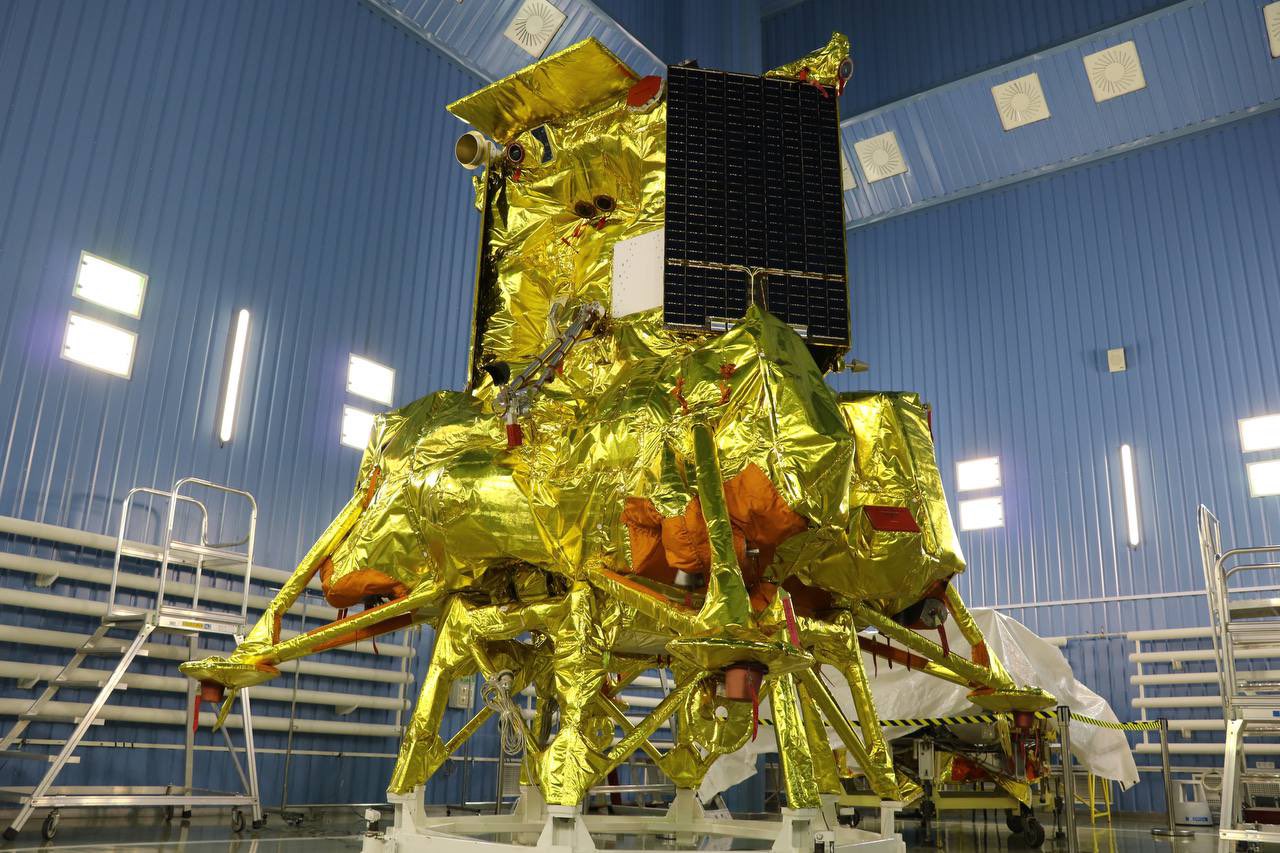
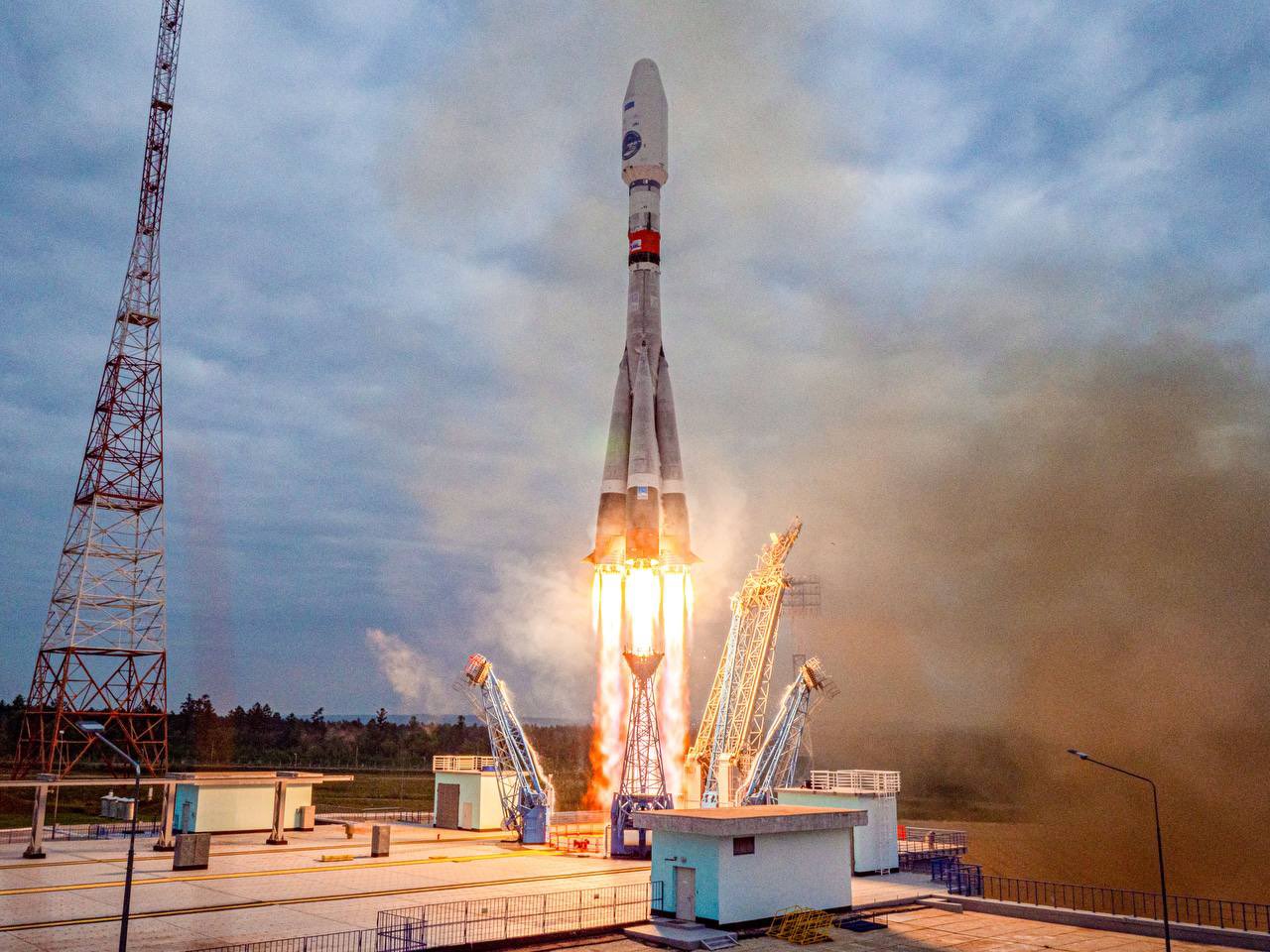
Luna 25 (ex-Luna-Glob) was a lunar lander mission by the Russian Federal Space Agency (Roscosmos) that crashed into the lunar surface after an anomalous orbital maneuver placed it on a collision trajectory towards the Moon. It was scheduled to land near the lunar south pole at the Boguslavsky crater to prove lunar landing technology. The mission carried 30 kg of scientific instruments, including a robotic arm for soil samples and possible drilling hardware. It was planned to remain active for at least one year on the lunar surface.
Lunar OrbitFalcon 9
Starlink Group 10-19
Space Launch Complex 40 - Cape Canaveral SFS, FL, USAA batch of 29 satellites for the Starlink mega-constellation - SpaceX's project for space-based Internet communication system.
H3-22
Michibiki 7 (QZS-7)
Yoshinobu Launch Complex LP-2 - Tanegashima Space Center, JapanQZSS (Quasi Zenith Satellite System) is a Japanese satellite navigation system operating from inclined, elliptical geosynchronous orbits to achieve o…
Long March 7A
ChinaSat 4B
201 - Wenchang Space Launch Site, People's Republic of ChinaChinese communication geostationary satellite for unknown purposes.
Falcon 9
Starlink Group 17-38
Space Launch Complex 4E - Vandenberg SFB, CA, USAA batch of 24 satellites for the Starlink mega-constellation - SpaceX's project for space-based Internet communication system.
Electron
The Grain Goddess Provides (iQPS Launch 7)
Rocket Lab Launch Complex 1A - Rocket Lab Launch Complex 1, Mahia Peninsula, New ZealandSynthetic aperture radar Earth observation satellite for Japanese Earth imaging company iQPS.
Falcon 9
BlueBird 11-13 (Block 2 #6-8)
Space Launch Complex 40 - Cape Canaveral SFS, FL, USAAST SpaceMobile’s Block 2 BlueBird satellites are designed to deliver up to 10 times the bandwidth capacity of the BlueBird Block 1 satellites, requi…
Smart Dragon 3
OSE HS-01 & 02
Haiyang offshore launch location - Haiyang Oriental Spaceport2 hyper-spectral Earth observation satellites from Chinese company STAR.VISION. Both satellites are built in corporation with foreign customers: *…
Falcon 9
Starlink Group 17-53
Space Launch Complex 4E - Vandenberg SFB, CA, USAA batch of 24 satellites for the Starlink mega-constellation - SpaceX's project for space-based Internet communication system.
Long March 8A
SatNet LEO Group 23
Commercial LC-1 - Wenchang Space Launch Site, People's Republic of ChinaA batch of 9 Low Earth Orbit communication satellites for the Chinese state owned SatNet constellation operated by the China Satellite Network Group.…
Falcon 9
Starlink Group 17-52
Space Launch Complex 4E - Vandenberg SFB, CA, USAA batch of 24 satellites for the Starlink mega-constellation - SpaceX's project for space-based Internet communication system.

