Press Event
JWST Mirror Alignment Virtual Media Briefing
Goddard Space Flight Center Ariane 5 ECA+ | James Webb Space Telescope (JWST)
NASA will hold a virtual media briefing at noon EDT Wednesday, March 16, to provide an update on the James Webb Space Telescope’s mirror alignment. The briefing will air live on NASA TV, the NASA app, and the agency’s website.
Participants will share progress made in aligning Webb’s mirrors, resulting in a fully focused image of a single star. NASA will make imagery demonstrating the completion of this milestone available on the agency’s website at 11:30 a.m., prior to the briefing.
Related Information
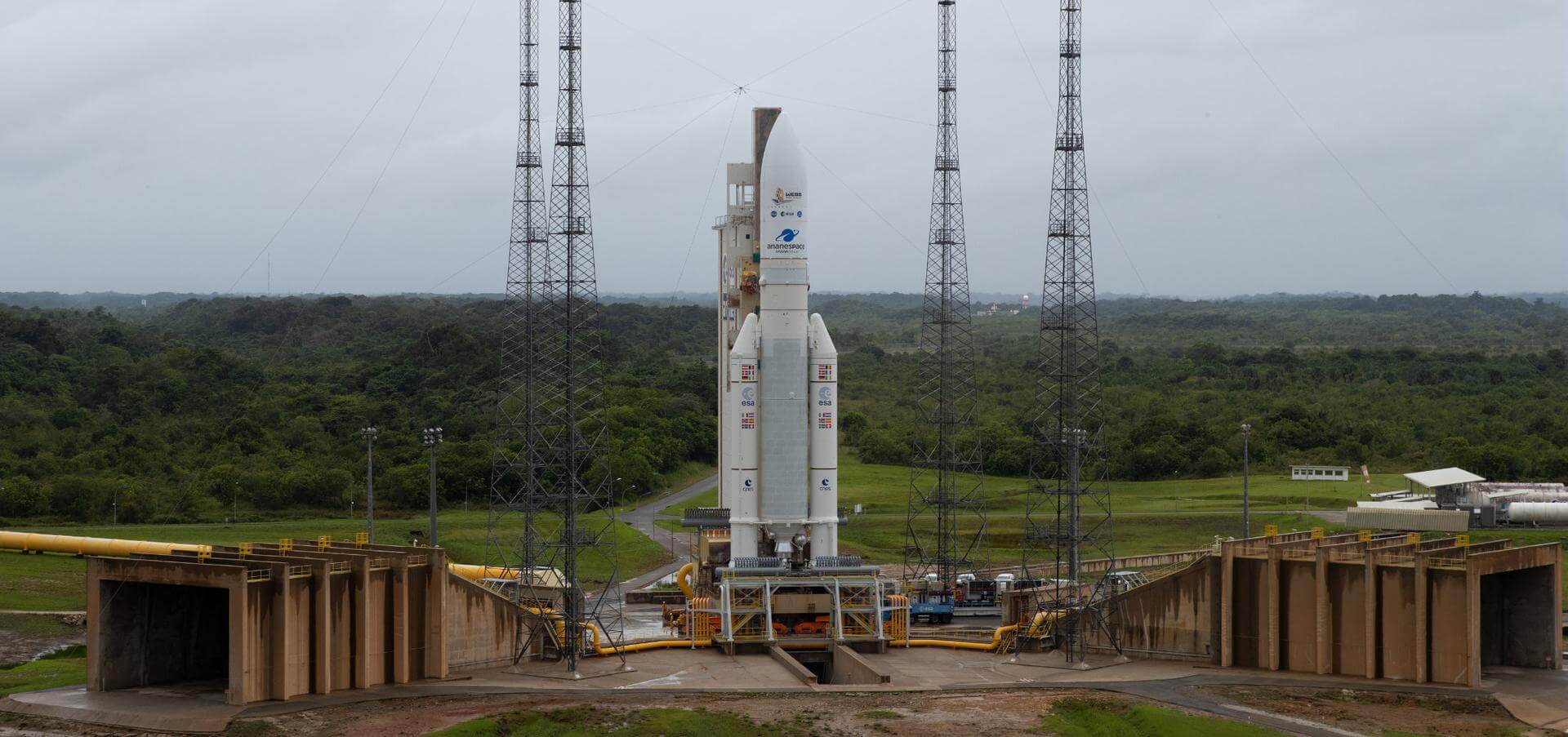
Ariane 5 ECA+ | James Webb Space Telescope (JWST)
ArianeGroup | FranceGuiana Space Centre, French Guiana
Dec. 25, 2021, 12:20 p.m.
Status: Launch Successful
Mission:
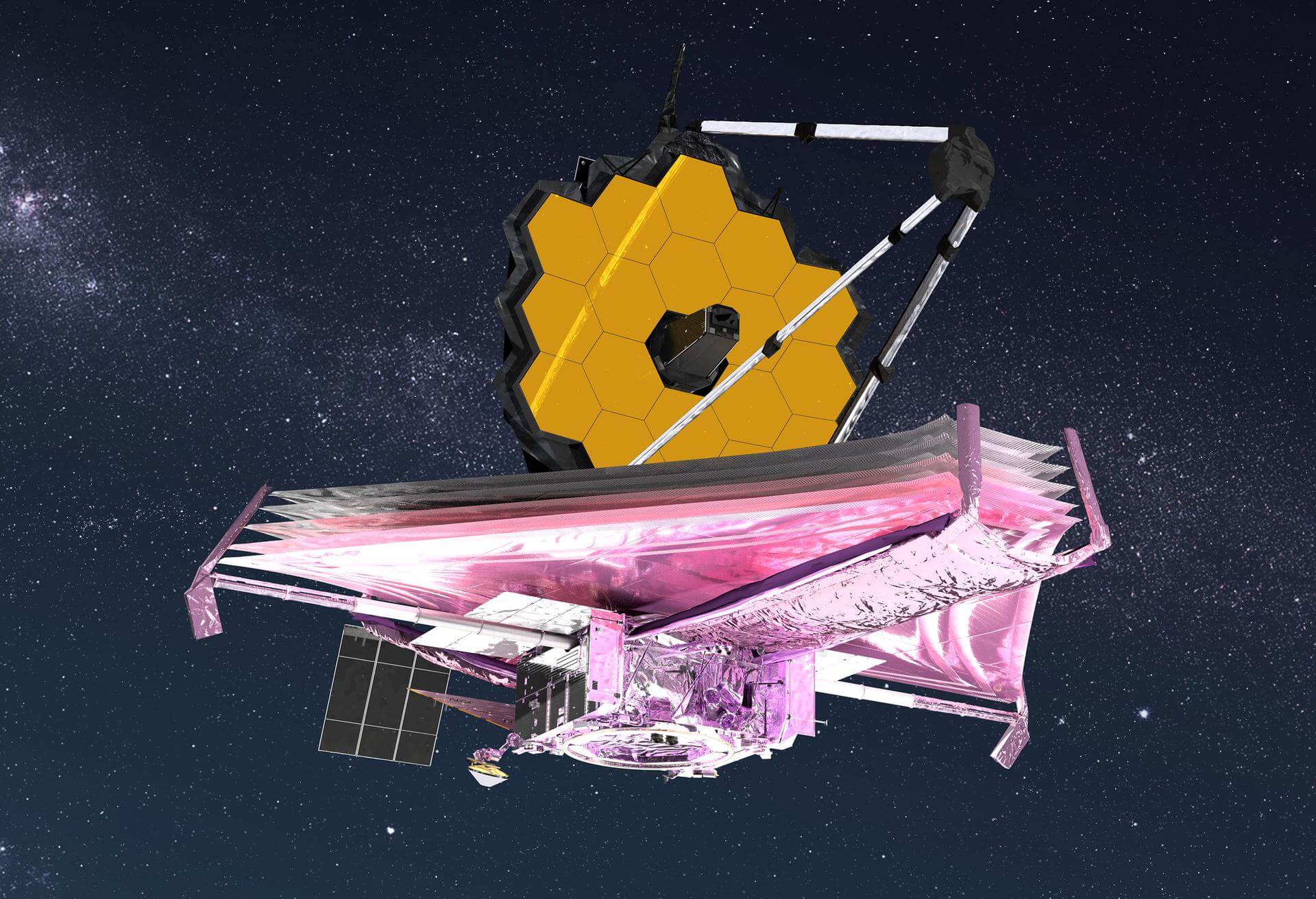
The James Webb Space Telescope is a space telescope developed by NASA, ESA and CSA to succeed the Hubble Space Telescope as NASA's flagship astrophysics mission. Its primary mirror, the Optical Telescope Element, is composed of 18 hexagonal mirror segments which combine to create a 6.5 m diameter mirror, considerably larger than Hubble's 2.4 m mirror. This will allow JWST to provide improved infrared resolution and sensitivity over Hubble, and will enable a broad range of investigations across the fields of astronomy and cosmology, including observing some of the most distant events and objects in the universe, such as the formation of the first galaxies.
Sun-Earth L2Soyuz 2.1a
Soyuz MS-29
31/6 - Baikonur Cosmodrome, Republic of KazakhstanSoyuz MS-29 will carry three cosmonauts and one astronaut to the International Space Station aboard the Soyuz spacecraft from the Baikonur Cosmodrome…
Falcon 9
Starlink Group 10-45
Space Launch Complex 40 - Cape Canaveral SFS, FL, USAA batch of 29 satellites for the Starlink mega-constellation - SpaceX's project for space-based Internet communication system.
Falcon 9
Starlink Group 15-14
Space Launch Complex 4E - Vandenberg SFB, CA, USAA batch of 27 satellites for the Starlink mega-constellation - SpaceX's project for space-based Internet communication system.
Falcon 9
Starlink Group 17-48
Space Launch Complex 4E - Vandenberg SFB, CA, USAA batch of 24 satellites for the Starlink mega-constellation - SpaceX's project for space-based Internet communication system.
Long March 10B
Demo Flight
Commercial LC-2 - Wenchang Space Launch Site, People's Republic of ChinaFirst launch of the Long March 10B rocket and first ever successful rocket booster recovery of a Chinese launch vehicle. Payloads on board is TBD.
Falcon 9
Starlink Group 10-42
Space Launch Complex 40 - Cape Canaveral SFS, FL, USAA batch of 29 satellites for the Starlink mega-constellation - SpaceX's project for space-based Internet communication system.
Falcon 9
Transporter 17 (Dedicated SSO Rideshare)
Space Launch Complex 4E - Vandenberg SFB, CA, USADedicated rideshare flight to a sun-synchronous orbit with dozens of small microsatellites and nanosatellites for commercial and government customers.
Long March 8A
SpaceSail Polar Group #14
Commercial LC-1 - Wenchang Space Launch Site, People's Republic of China20 Low Earth Orbit communication satellites with Ku, Q and V band payloads for the G60 constellation operated by Shanghai Spacesail Technologies with…
Falcon 9
Starlink Group 10-50
Space Launch Complex 40 - Cape Canaveral SFS, FL, USAA batch of 29 satellites for the Starlink mega-constellation - SpaceX's project for space-based Internet communication system. The Falcon 9 1st st…
Long March 6A
SpaceSail Polar Group #13
Launch Complex 9A - Taiyuan Satellite Launch Center, People's Republic of China18 Low Earth Orbit communication satellites with Ku, Q and V band payloads for the G60 constellation operated by Shanghai Spacesail Technologies with…

